Betaxolol
beta-blocker
Our referenceBy the Layer Nutrition editorial team · How the atlas classifies the 664 molecules
What this medicine is for
Pharmacologically, Betaxolol relates to the category “beta-blocker”. Beta-blockers slow and relieve the heart and lower blood pressure. They are never stopped abruptly.
In the case of Betaxolol, this means: Slows the heart and lowers blood pressure. It is most often a maintenance treatment, taken at regular times over long periods; its benefit is judged over time, not by how you feel on the day.
Under which brands it is found
Betaxolol is part of about 6 presentations listed in France. It can be found under several brand names and as generics.
- Betaxolol Biogaran
- Betaxolol Eg
- Betaxolol Sandoz
- Betaxolol Teva Sante
- Betaxolol Viatris
- Kerlone
Generics and the original brand are equivalent for the active substance; only the appearance, the name or the excipients may differ.
Our product for this treatment
You take Betaxolol. For people who follow this type of treatment every day, we have designed a dedicated product.

Layer Nutrition Beta-Blockers
Melatonin helps you fall asleep faster. Magnesium and vitamin B6 help you reduce tiredness during the day.
- Contributes to the reduction of time taken to fall asleep (melatonin 1 mg, at bedtime)
- Contributes to the reduction of tiredness (magnesium, vitamin B6)
- Contributes to normal muscle function and to the normal functioning of the nervous system (magnesium)
Melatonin 1 mg · Magnesium 100 mg · B6 1.4 mg
One bottle, one dose per day. Reduced price from the second box, free delivery from two boxes.
How betaxolol works
Betaxolol belongs to the beta-blocker family, and more specifically to the so-called cardioselective beta-blockers. It selectively blocks the beta-1 adrenergic receptors of the heart, without intrinsic sympathomimetic activity and with a weak membrane-stabilising effect. By occupying these receptors, it prevents adrenaline and noradrenaline from binding to them and transmitting their acceleration signal. Its selectivity means that at usual doses it targets mainly the heart, more than the beta-2 receptors of the bronchi and the vessels.
Deprived of this stimulation, the heart slows its rate, which is the negative chronotropic effect, and contracts with less force, which is the negative inotropic effect. Cardiac output falls, and with it the pressure exerted on the artery walls. It is this double brake, on the rhythm and on the contraction, that lowers blood pressure and that defines the entire pharmacology of the medicine.
Why it is prescribed
The marketing authorisation indication for oral betaxolol is the management of arterial hypertension, alone or in combination with other antihypertensive agents. By reducing cardiac output and pressure, it eases the workload imposed on the heart and the arteries, which is the objective sought when pressure remains persistently too high. Depending on each person's profile, it may therefore be prescribed on its own or alongside another blood-pressure treatment.
Its effect does not settle in with a single dose. With an elimination half-life of about 14 to 22 hours, betaxolol accumulates gradually in the blood and reaches its plasma steady state in 5 to 7 days. It is over this period that the fall in pressure stabilises, which explains why the doctor reassesses the response after one to two weeks rather than in the first days of treatment.
Taking it day to day
Betaxolol is taken once a day. The usual starting dose is 10 mg per day, increased to 20 mg after 7 to 14 days if pressure warrants it; beyond 20 mg, the additional benefit remains minimal. Its oral absorption is complete and its absolute bioavailability is around 89 %, with neither food nor alcohol altering these figures. It can therefore be taken with or without a meal, provided the same time is kept from one day to the next in order to cover the twenty-four hours.
Regularity also applies to stopping, which must never be abrupt. In a person with coronary disease, suddenly interrupting a beta-blocker can worsen angina pectoris and, in some cases, trigger a myocardial infarction. If treatment must be stopped, the dose is reduced gradually, over several days, under the doctor's supervision. This decision rests with the doctor, and not with the patient alone.
The effects to know about
In the US studies, considering the effects reported in at least 2 % of people, those most often observed are bradycardia, that is to say a heart beating slowly, fatigue, difficulty breathing, lethargy and dizziness. Bradycardia is clearly dose-dependent. Discontinuation of treatment concerned about 3.5 % of people, mainly because of bradycardia, but also fatigue, dizziness, headaches and erectile disorders.
In people with diabetes, beta-blockers can raise blood sugar and mask certain signs of a drop in blood sugar, such as the acceleration of the heart, so that a hypoglycaemia may pass more unnoticed. Betaxolol nonetheless keeps an advantage linked to its cardioselectivity: unlike non-selective beta-blockers, it does not prolong the hypoglycaemia caused by insulin.
On the plate
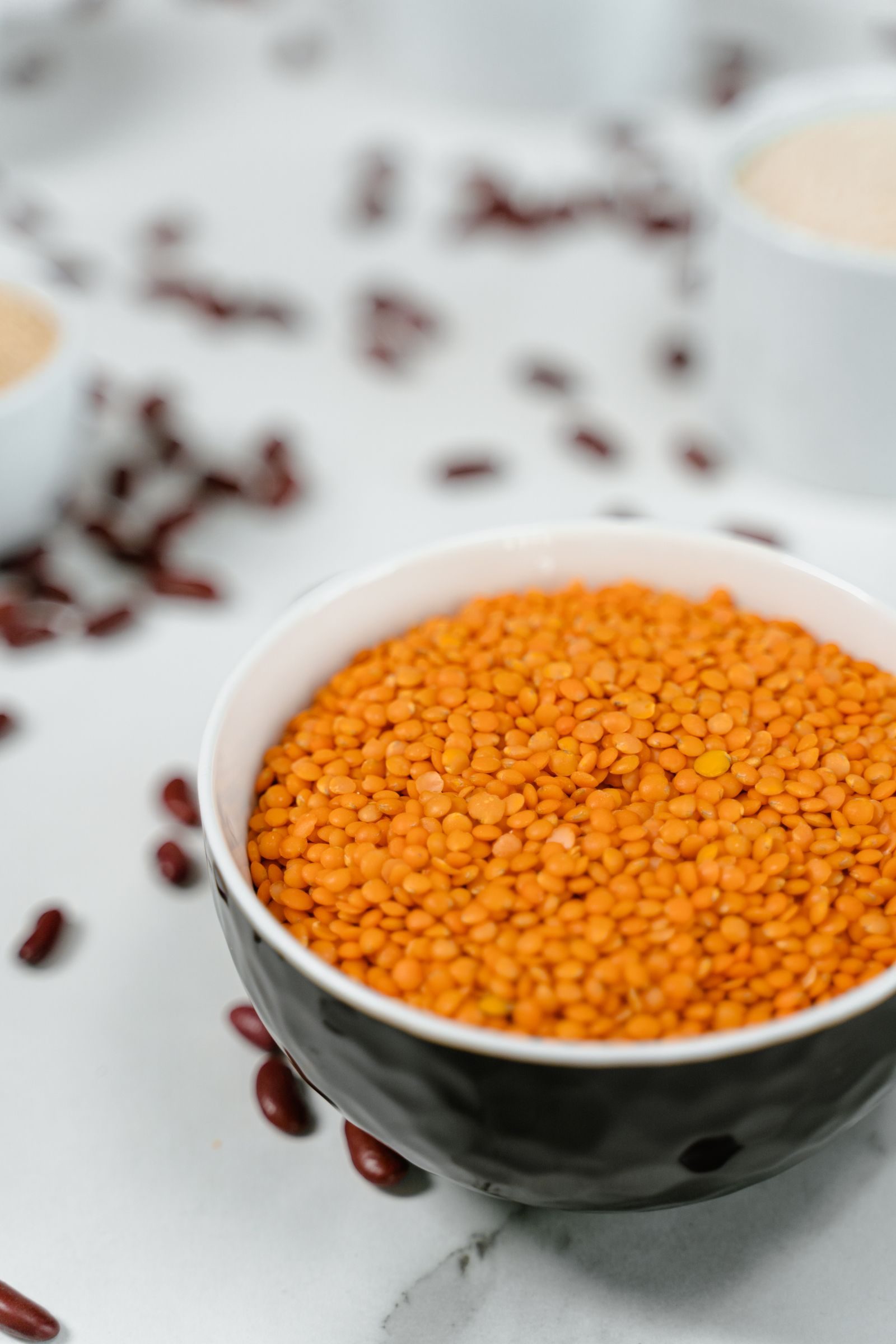
The blockade of beta receptors also affects the way the body handles potassium. Stimulation of the beta-2 receptors normally drives potassium into the cells, to the point that beta-2 agonists are used to treat an excess of potassium in the blood. A beta blockade may therefore, conversely, slow this transfer into the cells and let potassium accumulate a little more in the blood. This effect passes through the beta-2 receptors: yet betaxolol targets mainly the beta-1 receptors of the heart, so that its influence on potassium remains minimal. Potassium then becomes a marker to monitor rather than to load without measure.
This mineral is found mainly in everyday fruits and vegetables: dried apricots and raisins, lentils and beans, the potato, spinach and chard, broccoli, the avocado, the banana, citrus fruits and the tomato, but also salmon, yoghurt and almonds. Knowing where it concentrates helps to keep control of the quantities, together with the doctor, who monitors your blood potassium throughout treatment.



Interactions and monitoring
Some combinations call for caution. Adding an oral calcium channel blocker such as verapamil or diltiazem exposes to hypotension, to disturbances of atrioventricular conduction that can go as far as complete block, and to left ventricular failure. Medicines that deplete catecholamine stores, such as reserpine, can have an additive effect. With clonidine, the beta-blocker is first stopped over several days before clonidine is gradually withdrawn.
The person's terrain counts just as much. Patients with bronchospastic disease, including asthma, should generally not receive a beta-blocker, and a bradycardia, a hypotension or a risk of heart block constitute other precautions or contraindications. Monitoring therefore bears on heart rate, blood pressure and, in people with diabetes, on blood sugar. Betaxolol is eliminated mainly by the liver, but more than 80 % of the dose is found again in the urine, of which about 15 % in unchanged form, which guides the adjustment of doses according to each situation.
Sources
Related molecules
To explore in the « Heart and blood pressure » family and its neighbours.
See the whole « Heart and blood pressure » family · Back to the atlas
Frequently asked questions
What is betaxolol used for?
Betaxolol is a beta-blocker. As a tablet, it is used to lower blood pressure; as eye drops, it lowers the pressure inside the eye in glaucoma. Refer to the leaflet for your presentation and to your doctor for your specific situation.
What are the side effects of betaxolol?
The leaflet notably mentions fatigue, dizziness, a slowing of the heart rate and a feeling of cold in the extremities, especially at the start of treatment. These effects can interfere with activities that require alertness. Read the leaflet and discuss any symptom with your doctor or pharmacist.
Betaxolol tablets vs eye drops, what is the difference?
It is the same active substance in two forms and for two different uses: the tablet targets blood pressure, the eye drops target eye pressure in glaucoma. Check carefully which presentation you were prescribed on your leaflet, and ask your pharmacist if in doubt.
What are the interactions and contraindications of betaxolol?
The leaflet flags combinations to watch, in particular with certain antiarrhythmics and injectable calcium channel blockers such as verapamil or diltiazem, as well as with anti-inflammatories such as ibuprofen used long term. Tell your doctor or pharmacist about all your treatments, including over-the-counter ones.
Can you stop betaxolol suddenly?
No. The leaflet states never to stop a beta-blocker abruptly without medical advice, because a sudden stop can be dangerous. Any change of treatment is decided with your doctor.
Betaxolol and pregnancy or breastfeeding?
The use of betaxolol is not recommended during pregnancy and breastfeeding according to the leaflet, and use late in pregnancy may require monitoring of the newborn. If you are pregnant, planning to be, or breastfeeding, talk to your doctor about it.
Can you drink alcohol with betaxolol?
Alcohol can increase the dizziness and drop in blood pressure that are possible with a beta-blocker. Refer to the leaflet and ask your doctor or pharmacist for advice on your situation.
Does betaxolol require precautions in older people?
As with other beta-blockers, particular care can be useful in older people, notably around fatigue, dizziness and slowing of the heart rate. Monitoring is tailored case by case by your doctor; the leaflet details the precautions.
What to do if you miss a betaxolol tablet?
The general rule in leaflets is not to double the dose to make up for a missed one. Refer to the specific instructions in your leaflet and ask your pharmacist if you are unsure.
Why are beta-blockers like betaxolol linked to sleep?
Research links beta-blockers to an inhibition of the night-time secretion of melatonin, the hormone that sets the sleep rhythm (Stoschitzky et al., 1999). This is an observed association, not an established deficiency, and sleep depends on many other factors.
Is melatonin an active to consider with betaxolol?
It is one of the documented nutrition angles around beta-blockers, in connection with the night-time secretion of melatonin described by Stoschitzky et al. (1999). Layer Nutrition's BB01 reference is built around this angle. As melatonin can interact with certain treatments, discuss its use with your doctor.
And magnesium, with betaxolol?
Magnesium is the second active chosen for Layer Nutrition's BB01 reference, extending the sleep and recovery angle. Bisglycinate is a form reputed to be well tolerated for the digestive system. Blood testing and adding a supplement are to be discussed with your doctor.
Ces réponses portent sur le volet nutritionnel. Pour toute question sur votre médicament, la notice et votre médecin ou pharmacien font foi.