Ethinylestradiol
estrogen · hormonal contraception
Our referenceBy the Layer Nutrition editorial team · How the atlas classifies the 664 molecules
What this medicine is for
In pharmacological terms, Ethinylestradiol belongs to the “estrogen (hormonal contraception)” category. This hormone is part of hormonal contraception: taken every day, it prevents ovulation and makes the body unfavourable to pregnancy, reversibly.
Specifically, for Ethinylestradiol: Oestrogen, component of hormonal contraception. It is most often a maintenance treatment, taken at regular times over long periods; its benefit is judged over time, not by how you feel on the day.
Under which brands it is found
In France, about 67 reimbursable presentations containing Ethinylestradiol are recorded. It is found under several brand names and as generics.
- Adepal
- Belara
- Belaracontinu
- Carlin
- Daily
- Desobel
- Desogestrel/Ethinylestradiol Biogaran
- Desogestrel/Ethinylestradiol Biogarancontinu
- Jasminelle
- Jasminellecontinu
- Yaz
- and other presentations
Original brand-name products and generics deliver the same active substance; the choice between them is made with your doctor or pharmacist.
Our product for this treatment
You take Ethinylestradiol. For people who follow this type of treatment every day, we have designed a dedicated product.

Layer Nutrition Contraception
Vitamin B6 helps you regulate your hormonal activity and reduce tiredness. Folate supports normal blood formation.
- Contributes to the regulation of hormonal activity (vitamin B6)
- Contributes to the reduction of tiredness (B6, folate, B12)
- Contributes to normal psychological function (B6, folate, B12)
B6 10 mg · Folate 250 µg · B2 4.2 mg · B12 50 µg
One bottle, one dose per day. Reduced price from the second box, free delivery from two boxes.
How ethinylestradiol works
Ethinylestradiol is a synthetic estrogen. Inside cells, it binds to the estrogen receptors ERalpha and ERbeta and activates them, with an affinity comparable to or greater than that of estradiol, the body's natural estrogen. It therefore reproduces the estrogenic signal, but in a much more stable way, which makes it active when taken by mouth and useful in a daily pill.
In a combined pill, it acts together with a progestin on the axis that links the hypothalamus and the pituitary gland, at the top of the hormonal system. Both hormones exert negative feedback: they lower the secretion of FSH and LH, the messengers that steer the ovary. Without FSH, no follicle matures; without an LH surge, no egg is released, and ovulation does not occur. The progestin also thickens the cervical mucus, which becomes hard for sperm to cross.
Why it is prescribed and how to take it
The combined estrogen-progestin pill is used above all to prevent pregnancy, by blocking ovulation cycle after cycle. Doctors also prescribe it beyond contraception: against heavy or irregular periods, against endometriosis, and against acne. In these indications, the steady hormonal signal eases symptoms that the natural cycle keeps alive.
It is taken as one tablet a day, at the same time. The classic schedule runs 21 active tablets followed by 7 days of break or placebo, over a 28-day cycle; some formulations are taken continuously. Taking the tablet at the same moment every day keeps concentrations stable and preserves effectiveness; a missed dose, especially at the start of a pack, reopens a window for ovulation. You should not stop it on your own without talking to your doctor.
The passage through the liver
Once swallowed, ethinylestradiol passes through the liver, where CYP3A4 transforms it, before sulfation and glucuronidation. Part of it goes back into the intestine and then returns to the liver, a back-and-forth called enterohepatic circulation. Elimination occurs for about 62 % through the stool and 38 % through the urine. Its oral bioavailability remains 38 to 48 % because of a strong first-pass effect, its half-life ranges from 7 to 36 hours, and it circulates 97 to 98 % bound to blood proteins, mainly albumin.
This hepatic passage has consequences beyond contraception. Ethinylestradiol drives the liver to make much more SHBG, the protein that carries sex hormones, up to 5 to 10 times more at high doses. It also stimulates the production of clotting factors. This stimulation explains the main risk of the treatment, venous thrombosis, which the choice of dose and monitoring seek to keep in check.
The effects to know about
The most frequent effect involves bleeding: spotting or breakthrough bleeding between periods, especially in the first few months, while the endometrium adapts. Next come nausea, headaches, breast tenderness, water retention, weight changes and mood changes. These effects are most often temporary and ease once the body gets used to the treatment.
The serious risk to be aware of is venous thrombosis. On a combined oral contraceptive, it stands at around 60 cases per 100,000 woman-years, compared with about 30 among women who do not take one. The risk stays low in absolute terms, but it justifies spotting the situations that raise it, such as smoking, older age or a personal and family history. Pain or swelling in a calf, or sudden shortness of breath, should lead to seeking care without delay.
Interactions and monitoring
Several drugs change ethinylestradiol concentrations through CYP3A4. Inducers of this enzyme, such as rifampicin and certain antiepileptics (phenytoin, carbamazepine, phenobarbital, primidone), lower it and can reduce contraceptive effectiveness. Conversely, CYP3A4 inhibitors raise its concentrations. Paracetamol slows its sulfation: a 1,000 mg dose raises its exposure by about 22 %.
The influence also works the other way. Ethinylestradiol speeds up the elimination of lamotrigine, an antiepileptic, and lowers its concentrations, which may call for adjusting the dose. These interactions explain why the doctor reviews all treatments before prescribing, and why any new medication is worth reporting. Regular medical follow-up checks blood pressure and confirms that the contraception remains suited to your situation.
On the plate
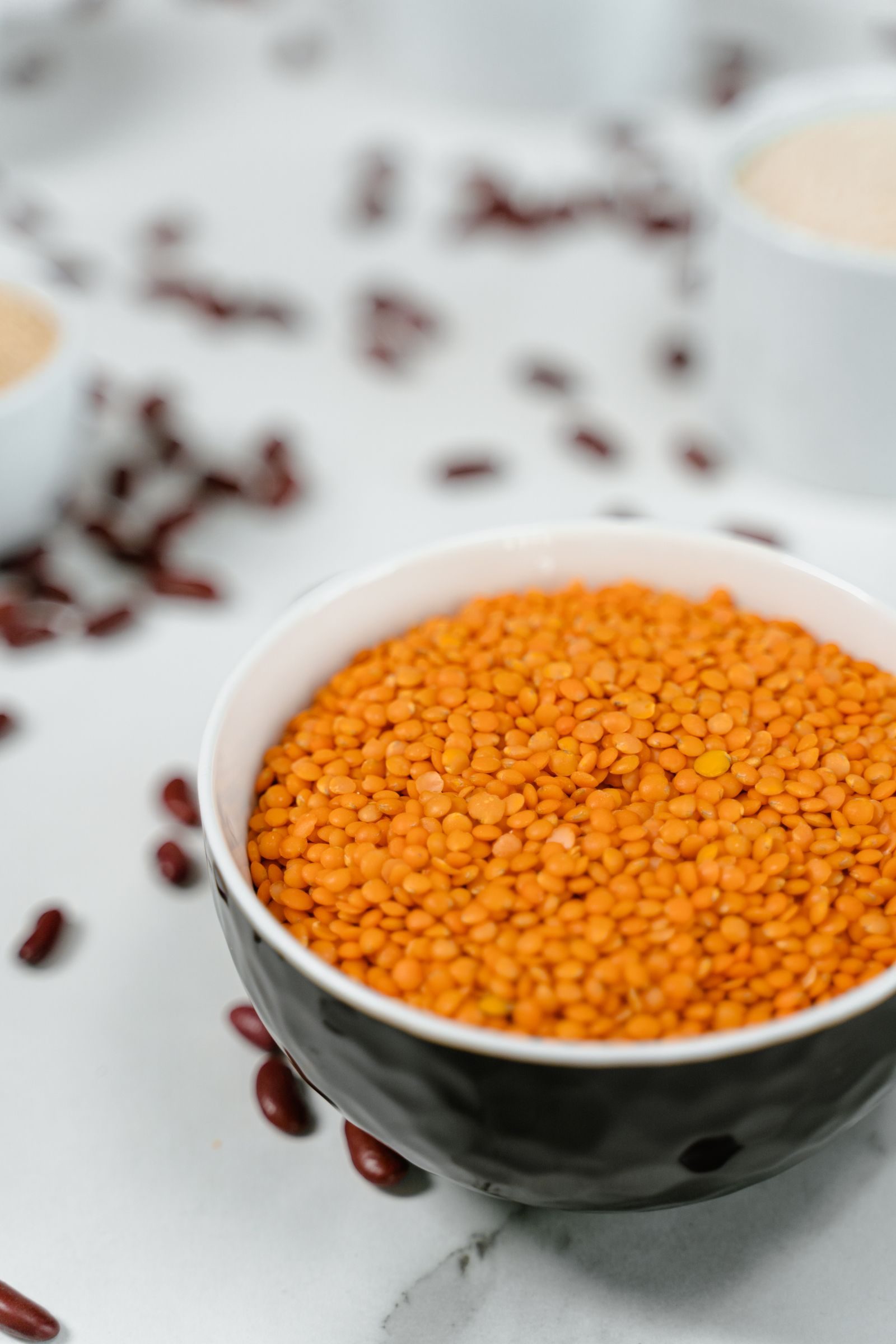
Food touches the same nutrients that the pill draws on. A review published in 2013 gathered the data showing that taking oral contraceptives goes along with a drop in several vitamins and minerals in the body: folate (B9), riboflavin (B2), pyridoxine (B6), cobalamin (B12), vitamin C, vitamin E, as well as magnesium, selenium and zinc. Folate is found mainly in leafy green vegetables such as spinach and kale, and in legumes such as lentils and chickpeas. Vitamin B6 comes from bananas, chickpeas and fish.
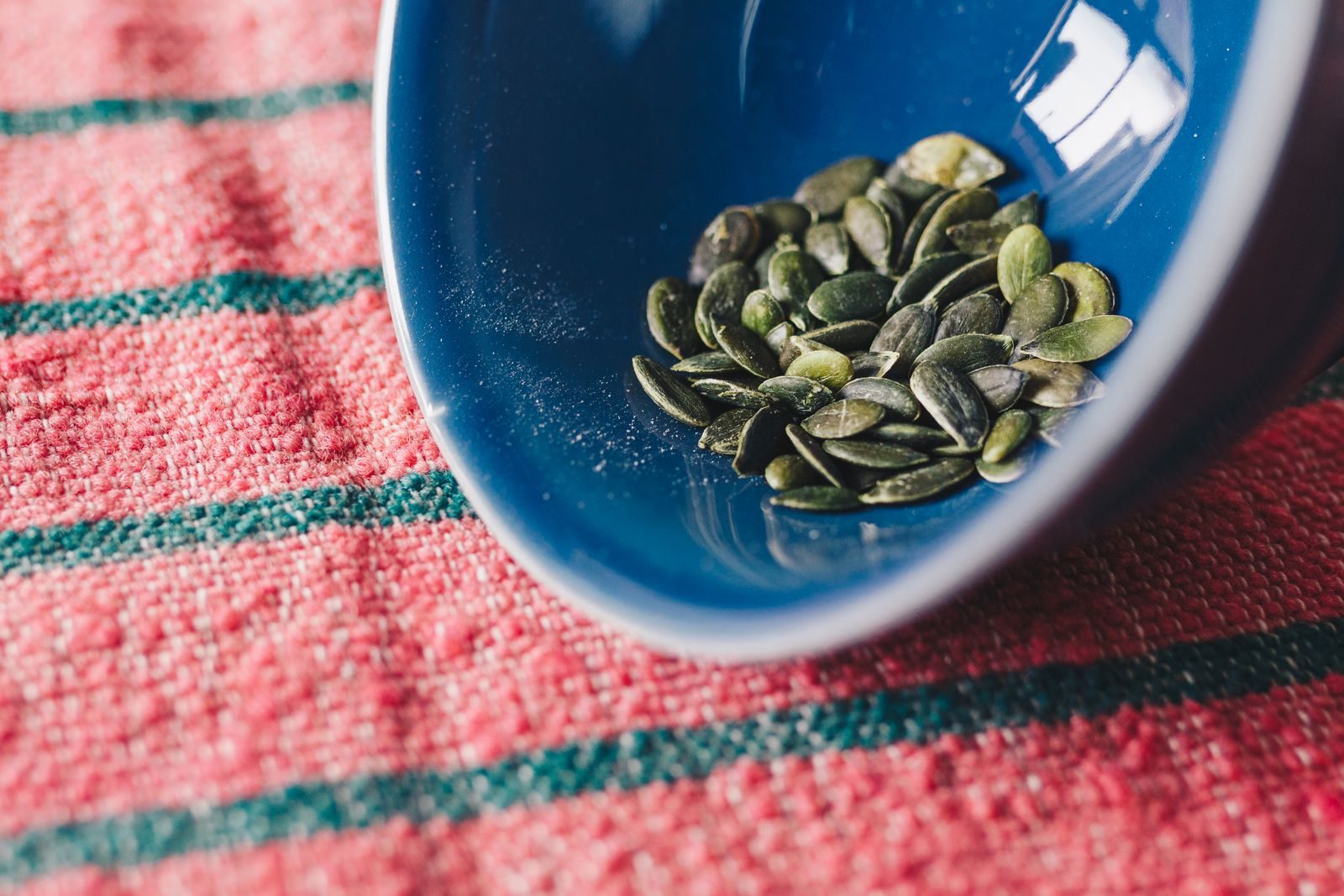
Magnesium is concentrated in nuts, almonds, pumpkin seeds and dark chocolate; zinc in pumpkin seeds, red meat and cheeses; vitamin C in oranges and berries. Folate holds a place of its own: supplementation with folic acid is advised in the months before a pregnancy to reduce the risk of a neural tube closure defect, and some combined pills are indeed fortified with it. When the plate varies little and the need rises, a targeted intake of B6, B9, zinc and magnesium makes sense, in addition to your treatment, never in its place.


Sources
Related molecules
To explore in the « Hormones and contraception » family and its neighbours.
See the whole « Hormones and contraception » family · Back to the atlas
Frequently asked questions
What is ethinyl estradiol and what is it used for?
Ethinyl estradiol is a synthetic estrogen found in many combined birth control pills, most often paired with a progestin. The exact indication for your product is set out in its package leaflet. For any question about your situation, speak to your doctor or your pharmacist.
What are the side effects of ethinyl estradiol?
Package leaflets list, among others, headaches, nausea, breast tenderness, bloating, mood changes and irregular bleeding. The full list and the rare effects appear in your pill's leaflet. If an effect is troublesome or unexpected, talk to your doctor or your pharmacist.
Does ethinyl estradiol cause weight gain?
Weight gain is among the effects sometimes reported, without a clear cause-and-effect link being established. If your weight worries you, raise it with your doctor, who can review your contraception with you. See also the side effects section of the package leaflet.
What medications interact with ethinyl estradiol?
Certain enzyme inducers (for example rifampicin, some antiepileptics) can reduce contraceptive effectiveness, and several antivirals are even contraindicated. Do not combine any treatment, including St John's wort, without checking first. Always mention your pill to any healthcare professional and check the interactions section of the package leaflet.
What should you do if you miss an ethinyl estradiol pill?
What to do depends on how long it has been past your usual time and on where the tablet falls in the pack: the leaflet spells out exactly the steps to follow and the possible need for a backup method or emergency contraception. If in doubt, call your pharmacist or your doctor without delay.
What are the contraindications and risks of ethinyl estradiol?
Combined pills are not recommended in several situations, notably a history of blood clots (phlebitis) or embolism, certain cancers, particular types of migraine, or smoking beyond a certain age, because of the vascular risk. Only your doctor can assess your profile; the full list of contraindications is given in the package leaflet.
Can you take ethinyl estradiol while pregnant or breastfeeding?
Estrogen-progestin contraception is not meant to be used during pregnancy, and breastfeeding is subject to specific precautions. If you are or think you may be pregnant, or if you are breastfeeding, stop and consult your doctor. See the pregnancy and breastfeeding section of the package leaflet.
Can you drink alcohol while taking ethinyl estradiol?
The package leaflet does not describe a major direct interaction between alcohol and ethinyl estradiol. Moderate consumption is nonetheless preferable. For advice suited to your situation, ask your doctor or your pharmacist.
Are generic ethinyl estradiol pills all the same?
Combined pills differ in their estrogen dose and in the type of progestin they contain, which affects tolerability and risk profile. A generic contains the same active ingredient as the reference brand. Any change should be decided with your doctor or your pharmacist, never on your own.
Can the ethinyl estradiol pill affect certain nutrients?
A review published in the European Review for Medical and Pharmacological Sciences (Palmery et al., 2013) links oral contraception to an altered status in folate, vitamin B6 and magnesium in some users. This is an observed association, not a systematic deficiency: a blood test, if your doctor considers it useful, remains the only way to establish your own situation objectively.
Which nutrients and which forms to consider when taking this contraceptive?
In light of that same review (Palmery et al., 2013), the three nutrients to know about are folate, vitamin B6 and magnesium. As for well-absorbed forms, the ones to keep in mind are folate as methylfolate (5-MTHF), vitamin B6 as pyridoxal-5-phosphate and magnesium as bisglycinate. Our CO01 product is built around this contraception angle.
Should you monitor blood levels while on the pill?
Nothing is routine. If checking folate, vitamin B6 or magnesium makes sense in your case, it is your doctor who orders and interprets the tests. A varied diet (leafy greens for folate, nuts and legumes for magnesium) is a helpful complement to this attention.
Ces réponses portent sur le volet nutritionnel. Pour toute question sur votre médicament, la notice et votre médecin ou pharmacien font foi.