Propranolol
beta-blocker
Our referenceBy the Layer Nutrition editorial team · How the atlas classifies the 664 molecules
What this medicine is for
Propranolol belongs to the « beta-blocker » category. Beta-blockers slow and relieve the heart and lower blood pressure. They are never stopped abruptly.
In the case of Propranolol, this means: Slows the heart and lowers blood pressure. It is most often a maintenance treatment, taken at regular times over long periods; its benefit is judged over time, not by how you feel on the day.
Under which brands it is found
In France, about 7 reimbursable presentations containing Propranolol are recorded. It comes under various trade names and in generic form.
- Hemangiol
- Karnodyl
- Propranolol Accord
- Propranolol Acetlab
- Propranolol Arrow
- Propranolol Biogaran
- Propranolol Teva
Generics and the original brand are equivalent for the active substance; only the appearance, the name or the excipients may differ.
Our product for this treatment
Propranolol is one of the everyday treatments for which we have formulated a targeted supplement.

Layer Nutrition Beta-Blockers
Melatonin helps you fall asleep faster. Magnesium and vitamin B6 help you reduce tiredness during the day.
- Contributes to the reduction of time taken to fall asleep (melatonin 1 mg, at bedtime)
- Contributes to the reduction of tiredness (magnesium, vitamin B6)
- Contributes to normal muscle function and to the normal functioning of the nervous system (magnesium)
Melatonin 1 mg · Magnesium 100 mg · B6 1.4 mg
One bottle, one dose per day. Reduced price from the second box, free delivery from two boxes.
How propranolol works
Propranolol belongs to the beta-blocker family. It is a non-selective beta-blocker: it blocks both beta-1 and beta-2 adrenergic receptors, and it also has membrane-stabilising properties that contribute to its antiarrhythmic effect. The heart's beta-1 receptors are normally activated by adrenaline and noradrenaline. By blocking them, propranolol slows the heart rate and reduces the force of contraction, which lowers the heart's workload.
Beta-1 receptors also control the release of renin by the kidney. By blocking them, propranolol lowers renin and, through this pathway, contributes to the fall in blood pressure. Because it is not cardioselective, it also acts on beta-2 receptors, found notably in the bronchi. This blockade can trigger bronchospasm, which is why propranolol remains contraindicated in asthma or a history of bronchospasm.
Why it is prescribed
Propranolol has many approved indications. It treats hypertension and angina, prevents migraine, and is used in obstructive hypertrophic cardiomyopathy as well as in the period following a heart attack. It is also used in the management of phaeochromocytoma, in combination, and in essential tremor and infantile haemangioma. This broad list explains why the same medicine is prescribed in very different settings.
These situations seem far apart, but they share the same lever: reducing the overdrive of the adrenergic system. By slowing the heart and dampening the response to adrenaline, propranolol eases a heart short of oxygen, calms a tremor sustained by nerve stimulation and cuts part of the signal that feeds certain migraines. Depending on the indication, it is prescribed to control a day-to-day symptom or to prevent a cardiovascular event.
Taking it day to day
Propranolol comes as immediate-release tablets, prolonged-release capsules, an oral solution and an injectable form. Its absorption from the gut is almost complete, but its bioavailability does not exceed 20 to 30%, because the liver destroys a large part of it on first pass. The liver metabolises it via the CYP2D6 and CYP1A2 enzymes, and more marginally CYP2C19. Its half-life ranges from 3 to 6 hours for the immediate-release form and can reach 10 hours for the prolonged-release form.
Taking the tablet with a meal slightly increases its bioavailability, by reducing hepatic first-pass clearance. Regularity matters more than the exact time: a treatment taken each day at the same moment maintains a steady effect. A beta-blocker should never be stopped on one's own initiative, because abrupt withdrawal can revive the symptoms the treatment was containing. Any dose change is decided with the doctor who follows the treatment.
The effects to know about
Some effects appear fairly often. Sleep is frequently affected: difficulty falling asleep and nightmares are among the effects classified as common in the summary of product characteristics. Also found there are bradycardia, cold extremities that may progress to Raynaud's phenomenon, along with tiredness and weariness. These effects stem directly from the medicine's mode of action, which slows the heart and lowers adrenergic tone.
Digestive disturbances, nausea, vomiting and diarrhoea, remain uncommon. More rarely occur hallucinations, confusion, mood disorders, orthostatic hypotension, heart block or bronchospasm. Depression and hypoglycaemia are reported at an undetermined frequency. This last point calls for attention in people with diabetes: propranolol can mask the signs of hypoglycaemia, in particular tachycardia, prolong the response to insulin, and beta-blockers can also raise blood sugar.
Interactions and monitoring
Several combinations call for caution. With verapamil or diltiazem, two calcium channel blockers, the risk of severe hypotension, bradycardia and cardiac failure rises markedly. Anti-inflammatories such as ibuprofen or indometacin reduce the blood-pressure-lowering effect. Rizatriptan sees its exposure climb by 70 to 80%, which requires reducing its dose, while sympathomimetics such as adrenaline counter the action of the beta-blocker.
Propranolol is contraindicated in asthma or bronchospasm, bradycardia, cardiogenic shock, hypotension, second- or third-degree atrioventricular block, sick sinus syndrome, uncontrolled heart failure or Prinzmetal's angina. Stopping clonidine while on a beta-blocker can trigger a surge of rebound hypertension, which imposes a precise order for withdrawing the treatments. Monitoring watches the heart rate and pressure, and remains attentive in people exposed to hypoglycaemia.
On the plate
Propranolol acts beyond the heart. By blocking adrenergic signalling to the pineal gland, beta-blockers lower the night-time production of melatonin, the hormone that prepares sleep. This gland lies outside the barrier that protects the brain, so the blockade reaches it even with molecules that penetrate the nervous system little. This sheds light on a frequent complaint during treatment: lighter sleep and less restorative nights. A randomised controlled trial in hypertensive patients on a beta-blocker showed that melatonin supplementation each evening lengthened sleep time by about 37 minutes and improved its efficiency, without tolerance or rebound insomnia on stopping.
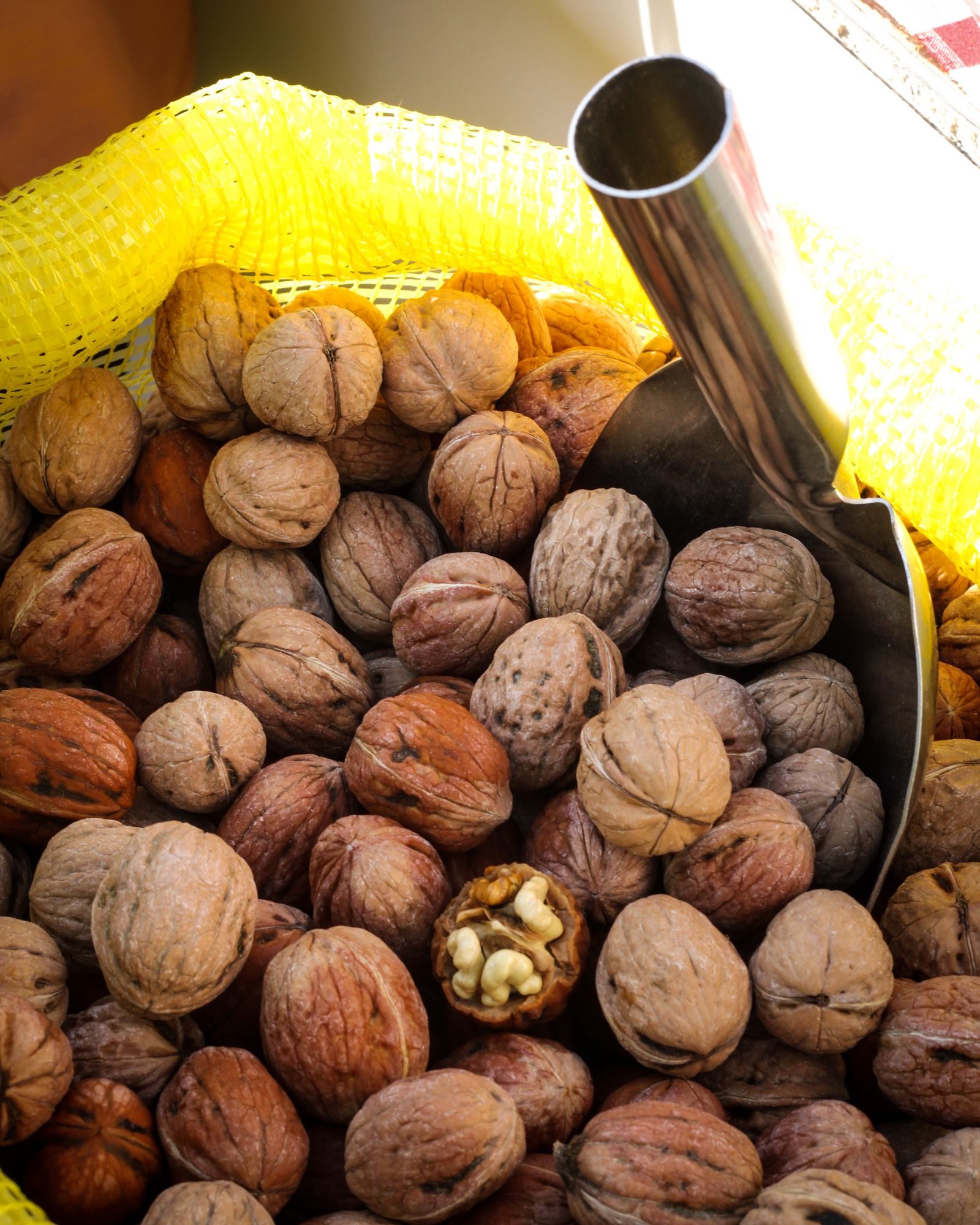
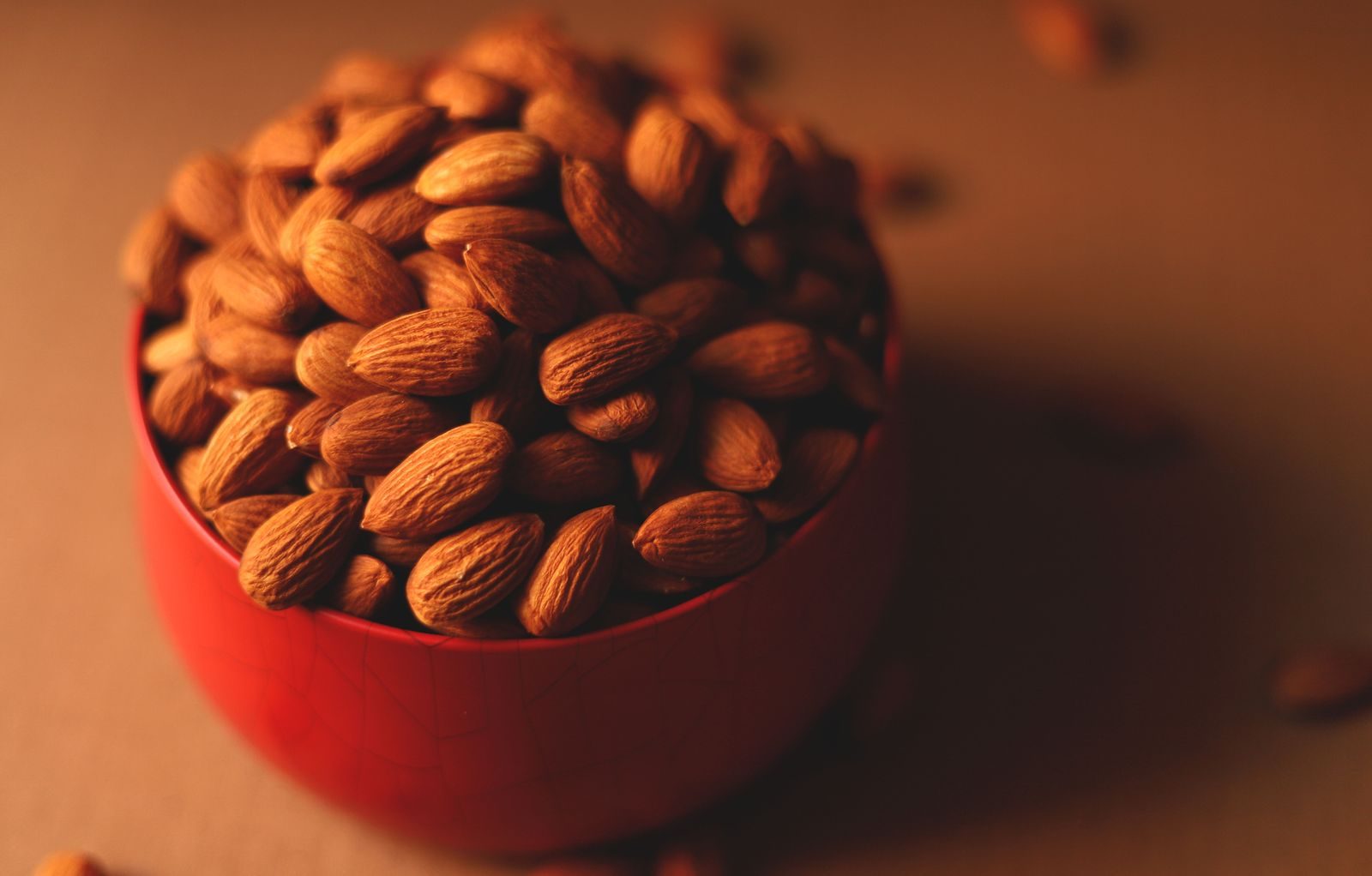
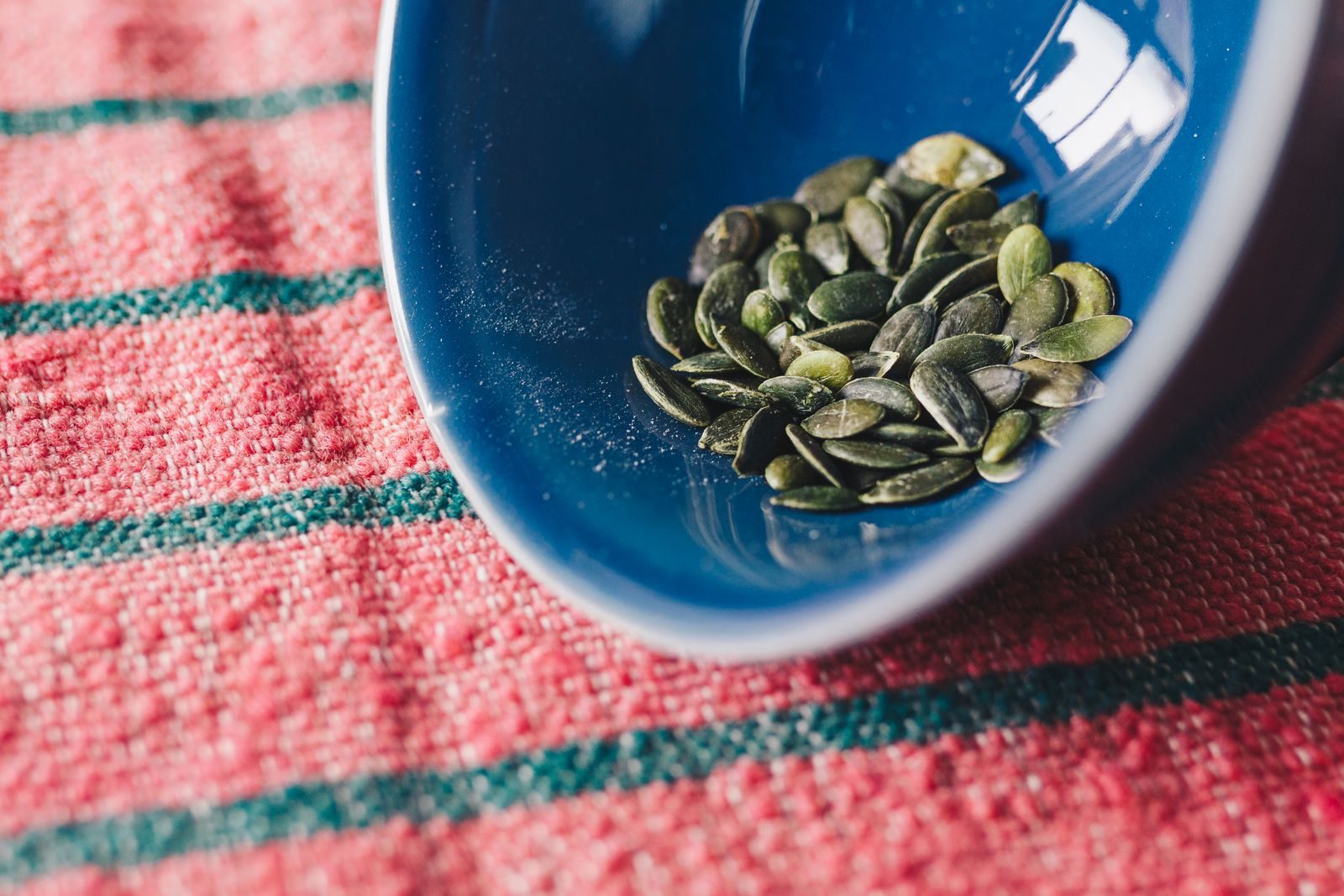
The body makes melatonin from tryptophan, an amino acid supplied by food, found in walnuts, almonds and pumpkin seeds. These same foods provide magnesium, as do oats and whole grains, and a banana readily rounds off an evening meal. But melatonin itself exists only in trace amounts in food, and the body normally produces most of it. When the beta-blocker curbs this night-time production, the plate alone does not fill the gap, and this is where a targeted intake makes sense, in addition to your treatment, never in its place.

Sources
- Propranolol - StatPearls - NCBI Bookshelf
- Beta Blockers - StatPearls - NCBI Bookshelf
- Inderal 40 mg film-coated tablets - Summary of Product Characteristics (emc)
- Repeated Melatonin Supplementation Improves Sleep in Hypertensive Patients Treated with Beta-Blockers: A Randomized Controlled Trial
- DailyMed - Search results for propranolol hydrochloride
Related molecules
To explore in the « Heart and blood pressure » family and its neighbours.
See the whole « Heart and blood pressure » family · Back to the atlas
Frequently asked questions
What is propranolol used for?
Propranolol is a non-cardioselective beta blocker. According to the uses described in its patient leaflet, it is used for high blood pressure, certain heart rhythm disorders, migraine prevention, tremors and certain physical symptoms of anxiety such as stage fright. For the indication that concerns you, refer to the patient leaflet and to your doctor or pharmacist.
What are the most common propranolol side effects?
The patient leaflet notably mentions fatigue, a slowing of the heart rate, cold hands and feet, dizziness and sleep disturbances. These effects vary from one person to another. If an effect worries you or persists, report it to your doctor or your pharmacist.
Can you stop taking propranolol suddenly?
No: the patient leaflet advises against stopping a beta blocker abruptly, which can cause a rebound effect. Any change or discontinuation is decided with the doctor who prescribed the treatment, never on your own. If you miss a dose, ask your pharmacist for advice.
Propranolol: should you take it in the morning or at night?
The timing and frequency of doses depend on the prescribed form and the indication; propranolol can be taken with or without food. Follow the schedule indicated on your prescription and by your doctor or pharmacist, without changing it on your own.
What are the main propranolol drug interactions?
The patient leaflet flags possible interactions, notably with certain heart rhythm medicines such as verapamil or diltiazem, and with certain other treatments. Give your doctor and your pharmacist the complete list of what you take, medicines and supplements included, so they can check compatibility.
Can you drink alcohol while taking propranolol?
Drinking alcohol can heighten the blood pressure lowering effect and feelings of dizziness. To be safe, discuss alcohol with your doctor or your pharmacist based on your situation.
Propranolol and pregnancy or breastfeeding: what does the patient leaflet say?
Pregnancy and breastfeeding are among the situations that require specific medical advice before any use or continuation of the treatment. If you are pregnant, planning to be or breastfeeding, talk to your doctor first; do not change anything on your own.
Does propranolol cause weight gain?
The question comes up often and the reported experiences are mixed. Weight depends on many individual factors. If you notice a change that concerns you, raise it with your doctor or your pharmacist rather than drawing a conclusion on your own.
Can propranolol disrupt sleep or cause vivid dreams?
Sleep disturbances, insomnia and more vivid dreams are among the effects reported in the patient leaflet of certain beta blockers. If your sleep worsens, note it and talk about it with your doctor or your pharmacist before making any adjustment.
What is the link between propranolol and melatonin?
Research links beta blockers to the nighttime secretion of melatonin, the hormone that accompanies falling asleep: Stoschitzky et al. (1999) observed that propranolol inhibits the nighttime secretion of melatonin. This is the nutritional angle followed by our BB01 reference, without replacing your treatment or your doctor's advice.
What can you consider nutrition-wise with a beta blocker like propranolol?
Given the observed effect on nighttime melatonin (Stoschitzky et al., 1999), the support is built around melatonin and magnesium, the axis chosen for our BB01 reference. It is a food supplement, to be distinguished from the medicine: a discussion with your doctor or pharmacist remains the reference.
Which form of magnesium is best in this context?
Among the forms of magnesium, bisglycinate is a chelated form that is well tolerated for digestion, often combined with melatonin in the idea of an evening ritual. It is this form logic that guides the composition of BB01.
Ces réponses portent sur le volet nutritionnel. Pour toute question sur votre médicament, la notice et votre médecin ou pharmacien font foi.