Sotalol
beta-blocker
Our referenceBy the Layer Nutrition editorial team · How the atlas classifies the 664 molecules
What this medicine is for
Sotalol belongs to the category “beta-blocker”. Beta-blockers slow and relieve the heart and lower blood pressure. They are never stopped abruptly.
For Sotalol, in practice: Antiarrhythmic of the beta-blocker family. It is generally taken over the long term, within regular monitoring, and is not stopped on your own initiative.
Under which brands it is found
Sotalol is part of about 7 presentations listed in France. It is found under several brand names and as generics.
- Sotalol Arrow Lab
- Sotalol Biogaran
- Sotalol Cristers
- Sotalol Eg
- Sotalol Sandoz
- Sotalol Teva
- Sotalol Viatris
Generics and the original brand are equivalent for the active substance; only the appearance, the name or the excipients may differ.
Our product for this treatment
Sotalol is among the everyday treatments for which we have formulated a targeted supplement.

Layer Nutrition Beta-Blockers
Melatonin helps you fall asleep faster. Magnesium and vitamin B6 help you reduce tiredness during the day.
- Contributes to the reduction of time taken to fall asleep (melatonin 1 mg, at bedtime)
- Contributes to the reduction of tiredness (magnesium, vitamin B6)
- Contributes to normal muscle function and to the normal functioning of the nervous system (magnesium)
Melatonin 1 mg · Magnesium 100 mg · B6 1.4 mg
One bottle, one dose per day. Reduced price from the second box, free delivery from two boxes.
How sotalol works
Sotalol is what is called a non-cardioselective beta-blocker: it blocks both the beta-1 and beta-2 adrenergic receptors, the ones through which adrenaline speeds up and strengthens the heart. By occupying them, it slows the heart rate and dampens electrical conduction, which corresponds to the class II effect in the Vaughan-Williams classification. This first action calms a heart that beats too fast and reduces the muscle's sensitivity to surges of adrenaline.
Sotalol has a second action, less common among beta-blockers, which defines its class III. It blocks the rapid delayed rectifier potassium current, called IKr, carried by the Kv11.1 channel (also known as HERG). By slowing the exit of potassium from the cells, it lengthens the duration of the action potential and the effective refractory period in the atrium, the Purkinje fibres and the ventricle. This prolonged repolarisation appears on the electrocardiogram as a lengthened QT interval: it carries the drug's antiarrhythmic effect, but also explains its risk of torsades de pointes.
Why it is prescribed
Sotalol is intended for serious rhythm disorders. It treats severe ventricular tachycardias, provided they are haemodynamically stable, meaning that circulation is maintained during the episode. Its dual action, slowing the heart and lengthening the refractory period, breaks the abnormal electrical circuits that sustain these dangerous accelerations arising from the ventricles.
Its second major indication concerns the atrium: maintaining sinus rhythm, that is the normal rhythm, in patients who have already experienced symptomatic atrial fibrillation or flutter. Once regular rhythm is restored, sotalol aims to prevent the arrhythmia from returning. In both cases, this is a long-term treatment that the cardiologist starts and adjusts with care, often under hospital monitoring at the outset.
How to take it day to day
Sotalol is very well absorbed by mouth, with a bioavailability of 90 to 100 %. A standard meal does, however, reduce its absorption by about 20 % compared with taking it on an empty stomach. The rule is therefore consistency: always take it the same way, either always with food or always without, and at regular times. Antacids based on aluminium and magnesium hydroxide lower its peak concentration by about 26 % and its exposure by about 20 %, so they should be separated from the dose by at least 2 hours.
The elimination half-life of sotalol is about 12 hours, which explains the usual twice-daily dosing, morning and evening. The drug is not transformed by the liver and does not bind to blood proteins: it leaves the body almost entirely through the kidney, unchanged. This elimination route means the dose must be reduced when kidney function declines. One point is worth remembering: you do not stop sotalol on your own initiative, because abruptly interrupting a beta-blocker can destabilise the heart; any change goes through the doctor.
The effects to know about
The most common effects stem from the slowing of the heart and the beta-blocking action. In trials conducted at doses of 160 to 240 mg per day and compared with a placebo, fatigue affects 19.6 % of patients versus 8.5 %, and dizziness 16.3 % versus 12.4 %. Bradycardia, that is an abnormally slow pulse, concerns 13.1 % of patients versus 2.5 %, and shortness of breath 9.2 % versus 7.4 %. Digestive disturbances are also frequent: nausea or vomiting in 7.8 % of patients versus 5.3 %, and diarrhoea in 5.2 % versus 2.1 %.
The most feared effect is torsades de pointes, a ventricular rhythm disorder linked to QT prolongation. Its risk depends closely on the dose: it remains about 0.3 % at doses of 320 mg per day or less, but climbs to 3.2 % above 320 mg per day in patients treated for atrial fibrillation or flutter. It is to control this risk that treatment is started gradually, under electrocardiogram monitoring, and that the dosage is adjusted carefully.
On the plate
Two minerals take centre stage with sotalol, because they weigh directly on the risk of rhythm disorder. A low level of potassium (hypokalaemia) or magnesium (hypomagnesaemia) worsens QT prolongation and increases the risk of torsades de pointes. This is why these levels are corrected before starting treatment, then monitored afterwards: the target is potassium above 4 mEq/L and magnesium above 2 mEq/L, and a potassium level below this threshold contraindicates initiation. Maintaining a good status in these two minerals is therefore part of the ground on which the treatment rests.
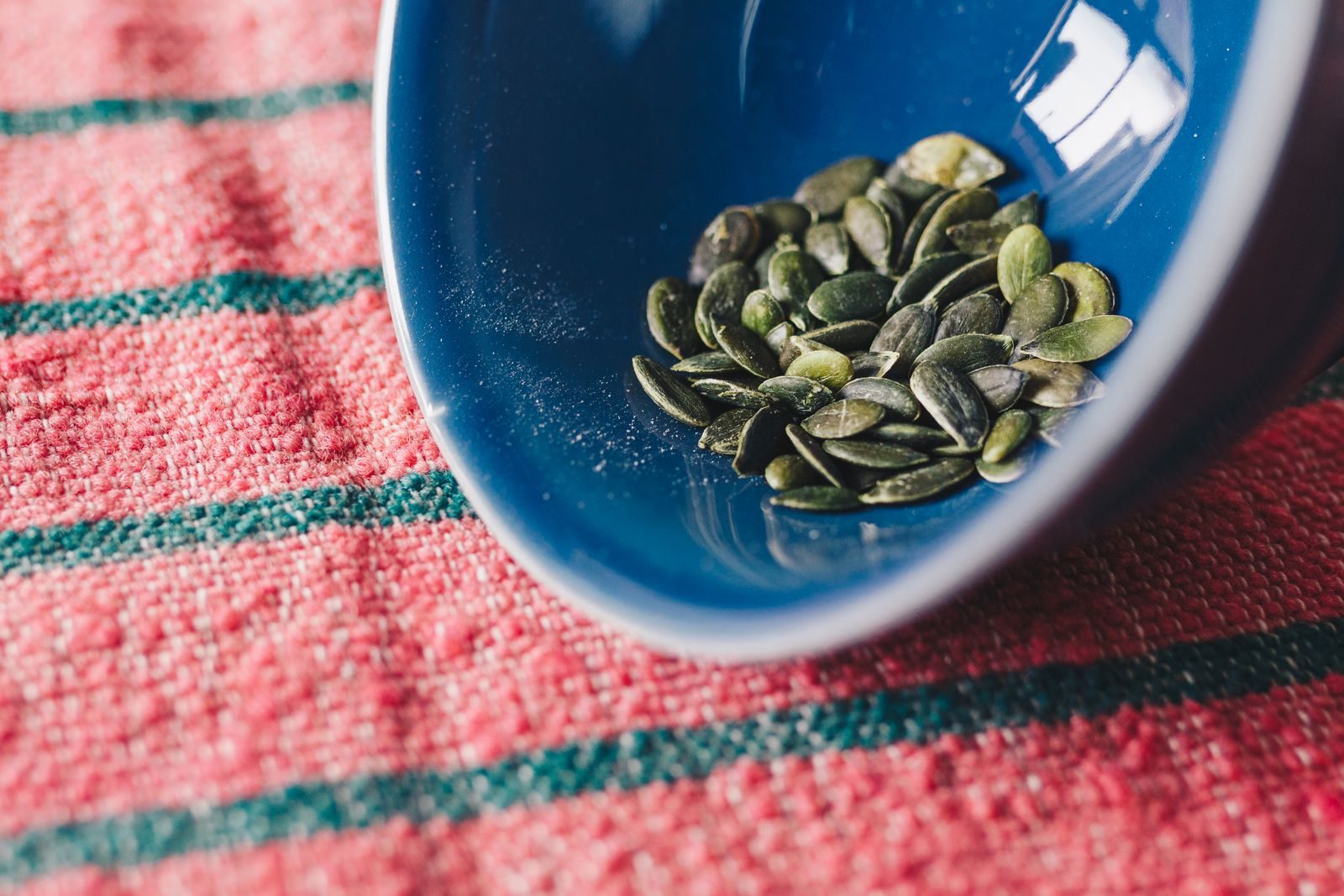
The diet naturally contributes to this status. Potassium is abundant in bananas, spinach, sweet potato, dried apricots and legumes. Magnesium is found in pumpkin seeds, almonds, spinach again, dark chocolate and whole grains. These dietary intakes support the intended balance, without ever replacing blood tests or treatment. When daily intake remains irregular or insufficient, a targeted magnesium supplement makes sense, in addition to your treatment and never in its place.



Interactions and monitoring
Sotalol does not like the company of other drugs that prolong the QT: combining it with numerous antiarrhythmics, with certain phenothiazines, with tricyclic antidepressants and with certain macrolides is not recommended, because the effects add up on repolarisation. Digoxin and calcium channel blockers can compound their action with its own on atrioventricular conduction and heart rate. Stopping clonidine while a beta-blocker is ongoing exposes the patient to a rebound rise in blood pressure. In diabetics treated with insulin or antidiabetic drugs, sotalol can mask the signs of hypoglycaemia and alter glycaemic control.
Monitoring is organised around two measurements. Creatinine clearance, calculated before the first dose, governs the dosage: two doses a day if it exceeds 60 mL/min, a single dose between 40 and 60 mL/min, and a contraindication below 40 mL/min. The electrocardiogram monitors the QT interval: sotalol is not started if the baseline QTc exceeds 450 ms, and if the QT reaches 500 ms or more during treatment, the dose is reduced or the drug stopped. Added to this is the monitoring of blood potassium and magnesium, corrected before initiation then followed throughout the duration of treatment.
Sources
Related molecules
To explore in the « Heart and blood pressure » family and its neighbours.
See the whole « Heart and blood pressure » family · Back to the atlas
Frequently asked questions
What is sotalol used for?
Sotalol is a beta-blocker that also has antiarrhythmic properties, prescribed to control certain heart rhythm disorders. To know the exact indication that applies to you, refer to the leaflet in your pack and to your doctor or pharmacist.
What are the side effects of sotalol?
The leaflet lists in particular dizziness, fatigue, headaches, a slowing of the heart rate and sometimes digestive problems. These effects vary from one person to another, and any bothersome or persistent symptom should be reported to your doctor or pharmacist.
What are the drug interactions with sotalol?
Sotalol can interact with other medicines that affect heart rhythm or blood pressure, which calls for particular caution. Tell your doctor or pharmacist about all your treatments, including those sold without a prescription, and refer to the leaflet for the full list.
Should sotalol be taken before or after food?
The leaflet notes that taking it with a meal, particularly with dairy products, can reduce the absorption of sotalol, which is why it is advised to take it away from meals. For the timing suited to your treatment, follow the instructions in your leaflet and from your doctor or pharmacist.
What should I do if I miss a dose of sotalol?
The leaflet generally advises taking the missed dose as soon as possible, without ever doubling the next dose to make up for it. If you are unsure what to do, ask your pharmacist or doctor for advice.
Can you stop taking sotalol suddenly?
The leaflet advises against abruptly stopping a beta-blocker like sotalol, because a sudden halt can trigger cardiac reactions. Any change or discontinuation should be decided and supervised by your doctor, often with a gradual reduction.
Sotalol and pregnancy or breastfeeding: what does the leaflet say?
Sotalol crosses the placental barrier and passes into breast milk, so its use during pregnancy or breastfeeding is a case-by-case decision. If you are pregnant, planning to become pregnant or breastfeeding, talk to your doctor and read the leaflet.
Can you drink alcohol while taking sotalol?
Alcohol can heighten the dizziness and the drop in blood pressure sometimes linked to sotalol. For advice suited to your situation, refer to the leaflet and ask your doctor or pharmacist.
Sotalol Biogaran, EG, Sandoz: is it the same medicine?
These names refer to generic versions built on the same active substance, sotalol hydrochloride. If you have a question about a change of brand or presentation, your pharmacist is the person to ask, and the leaflet in the pack remains the reference.
Can sotalol disrupt sleep?
Research has linked beta-blockers to a decrease in the nighttime secretion of melatonin, the hormone that accompanies falling asleep (Stoschitzky et al., 1999). Some people on a beta-blocker choose to raise the subject with their doctor when their sleep worsens.
Melatonin and sotalol: what is the value on the nutrition side?
Since research links beta-blockers to lower nighttime melatonin production (Stoschitzky et al., 1999), melatonin is the nutrient many people look at first on the sleep side. Our BB01 reference, designed for the beta-blocker class, is built precisely on this layer to add to your daily routine.
And magnesium, where does it fit with a beta-blocker like sotalol?
Magnesium, in a well-tolerated form such as bisglycinate, is one of the nutrients readily considered to support sleep and muscle relaxation. It is the other line our BB01 reference builds on, alongside melatonin, as a nutritional layer on top of the treatment, never in its place.
Ces réponses portent sur le volet nutritionnel. Pour toute question sur votre médicament, la notice et votre médecin ou pharmacien font foi.