Cefpodoxime
antibiotic · cephalosporin
Third-party optionBy the Layer Nutrition editorial team
What this medicine is for
Céfpodoxime est un médicament de la catégorie « antibiotique (céphalosporine) ». Les antibiotiques traitent les infections dues à des bactéries. Ils se prennent en cure, sur une durée définie, jusqu'au bout de la prescription.
Concrètement, pour Céfpodoxime : Traite une infection bactérienne. Il s'emploie plutôt de façon ponctuelle ou en cure courte, le temps de passer un épisode.
Under which brands it is found
In France, about 18 reimbursable presentations containing Cefpodoxime are recorded. It comes under various trade names and in generic form.
- Cefpodoxime Arrow Enfants Et Nourrissons
- Cefpodoxime Arrow Lab
- Cefpodoxime Biogaran
- Cefpodoxime Biogaran Enfants Et Nourrissons
- Cefpodoxime Cristers Pharma
- Cefpodoxime Eg
- Cefpodoxime Eg Enfants Et Nourrissons
- Cefpodoxime Sandoz
- and other presentations
Generics and the original brand are equivalent for the active substance; only the appearance, the name or the excipients may differ.
On your plate: potassium
On cefpodoxime, diarrhea and vomiting are among the possible effects. When they are marked, they cause a loss of water and electrolytes, and severe or prolonged diarrhea can lower the potassium in the blood, with muscle weakness and heart rhythm disturbances. Food helps rebuild these reserves, alongside your treatment.
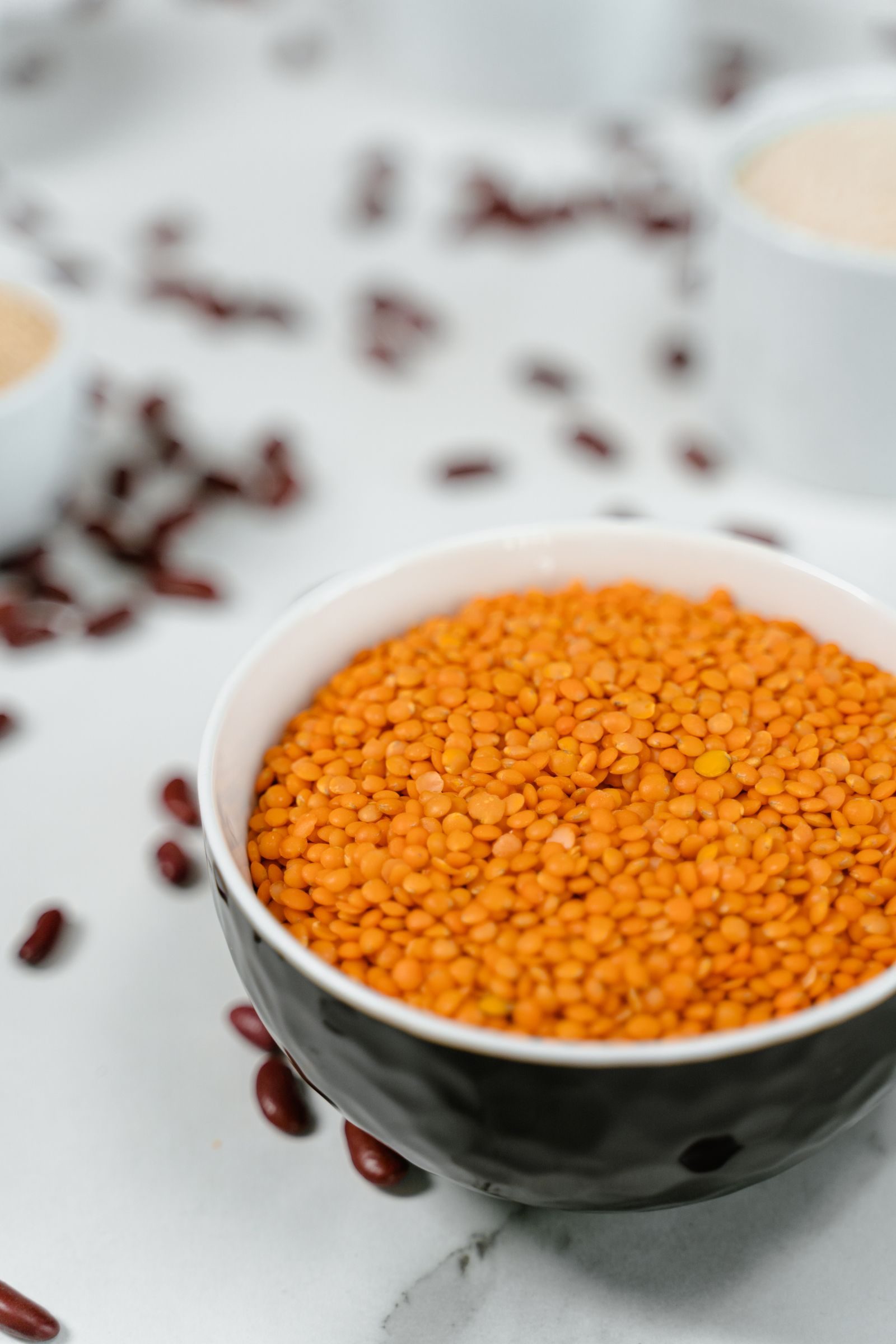
Potassium is concentrated in many everyday plant foods: the banana and dried apricots, the potato and the sweet potato, lentils and beans, the tomato. These foods are easy to spread across the day's meals and cover a good share of your needs.
Other sources round out the intake: salmon and sardines, yogurt, nuts, and citrus fruits. During an episode of diarrhea, it remains useful to drink enough to make up for the water lost, while relying on these foods rich in potassium to rebuild the electrolytes.



How cefpodoxime works
Cefpodoxime is a bactericidal antibiotic, a third-generation cephalosporin given by mouth. It works by preventing the building of the bacterial wall. To do this, it binds to the penicillin-binding proteins (PBPs), the enzymes that assemble peptidoglycan, the rigid framework of that wall. By blocking the transpeptidation step, it stops the bacterium from building its envelope, which causes it to die.
Bacteria can resist it through three main routes. Some produce beta-lactamases, enzymes that hydrolyze the antibiotic before it can act. Others alter their penicillin-binding proteins, the very target of the drug. Still others reduce the permeability of their wall, which limits the molecule from entering. The decision to prescribe cefpodoxime therefore depends on the susceptibility of the causative germ.
Why it is prescribed
Cefpodoxime treats specific bacterial infections caused by susceptible germs. In the ENT and respiratory sphere, it is indicated for acute otitis media, pharyngitis or tonsillitis, sinusitis, community-acquired pneumonia, and exacerbation of bronchitis. These situations share bacteria that the molecule can reach at an effective concentration.
It also covers certain skin infections, uncomplicated urinary tract infections, and uncomplicated gonorrhea. In each case, its effectiveness rests on the susceptibility of the responsible bacterium, which the physician assesses before prescribing. It is this evaluation that distinguishes a useful prescription from a treatment with no effect.
How to take it day to day
The chosen form changes the way the medicine is taken. Cefpodoxime proxetil tablets are taken with food, because the meal improves their absorption. The oral suspension, on the other hand, can be taken regardless of meals: in people who have eaten, the area under the curve and the peak plasma level do not differ significantly from those measured on an empty stomach. The molecule is then eliminated mostly by the kidneys, with 29 to 33 percent of the dose recovered unchanged in the urine.
The elimination half-life is about 3.3 hours in a healthy person and can reach 4.2 hours in the elderly. It lengthens to 5.9 hours in moderate renal insufficiency and up to 9.8 hours in severe impairment. Doses are usually spread every 12 hours, which maintains an active concentration between two doses. Keeping to the schedule and completing the full course, without stopping it on one's own as soon as improvement appears, limits the risk of relapse and resistance.
The effects to know about
In adults, multidose studies place diarrhea at 7 percent, nausea at 3.3 percent, vulvovaginal infections at 1.3 percent, abdominal pain at 1.2 percent, vaginal fungal infections at 1 percent, and headache at 1 percent. Vomiting, rash, and hives occur in fewer than 1 percent of the people treated.
In children, diarrhea reaches 6 percent, and up to 12.8 percent in infants and young children. Diaper or fungal rash affects 2 percent of children, and up to 8.5 percent in the youngest, while vomiting affects 2.3 percent. As with almost all antibiotics, diarrhea due to Clostridioides difficile can appear, ranging from a mild form to a potentially fatal pseudomembranous colitis, and warrants prompt medical advice.
Interactions and monitoring
Certain medicines change the absorption of cefpodoxime in tablet form. High-dose antacids (sodium bicarbonate, aluminum hydroxide) and H2 blockers reduce its peak plasma level by 24 to 42 percent and its absorption by 27 to 32 percent: it is therefore best to space their intake from that of the antibiotic. Conversely, probenecid increases the area under the curve of cefpodoxime by about 31 percent and its peak by about 20 percent, by slowing its renal tubular secretion.
When cefpodoxime is combined with medicines of known nephrotoxic potential, monitoring of kidney function is advised. Unlike certain cephalosporins carrying an N-methyl-thiotetrazole side chain (cefamandole, cefotetan, cefoperazone, moxalactam), cefpodoxime does not have one: it is therefore not linked to the vitamin K-related hypoprothrombinemia or to the disulfiram-like effect described for those molecules.
Sources
Related molecules
To explore in the « Anti-infectives » family and its neighbours.
See the whole « Anti-infectives » family · Back to the atlas
Supplements to consider
Beyond the plate, a single isolated nutrient can be worth discussing, to confirm with your doctor or pharmacist. Here is which one and in which form.
Probiotics
Probiotics are live micro-organisms, mainly lactobacilli and bifidobacteria. The CFU count and the number of strains are among the selection criteria; gastro-resistant capsules protect the bacteria from stomach acidity.
Preferred form gastro-resistant capsules, several strains, CFU count stated
Frequently asked questions
What is cefpodoxime used for?
Cefpodoxime is an antibiotic in the cephalosporin family, prescribed for certain bacterial infections of the respiratory tract, urinary tract, ear, nose and throat, or skin. It has no effect on viral infections. For the indication that concerns you, refer to the leaflet and to your doctor or pharmacist.
What are the side effects of cefpodoxime?
The most commonly reported side effects are digestive: diarrhea, nausea and stomach upset, usually mild. Other effects are listed in the public leaflet. In case of severe or persistent diarrhea, or any unusual reaction, stop and promptly consult your doctor or pharmacist.
Does cefpodoxime interact with other medications?
Yes, several interactions are described. Antacids containing aluminum or magnesium and proton pump inhibitors can reduce its absorption, and it may increase the effect of anticoagulants. Tell your doctor or pharmacist about all your treatments, including supplements, and refer to the leaflet.
Can you take cefpodoxime while pregnant or breastfeeding?
According to public leaflets, cefpodoxime may be used during pregnancy and breastfeeding on medical advice. If the breastfed child develops digestive problems or a skin rash, it is advisable to seek medical advice. The decision rests with your doctor: discuss your situation with them before taking it.
Can you drink alcohol while taking cefpodoxime?
Public leaflets do not indicate any contraindication to moderate alcohol consumption with cefpodoxime, unlike some other antibiotics. If in doubt, or if you are taking other medications, ask your pharmacist or doctor for advice.
What to consider for gut flora during a course of antibiotics?
Like antibiotics in general, cefpodoxime can upset the balance of the gut flora and promote diarrhea. Review articles link certain probiotic strains to a reduction in this risk, in particular Saccharomyces boulardii and Lactobacillus rhamnosus GG. The active ingredient to consider is therefore a probiotic with a documented strain, in the form of capsules or sachets, taken separately from the antibiotic dose and after advice from your pharmacist.
Ces réponses portent sur le volet nutritionnel. Pour toute question sur votre médicament, la notice et votre médecin ou pharmacien font foi.