Cefepime
antibiotic · cephalosporin
Third-party optionBy the Layer Nutrition editorial team · How the atlas classifies the 664 molecules
What this medicine is for
Pharmacologically, Cefepime relates to the category “antibiotic (cephalosporin)”. Antibiotics treat infections caused by bacteria. They are taken as a course, over a set duration, until the end of the prescription.
In the case of Cefepime, this means: Treats a bacterial infection. It is used rather occasionally or as a short course, to get through an episode.
Under which brands it is found
In France, about 6 reimbursable presentations containing Cefepime are recorded. It comes under various trade names and in generic form.
- Cefepime Noridem
- Cefepime Panpharma
- Cefepime Stragen
- Cefepime Tamrisa
- Cefepime Viatris
- Exblifep
Original brand-name products and generics deliver the same active substance; the choice between them is made with your doctor or pharmacist.
On the plate: vitamin K and gut flora
Cefepime can lower prothrombin activity, and this risk grows when nutritional status is poor. Vitamin K, supplied by the diet, takes part in blood clotting. At the same time, an antibiotic disturbs the flora of the intestine, which a few simple foods help to maintain.
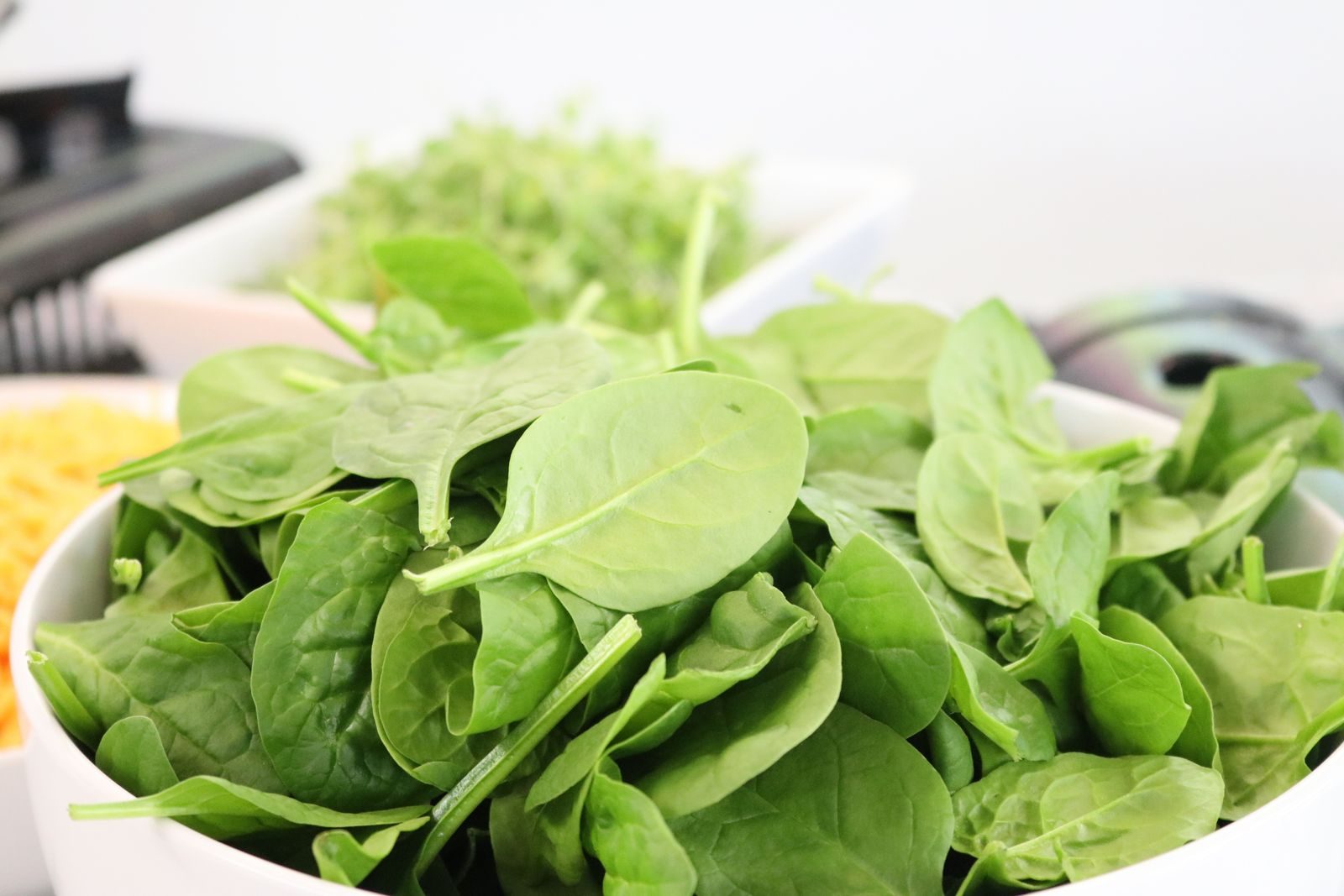
Vitamin K is concentrated in leafy green vegetables: spinach, kale, broccoli. These same vegetables provide fiber and minerals that support good nutritional status, the ground on which coagulation stays stable. Including them in meals is the most consistent way to cover these intakes.
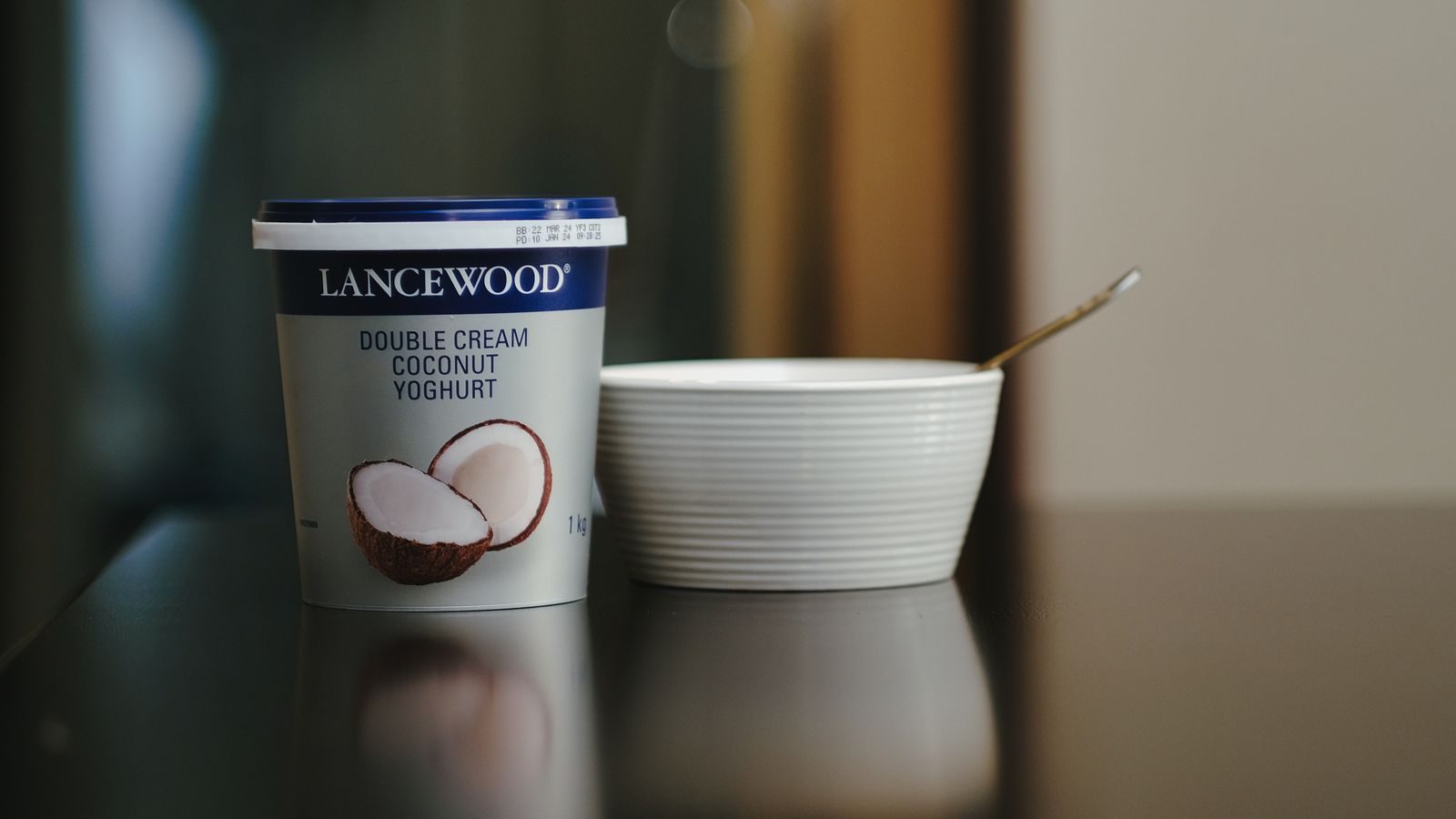
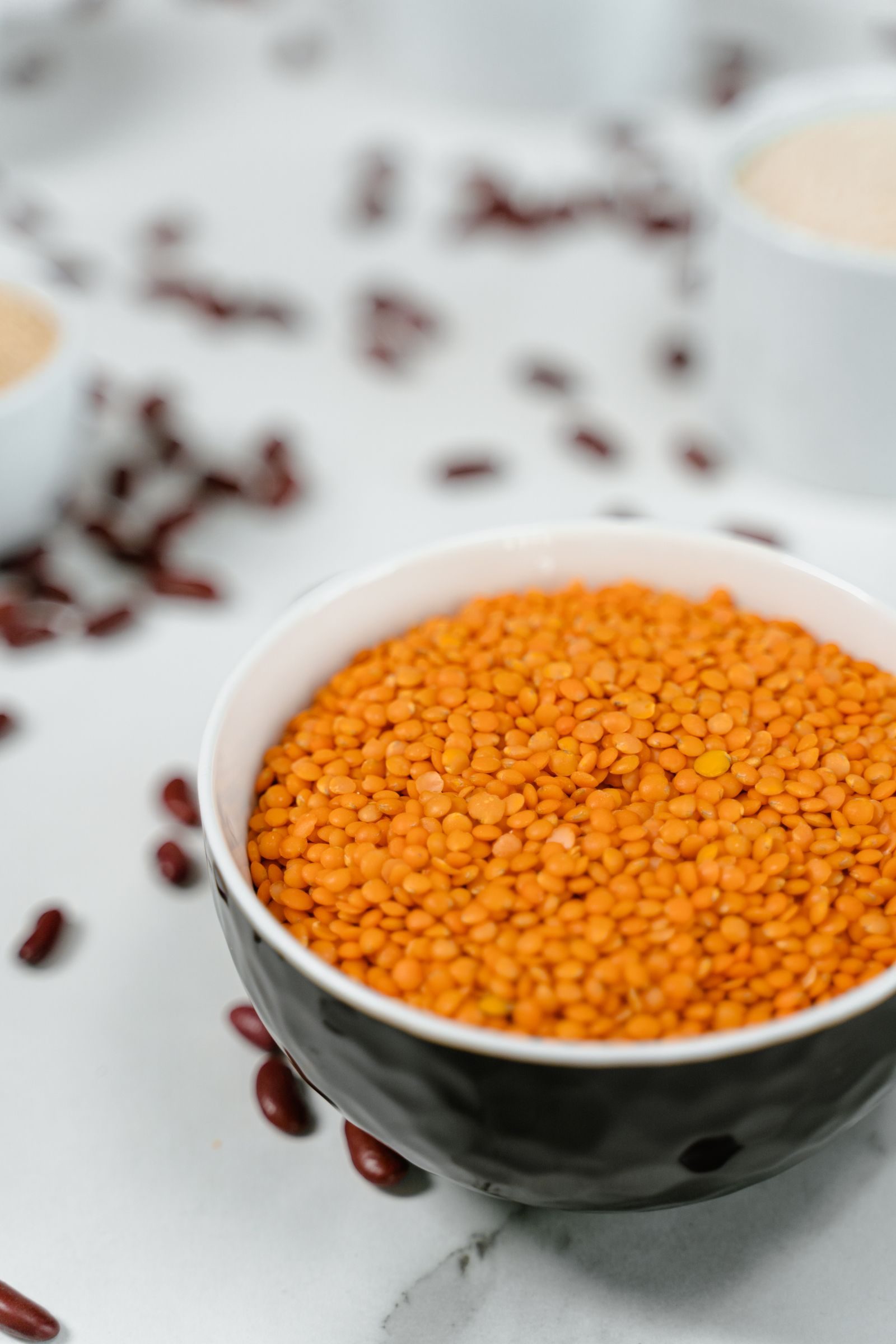
To support the gut flora disrupted by the antibiotic, rely on the fiber of legumes such as lentils, on whole grains such as brown rice, and on fermented foods such as plain yogurt. These intakes feed the bacteria of the intestine, in addition to your treatment.

How cefepime works
Cefepime belongs to the cephalosporin family and acts in a bactericidal way: it does not merely slow bacteria down, it kills them. Its target is the wall that surrounds and protects every bacterium. This wall is made of peptidoglycan, a rigid mesh that the bacterium must build continuously in order to survive and divide. By attacking its manufacture, the antibiotic strikes a vital structure.
Inside the bacterium, cefepime binds to specific targets, the penicillin-binding proteins, abbreviated as PBPs. These are the proteins that assemble the peptidoglycan. By binding to them, the antibiotic blocks the construction of the wall, so that the bacterium, deprived of its solid envelope, can no longer withstand its own internal pressure and dies. Cefepime binds only weakly to blood proteins, around 20 %, and this proportion does not vary with the dose.
Why it is prescribed
Cefepime is reserved for serious infections, often managed in hospital. It treats pneumonia, urinary tract infections including pyelonephritis, which affects the kidney itself, skin infections and complicated infections of the abdomen. In the latter case, it is combined with metronidazole to cover other bacteria that cefepime does not reach on its own.
It also holds a special place in neutropenic patients, whose immune defenses have collapsed, for example during chemotherapy. In these patients, a simple fever can herald a severe infection even before the microbe has been identified. Cefepime then serves as first-line empirical treatment, given quickly and with a broad spectrum, while the diagnosis is being clarified.
How it is given
Cefepime is not swallowed. It is given only by injection: as an infusion into a vein over about 30 minutes, or as an injection into a muscle. The usual rhythm is one administration every 8 to 12 hours. There is therefore no tablet to take and no timing linked to meals: the care team manages the schedule and the regularity, which is never changed on one's own initiative.
What happens to the drug in the body dictates a major precaution. Its half-life is short, about 2 hours in a healthy person, which justifies repeated doses. Above all, it is eliminated almost entirely by the kidney: nearly 85 % of the dose is found unchanged in the urine. When the kidneys work poorly, the drug builds up in the body, and the dose must be reduced to avoid toxic effects.
The effects to know about
Most of cefepime's effects remain uncommon and were quantified in the trials. In more than 3,000 North American patients, the most frequent abnormality was a positive Coombs test without hemolysis, in 16.2 %: a laboratory reaction that most often causes no blood disorder. A reaction at the injection site occurred in 3 % of patients, with phlebitis in 1.3 % of cases, and a skin rash in 1.1 %.
At the highest doses, 2 g every 8 hours, the figures rise a little: rash 4 %, diarrhea 3 %, nausea 2 %, then vomiting, itching, fever and headache around 1 %. On the laboratory side, a drop in phosphorus is seen in 2.8 % of patients, a rise in transaminases (ALT 2.8 %, AST 2.4 %), eosinophilia 1.7 % and coagulation tests that are sometimes prolonged (aPTT 1.6 %, prothrombin time 1.4 %). These abnormalities guide monitoring.
The warning signs
Two more serious situations deserve particular vigilance. The first is neurological: cases of encephalopathy, seizures and nonconvulsive status epilepticus have been reported, sometimes fatal. They mainly affect patients with kidney failure who received an unadjusted dose, which is a reminder of why adjustment to kidney function is central. Confusion, unusual drowsiness or abnormal movements should alert the care team.
The second situation concerns the intestine. Like any antibiotic, cefepime can upset the flora and promote Clostridioides difficile colitis, which ranges from simple diarrhea to pseudomembranous colitis, potentially fatal. This disorder can appear up to two months after the end of treatment. Persistent or severe diarrhea, even after the antibiotic is stopped, should therefore be reported without delay.
Interactions and monitoring
Certain combinations call for close monitoring. Combined with an aminoglycoside or with a powerful diuretic such as furosemide, cefepime increases the risk of kidney toxicity, which makes it necessary to check kidney function. Furthermore, like other cephalosporins, it can lower prothrombin activity, one of the pillars of coagulation. This risk grows in the event of kidney or liver failure, poor nutritional status or prolonged antibiotic treatment.
Laboratory monitoring is organized around these risks: kidney function, prothrombin time in fragile patients, with administration of vitamin K if necessary, and the Coombs test. One practical detail matters in the laboratory: cefepime can wrongly turn some urinary glucose tests positive, hence the preference for glucose oxidase methods. This framework of monitoring makes it possible to use the drug safely.
Sources
Related molecules
To explore in the « Anti-infectives » family and its neighbours.
See the whole « Anti-infectives » family · Back to the atlas
Supplements to consider
Beyond the plate, a single isolated nutrient can be worth discussing, to confirm with your doctor or pharmacist. Here is which one and in which form.
Probiotics
Probiotics are live micro-organisms, mainly lactobacilli and bifidobacteria. The CFU count and the number of strains are among the selection criteria; gastro-resistant capsules protect the bacteria from stomach acidity.
Preferred form gastro-resistant capsules, several strains, CFU count stated
Frequently asked questions
What is cefepime used for?
Cefepime is an antibiotic in the cephalosporin family, given by injection (infusion or shot) most often in a hospital setting, to treat severe bacterial infections. The precise indications and the course of treatment are set out in the package leaflet and are decided by your doctor or pharmacist.
What are the side effects of cefepime?
The package leaflet lists in particular digestive issues such as diarrhea and nausea, reactions at the injection site, allergic reactions, and neurological effects (confusion, muscle twitching), especially in cases of kidney impairment. For any question or symptom, refer to the leaflet and talk to your doctor or pharmacist.
What class of antibiotic is cefepime, and can it cause an allergic reaction?
Cefepime is a fourth-generation cephalosporin, part of the beta-lactam class. A history of allergy to penicillins or cephalosporins is important information to report before any treatment. Check the interactions and contraindications in the package leaflet and with your doctor or pharmacist.
Can cefepime cause diarrhea or upset your digestion?
Digestive issues, including diarrhea, are among the side effects described in the package leaflet, as with many antibiotics. Diarrhea that is persistent, heavy or bloody should prompt you to contact a doctor or pharmacist promptly rather than stopping the treatment on your own.
What can you take to support gut flora during an antibiotic like cefepime?
Broad-spectrum antibiotics change the balance of the gut microbiota, and studies link this effect to digestive discomfort and antibiotic-associated diarrhea. The active ingredient to consider to support your flora is a probiotic, in the form of documented strains such as the yeast Saccharomyces boulardii or lactobacilli such as Lactobacillus rhamnosus. This is a nutritional avenue, to be distinguished from the treatment itself.
Which form of probiotic should you choose, and when should you take it relative to the antibiotic?
Favor a precisely identified strain (for example Saccharomyces boulardii or Lactobacillus rhamnosus) rather than an unspecified blend, since the strain is what has been studied. The timing relative to the antibiotic and whether it is appropriate in your situation are decided with your doctor or pharmacist, who knows your treatment.
Ces réponses portent sur le volet nutritionnel. Pour toute question sur votre médicament, la notice et votre médecin ou pharmacien font foi.