Cefuroxime (axetil)
antibiotic · cephalosporin
Third-party optionBy the Layer Nutrition editorial team · How the atlas classifies the 664 molecules
What this medicine is for
Cefuroxime (axetil) belongs to the category "antibiotic (cephalosporin)". Antibiotics treat infections caused by bacteria. They are taken as a course, for a set duration, to the end of the prescription.
In the case of Cefuroxime (axetil), this means: Treats a bacterial infection. Its use is generally limited in time, adjusted to the situation.
Under which brands it is found
Cefuroxime (axetil) is found in about 7 presentations listed in France. It comes under various trade names and in generic form.
- Cefuroxime Arrow
- Cefuroxime Biogaran
- Cefuroxime Cristers
- Cefuroxime Sandoz
- Cefuroxime Viatris
- Cefuroxime Zentiva
- Zinnat
Original brand-name products and generics deliver the same active substance; the choice between them is made with your doctor or pharmacist.
On your plate: the vitamin K in green vegetables
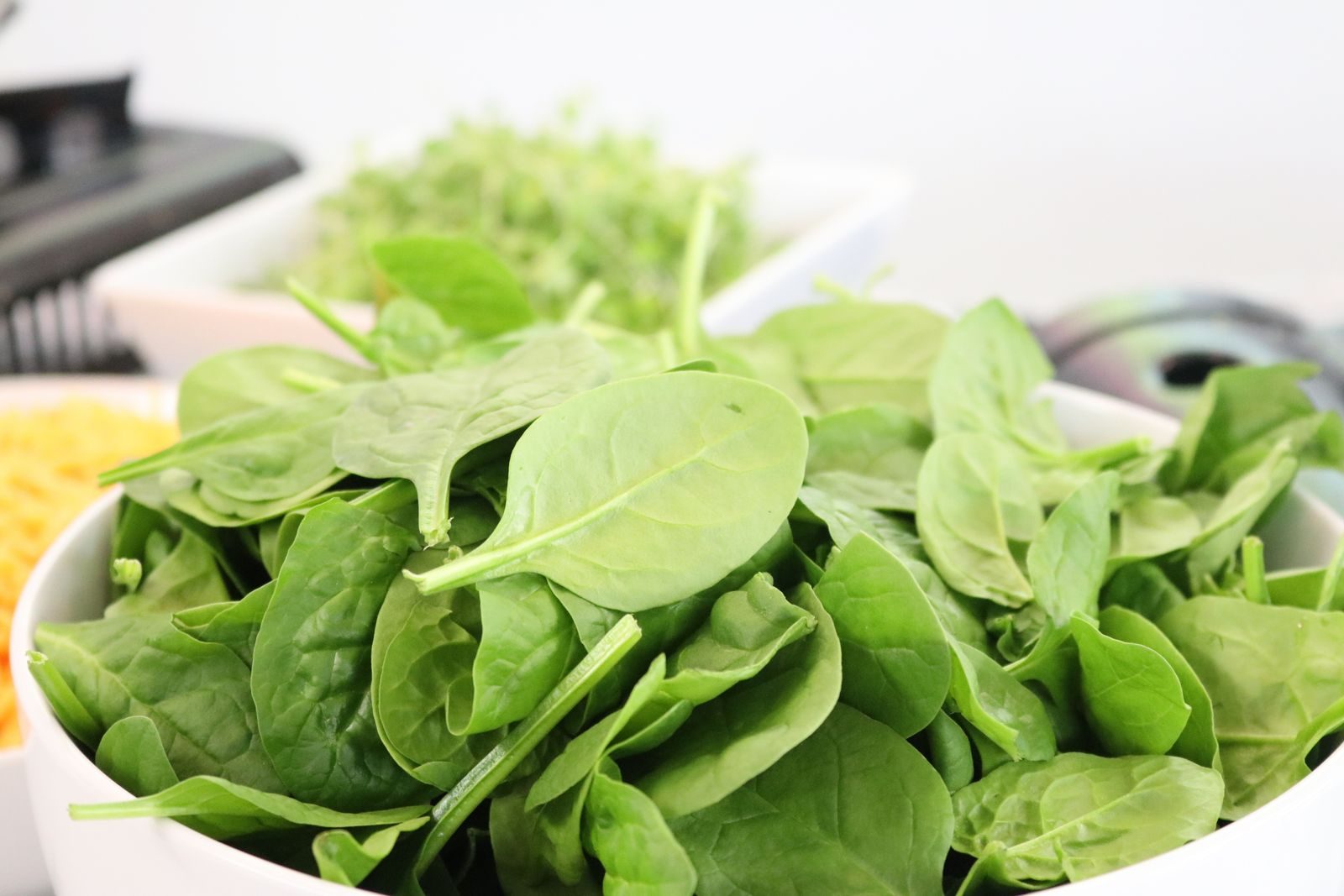
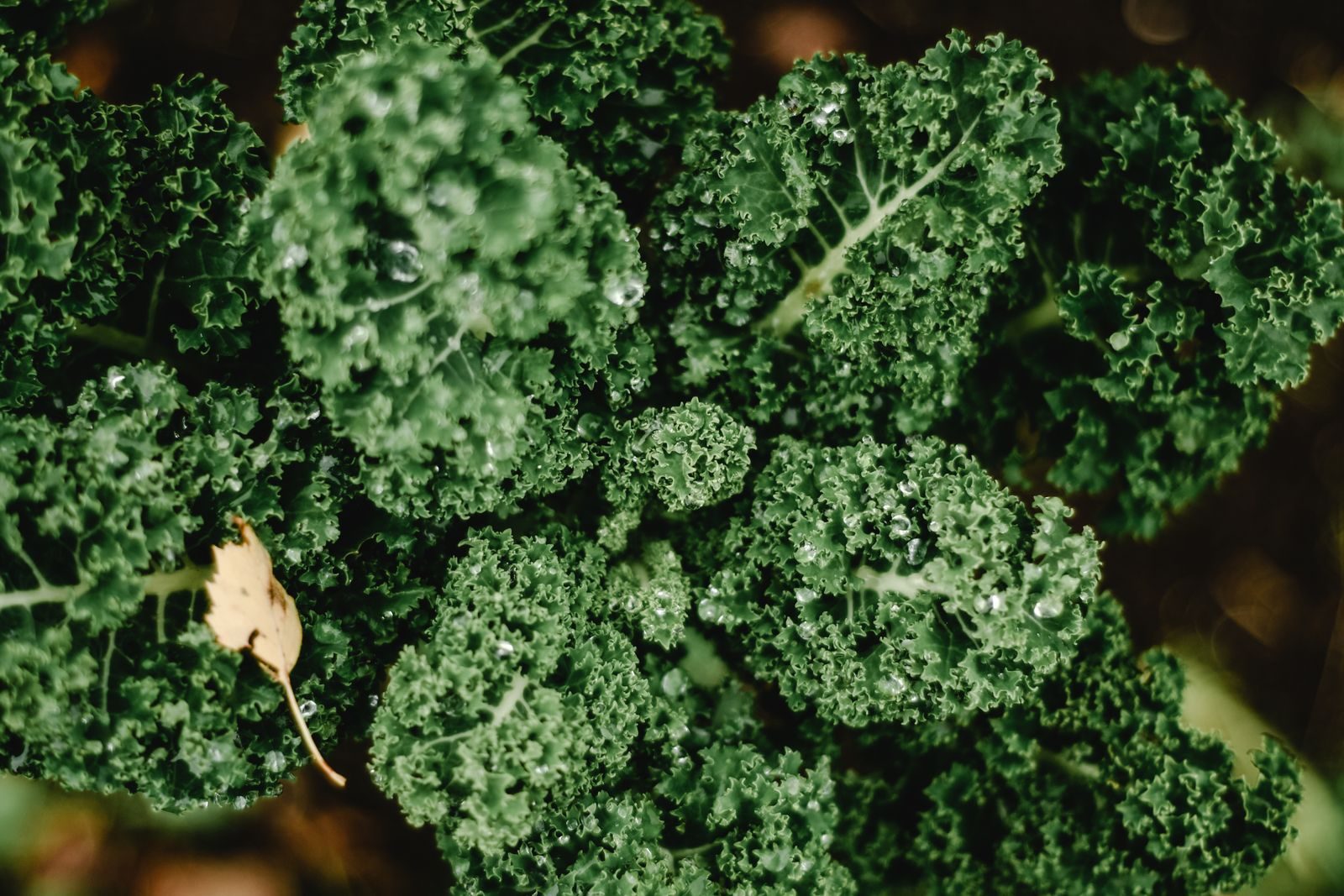
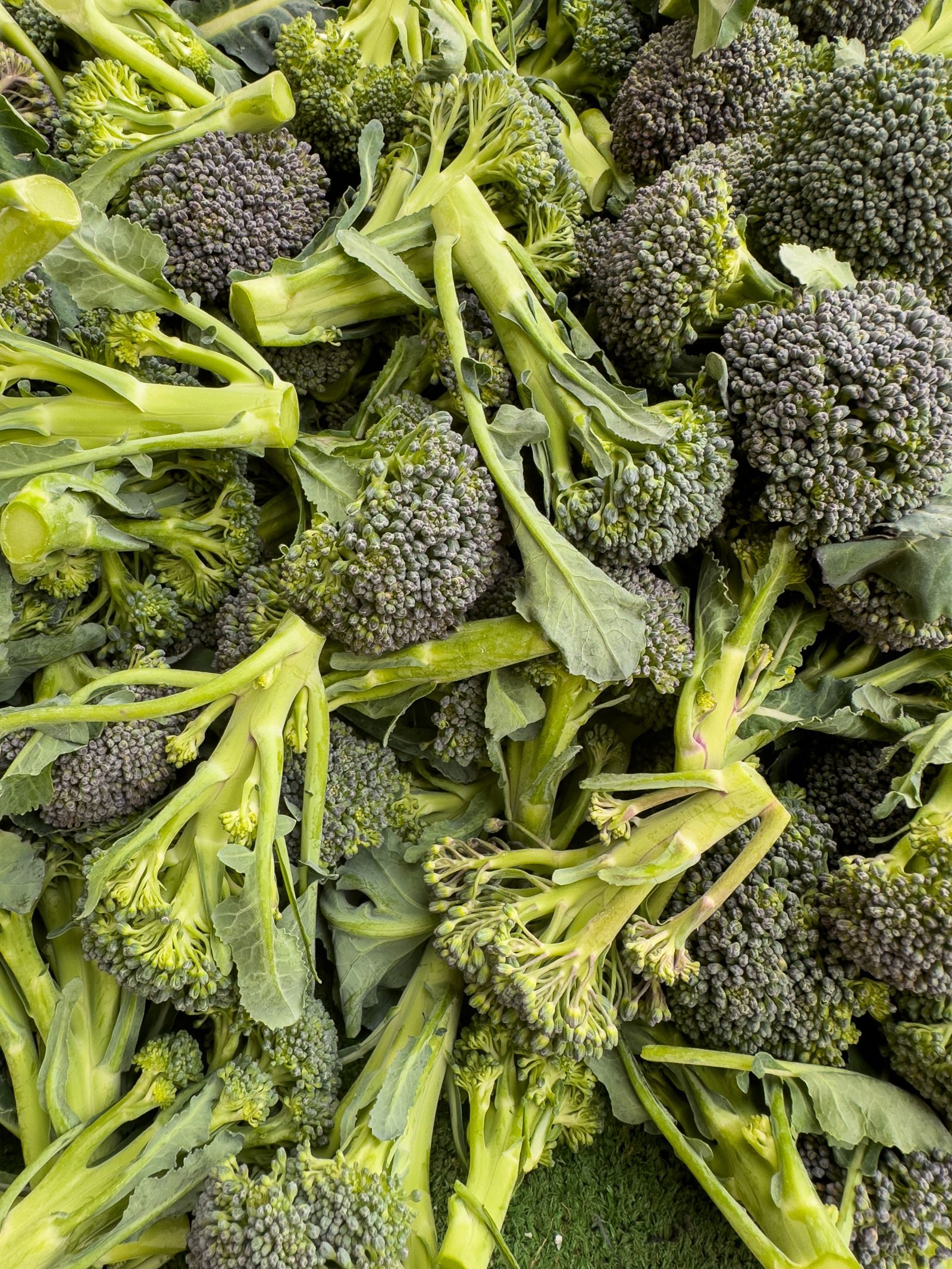
A broad-spectrum antibiotic such as cefuroxime alters the gut flora that makes part of the vitamin K. Food remains the safest source to provide it, and the simplest to keep up during treatment.
Vitamin K1 is concentrated in green leafy vegetables, where it takes a direct part in photosynthesis: spinach, kale and broccoli are among the richest. A plate that gives pride of place to these foods covers most of the requirements.
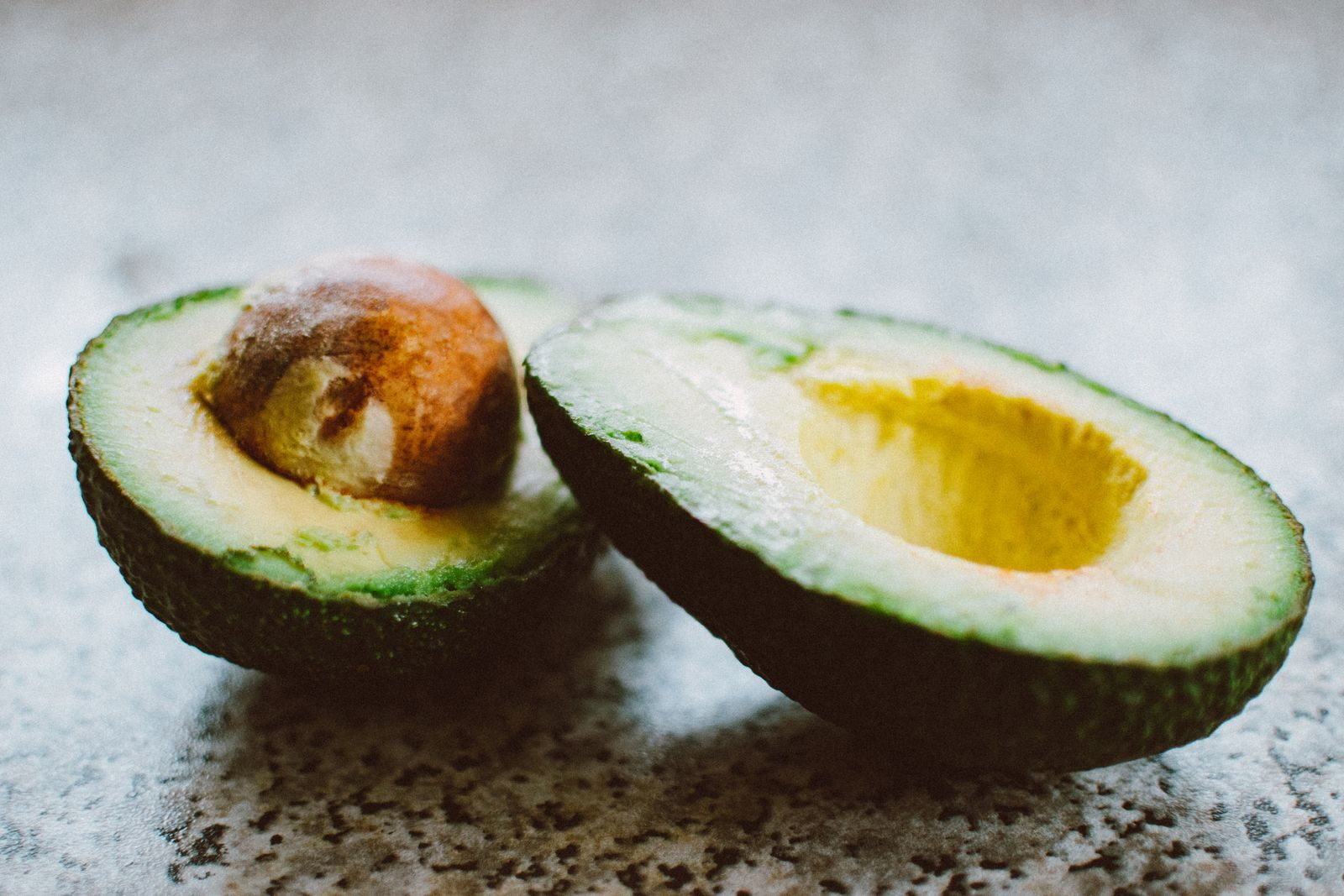
A balanced diet rich in green vegetables is preferred over supplementation. These same vegetables feed the gut flora that converts vitamin K1 into vitamin K2. Adding them to your meals supports this intake, on top of your treatment.
How cefuroxime works
Cefuroxime axetil is an antibiotic in the beta-lactam family, more precisely a second-generation cephalosporin. Its action is bactericidal: it kills bacteria rather than merely slowing their growth. The core of the molecule, the beta-lactam ring, binds to enzymes in the bacterial wall called penicillin-binding proteins, or PBPs. By binding to them, it blocks transpeptidase, the enzyme that assembles the wall.
The bacterial wall is made of peptidoglycan, a rigid mesh whose strands must be linked together, a process called cross-linking, in order to hold. By blocking transpeptidase, cefuroxime prevents this cross-linking: the bacterium can no longer build or repair its wall, and it eventually lyses. One asset of this molecule is its stability against certain beta-lactamases, the enzymes that some bacteria produce to destroy beta-lactams. Cefuroxime remains active where older antibiotics are broken down.
Why it is prescribed
Cefuroxime axetil covers a wide range of common infections of the respiratory tract and the ear, nose and throat: pharyngitis and tonsillitis, acute otitis media, acute maxillary sinusitis, and acute exacerbations of chronic bronchitis. It also treats uncomplicated skin infections and uncomplicated urinary tract infections. The spectrum chosen targets the most likely organisms depending on the site of infection.
Two more specific indications complete the list: uncomplicated gonorrhoea and early Lyme disease, at the erythema migrans stage, the skin lesion that appears after a tick bite. The choice of antibiotic depends on the suspected organism, the affected site and the patient's condition. It is the doctor who determines the indication and sets the dose.
How to take it day to day
The cefuroxime axetil tablet is better absorbed with a meal. On an empty stomach, its absolute bioavailability is 37%; taken after food, it rises to 52%. Taking the tablet during or just after a meal therefore markedly increases the amount of antibiotic that passes into the blood.
Cefuroxime is eliminated quickly: its mean half-life is 1.2 to 1.3 hours. To maintain an effective concentration throughout the day, it is usually taken twice a day, at regular intervals. It should not be stopped on one's own as soon as one feels better: completing the prescribed course limits the risk of relapse and of selecting resistant bacteria.
The effects to know about
With the usual multiple-dose regimens, the most frequent effects involve the digestive tract: diarrhoea in about 4% of people, nausea and vomiting in 3%. Then come eosinophilia, that is a rise in a type of white blood cell, in 1%, and transient elevations of liver enzymes: AST in 2%, ALT in 2%, LDH in 1%. These laboratory abnormalities generally resolve after the end of treatment.
Treatment of early Lyme disease, which is longer with a 20-day course, is accompanied by higher frequencies: diarrhoea in 10.6%, Jarisch-Herxheimer reaction in 5.6%, vaginitis in 5.4%. The Jarisch-Herxheimer reaction is a temporary worsening of symptoms at the start of treatment, linked to the massive destruction of bacteria. It is not an allergy and resolves on its own within one to two days.
Gut flora and vitamin K
Like any broad-spectrum antibiotic, cefuroxime does not target only the bacteria responsible for the infection: it also alters the gut flora. Yet part of the body's vitamin K, vitamin K2 or menaquinone, is made in the gut by these bacteria, which convert the vitamin K1 provided by the diet. By disrupting the flora, an antibiotic can in theory reduce this production. This link is plausible, but it has not been specifically quantified for cefuroxime.
Certain cephalosporins that carry an N-methyl-thiotetrazole or NMTT side chain, such as cefotetan, cefamandole, cefmetazole, cefoperazone and moxalactam, interfere with vitamin K metabolism and can cause hypoprothrombinaemia and bleeding. Cefuroxime does not have this NMTT chain. A prolongation of prothrombin time, or Quick time, has been reported after marketing, in pharmacovigilance, without a quantified frequency.
Interactions and monitoring
Two interactions are worth knowing. Probenecid slows the renal elimination of cefuroxime: it increases its area under the curve by 50% and its maximum concentration by 21%, so the combination is not recommended. Conversely, medicines that reduce stomach acidity decrease the absorption of cefuroxime axetil. It is better to take it at least 1 hour before or 2 hours after an antacid, and to avoid H2 blockers as well as proton pump inhibitors.
Cefuroxime is eliminated essentially by the kidneys: about 50% of the dose is found unchanged in the urine within 12 hours. Kidney function therefore governs the dose adjustment, and it is checked in case of renal impairment. Monitoring also covers digestive tolerance and, if needed, liver enzymes. Any severe or prolonged diarrhoea during or after treatment should be reported to the doctor.
Sources
Related molecules
To explore in the « Anti-infectives » family and its neighbours.
See the whole « Anti-infectives » family · Back to the atlas
Supplements to consider
Beyond the plate, a single isolated nutrient can be worth discussing, to confirm with your doctor or pharmacist. Here is which one and in which form.
Probiotics
Probiotics are live micro-organisms, mainly lactobacilli and bifidobacteria. The CFU count and the number of strains are among the selection criteria; gastro-resistant capsules protect the bacteria from stomach acidity.
Preferred form gastro-resistant capsules, several strains, CFU count stated
Frequently asked questions
What is cefuroxime axetil used for?
It is an antibiotic from the cephalosporin family (second generation), prescribed for certain bacterial infections of the respiratory tract, ear, nose and throat, or urinary tract. The precise indication depends on your situation: refer to the package leaflet and to your doctor or pharmacist.
What are the most common side effects of cefuroxime?
The package leaflet notably lists digestive problems such as diarrhoea, nausea, headaches and, sometimes, fungal infections. For the full list and what to do if you feel unwell, refer to the package leaflet and talk to your doctor or pharmacist.
Should you take cefuroxime with food, before or after a meal?
The package leaflet states that cefuroxime axetil is better absorbed when taken with food. Follow the timing and dosing schedule indicated on your package leaflet, and ask your pharmacist for advice if you are unsure.
Can you drink alcohol while taking cefuroxime?
Unlike some other antibiotics, cefuroxime axetil does not cause a disulfiram-like (antabuse) reaction with alcohol. For any question about your treatment and your situation, the package leaflet and your doctor or pharmacist remain the reference.
Cefuroxime axetil and pregnancy or breastfeeding: what precautions?
Its use during pregnancy or breastfeeding is a matter for a case-by-case medical assessment. Do not use it on your own initiative in these situations: read the package leaflet and ask your doctor or pharmacist for advice.
Why keep an eye on your gut flora while taking cefuroxime axetil?
Because antibiotics act on bacteria without distinguishing those of the gut microbiome, research links taking them to an imbalance of the flora and a risk of diarrhoea. Reviews, including Cochrane reviews, link taking probiotics to a lower frequency of antibiotic-associated diarrhoea. The active ingredient to consider: probiotics, for example in the form of Saccharomyces boulardii or Lactobacillus rhamnosus, ideally spaced apart from the antibiotic dose. This does not replace the advice of your doctor or pharmacist.
Ces réponses portent sur le volet nutritionnel. Pour toute question sur votre médicament, la notice et votre médecin ou pharmacien font foi.