Cefixime
antibiotic · cephalosporin
Third-party optionBy the Layer Nutrition editorial team · How the atlas classifies the 664 molecules
What this medicine is for
Cefixime belongs to the category "antibiotic (cephalosporin)". Antibiotics treat infections caused by bacteria. They are taken as a course, for a set duration, to the end of the prescription.
Specifically, for Cefixime: Treats a bacterial infection. It is used rather occasionally or as a short course, to get through an episode.
Under which brands it is found
In France, about 13 reimbursable presentations containing Cefixime are recorded. It is found under several brand names and as generics.
- Cefixime Almus
- Cefixime Arrow Enfants
- Cefixime Arrow Lab
- Cefixime Biogaran
- Cefixime Cristers
- Cefixime Eg
- Cefixime Eg Labo
- Cefixime Evolugen
- and other presentations
Original brand-name products and generics deliver the same active substance; the choice between them is made with your doctor or pharmacist.
On the plate: vitamin K and gut flora
Cefixime acts on bacteria, including some of those that populate the gut. Two markers then guide the plate: vitamin K, which supports a clotting whose activity can drop under a cephalosporin, and foods that are gentle on digestion during treatment.
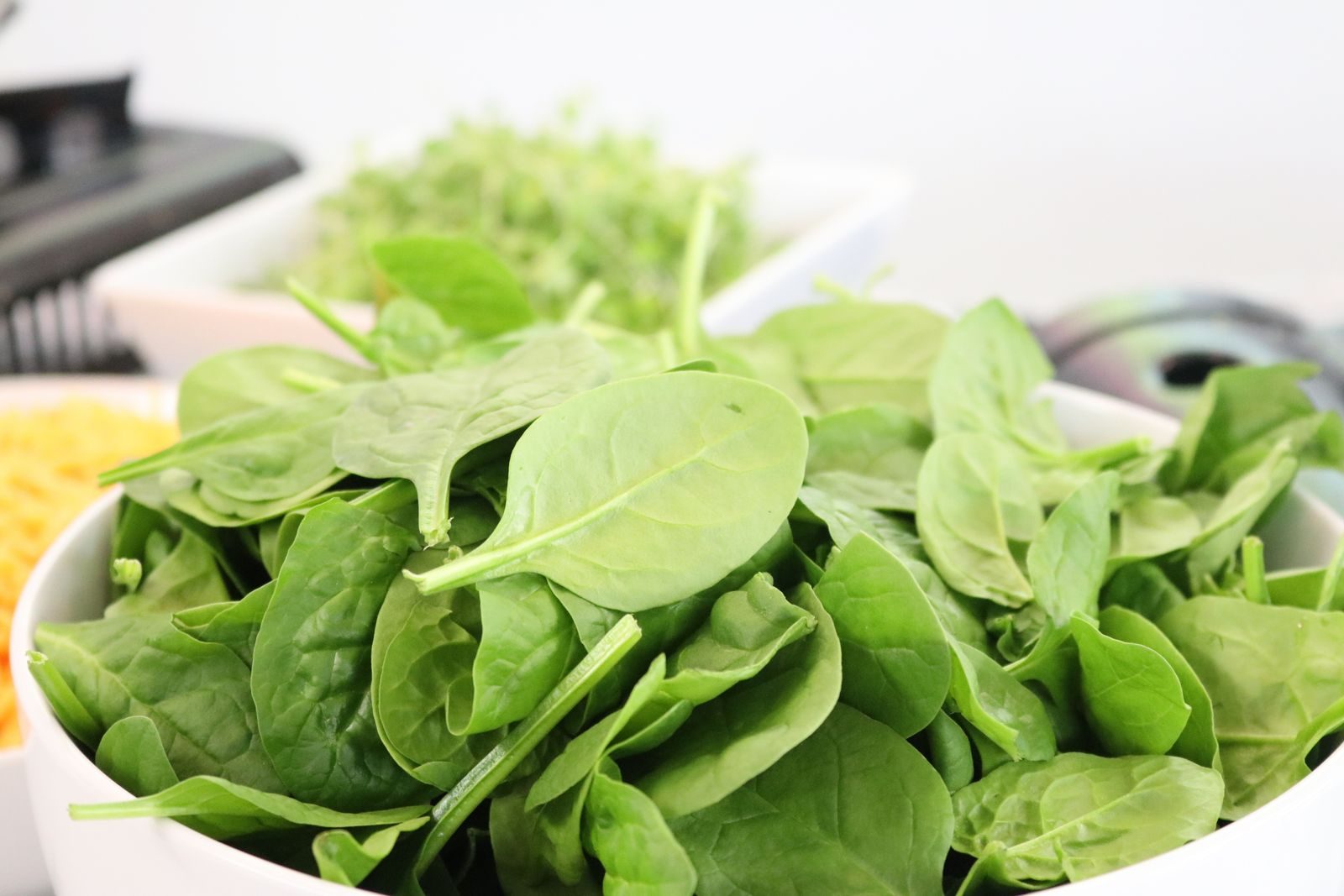
Vitamin K is concentrated in green leafy vegetables: spinach, kale, broccoli, cabbage. Other cruciferous vegetables provide a good share, and vegetable oils such as olive oil contain it too. Filling meals with these vegetables covers everyday needs, in addition to your treatment.
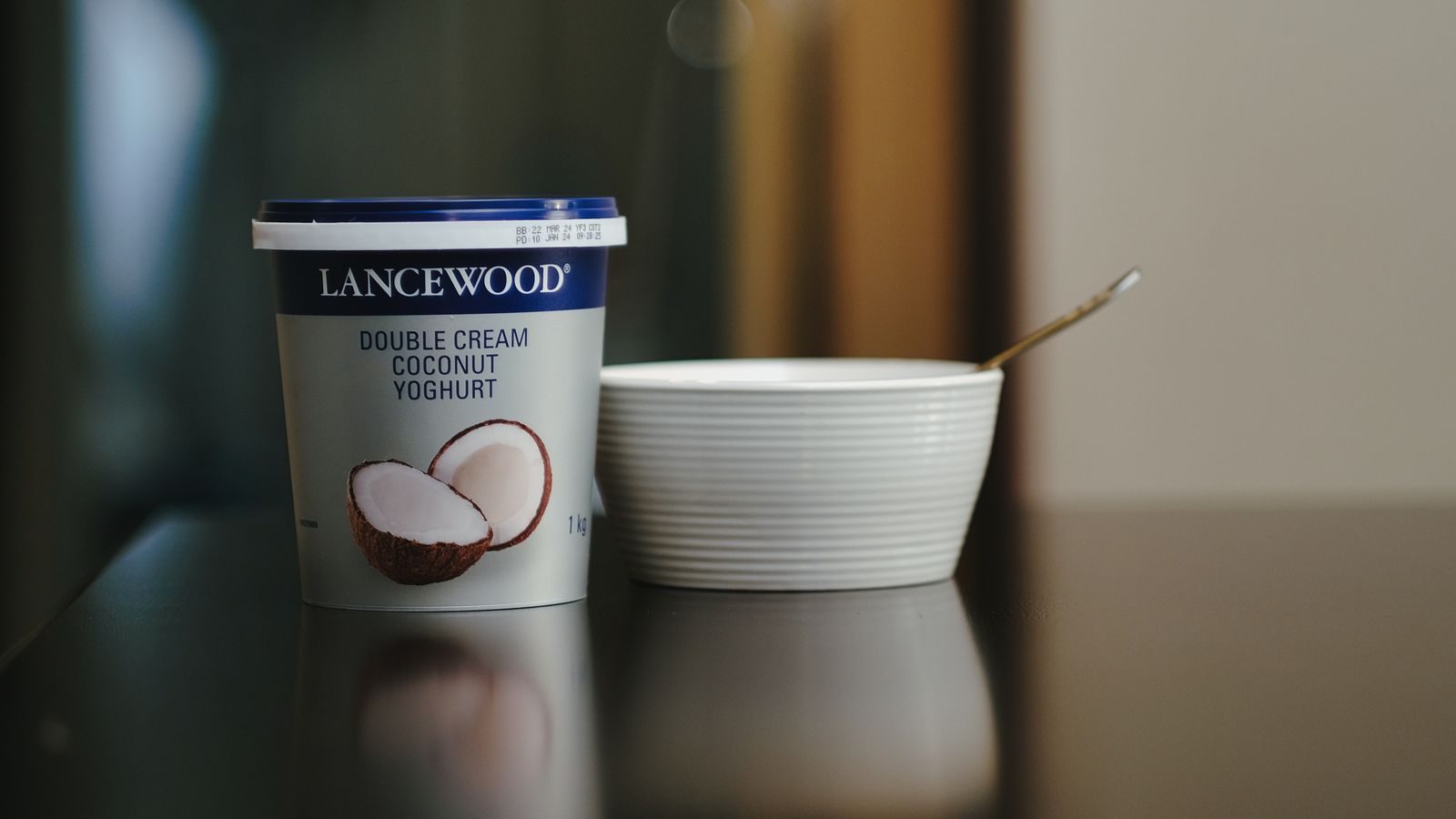
During an antibiotic, stools often loosen. Fermented foods such as plain yogurt provide live ferments, and the fiber in legumes, vegetables, and whole grains feeds the flora. Drinking enough water and splitting meals helps get through the days of diarrhea.


How cefixime works
Cefixime is a third-generation oral cephalosporin, a bactericidal antibiotic: it kills the bacterium rather than merely slowing its growth. Its target is the bacterial wall. To keep their shape and withstand pressure, bacteria build a reinforced wall by cross-linking peptidoglycan units, a rigid mesh that surrounds the cell. This cross-linking is carried out by enzymes called penicillin-binding proteins, or PBPs, which are peptidoglycan transpeptidases.
Cefixime binds to these PBPs and blocks their activity. Cross-linking no longer takes place, the wall weakens, and the bacterium dies. It has another strength: it resists hydrolysis by certain beta-lactamases, the enzymes that some germs make to destroy antibiotics. This stability makes it active against bacteria that have become resistant to several penicillins.
Why it is prescribed
Cefixime treats well-defined bacterial infections. It is approved for uncomplicated urinary tract infections, otitis media, pharyngitis and tonsillitis, acute exacerbations of chronic bronchitis, and uncomplicated gonorrhea, cervical or urethral. The doctor chooses it when the bacterium responsible is among those it reaches.
An antibiotic fights only bacteria, never viruses: it has no effect on a cold or the flu. Prescribing it wisely also limits the emergence of resistance, an issue that goes beyond each individual patient. The length of treatment depends on the infection and is followed through to the end.
How to take it day to day
In adults, the usual dose is 400 mg per day, in a single daily intake. In children, it is 8 mg per kilo per day, in one intake or split into two intakes of 4 mg per kilo every twelve hours. The tablet and the suspension absorb about 40 to 50 percent of the dose, with or without food. For the capsule, a meal reduces absorption, with a drop of about 15 percent in total exposure and 25 percent in peak concentration.
Regularity makes for effectiveness: taking the dose at a fixed time keeps a stable concentration. The serum peak occurs in the hours following intake, and the mean half-life is three to four hours, sometimes up to nine hours. Even if symptoms improve quickly, you must not stop the treatment on your own: a shortened infection can return and favor resistant bacteria.
The effects to know about
The most frequent effects concern digestion. In clinical trials, diarrhea was observed in 16 percent of patients, nausea in 7 percent, loose or frequent stools in 6 percent, flatulence in 4 percent, abdominal pain in 3 percent, and dyspepsia in 3 percent. These disturbances reflect the antibiotic's action on the intestinal flora.
A rarer effect deserves attention. Like nearly all antibiotics, cefixime can cause diarrhea linked to the bacterium Clostridioides difficile, of variable intensity, from mild diarrhea to severe or even fatal colitis; cases of pseudomembranous colitis have been documented. Severe or persistent diarrhea, during or after treatment, should lead to seeking medical advice rather than restarting the medication on your own.
Elimination and vitamin K
Once in the blood, cefixime is bound to serum proteins at about 65 percent. It is eliminated mainly by the kidneys: about half of the absorbed dose is found unchanged in the urine within twenty-four hours, which explains its value in urinary tract infections. More than 10 percent of the dose also passes into the bile.
Cephalosporins, including cefixime, can be accompanied by a fall in prothrombin activity, that is, the blood's ability to clot, which depends on vitamin K. In at-risk patients, prothrombin time is monitored, and vitamin K is given if needed.
Interactions and monitoring
Two drug interactions are worth knowing. Combined with warfarin or other anticoagulants, cefixime can prolong prothrombin time, with or without bleeding: monitoring of coagulation is then increased. With carbamazepine, an antiepileptic, elevated blood levels have been reported in pharmacovigilance, and measuring carbamazepine levels is advised.
Cefixime can also distort certain laboratory tests. It gives false positives for glucose in urine with Benedict's or Fehling's solutions, false positives for ketone bodies with nitroprusside tests, and, like other cephalosporins, can make a direct Coombs test positive. Reporting this treatment to the laboratory avoids misinterpreting a result.
Sources
Related molecules
To explore in the « Anti-infectives » family and its neighbours.
See the whole « Anti-infectives » family · Back to the atlas
Supplements to consider
Beyond the plate, a single isolated nutrient can be worth discussing, to confirm with your doctor or pharmacist. Here is which one and in which form.
Probiotics
Probiotics are live micro-organisms, mainly lactobacilli and bifidobacteria. The CFU count and the number of strains are among the selection criteria; gastro-resistant capsules protect the bacteria from stomach acidity.
Preferred form gastro-resistant capsules, several strains, CFU count stated
Frequently asked questions
What is cefixime used for?
Cefixime is an antibiotic in the cephalosporin family, prescribed to treat certain bacterial infections, particularly urinary tract or ear, nose and throat infections. For the exact indication that applies to you, refer to the medication leaflet and to your doctor or pharmacist.
What are the side effects of cefixime?
The leaflet lists digestive problems such as diarrhea, nausea and abdominal pain among the common side effects. For the full list and what to do, read the leaflet and discuss it with your doctor or pharmacist.
Can you drink alcohol while taking cefixime?
Public sources do not describe any major direct interaction between cefixime and alcohol, but alcohol can worsen digestive irritation. Follow what the leaflet indicates and the advice of your doctor or pharmacist.
Is cefixime safe to take during pregnancy?
According to public data, cefixime may be used during pregnancy if the doctor deems it necessary. This decision rests with your doctor: refer to the leaflet and to their advice before taking it.
Does cefixime interact with other medications?
The leaflet flags possible interactions, for example with certain oral anticoagulants or with probenecid. Tell your doctor or pharmacist about all your medications and supplements, and read the leaflet.
What to take for gut flora while on cefixime?
Like other antibiotics, cefixime can disrupt the gut flora and promote diarrhea. Studies link taking probiotics, in particular the strains Lactobacillus rhamnosus GG and the yeast Saccharomyces boulardii in live culture form, to a reduction in antibiotic-associated diarrhea. The active ingredient to consider is therefore a live-strain probiotic; ask your doctor or pharmacist for advice on when to take it relative to the antibiotic.
Ces réponses portent sur le volet nutritionnel. Pour toute question sur votre médicament, la notice et votre médecin ou pharmacien font foi.