Altizide
thiazide diuretic · antihypertensive
Third-party optionBy the Layer Nutrition editorial team · How the atlas classifies the 664 molecules
What this medicine is for
Pharmacologically, Altizide relates to the category “thiazide diuretic (antihypertensive)”. Diuretics help the kidneys eliminate water and salt, which lowers blood pressure and relieves edema.
In the case of Altizide, this means: Increases the elimination of water and salt by the kidneys and lowers blood pressure. It is generally taken over the long term, within regular monitoring, and is not stopped on your own initiative.
Under which brands it is found
In France, about 5 reimbursable presentations containing Altizide are recorded. It comes under various trade names and in generic form.
- Aldactazine
- Spironolactone Altizide Arrow
- Spironolactone Altizide Biogaran
- Spironolactone Altizide Teva
- Spironolactone Altizide Viatris
Original brand-name products and generics deliver the same active substance; the choice between them is made with your doctor or pharmacist.
On the plate: potassium and magnesium
Altizide increases the loss of potassium and magnesium through the urine. In the Aldactazine combination, spironolactone holds back part of the potassium, but magnesium still needs to be replenished. Food is the first lever for rebuilding these stores, and the easiest one to keep up day after day.
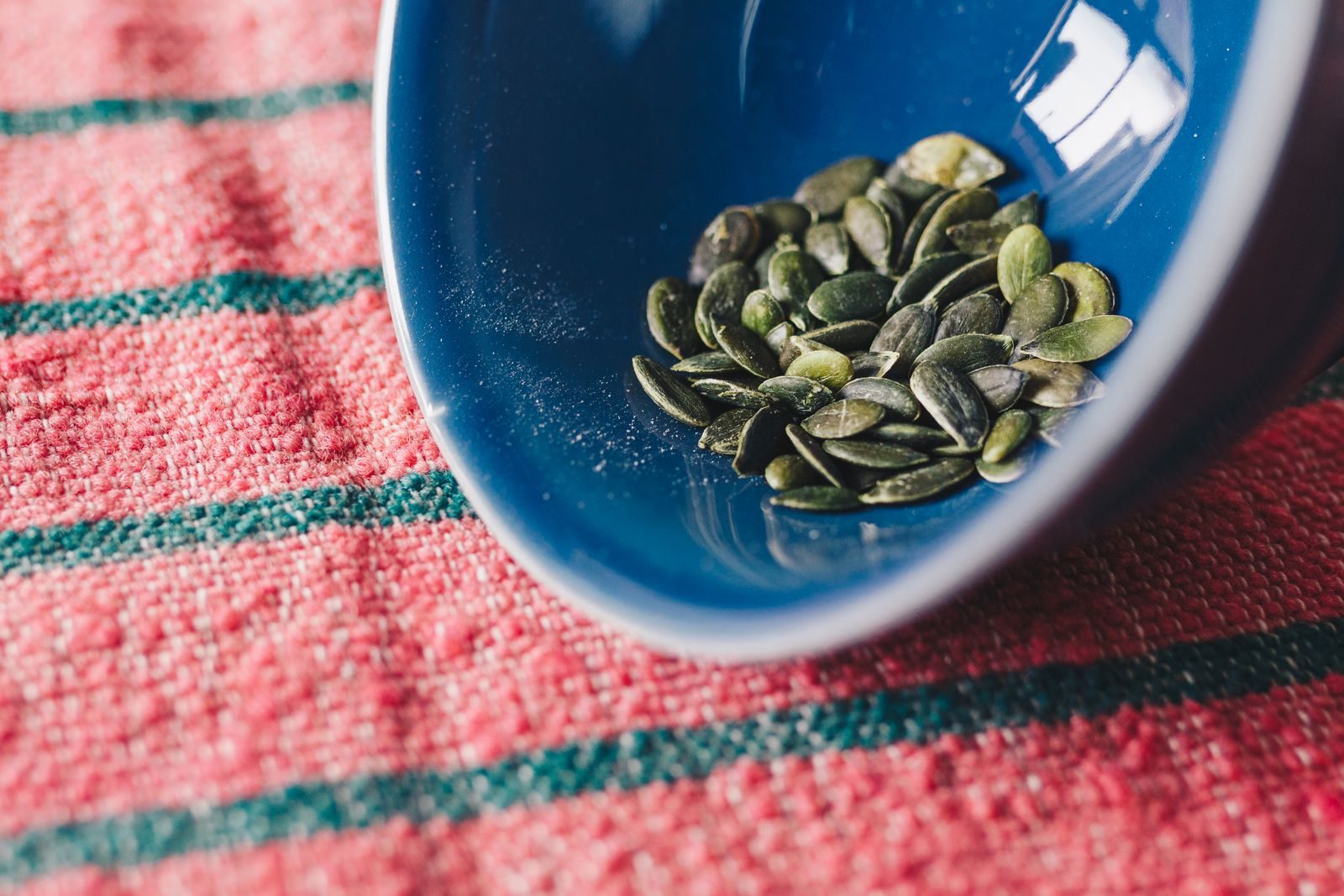
Potassium is concentrated in vegetables and fruit: potato, sweet potato, spinach, lentils, beans, avocado, dried apricot and banana. Magnesium comes mainly from leafy green vegetables, nuts, pumpkin seeds, whole grains and dark chocolate.
Several foods bring both minerals together at once: spinach, lentils, beans and pumpkin seeds. Spreading them across your meals covers a good share of your needs, on top of your treatment.



How altizide works
Altizide is a thiazide diuretic. It acts in the kidney, at the distal convoluted tubule of the nephron, where it blocks the sodium-chloride cotransporter, also called the Na-Cl symporter or NCC protein (SLC12A3 gene). This transporter is the main gateway for sodium at this point in the tubule. By blocking it, altizide prevents the reabsorption of sodium and chloride.
The sodium and chloride thus retained in the tubule draw water along with them: the elimination of salt and water in the urine increases. Blood volume falls, and blood pressure drops. Its chemical formula is C11H14ClN3O4S3 and its common name is althiazide.
Why it is only taken with spironolactone
Altizide is not marketed on its own: it exists only as a fixed combination with spironolactone, notably under the name Aldactazine. Spironolactone is a mineralocorticoid receptor antagonist, in other words an antialdosterone agent. It counters the action of aldosterone on the distal tubule and the collecting duct, which spares potassium.
The combination follows an electrolyte logic. The thiazide causes potassium loss, while spironolactone retains it: the fall in blood potassium caused by the diuretic alone is thereby limited. The two molecules also have complementary durations of action: spironolactone has a short half-life, about 1.4 hours, but its effect is prolonged by active metabolites, including canrenone, whose half-life reaches about 16.5 hours.
Why this treatment is prescribed
Thiazide diuretics such as altizide are prescribed first and foremost for high blood pressure. By lowering blood volume, then reducing the pressure the blood exerts on the artery walls, they bring blood pressure down to lower values.
They are also used to treat oedema, these accumulations of water in the tissues linked to heart failure, cirrhosis of the liver or kidney disease. By increasing the elimination of salt and water, the diuretic helps to clear this retention. Adding spironolactone then combines two actions on the kidney while sparing potassium.
How to take it day to day
A thiazide diuretic is taken in the morning, with food. Since it makes you urinate more, taking it in the morning avoids waking at night to go to the toilet. The half-life of thiazides varies from one molecule to another, from a few hours to about fifteen hours (for example 5.6 to 14.8 hours for hydrochlorothiazide), which justifies once-daily dosing.
Regularity comes first: the treatment is taken every day, preferably at a fixed time, to maintain a stable blood pressure. You do not stop it on your own initiative, even if blood pressure seems to have returned to normal, because hypertension comes back once it is stopped. Any change in dose is decided with the doctor, based on blood pressure measurement and blood tests.
The effects to know about
The thiazide side alters the electrolytes in the blood. The most common effect is hypokalaemia, a fall in blood potassium; there may also be hyponatraemia (a fall in sodium), hypomagnesaemia (a fall in magnesium), hyperuricaemia that can trigger a gout attack, hypercalcaemia and hyperglycaemia. Hypokalaemia results from two mechanisms: inhibition of the Na-Cl cotransporter and stimulation of aldosterone, which activates the Na+/K+-ATPase pump of the collecting duct and drives potassium into the urine. Unlike many medicines, the thiazide reduces the urinary elimination of calcium: it retains calcium rather than demineralising.
The spironolactone side has other effects. The most characteristic is hyperkalaemia, a rise in potassium: among treated cardiac patients, 10 to 15% develop one, and 6% a severe form. Since spironolactone also acts on androgen and progestogen receptors, it can cause gynaecomastia in men, a dose-dependent development of breast tissue: in the RALES trial, at 25 mg per day, it occurred in 9.1% of men compared with 1.3% on placebo. In women, it can lead to menstrual disturbances and breast tenderness.
Interactions and monitoring
Several medicines interact with this treatment. Thiazides reduce the renal elimination of lithium and increase the risk of toxicity: the combination is not advised. They also decrease the elimination of uric acid, with which they compete on the same transporter, which explains the hyperuricaemia. The hypokalaemia they cause increases the heart's sensitivity to digitalis and can promote serious arrhythmias. NSAIDs and salicylates such as aspirin reduce the diuretic effect and increase the risk of acute kidney failure. Because of spironolactone, combining an ACE inhibitor, an ARB or a potassium supplement raises the risk of hyperkalaemia.
Monitoring relies on regular blood tests. They check blood sodium, blood potassium, blood uric acid, blood calcium and kidney function, because the treatment shifts these parameters. Blood potassium requires particular attention: the thiazide tends to lower it, spironolactone to raise it, and other medicines such as beta-blockers, ACE inhibitors and ARBs can worsen hyperkalaemia. Finally, thiazides are contraindicated in cases of anuria, the absence of urine output, and of allergy to sulphonamides, because they contain a sulphonamide group.
Sources
Related molecules
To explore in the « Heart and blood pressure » family and its neighbours.
See the whole « Heart and blood pressure » family · Back to the atlas
Supplements to consider
Beyond the plate, a single isolated nutrient can be worth discussing, to confirm with your doctor or pharmacist. Here is which one and in which form.
Magnesium
Magnesium is a mineral involved in many enzymatic reactions. Supplements differ mainly by their salt: organic forms such as bisglycinate and citrate are better tolerated digestively and better absorbed than oxide.
Preferred form bisglycinate or citrate rather than oxide
Potassium
Potassium is an electrolyte mineral. As a supplement, potassium citrate is a well-tolerated and bioavailable form; the elemental potassium content per capsule remains moderate owing to regulatory limits.
Preferred form potassium citrate
Frequently asked questions
What is altizide used for, and why is it combined with spironolactone?
Altizide is a thiazide diuretic prescribed for high blood pressure and certain types of oedema. In France it is almost always combined with spironolactone, a potassium-sparing diuretic, within a single medicine. For the indication that applies to you, refer to the package leaflet and to your doctor or pharmacist.
What are the side effects of altizide?
The package leaflet notably lists imbalances in water and in mineral salts such as sodium and potassium, dizziness or a drop in blood pressure. The effects experienced vary from one person to another. Read the full package leaflet and report any symptom to your doctor or pharmacist.
Altizide and potassium: should blood potassium be monitored?
Thiazide diuretics can lower blood potassium, but combining them with spironolactone is designed to limit that loss, and may instead raise it. Monitoring your blood potassium is your doctor's responsibility. Do not change anything on your own.
Can you take altizide during pregnancy or breastfeeding?
Diuretics are generally not recommended during pregnancy, and the package leaflet states this. Only your doctor can assess your situation. Report any current or planned pregnancy, as well as breastfeeding.
What are the drug interactions and precautions with alcohol or other medicines?
The package leaflet flags interactions, notably with lithium, certain anti-inflammatory drugs and potassium intake, and alcohol can worsen the drop in blood pressure. Give your pharmacist the list of your treatments and read the interactions section of the package leaflet.
Which mineral should you watch nutritionally with a diuretic like altizide?
Research links thiazide diuretics to a fall in blood magnesium and to increased urinary loss of this mineral. The active substance to consider is magnesium, preferably in a well-tolerated, well-absorbed form such as bisglycinate. Potassium, on the other hand, is not something to supplement freely here: combining altizide with spironolactone can raise it, so any blood test and any supplementation are decided together with your doctor.
Ces réponses portent sur le volet nutritionnel. Pour toute question sur votre médicament, la notice et votre médecin ou pharmacien font foi.