Cicletanine
thiazide diuretic · antihypertensive
Third-party optionBy the Layer Nutrition editorial team · How the atlas classifies the 664 molecules
What this medicine is for
Cicletanine is a medicine in the "thiazide diuretic (antihypertensive)" category. Diuretics help the kidneys remove water and salt, which lowers blood pressure and relieves edema.
In the case of Cicletanine, this means: Increases the elimination of water and salt by the kidneys and lowers blood pressure. It is most often a maintenance treatment, taken at regular times over long periods; its benefit is judged over time, not by how you feel on the day.
Under which brands it is found
In France, about 3 reimbursable presentations containing Cicletanine are recorded. It is found under several brand names and as generics.
- Cicletanine Biogaran
- Cicletanine Teva
- Cicletanine Viatris
Original brand-name products and generics deliver the same active substance; the choice between them is made with your doctor or pharmacist.
On the plate: potassium and magnesium
Like other diuretics, cicletanine increases the elimination of sodium and water, and it can lower the blood potassium and sodium. Diet helps support potassium intake, often found together with magnesium in the same foods; it is the simplest lever to maintain day after day.
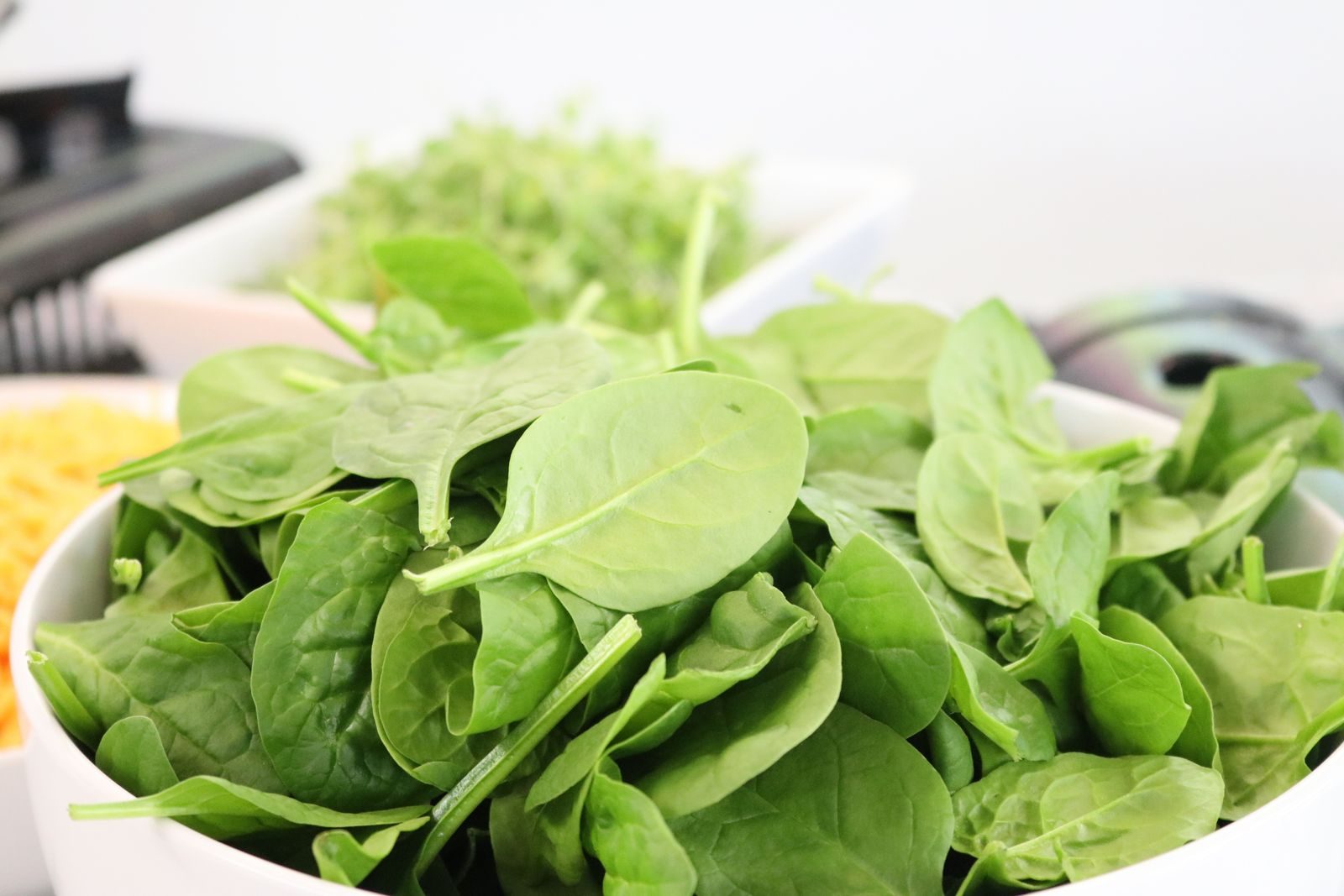
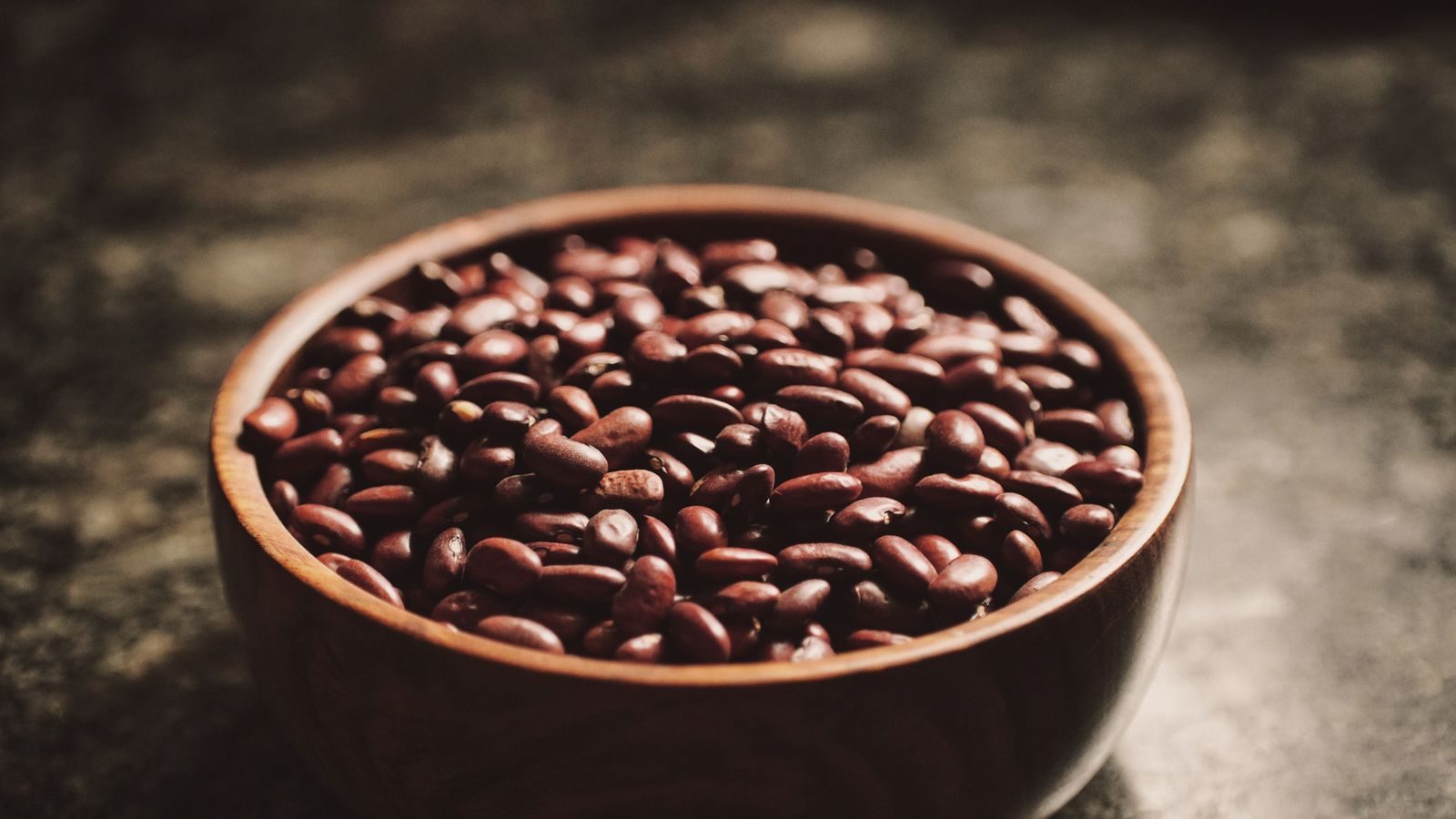
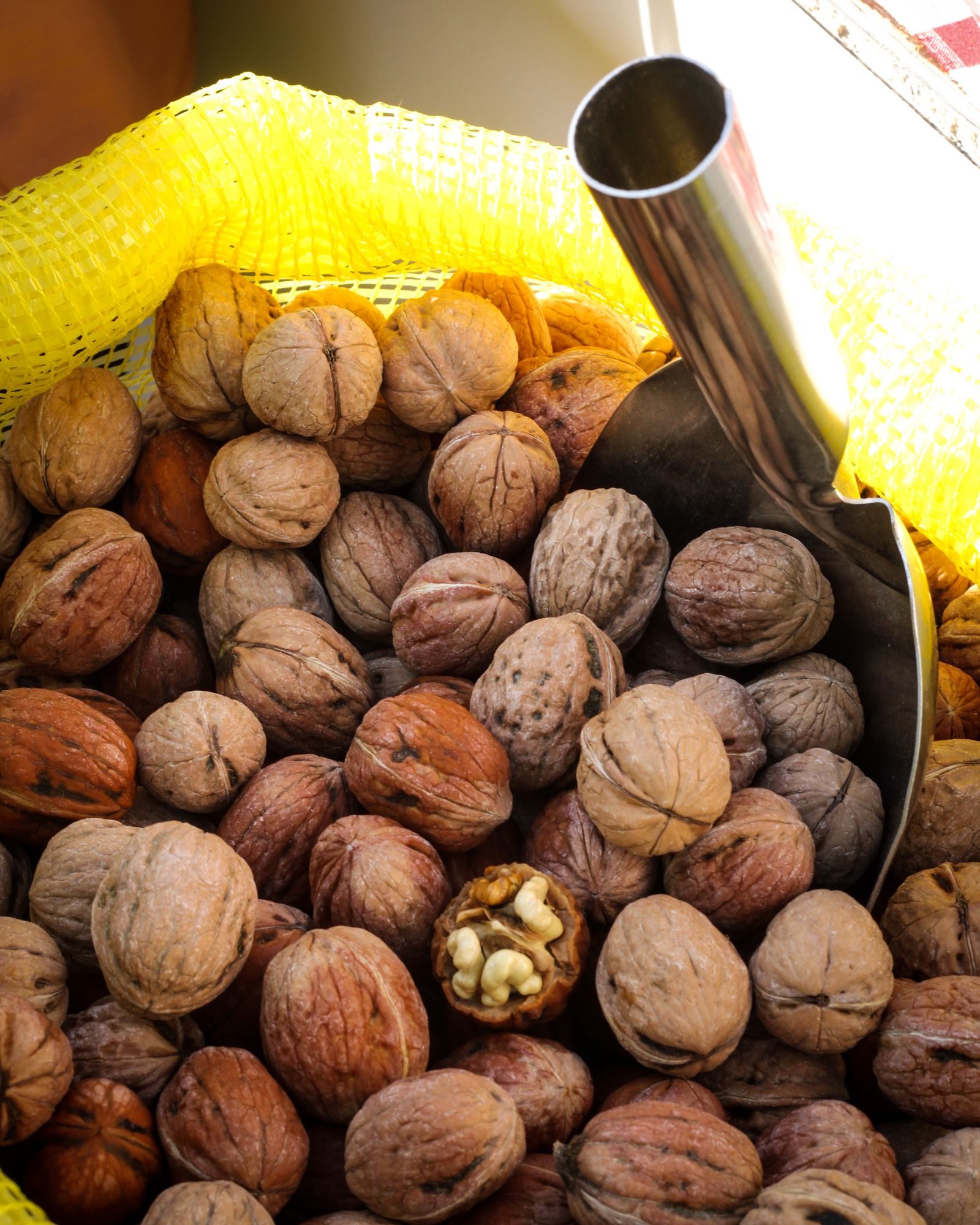
Potassium is found in a wide range of everyday foods: the banana, broccoli, beans and other legumes, nuts and seeds, as well as fish and meats such as beef, chicken and turkey. Spreading a little across each meal covers a good share of your needs.
Magnesium comes mainly from spinach and other green leafy vegetables, from nuts and from wholemeal bread. Several of these foods combine both minerals: spinach, beans and walnuts provide both potassium and magnesium, on top of your treatment.

How cicletanine works
Cicletanine is an unusual antihypertensive: it belongs to the furopyridine family and is not a true thiazide diuretic, even though it is often grouped near them. Its diuretic and natriuretic effect, meaning the increased elimination of sodium and water in the urine, comes from an active metabolite formed in the body. This metabolite acts on the kidney, in the distal convoluted tubule.
There, it inhibits a transporter called the sodium-dependent Cl-/HCO3- anion exchanger, located at the apical pole of the cell. This site of action is distinct from that of classic thiazide diuretics, which block the sodium-chloride cotransporter. By slowing the reabsorption of salt, cicletanine increases its elimination, which helps to lower blood pressure.
An effect that also works through the vessels
Cicletanine does not act on the kidney alone: it also dilates the vessels. This vasodilation works through several pathways. It stimulates the synthesis, in the vascular wall, of prostaglandins including prostacyclin, a powerful relaxant. It also inhibits the low-Km cyclic GMP phosphodiesterases, which prolongs the relaxation signal, and it blocks calcium channels, which reduces smooth muscle contraction.
Experimental work refines this picture. On the rat aorta, cicletanine produces an endothelium-dependent relaxation via the cyclo-oxygenase pathway (prostacyclin) and the NO synthase pathway, and an endothelium-independent relaxation through the opening of potassium channels at higher concentration. In another model, that of liver sinusoidal endothelial cells, it increases the phosphorylation of eNOS on serine 1177 and the production of nitric oxide, through the Akt and MAP kinase/Erk signaling pathways. In the DOCA-salt hypertensive rat, its antihypertensive effect is linked to a rise in prostacyclin and a fall in sympathetic tone, and pretreatment with indomethacin, which blocks prostaglandin synthesis, attenuates its acute blood-pressure-lowering effect.
Why it is prescribed and how it circulates
Cicletanine is used to treat arterial hypertension. It combines two levers, the elimination of salt by the kidney and the dilation of the vessels, both of which help to lower pressure. It is this dual action that sets it apart from a purely renal diuretic.
Its pharmacokinetics shed light on how it behaves in the body. After an oral dose, absorption is rapid, with a plasma peak reached at around 0.65 hour. The drug is strongly bound to plasma proteins (90%), its volume of distribution is about 37 litres, and its elimination half-life lies around 6 to 8 hours, with measurements ranging from 4.76 to nearly 18 hours depending on the person. Elimination is mixed, both renal and hepatic: the fraction excreted unchanged in the urine is negligible (0.4%), and the drug is mainly transformed by glucuronidation and sulfation, in similar proportions of about 24% each.
Taking it every day
Like other medicines that increase urine production, cicletanine is generally taken in the morning: a morning dose avoids waking up at night to urinate. The most important thing is regularity, one dose each day at the same time, because it is consistency that keeps pressure under control over the long run.
Hypertension is not something you feel: you can feel perfectly well with high pressure. You should therefore not stop the treatment on your own initiative, even when the numbers are good, because they are good precisely thanks to the medicine. Any change is decided with the doctor, who adjusts the dose and monitors pressure.
The effects to watch: potassium and sodium
By modifying the work of the kidney, cicletanine can lower two blood parameters, potassium and sodium. A study carried out in 68 hypertensive kidney transplant recipients treated with cicletanine gives concrete figures: hypokalemia, meaning a potassium below 3.5 mmol/L, occurred in 8 patients (11.8%), and hyponatremia, a low sodium, in 11 patients (16.2%).
These drops are reversible when action is taken: in this same study, 7 of the 8 cases of hypokalemia corrected after the drug was stopped. Potassium and sodium are therefore the two values to follow through blood tests. Diet remains a simple way to support potassium intake.
Kidney function, interactions and monitoring
Since cicletanine is partly eliminated by the kidney, the state of kidney function matters. In severe renal impairment, its pharmacokinetics are markedly altered, with a lengthening of the half-life and a risk of accumulation; the authors recommend reserving its use for patients whose creatinine clearance is at least 30 mL/min/1.73 m2. Mild to moderate renal impairment, for its part, causes only minor changes.
On the interactions side, non-steroidal anti-inflammatory drugs deserve attention: indomethacin, which blocks prostaglandin synthesis, attenuates the blood-pressure-lowering effect of cicletanine, a signal consistent with the role of prostacyclin in its action. Regular monitoring of pressure, kidney function and blood minerals makes it possible to adjust the treatment over time.
Sources
- Clinical pharmacokinetics of cicletanine hydrochloride
- Cicletanine: new insights into its pharmacological actions
- Mechanism of action of cicletanine on the relationship between endothelium and vascular smooth muscle in the rat thoracic aorta
- Cicletanine stimulates eNOS phosphorylation and NO production via Akt and MAP kinase/Erk signaling
- Studies on the mechanism of action of the antihypertensive agent cicletanine
- Pharmacokinetic study of cicletanine in healthy volunteers
- Pharmacokinetics of cicletanine in patients with impaired renal function
- Cicletanine-induced hyponatremia and hypokalemia in kidney transplant patients
- Vitamins and minerals: Others (potassium, magnésium)
Related molecules
To explore in the « Heart and blood pressure » family and its neighbours.
See the whole « Heart and blood pressure » family · Back to the atlas
Supplements to consider
Beyond the plate, a single isolated nutrient can be worth discussing, to confirm with your doctor or pharmacist. Here is which one and in which form.
Magnesium
Magnesium is a mineral involved in many enzymatic reactions. Supplements differ mainly by their salt: organic forms such as bisglycinate and citrate are better tolerated digestively and better absorbed than oxide.
Preferred form bisglycinate or citrate rather than oxide
Potassium
Potassium is an electrolyte mineral. As a supplement, potassium citrate is a well-tolerated and bioavailable form; the elemental potassium content per capsule remains moderate owing to regulatory limits.
Preferred form potassium citrate
Frequently asked questions
What is cicletanine used for?
Cicletanine is a diuretic used as an antihypertensive, marketed in particular under the name Tenstaten. It works by increasing the urinary elimination of water and sodium. For the exact indication that applies to you, refer to the patient leaflet and to your doctor or pharmacist.
What are the side effects of cicletanine?
The patient leaflet notably mentions changes in blood potassium levels, digestive disorders, a possible rise in uric acid, and feelings of fatigue or dizziness. This list is not exhaustive and the frequency varies from person to person. Read the full patient leaflet and report any symptom to your doctor or pharmacist.
Does cicletanine interact with other medications?
Interactions are described in the patient leaflet, in particular with lithium, other medicines that affect potassium, and certain anti-inflammatory drugs. Do not combine anything without medical advice. Give your doctor or pharmacist the full list of what you take, including supplements.
What to do if you miss a dose or stop taking cicletanine?
Do not stop an antihypertensive treatment on your own and never double a missed dose. What to do is set out in the patient leaflet and depends on your situation. Speak to your doctor or pharmacist before making any change.
Which mineral should you monitor when taking a diuretic like cicletanine?
Yes, blood potassium is monitored through a blood test in people taking a diuretic, and this monitoring is the doctor's responsibility. You should never supplement with potassium on your own initiative. On the nutrition side, studies link the use of diuretics to changes in magnesium, a mineral found in green vegetables, legumes, nuts and seeds, and dark chocolate.
Which form of magnesium should you consider to support your intake?
If you wish to support your intake through diet or a supplement, magnesium in the bisglycinate form is valued for its good digestive tolerance, as a single active ingredient. Talk to your doctor or pharmacist first, since they know your treatment and your test results.
Ces réponses portent sur le volet nutritionnel. Pour toute question sur votre médicament, la notice et votre médecin ou pharmacien font foi.