Moxifloxacin
antibiotic · fluoroquinolone
Third-party optionBy the Layer Nutrition editorial team
What this medicine is for
Sur le plan pharmacologique, Moxifloxacine se rattache à la catégorie « antibiotique (fluoroquinolone) ». Les antibiotiques traitent les infections dues à des bactéries. Ils se prennent en cure, sur une durée définie, jusqu'au bout de la prescription.
Concrètement, pour Moxifloxacine : Traite une infection bactérienne. Il s'emploie plutôt de façon ponctuelle ou en cure courte, le temps de passer un épisode.
Under which brands it is found
En France, on recense environ 6 présentations remboursables contenant Moxifloxacine. Elle se présente sous divers noms commerciaux et sous forme de génériques.
- Izilox
- Moxifloxacine Arrow
- Moxifloxacine Eg
- Moxifloxacine Krka
- Moxifloxacine Sandoz
- Moxifloxacine Viatris
Original brand-name products and generics deliver the same active substance; the choice between them is made with your doctor or pharmacist.
On the plate: potassium, magnesium and hydration
While taking moxifloxacin, two points relate directly to what you eat. The risk of a heart rhythm disturbance rises when potassium or magnesium drop too low, and food helps keep both minerals at the right level. Drinking plenty every day completes the picture.
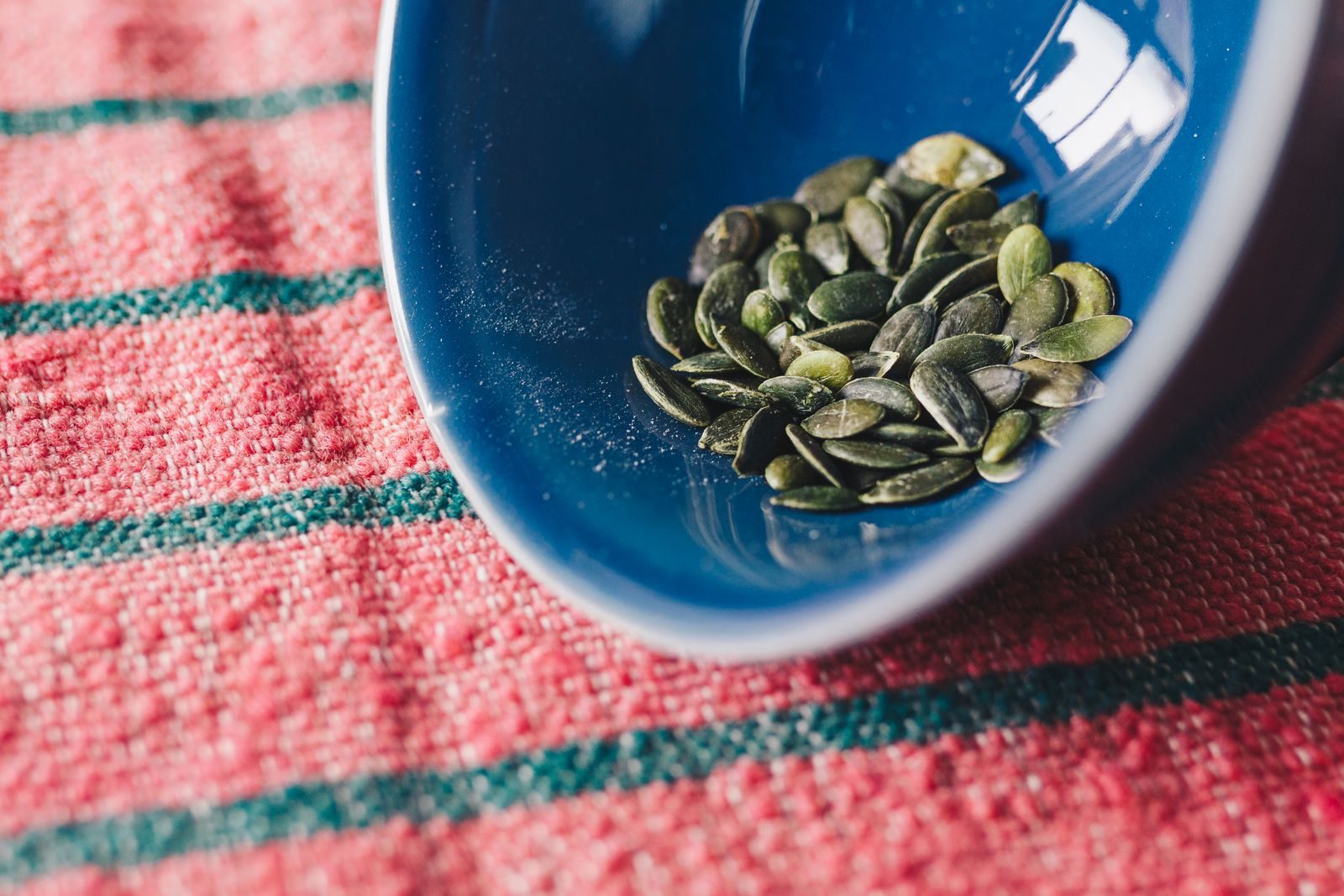
Potassium is concentrated in sweet potato, potato, spinach, legumes, avocado, dried apricot and banana. Magnesium comes mainly from green leafy vegetables, nuts, pumpkin seeds, whole grains and dark chocolate. Several of these foods, such as spinach, lentils or pumpkin seeds, supply both minerals at once, which makes meals simpler.
Moxifloxacin binds to the iron, zinc, calcium and magnesium in supplements and forms complexes with them that slow its absorption. An iron or zinc supplement, or a multivitamin containing them, should therefore be taken away from the tablet, at least 4 hours before or 8 hours after. A serving of yoghurt does not change this absorption, and water remains the drink to favour, in generous amounts, throughout the whole course of treatment.



How moxifloxacin works
Moxifloxacin belongs to the fluoroquinolone family. It targets two bacterial type II topoisomerase enzymes: DNA gyrase and topoisomerase IV. These two enzymes manage the coiling and separation of the bacterium's DNA, steps that are essential to its replication, its transcription and the repair of its DNA. By inhibiting them, moxifloxacin blocks central machinery of bacterial life.
When DNA gyrase and topoisomerase IV are blocked, the bacterium can no longer unwind or separate its DNA at the moment of dividing. The division machinery seizes up, and the bacterial cell dies: the effect is bactericidal. It is this direct action on DNA copying that makes the antibiotic effective against susceptible germs.
Why it is prescribed
Moxifloxacin treats specific bacterial infections. It is indicated for community-acquired pneumonia, acute bacterial sinusitis, acute bacterial exacerbation of chronic bronchitis, complicated and uncomplicated skin infections, complicated intra-abdominal infections and plague. The doctor reserves it for situations where a bacterium is responsible, because an antibiotic has no effect on a viral infection.
Its pharmacokinetics explain the once-daily rhythm. Its oral bioavailability is about 90 %, which means that almost all of the swallowed dose passes into the blood. Its mean elimination half-life is 12 hours, with a variation of about 1.3 hours, a duration long enough to cover the day with a single dose.
How to take it day to day
Moxifloxacin is taken once a day, with or without food: a high-fat meal does not change its absorption. The most useful approach is to take it at a regular time and to complete the full prescribed course, even if symptoms improve beforehand. Do not change the dose and do not stop the treatment on your own initiative, without discussing it with the doctor. Drinking plenty of water or other fluids each day during treatment is recommended.
One point of timing deserves attention. Moxifloxacin forms complexes with divalent and trivalent cations such as calcium, magnesium, iron and zinc, a chelation phenomenon that reduces its absorption if everything is swallowed together. The tablet should therefore be taken at least 4 hours before or 8 hours after magnesium- or aluminium-based antacids, sucralfate, didanosine and multivitamins containing iron or zinc. Conversely, a serving of yoghurt, a source of calcium, changes neither the rate nor the extent of absorption, and calcium alone did not significantly change its pharmacokinetics.
The common effects to know about
The most common adverse effects are digestive and mildly neurological. Nausea affects about 7 % of patients, diarrhoea about 6 %, headache about 4 % and dizziness about 3 %. These reactions generally remain moderate, but they give a realistic idea of what may happen during treatment.
Two situations call for particular vigilance. Like any antibiotic, moxifloxacin can promote Clostridioides difficile diarrhoea, to be considered in any diarrhoea occurring during or after antibiotic therapy. In addition, blood sugar disturbances, both hypoglycaemia and hyperglycaemia, have been reported, especially in elderly diabetic patients treated with an oral hypoglycaemic agent.
The risks to monitor
Moxifloxacin prolongs the QT interval, an electrical parameter of the heart. After 400 mg orally, the mean change in QTc at peak concentration was 6 milliseconds, with a variation of about 26 milliseconds. The risk of torsades de pointes, a serious rhythm disturbance, rises in cases of uncorrected hypokalaemia or hypomagnesaemia, and the antibiotic should be avoided in these patients. This is one of the reasons why potassium and magnesium matter during treatment.
Two other conditions concern the tendons and the nerves. Tendinitis or tendon rupture can occur from a few hours to several months after the start of treatment, with an increased risk after age 60, on corticosteroids and in transplant recipients. Moxifloxacin can also cause peripheral neuropathy, whose symptoms may appear soon after the start of treatment and remain irreversible in some patients. Effects on the central nervous system, such as seizures, hallucinations or psychiatric disturbances, have also been described, and any tendon pain or any change in sensation warrants prompt medical advice.
Interactions and monitoring
Follow-up is organised around the points of fragility already named. In a person with diabetes, blood sugar deserves close monitoring, because the antibiotic can make it vary in both directions. In patients at risk of a rhythm disturbance, the doctor corrects low potassium or magnesium before and during treatment, and takes into account the other medicines that also prolong the QT.
The most concrete day-to-day interactions remain those of the cations. Iron, zinc, calcium and magnesium from supplements and antacids bind to moxifloxacin and reduce its absorption if taken at the same time, hence the spacing rule of 4 hours before or 8 hours after. In the event of persistent diarrhoea, tendon pain, loss of sensation or malaise, the patient contacts their doctor rather than adjusting the treatment alone. This nutritional approach comes in addition to the treatment, never in its place.
Sources
Related molecules
To explore in the « Anti-infectives » family and its neighbours.
See the whole « Anti-infectives » family · Back to the atlas
Supplements to consider
Beyond the plate, a single isolated nutrient can be worth discussing, to confirm with your doctor or pharmacist. Here is which one and in which form.
Probiotics
Probiotics are live micro-organisms, mainly lactobacilli and bifidobacteria. The CFU count and the number of strains are among the selection criteria; gastro-resistant capsules protect the bacteria from stomach acidity.
Preferred form gastro-resistant capsules, several strains, CFU count stated
Frequently asked questions
What are the side effects of moxifloxacin?
The patient leaflet for this fluoroquinolone lists digestive upset, headaches, dizziness and, more rarely, tendon or heart rhythm problems. For the full list and what applies to you, refer to the leaflet and talk to your doctor or pharmacist.
Can moxifloxacin cause tendon problems?
Fluoroquinolones carry a warning about the risk of tendinitis and tendon rupture, especially the Achilles tendon. If you notice pain or swelling in a tendon, the leaflet advises stopping exercise and seeing your doctor without delay.
What are the main moxifloxacin drug interactions?
The leaflet notes that absorption can be reduced by antacids and by supplements containing calcium, magnesium, iron or zinc, and warns against combining it with medicines that prolong the QT interval. Tell your doctor or pharmacist about all your medicines and supplements.
Should you avoid sun exposure while taking moxifloxacin?
Fluoroquinolones can make the skin more sensitive to the sun and to UV light. The leaflet advises avoiding prolonged exposure and tanning beds during treatment, something to confirm with your pharmacist.
Can you drink alcohol with moxifloxacin?
The leaflet does not describe any major interaction between alcohol and this medicine, but alcohol can intensify effects such as dizziness or drowsiness. For advice suited to your situation, ask your doctor or pharmacist.
How can you look after your gut flora while taking an antibiotic like moxifloxacin?
Antibiotics act on the bacteria in the gut, and studies link their use to a temporary imbalance of the gut flora. On the nutritional side, the active to consider is a multi-strain probiotic, often as gastro-resistant capsules, taken a few hours apart from the antibiotic. Fermented foods such as yoghurt, kefir or sauerkraut also provide live cultures. Discuss this with your doctor or pharmacist depending on your treatment.
Ces réponses portent sur le volet nutritionnel. Pour toute question sur votre médicament, la notice et votre médecin ou pharmacien font foi.