Ciprofloxacin
antibiotic · fluoroquinolone
Third-party optionBy the Layer Nutrition editorial team
What this medicine is for
Pharmacologically, Ciprofloxacin relates to the category “antibiotic (fluoroquinolone)”. Antibiotics treat infections caused by bacteria. They are taken as a course, over a set duration, until the end of the prescription.
Dans le cas de Ciprofloxacine, cela se traduit ainsi : Traite une infection bactérienne. Il s'emploie plutôt de façon ponctuelle ou en cure courte, le temps de passer un épisode.
Under which brands it is found
Ciprofloxacine entre dans la composition d'environ 18 présentations recensées en France. On la trouve sous plusieurs noms de marque et en génériques.
- Ciflox
- Ciloxadex
- Ciloxan
- Ciprofloxacine Accord
- Ciprofloxacine Arrow
- Ciprofloxacine Biogaran
- Ciprofloxacine Cristers Pharma
- Ciprofloxacine Eg
- and other presentations
Original brand-name products and generics deliver the same active substance; the choice between them is made with your doctor or pharmacist.
On the plate: feeding the gut flora
Ciprofloxacin acts on bacteria, including some of those that populate the intestine, which can unbalance the flora. Food helps to maintain it day after day, by providing the fibre that feeds these bacteria and fermented foods.
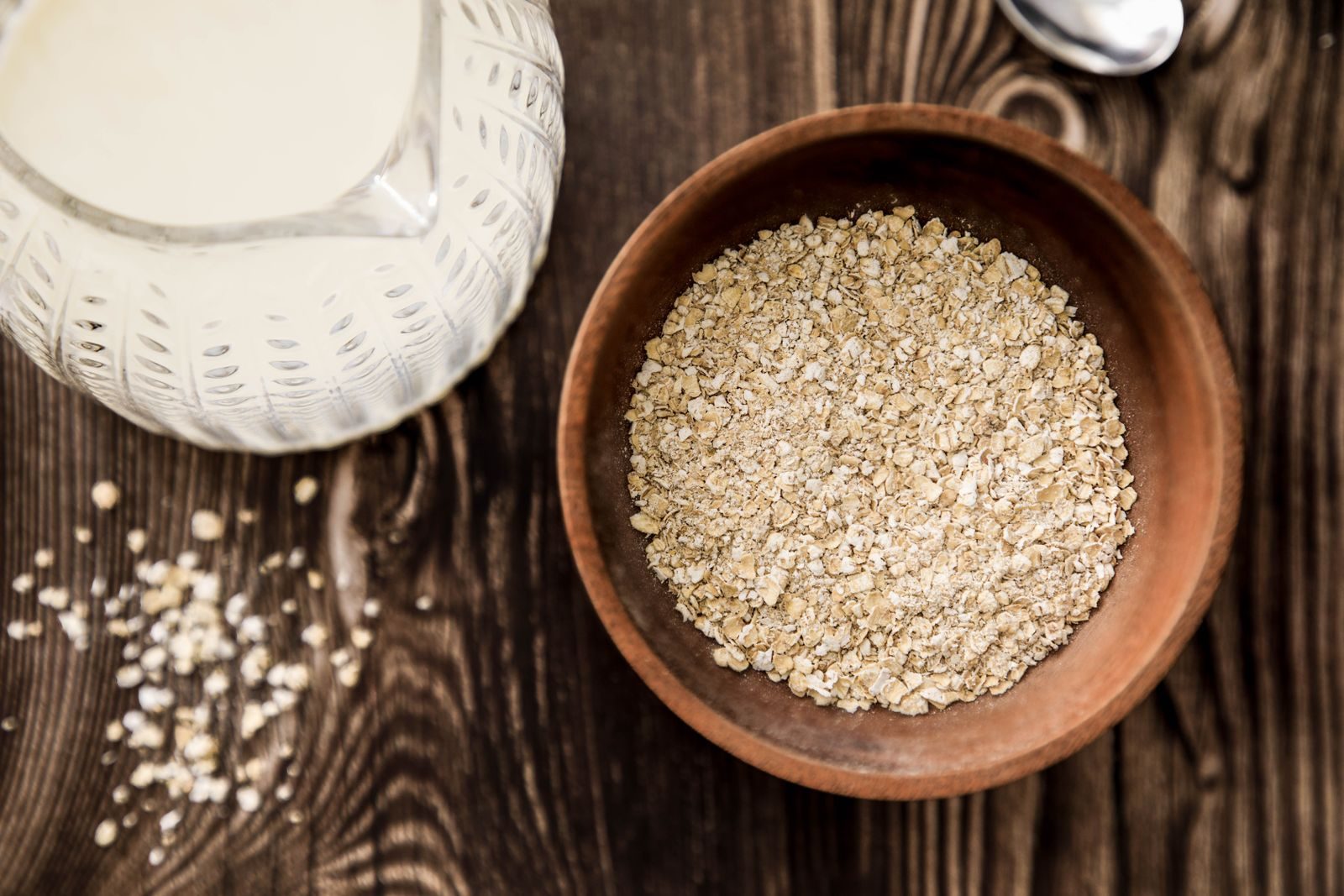
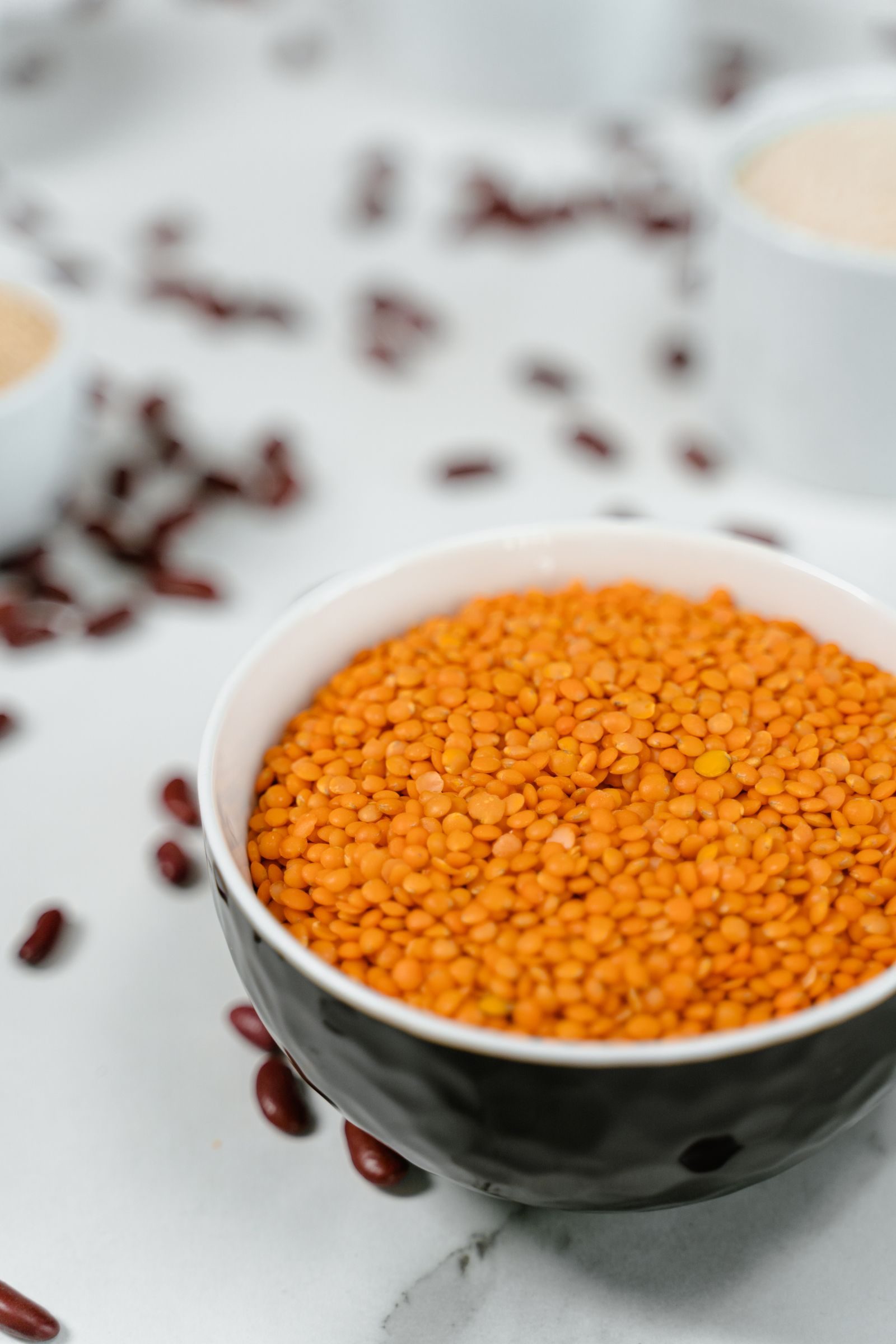
The fibre in vegetables, pulses and whole grains serves as food for the intestinal bacteria. It is found in oats, barley, lentils, chickpeas, beans, as well as in fruit such as the banana. These foods support a varied flora during treatment.
Fermented foods provide live cultures: plain yoghurt is the most common of them. Ciprofloxacin is absorbed less well with dairy products taken alone, so it is better to save the yoghurt for a proper meal rather than an empty stomach, spaced away from the dose. Along with your treatment, these habits keep the intestinal balance.


How ciprofloxacin works
Ciprofloxacin belongs to the fluoroquinolone family. It is a bactericidal antibiotic, which means that it kills bacteria rather than merely slowing their multiplication. To reproduce, a bacterium must copy its DNA, a long molecule coiled upon itself. Ciprofloxacin blocks two enzymes essential to this copying: DNA gyrase, a type II topoisomerase, and topoisomerase IV.
By neutralizing these enzymes, it prevents bacterial DNA from unwinding and replicating properly, which leads the bacterium to die. Its activity is particularly strong against Gram-negative bacilli, a broad category of bacteria, including Pseudomonas aeruginosa, which is often difficult to treat. This effectiveness explains why it is reserved for specific situations.
Why it is prescribed
The physician prescribes ciprofloxacin to treat bacterial infections that other antibiotics do not always cover. It is used in particular for urinary tract infections and prostatitis, for certain digestive infections such as typhoid fever and salmonellosis, and for infections of the bones and joints. It also serves as prophylaxis against inhalation anthrax and plague.
Taken by mouth, it passes well into the blood: its oral bioavailability reaches 70 to 80 %. The concentration peaks 1 to 1.5 hours after intake, and its elimination half-life is around 4 hours, somewhat longer in older people (3.3 to 6.8 hours). These values explain the dosing schedule and the duration of action of the medicine.
How to take it day to day
The oral form is most often taken twice a day, at regular intervals. Taking it with a meal reduces digestive discomfort without harming its effectiveness. The prescribed course must be followed through to the end, even if symptoms improve beforehand, and the treatment should not be stopped on one's own initiative.
Certain foods and medicines interfere with its absorption. Dairy products taken alone, such as milk or yoghurt, and calcium-fortified juices reduce its passage into the blood; it can nonetheless be taken during a meal that contains them. Antacids and calcium, iron or zinc supplements chemically bind it: they must then be spaced at least 2 hours before or 6 hours after ciprofloxacin.
The effects to know about
In clinical trials, the most frequent adverse effects remain digestive and moderate. Nausea affects 2.5 % of patients, diarrhoea 1.6 %, vomiting 1 % and skin rash 1 %. Abnormal liver function tests appear in 1.3 % of treated individuals.
A rarer effect deserves particular attention: ciprofloxacin can cause inflammation or rupture of a tendon, especially the Achilles tendon. This event can occur from a few hours to several months after treatment, and is the subject of the highest safety warning from the United States medicines agency. Sudden pain or swelling of a tendon should lead one to stop the effort and seek medical advice.
The other warnings
Other safety warnings of the same level accompany this medicine. It can affect the peripheral nerves and cause a neuropathy, produce neuropsychiatric effects, and worsen myasthenia gravis, a muscle disease. Ciprofloxacin can also prolong the heart's QT interval, and cases of torsades de pointes, a rhythm disorder, have been reported after marketing.
It can disturb blood sugar in both directions, with hypoglycaemia that is sometimes severe or even fatal when it is added to an oral antidiabetic. The skin becomes more sensitive to the sun and to UV, which exposes one to moderate to severe photosensitivity reactions. Like any antibiotic, it can finally promote diarrhoea due to Clostridioides difficile, a bacterium whose toxins A and B cause forms that are sometimes serious.
Interactions and monitoring
Some combinations call for caution, or even prohibition. By blocking a liver enzyme, CYP1A2, ciprofloxacin increases the concentrations of theophylline and caffeine. It also raises those of ciclosporin, an immunosuppressant, whose concentrations require monitoring. This inhibition of CYP1A2 makes the combination with tizanidine, a muscle relaxant, contraindicated, because its concentrations rise sharply. With warfarin, an anticoagulant, the prothrombin time, the INR and any sign of bleeding must be monitored.
Monitoring accompanies the treatment according to the patient's condition and its duration. It covers signs of tendinitis, mental state, the complete blood count, kidney and liver function and blood sugar. The physician remains attentive to the appearance of diarrhoea that could signal a C. difficile infection. These checks make it possible to adjust or stop the treatment at the right time.
Sources
Related molecules
To explore in the « Anti-infectives » family and its neighbours.
See the whole « Anti-infectives » family · Back to the atlas
Supplements to consider
Beyond the plate, a single isolated nutrient can be worth discussing, to confirm with your doctor or pharmacist. Here is which one and in which form.
Probiotics
Probiotics are live micro-organisms, mainly lactobacilli and bifidobacteria. The CFU count and the number of strains are among the selection criteria; gastro-resistant capsules protect the bacteria from stomach acidity.
Preferred form gastro-resistant capsules, several strains, CFU count stated
Frequently asked questions
What are the side effects of ciprofloxacin?
The patient leaflet lists common digestive effects such as nausea and diarrhoea, along with rarer but serious effects involving the tendons, the nervous system or the skin (photosensitivity). For the complete list and what applies to you, refer to the medicine's leaflet and speak with your doctor or pharmacist.
Can you take ciprofloxacin with dairy products or calcium?
The leaflet notes that calcium, but also iron, magnesium or zinc, can reduce the absorption of ciprofloxacin if taken at the same time. This is why it is generally advised to space out dairy products and mineral supplements. Follow the instructions in the leaflet and ask your pharmacist for advice.
Can you drink alcohol while taking ciprofloxacin?
Alcohol does not block the action of the antibiotic, but it can heighten certain side effects such as nausea, dizziness or fatigue. For your own situation, refer to the leaflet and to the advice of your doctor or pharmacist.
Can ciprofloxacin cause tendon pain?
Ciprofloxacin belongs to the fluoroquinolone family, for which the leaflet flags a risk of tendinitis, and even tendon rupture. If you experience tendon pain, it is recommended to stop and see your doctor promptly. Refer to the leaflet for the detailed precautions.
Why does ciprofloxacin disrupt gut flora?
Like most antibiotics, ciprofloxacin acts on bacteria beyond those targeted by the treatment, and studies link antibiotic therapy to an imbalance of the gut microbiome that can persist for several weeks. This imbalance is associated with the frequency of diarrhoea seen during or after a course of antibiotics.
Which probiotics to consider for gut flora while taking an antibiotic?
A Cochrane review links taking probiotics to a reduced risk of antibiotic-associated diarrhoea. Among the most studied strains are Lactobacillus rhamnosus GG and the yeast Saccharomyces boulardii; for bacterial strains, common practice is to take them apart from the antibiotic dose. A healthcare professional can confirm whether this is relevant in your situation.
Ces réponses portent sur le volet nutritionnel. Pour toute question sur votre médicament, la notice et votre médecin ou pharmacien font foi.