Levofloxacin
antibiotic · fluoroquinolone
Third-party optionBy the Layer Nutrition editorial team
What this medicine is for
Pharmacologically, Levofloxacin relates to the category “antibiotic (fluoroquinolone)”. Antibiotics treat infections caused by bacteria. They are taken as a course, over a set duration, until the end of the prescription.
In the case of Levofloxacin, this means: Treats a bacterial infection. Its use is generally limited in time, adjusted to the situation.
Under which brands it is found
Lévofloxacine entre dans la composition d'environ 16 présentations recensées en France. On la trouve sous plusieurs noms de marque et en génériques.
- Dugressa
- Levofloxacine Accord Healthcare
- Levofloxacine Arrow
- Levofloxacine Arrow Lab
- Levofloxacine Biogaran
- Levofloxacine Cristers
- Levofloxacine Eg
- Levofloxacine Evolugen
- and other presentations
Original brand-name products and generics deliver the same active substance; the choice between them is made with your doctor or pharmacist.
On the plate: potassium and magnesium
While taking levofloxacin, a deficiency in potassium or magnesium can promote QT prolongation and a cardiac rhythm disorder. Keeping both minerals at a good level through diet helps maintain balance during treatment.
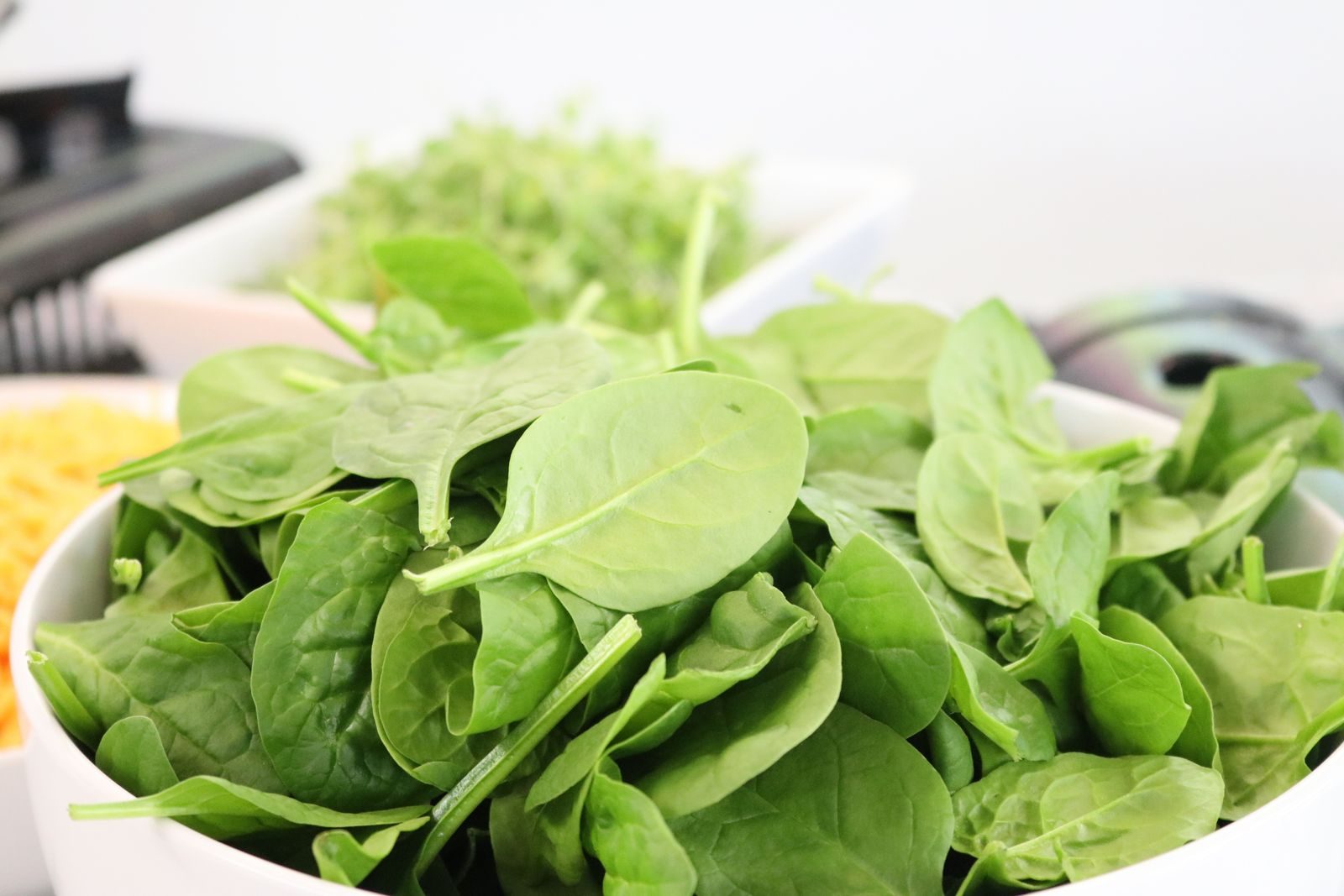
Potassium is found mainly in vegetables and fruit: potato, sweet potato, spinach, lentils, beans, avocado, dried apricot, banana. Spreading these foods across the day rebuilds reserves without any particular effort.
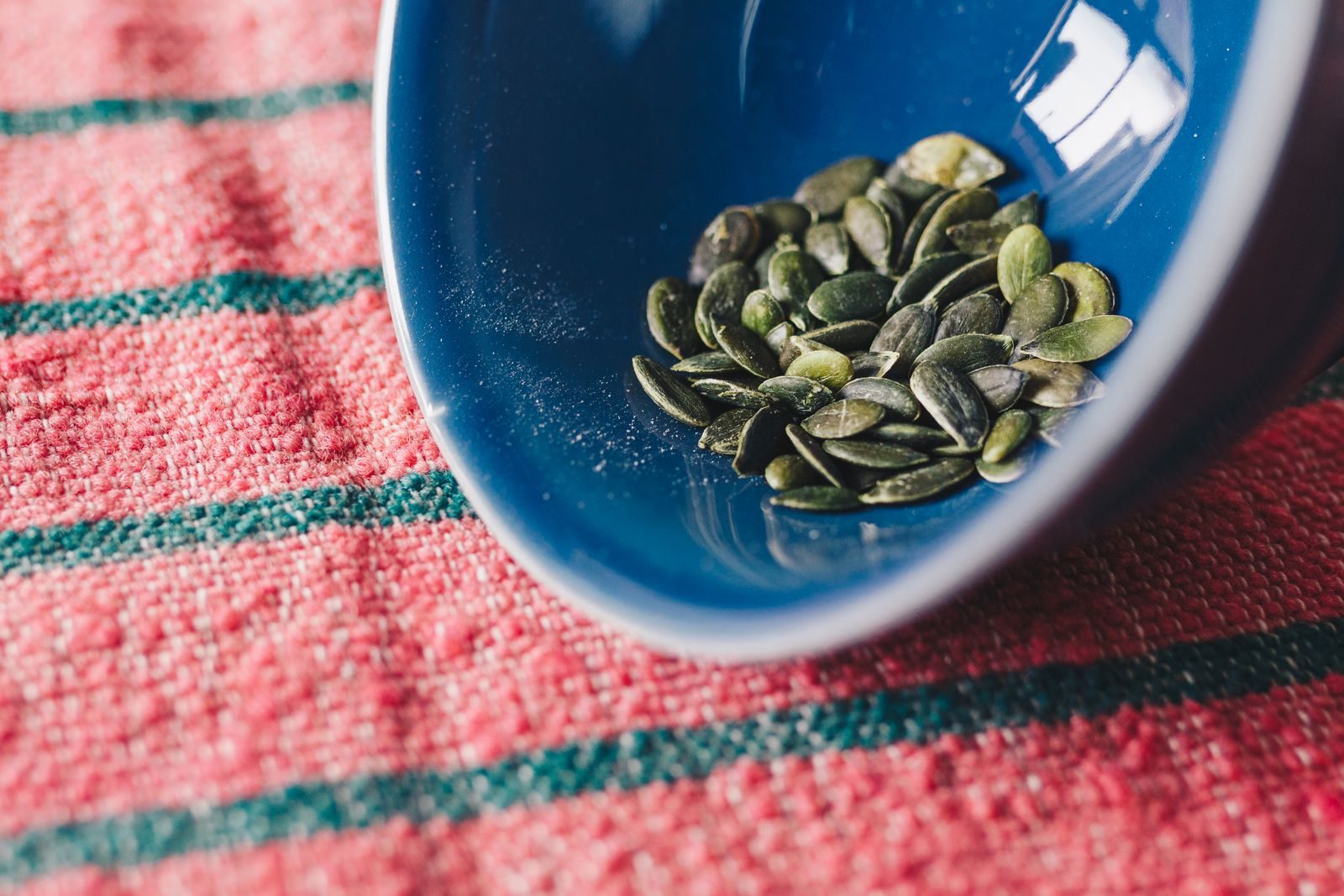
Magnesium comes mainly from green leafy vegetables, tree nuts such as walnuts and almonds, pumpkin seeds, whole grains and dark chocolate. Several of these foods provide both at once, such as spinach, lentils and pumpkin seeds, in addition to your treatment.


How levofloxacin works
Levofloxacin is an antibiotic in the fluoroquinolone family. It inhibits bacterial DNA gyrase, a type II topoisomerase, which causes DNA strand breaks and blocks bacterial replication. Like other fluoroquinolones, it also acts on a second enzyme, topoisomerase IV. By disrupting these two enzymes, it prevents the bacterium from copying its genetic material and dividing.
Its spectrum is broad, with enhanced activity against Gram-positive bacteria, notably Streptococcus pneumoniae, the pneumococcus responsible for many respiratory infections. Its action against Pseudomonas aeruginosa remains lower than that of ciprofloxacin. This profile explains why it is often chosen for respiratory tract infections.
Why it is prescribed
Levofloxacin treats many bacterial infections. It is used in community-acquired or hospital-acquired pneumonia, acute bacterial sinusitis and exacerbation of chronic bronchitis. It also serves in urinary tract infections and pyelonephritis, as well as in chronic bacterial prostatitis.
Its scope extends to skin infections and to rarer situations such as anthrax and plague. The doctor chooses levofloxacin when the target bacterium is susceptible to it and the benefit outweighs the risks specific to fluoroquinolones. Once treatment has started, it is carried through to the end of the prescribed duration, even if symptoms ease before the end.
How to take it day to day
Levofloxacin is generally taken once a day, at a fixed time. The tablet is taken with or without food, whereas the oral solution is taken 1 hour before or 2 hours after a meal. It is important to drink plenty of fluids throughout treatment. Taken orally, it is almost completely absorbed, with a bioavailability of about 99 % and a blood peak reached in about 1 hour and a half.
Certain intakes reduce its absorption and must be separated by at least 2 hours: antacids containing magnesium or aluminium, iron salts, zinc supplements, sucralfate and didanosine. Calcium, for its part, has only a minimal effect. The dose is not changed and treatment is not stopped on one's own initiative, because early interruption promotes relapse and resistance.
The effects to know about and their frequency
The most frequent adverse effects affect between 1 person in 100 and 1 in 10: insomnia, anxiety, headache, dizziness, drowsiness, nausea, vomiting, diarrhoea and abdominal pain. Between 1 in 1,000 and 1 in 100, a confusional state, tremor, dyspepsia, flatulence, constipation, tachycardia and palpitations are observed.
Rarer, between 1 in 10,000 and 1 in 1,000, are tendon disorders, including tendinitis and tendon rupture, for example the Achilles tendon, as well as seizures, ventricular arrhythmias and torsades de pointes. These rare effects are serious and warrant knowing the warning signs in order to react quickly.
Tendons, heart and blood sugar: the points to watch
A tendon disorder can occur as early as the first 48 hours of treatment. The risk is higher after age 60, when taking corticosteroids and in the presence of kidney failure. Pain, swelling or discomfort in a tendon should lead to stopping the exertion and seeking care without delay.
On the heart side, uncorrected hypokalaemia or hypomagnesaemia increases the risk of QT prolongation and torsades de pointes, which justifies checking and correcting these minerals before and during treatment. Levofloxacin can also cause dysglycaemia: hypoglycaemia, especially in diabetic patients treated with insulin or oral hypoglycaemic agents, and hyperglycaemia. In these patients, blood sugar is monitored during treatment.
Liver, interactions and monitoring
The liver is rarely involved: severe idiosyncratic hepatic injury linked to fluoroquinolones is estimated at about 1 case per 100,000 people exposed. Minor elevations of liver enzymes occur in 1 to 3 % of patients and most often remain without consequence. The drug's half-life is 6 to 8 hours in a healthy adult, but it lengthens to 27-35 hours in cases of kidney failure, because about 87 % of the dose is eliminated unchanged in the urine.
Monitoring brings together several parameters: kidney and liver function, blood sugar, complete blood count and signs of tendinitis. When combined with warfarin, the INR is monitored to adjust anticoagulation. This monitoring allows the dose to be adapted, notably when kidney function is reduced, and to spot early the effects that call for stopping treatment.
Sources
Related molecules
To explore in the « Anti-infectives » family and its neighbours.
See the whole « Anti-infectives » family · Back to the atlas
Supplements to consider
Beyond the plate, a single isolated nutrient can be worth discussing, to confirm with your doctor or pharmacist. Here is which one and in which form.
Probiotics
Probiotics are live micro-organisms, mainly lactobacilli and bifidobacteria. The CFU count and the number of strains are among the selection criteria; gastro-resistant capsules protect the bacteria from stomach acidity.
Preferred form gastro-resistant capsules, several strains, CFU count stated
Frequently asked questions
What are the side effects of levofloxacin?
According to the patient leaflet, the most common effects of this fluoroquinolone are digestive: nausea, vomiting, and diarrhea. Rarer but serious effects are described, notably on the tendons, nerves, and mood. For the full list and what to do, refer to the patient leaflet and speak with your doctor or pharmacist.
Can levofloxacin damage your tendons?
The patient leaflet for fluoroquinolones mentions a risk of tendinitis and, rarely, tendon rupture, particularly of the Achilles tendon. If you have pain or swelling in a tendon, the recommendation is to stop the activity and contact a doctor promptly. This question is a matter for your healthcare professional.
What are the main levofloxacin interactions?
According to the patient leaflet, products containing aluminum, magnesium, calcium, iron, or zinc can reduce its absorption, and combining it with anticoagulants can increase the risk of bleeding. The list of interactions is broader: report all your treatments to your doctor or pharmacist and follow the patient leaflet.
Can you take levofloxacin with dairy or a calcium supplement?
The patient leaflet states that calcium and other mineral salts can reduce the absorption of the antibiotic if taken too close together. The precise spacing rule between doses is given in the patient leaflet; ask your pharmacist how to organize your doses. Do not change your treatment on your own.
Does levofloxacin disrupt your gut flora?
Fluoroquinolones such as levofloxacin act on a wide range of bacteria, which can unbalance the gut microbiota. This imbalance is associated with the diarrhea that frequently accompanies antibiotics, an effect described by public health portals such as Antibio'Malin. If digestive problems persist, speak with your doctor or pharmacist.
Which probiotics should you consider for gut flora while taking levofloxacin?
Research links taking probiotics to better digestive tolerance of antibiotics: review articles, including a Cochrane review, connect probiotics to a reduced risk of Clostridioides difficile diarrhea during antibiotic therapy. The most studied strains are Saccharomyces boulardii and Lactobacillus rhamnosus GG, to be considered in the form of live cultures. Ask your doctor or pharmacist for advice before combining any with your treatment.
Ces réponses portent sur le volet nutritionnel. Pour toute question sur votre médicament, la notice et votre médecin ou pharmacien font foi.