Ofloxacin
antibiotic · fluoroquinolone
Third-party optionBy the Layer Nutrition editorial team
What this medicine is for
Ofloxacin is a medicine in the category "antibiotic (fluoroquinolone)". Antibiotics treat infections caused by bacteria. They are taken as a course, for a set duration, to the end of the prescription.
Concrètement, pour Ofloxacine : Traite une infection bactérienne. Il s'emploie plutôt de façon ponctuelle ou en cure courte, le temps de passer un épisode.
Under which brands it is found
In France, about 14 reimbursable presentations containing Ofloxacin are recorded. It comes under various trade names and in generic form.
- Exocine
- Monoflocet
- Monoox
- Oflocet
- Ofloxacine Almus
- Ofloxacine Arrow
- Ofloxacine Biogaran
- Ofloxacine Cristers
- and other presentations
Original brand-name products and generics deliver the same active substance; the choice between them is made with your doctor or pharmacist.
On the plate: calcium, iron and the right timing
Ofloxacin forms complexes with certain minerals: calcium, iron, magnesium and zinc bind to the tablet in the intestine and reduce its absorption. The point is not to remove these foods, but to shift when you eat them around the time of the dose.
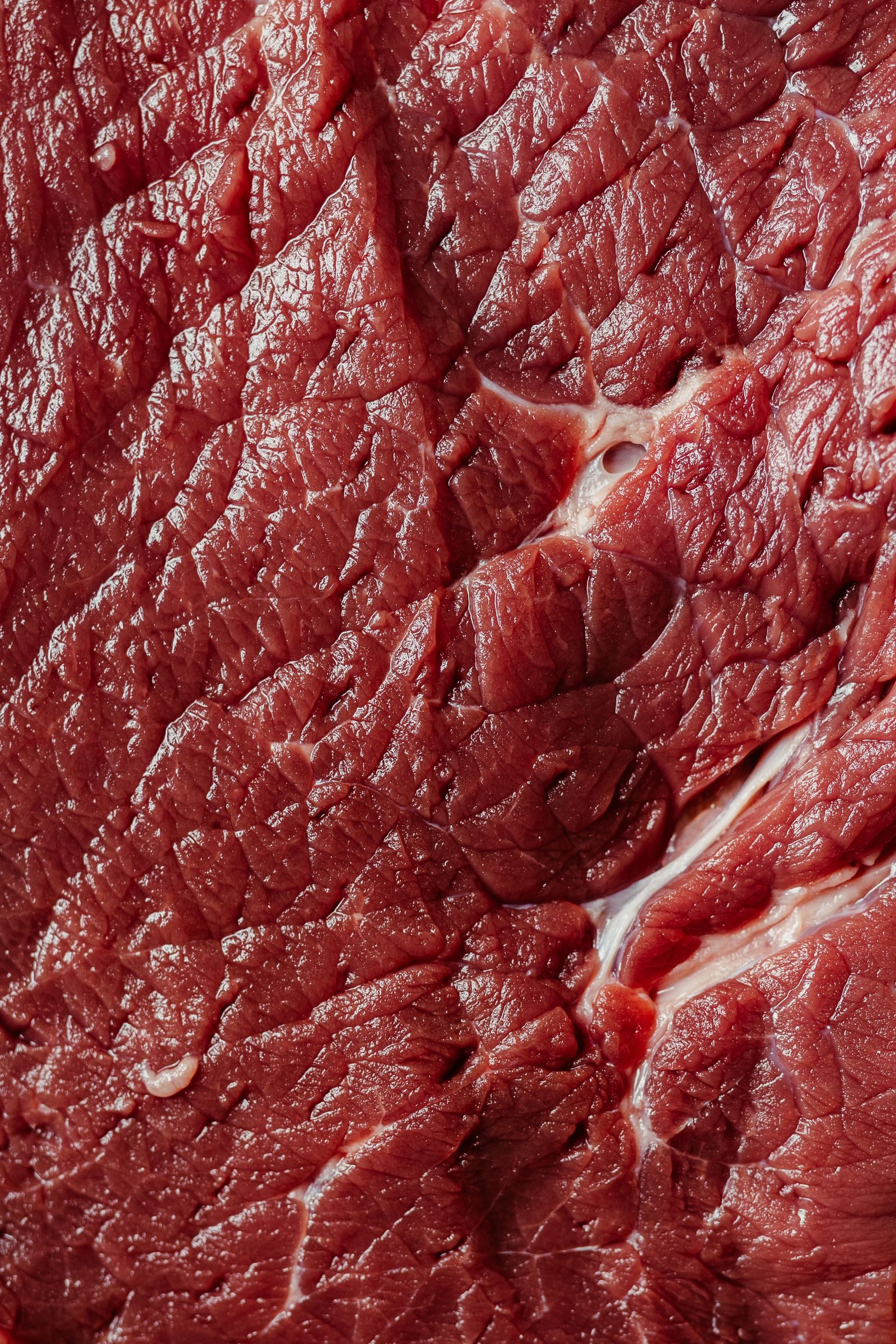
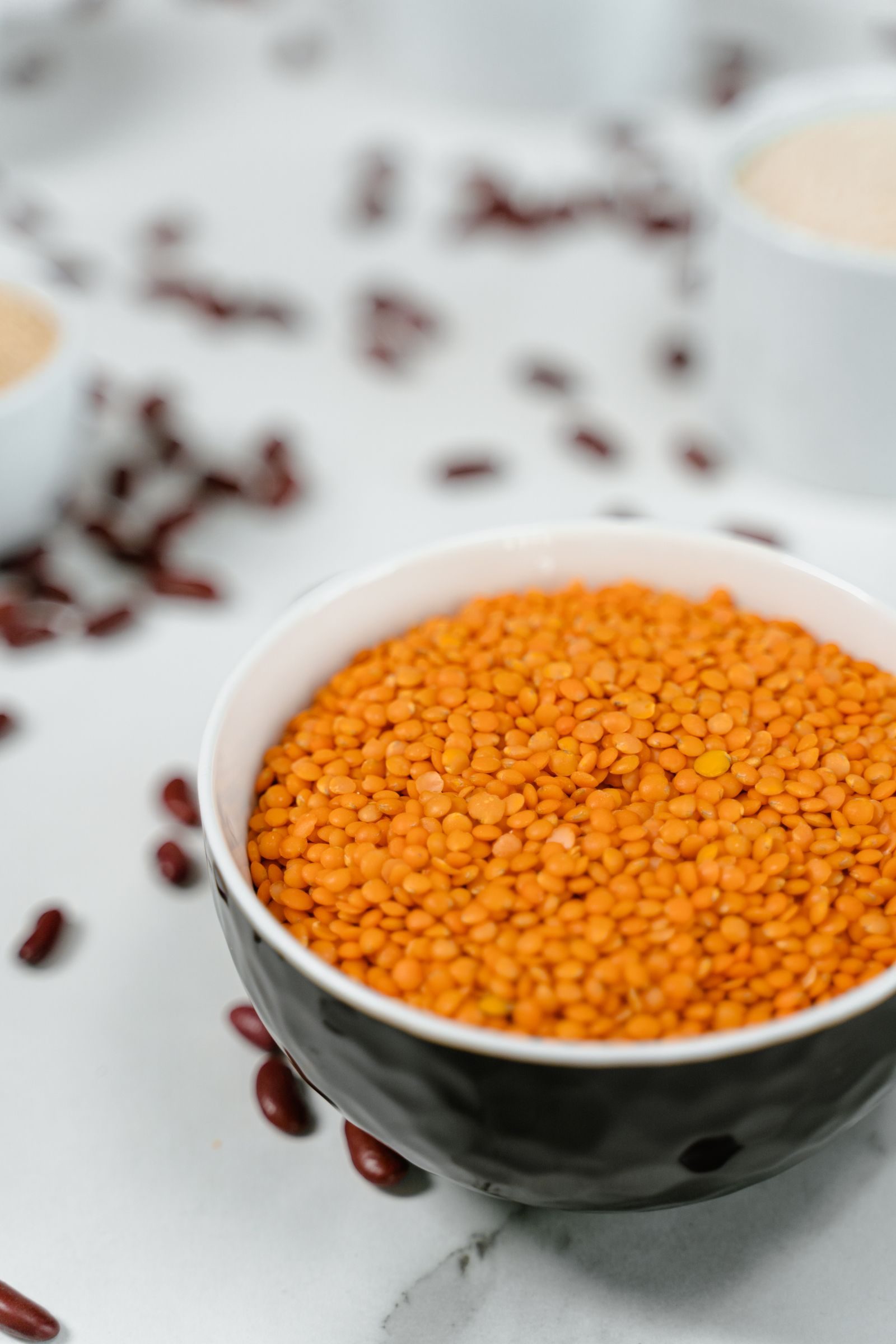
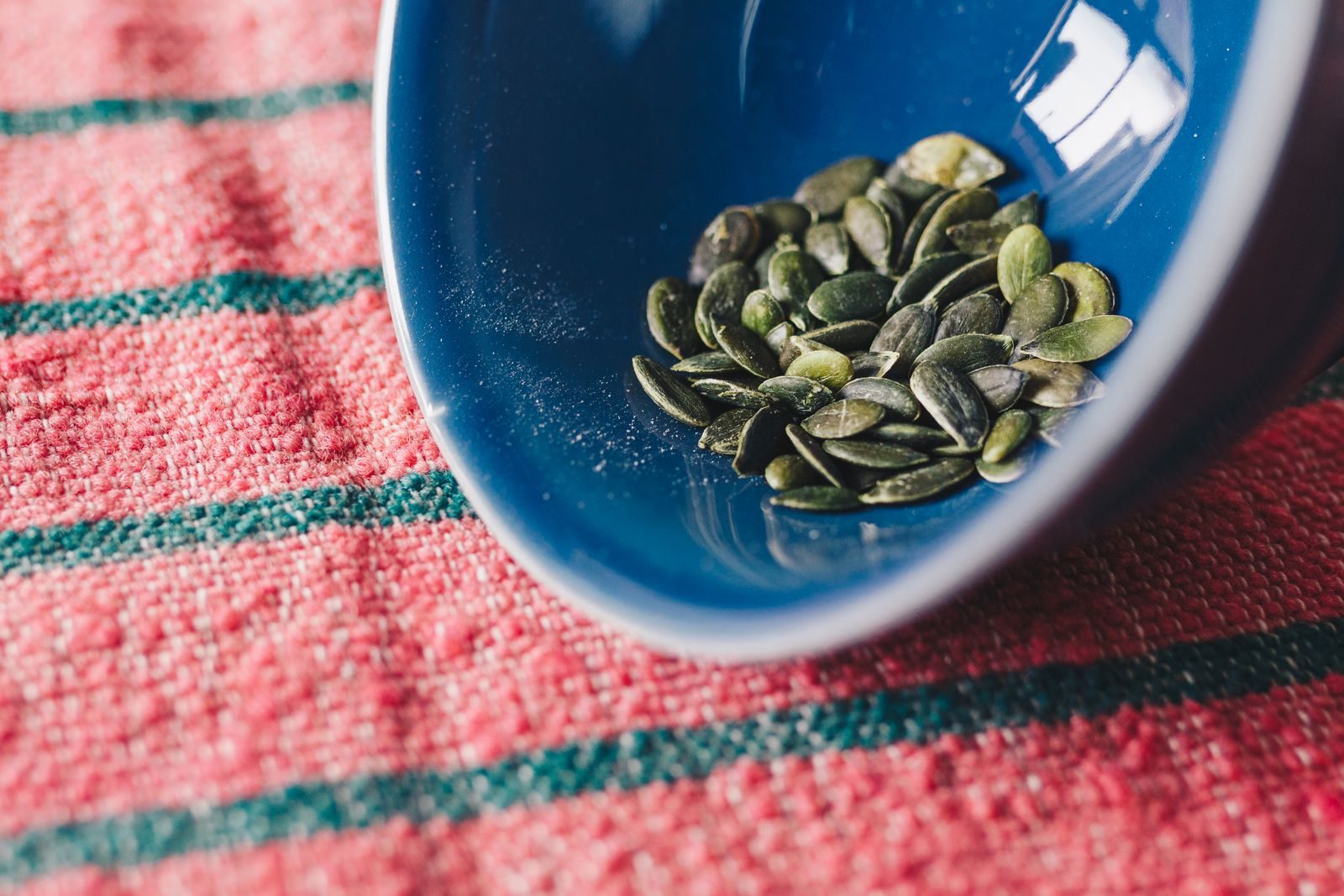
Calcium is concentrated in dairy products: cheese, yoghurt and milk. Iron comes from red meat, legumes such as lentils and chickpeas, and spinach. Magnesium and zinc are found in pumpkin seeds, nuts and whole grains. These three families of minerals are precisely the ones that capture the antibiotic during intestinal absorption.
These foods keep their full place in your meals. The point that matters is when you eat them: spacing them out by about two hours around the time you take the tablet prevents these cations from binding to ofloxacin in the intestine. In practice, taking the tablet well apart from a large glass of milk or a dish rich in legumes preserves its absorption, and with it your treatment.

How ofloxacin works
Ofloxacin belongs to the fluoroquinolone family and acts in a bactericidal way, meaning it kills the bacterium rather than merely slowing its growth. It inhibits two bacterial enzymes, DNA gyrase and topoisomerase IV, which are type II topoisomerases. These enzymes untangle, cut and rewind DNA so the bacterium can copy and read it. By blocking them, ofloxacin prevents the replication and transcription of bacterial DNA, and the bacterium can no longer divide.
These two targets are specific to bacteria, so the effect on the equivalent enzymes in our own cells remains weak. Ofloxacin covers both Gram-positive and Gram-negative bacteria, which explains its broad spectrum. This dual activity on DNA gyrase and topoisomerase IV makes it effective against many organisms responsible for common infections.
Why ofloxacin is prescribed
Taken orally, ofloxacin treats several bacterial infections. It is used in acute pyelonephritis, complicated urinary tract infections and uncomplicated cystitis, as well as in non-gonococcal urethritis and cervicitis and in gonococcal infections. It also serves during acute exacerbations of chronic obstructive pulmonary disease and in community-acquired pneumonia. The choice of indication and dose lies with the physician, according to the organism and the site of the infection.
After intake, oral absorption is rapid and almost complete: about one hour after a 200 mg dose, the plasma concentration reaches a peak close to 2.6 µg/ml. The elimination half-life is between 5.7 and 7 hours and does not depend on the dose. Elimination is mainly renal, since 80 to 90 % of the dose is found in the urine in unchanged form. In cases of severe renal impairment, the dosage is adjusted and the serum concentration monitored.
How to take it day to day
The tablet is swallowed whole with enough liquid, before or during a meal. The usual dose ranges from 200 to 800 mg per day: up to 400 mg can be taken all at once, preferably in the morning, and the maximum dose of 800 mg per day is split into two doses of 400 mg. Taking it regularly maintains an effective concentration throughout the treatment.
Ofloxacin should not be taken within the two hours surrounding a mineral antacid, sucralfate or a preparation containing aluminium, iron, magnesium or zinc, because these cations reduce its absorption. The treatment is followed until the end date set by the physician, even if symptoms improve before then, and it is not stopped on one's own initiative.
The common effects worth knowing
The most frequent adverse effects, reported in at least 1 patient in 100, are first of all digestive and neurological. They include abdominal pain, diarrhoea, nausea and vomiting, as well as dizziness and headaches. These manifestations are the most common with the treatment.
A step below, between 1 case in 1,000 and 1 in 100, are the uncommon effects: anaemia, agitation, insomnia, drowsiness and paraesthesia, those sensations of tingling or numbness. Knowing their frequency helps to place what falls within the expected and what warrants mentioning to the physician.
The rare but serious effects
Some effects are rare but call for particular vigilance. Tendinitis and tendon rupture, in particular of the Achilles tendon and sometimes on both sides, can occur, at times within the first 48 hours of treatment. Blood sugar disturbances have also been reported, both hypoglycaemia and hyperglycaemia, with cases of hypoglycaemic coma mainly in diabetic patients; in them, blood sugar monitoring is recommended. On the liver side, minor elevations of liver enzymes affect 1 to 3 % of patients receiving ciprofloxacin, norfloxacin or ofloxacin, while clinically overt liver injury remains rare, estimated at about 1 case per 100,000 exposures for the fluoroquinolone class.
Other rare effects include anaphylactic reactions, convulsions, hepatitis and Stevens-Johnson syndrome. Very rare effects include aneurysm or dissection of the aorta, heart valve regurgitation and acute renal failure. Their rarity does not remove the need to seek care promptly in the face of tendon pain, an extensive skin reaction or an unusual feeling of unwellness.
Interactions and monitoring
Several drug combinations call for caution. Theophylline and non-steroidal anti-inflammatory drugs lower the seizure threshold in the presence of quinolones and increase the risk of convulsions. With vitamin K antagonists such as warfarin, coagulation tests (PT and INR) and the risk of bleeding increase and must be monitored. With glibenclamide, ofloxacin can slightly raise plasma concentrations and requires blood sugar monitoring, and caution remains in order with medicines that prolong the QT interval.
The interaction with divalent and trivalent cations completes this picture. Iron, aluminium and calcium form complexes with ofloxacin and lower its bioavailability: to 67.4 % with ferrous sulfate, to 69.3 % with aluminium hydroxide and to 73.8 % with calcium carbonate, a chelation phenomenon that also concerns magnesium and zinc. Spacing out the doses is the recommended measure to preserve the antibiotic's effectiveness. In the patient with renal impairment, dose adjustment and monitoring of the serum concentration round out the follow-up.
Sources
Related molecules
To explore in the « Anti-infectives » family and its neighbours.
See the whole « Anti-infectives » family · Back to the atlas
Supplements to consider
Beyond the plate, a single isolated nutrient can be worth discussing, to confirm with your doctor or pharmacist. Here is which one and in which form.
Probiotics
Probiotics are live micro-organisms, mainly lactobacilli and bifidobacteria. The CFU count and the number of strains are among the selection criteria; gastro-resistant capsules protect the bacteria from stomach acidity.
Preferred form gastro-resistant capsules, several strains, CFU count stated
Frequently asked questions
What are the side effects of ofloxacin?
Ofloxacin, a fluoroquinolone, can cause digestive upset, nausea, dizziness or skin reactions; tendon problems are rarer but recognised. The full list appears in the leaflet: report any bothersome effect to your doctor or pharmacist.
Does ofloxacin have any drug interactions?
The leaflet lists interactions with certain medicines such as anticoagulants, theophylline or probenecid, and advises caution with products containing iron, calcium or magnesium, which interfere with its absorption. Tell your doctor or pharmacist about all your medicines and supplements before you start.
Can you take ofloxacin during pregnancy or breastfeeding?
The leaflet states that ofloxacin is not recommended during pregnancy or breastfeeding. That decision rests with your doctor: ask for their advice before taking it.
Should you avoid the sun and watch your tendons while on ofloxacin?
Ofloxacin can make the skin more sensitive to the sun and, more rarely, trigger tendon pain that sometimes appears early. The leaflet recommends avoiding sun exposure; if you feel pain in a tendon, stop and see your doctor.
Can you drink alcohol while taking ofloxacin?
The leaflet does not set a strict ban on alcohol with ofloxacin, but alcohol can worsen dizziness or drowsiness. For your own situation, refer to the leaflet and to your pharmacist.
Which probiotics to consider for gut flora while on antibiotics?
Like all antibiotics, fluoroquinolones can disrupt the gut flora, and Cochrane reviews link certain probiotics to a reduction in antibiotic-associated diarrhoea. The best-documented strains are Saccharomyces boulardii and Lactobacillus rhamnosus GG, taken well apart from the antibiotic dose. Advice from your doctor or pharmacist is still worthwhile.
Ces réponses portent sur le volet nutritionnel. Pour toute question sur votre médicament, la notice et votre médecin ou pharmacien font foi.