Piperacillin
antibiotic · penicillin
Third-party optionBy the Layer Nutrition editorial team
What this medicine is for
Pipéracilline appartient à la catégorie « antibiotique (pénicilline) ». Les antibiotiques traitent les infections dues à des bactéries. Ils se prennent en cure, sur une durée définie, jusqu'au bout de la prescription.
Dans le cas de Pipéracilline, cela se traduit ainsi : Traite une infection bactérienne. Son usage est en général limité dans le temps, ajusté à la situation.
Under which brands it is found
Pipéracilline entre dans la composition d'environ 12 présentations recensées en France. Elle se présente sous divers noms commerciaux et sous forme de génériques.
- Piperacilline Panpharma
- Piperacilline Tazobactam Viatris
- Piperacilline/Tazobactam Arrow
- Piperacilline/Tazobactam Eg
- Piperacilline/Tazobactam Kabi
- Piperacilline/Tazobactam Kalceks
- Piperacilline/Tazobactam Panpharma
- Piperacilline/Tazobactam Qilu
- and other presentations
Generics and the original brand are equivalent for the active substance; only the appearance, the name or the excipients may differ.
On your plate: potassium
Piperacillin can lower blood potassium, especially when stores are already low. Food helps replenish it, alongside medical monitoring.
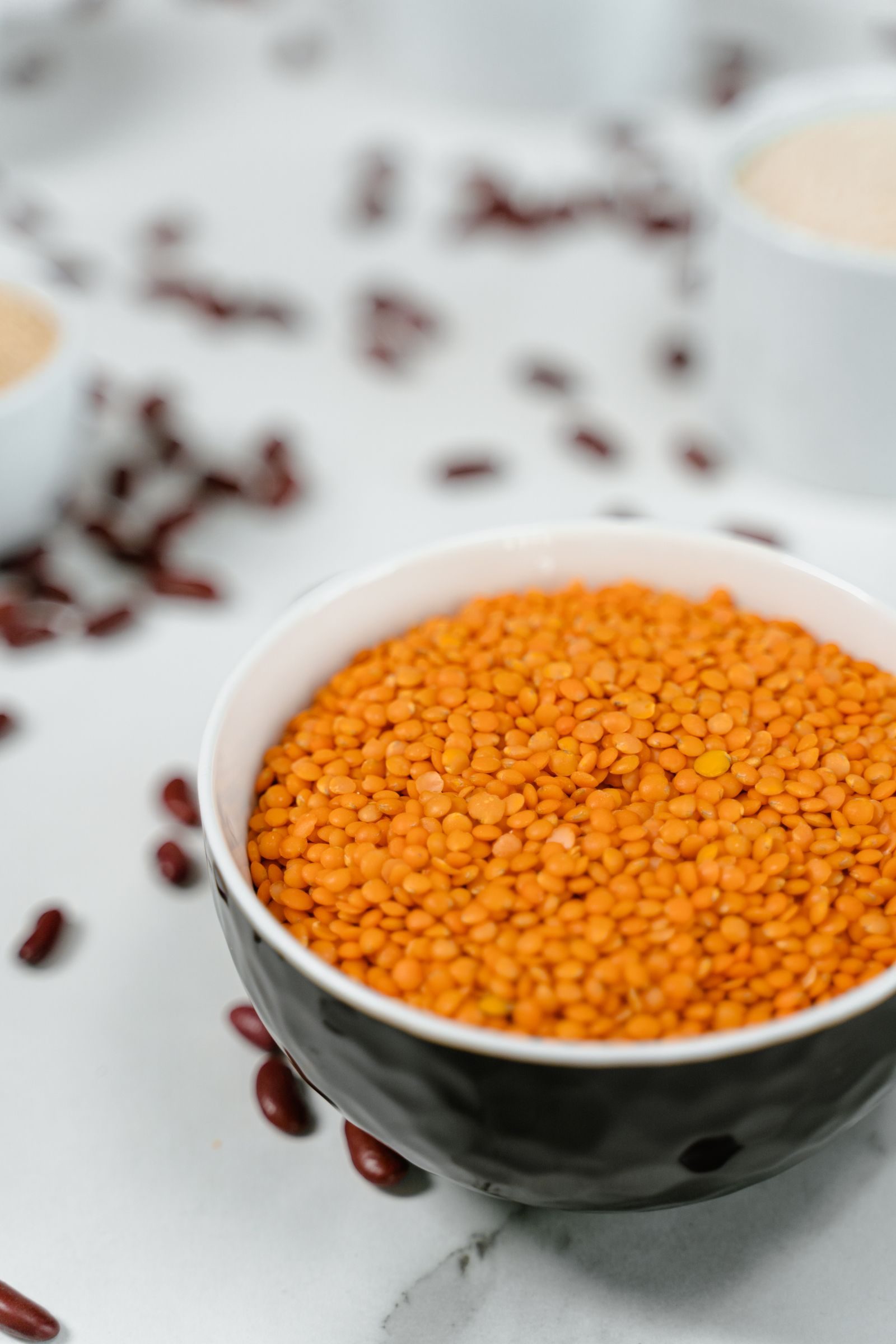
Potassium supports the muscles, the heart and the acid-base balance. It is found in bananas, potatoes and sweet potatoes, beans and lentils, dried apricots, tomatoes, salmon and sardines, meat, milk and yoghurt.
Spreading these foods across the day covers a good share of your needs. A potassium-rich starchy food such as sweet potato, a serving of legumes, a fruit such as a banana or a few dried apricots vary the sources effortlessly. Alongside your treatment, these intakes support a healthy potassium level.



How piperacillin works
Piperacillin belongs to the penicillin family, with a broad spectrum of action and a bactericidal effect. It acts on the bacterial wall: it binds to the penicillin-binding proteins, the PBPs, the enzymes that assemble peptidoglycan. By blocking the PBPs, it prevents the cross-linking of peptidoglycan and the formation of the septum as the bacterium divides. Deprived of a solid wall, the bacterium eventually ruptures and dies.
Piperacillin is often combined with tazobactam. This second compound does not attack the bacterium directly: it has little affinity for the PBPs. Its role is to inhibit beta-lactamases, enzymes that certain germs produce to break down penicillins. By neutralising these enzymes, tazobactam protects piperacillin and restores its activity against bacteria that would otherwise resist it.
Why piperacillin is prescribed
Piperacillin targets bacterial infections that are often severe or acquired in hospital. It is used in intra-abdominal, gynaecological, lower respiratory, urinary and skin infections, as well as in febrile neutropenia, the situation in which immune defences have collapsed and an infection can take hold quickly.
Its broad spectrum explains these uses. It covers many bacteria, including Pseudomonas aeruginosa, a germ known to be difficult, and anaerobes that live without oxygen. The choice of this antibiotic answers a precise target, decided by the medical team according to the site of infection and the suspected germs.
How it is administered
Piperacillin is not absorbed by mouth. It is given by injection, most often intravenously, sometimes intramuscularly. The question of taking it with or between meals therefore does not arise: it is a hospital treatment, set up and monitored by care staff.
The infusion lasts about 30 minutes, and the dose is repeated every 6 to 8 hours depending on the infection and kidney function. This close rhythm reflects a short half-life, on the order of 0.7 to 1.2 hours: the drug leaves the blood quickly, mainly through the urine, where about 68% of piperacillin is found unchanged. Repeating the doses maintains an active concentration against the bacterium.
The effects to know about
The most frequent adverse effects involve the digestive tract and the nervous system. In the trials, diarrhoea occurs in 11.3% of patients, constipation in 7.7%, headache in 7.7%, nausea in 6.9% and insomnia in 6.6%. The skin sometimes reacts, with a rash in 4.2% of cases and itching in 3.1%.
A treatment that runs long calls for blood monitoring. Beyond about 21 days, drops in white blood cells have been observed, in the form of leukopenia and neutropenia. A regular blood test follows the blood count and allows the treatment to be adjusted if these values fall.
Sodium and potassium
Piperacillin/tazobactam supplies sodium, on the order of 220 to 440 mg per dose depending on the presentation. This salt load matters in people with heart failure, high blood pressure or kidney failure, for whom sodium is already a daily point of vigilance.
This antibiotic can also lower blood potassium. This hypokalaemia is described in clinical observations, sometimes with metabolic alkalosis, and its incidence has been measured in dedicated studies. The risk rises when potassium stores are already low, or in the presence of diuretics or cytotoxic medicines. In these situations, an electrolyte measurement monitors the potassium level.
Interactions and monitoring
Several medicines interact with piperacillin. With anticoagulants, coagulation parameters call for close monitoring. Probenecid lengthens the antibiotic's half-life by slowing its elimination. Combined with vancomycin, piperacillin raises the risk of kidney injury, which makes it necessary to follow kidney function.
The follow-up therefore brings together several threads: kidney function, the blood count on long treatments, and the electrolytes when potassium is threatened. This treatment is conducted in hospital, and it is not stopped on one's own initiative: stopping an antibiotic too soon gives the bacterium a chance to come back.
Sources
- Piperacillin and Tazobactam for Injection label (Clinical Pharmacology, Mechanism of Action, Pharmacokinetics, Dosage, Adverse Reactions, Warnings, Drug Interactions)
- Piperacillin (Routes of administration, Medical uses)
- Piperacillin-tazobactam-induced hypokalemia and metabolic alkalosis (PMID 22022014)
- Incidence and Determinants of Piperacillin/Tazobactam-Associated Hypokalemia: A Retrospective Study (PMID 36010007)
- Electrolyte Disorders Associated with Piperacillin/Tazobactam: A Pharmacovigilance Study Using the FAERS Database (PMID 36830151)
- Potassium in diet
Related molecules
To explore in the « Anti-infectives » family and its neighbours.
See the whole « Anti-infectives » family · Back to the atlas
Supplements to consider
Beyond the plate, a single isolated nutrient can be worth discussing, to confirm with your doctor or pharmacist. Here is which one and in which form.
Probiotics
Probiotics are live micro-organisms, mainly lactobacilli and bifidobacteria. The CFU count and the number of strains are among the selection criteria; gastro-resistant capsules protect the bacteria from stomach acidity.
Preferred form gastro-resistant capsules, several strains, CFU count stated
Frequently asked questions
What is piperacillin used for?
Piperacillin is a broad-spectrum antibiotic in the penicillin family (ureidopenicillins), often combined with tazobactam (Tazocillin) and given by injection in a hospital setting to treat various bacterial infections. For the precise indication that applies to you, refer to the package leaflet and to your doctor or pharmacist.
What are the side effects of piperacillin?
The package leaflet notably mentions digestive problems (nausea, diarrhea) and skin reactions (rashes). Hypersensitivity reactions are also possible, particularly if you have a known allergy to penicillins or cephalosporins. For the full list and what to do, read the package leaflet and speak about it with your doctor or pharmacist.
What interactions should you know about with piperacillin?
The package leaflet notably notes that combining piperacillin/tazobactam with vancomycin may increase the risk of kidney injury, and precautions apply with methotrexate. Tell your care team about all your medicines, and refer to the package leaflet as well as to your doctor or pharmacist.
Can you receive piperacillin during pregnancy or breastfeeding?
Use during pregnancy or breastfeeding is assessed on a case-by-case basis by the doctor, depending on the expected benefit and the context. Tell your care team if you are pregnant, think you may be, or are breastfeeding, and consult the package leaflet as well as your doctor or pharmacist.
Why can piperacillin cause diarrhea?
Like other broad-spectrum antibiotics, piperacillin also acts on the bacteria of the gut flora, which research links to a risk of what is known as antibiotic-associated diarrhea, and even Clostridioides difficile colitis. Persistent or severe diarrhea during or after treatment should be reported without delay to your doctor or pharmacist.
What can you consider on the nutrition side for gut flora during piperacillin treatment?
Studies link taking probiotics to a reduction in antibiotic-associated diarrhea, with yeasts and ferments such as Saccharomyces boulardii or Lactobacillus. The active ingredient to consider is a documented probiotic strain (for example Saccharomyces boulardii), in capsule or sachet form. The timing and relevance of supplementation are decided with your doctor or pharmacist, taking your situation into account.
Ces réponses portent sur le volet nutritionnel. Pour toute question sur votre médicament, la notice et votre médecin ou pharmacien font foi.