Amoxicillin
antibiotic · penicillin
Third-party optionBy the Layer Nutrition editorial team
What this medicine is for
Amoxicilline est un médicament de la catégorie « antibiotique (pénicilline) ». Les antibiotiques traitent les infections dues à des bactéries. Ils se prennent en cure, sur une durée définie, jusqu'au bout de la prescription.
Pour Amoxicilline en pratique : Traite une infection bactérienne. Son usage est en général limité dans le temps, ajusté à la situation.
Under which brands it is found
En France, on recense environ 43 présentations remboursables contenant Amoxicilline. Elle se présente sous divers noms commerciaux et sous forme de génériques.
- Amoxicilline Acide Clavulanique Almus
- Amoxicilline Acide Clavulanique Sandoz
- Amoxicilline Almus
- Amoxicilline Almus Pharma
- Amoxicilline Arrow
- Amoxicilline Arrow Lab
- Amoxicilline Benta
- Amoxicilline Bgr
- and other presentations
Generics and the original brand are equivalent for the active substance; only the appearance, the name or the excipients may differ.
Supporting the microbiota during treatment
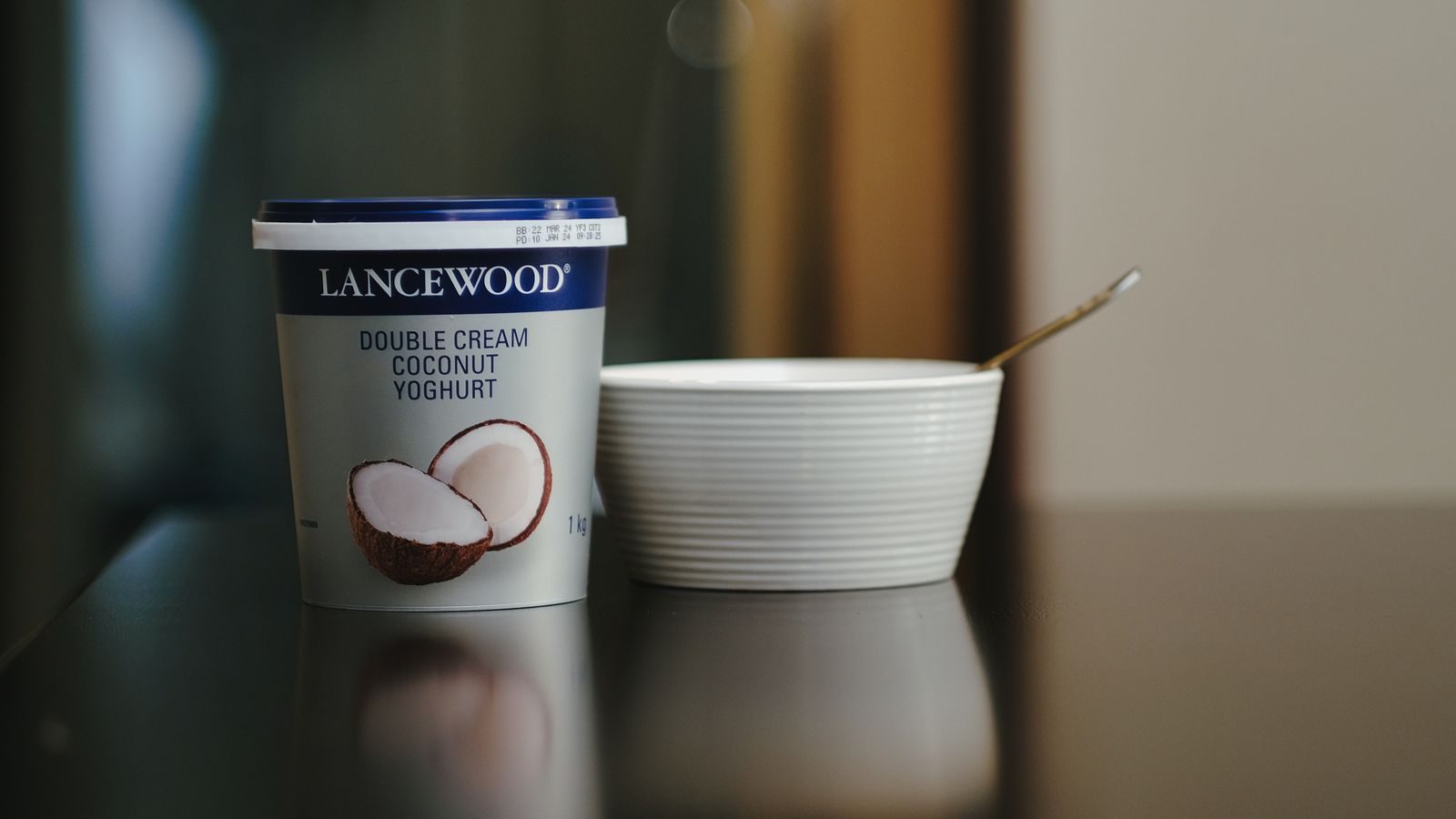
Amoxicillin can unbalance the gut microbiota for the duration of the course, which explains the diarrhoea sometimes observed. Diet helps support this flora, with fermented foods and fibre that nourish it meal after meal.
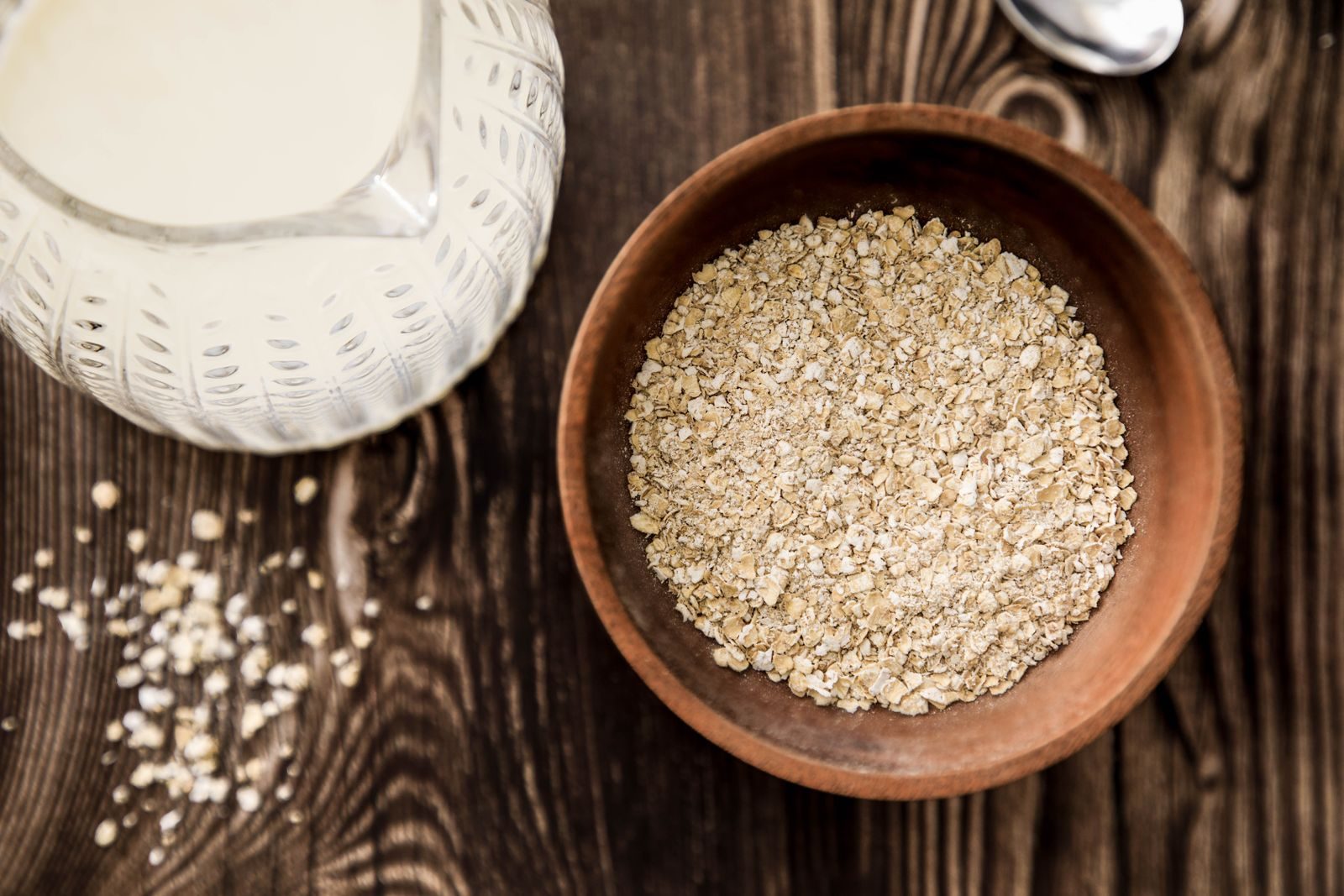
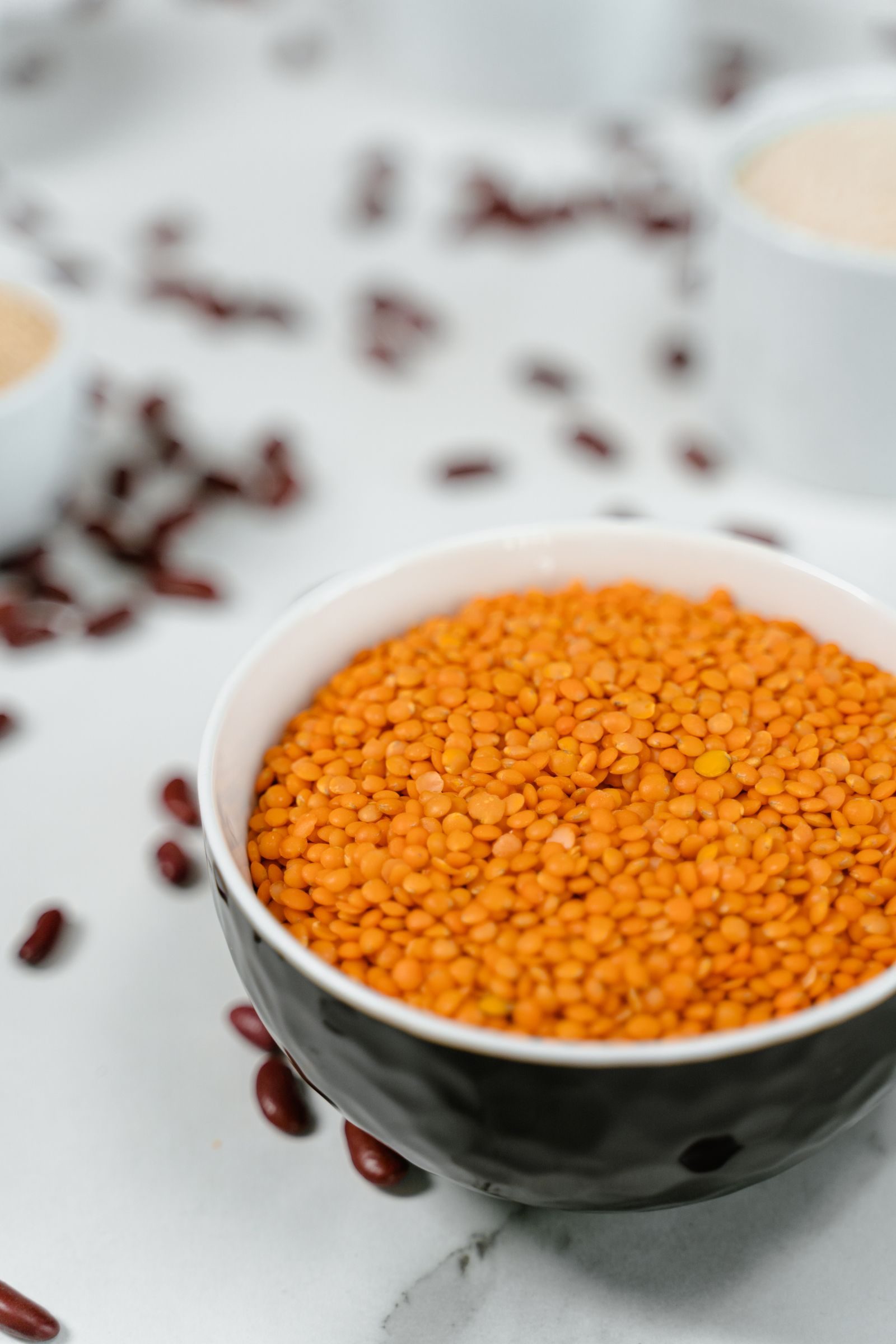
Fermented foods provide live cultures: plain yoghurt first of all, easy to add to every meal. As for fibre, which feeds the bacteria in the gut, rely on whole grains such as oats and barley, as well as legumes, lentils, beans and chickpeas.
Fruit and vegetables round out the intake: the banana, rich in fibre, slips easily into breakfast or a snack. Spreading this fibre across the day, together with a share of fermented foods, maintains the microbiota during and after the course, alongside your treatment.

How amoxicillin works
Amoxicillin belongs to the beta-lactam family, within the aminopenicillin group. It targets the construction of the wall that surrounds and protects the bacterium. To do so, it binds to the penicillin-binding proteins, the PBPs, enzymes lodged in that wall. By attaching to them, it blocks transpeptidation, the step that cross-links the peptidoglycan chains, the mesh that gives the wall its strength.
Deprived of these cross-links, the wall no longer holds. The cell then activates its own autolytic enzymes, which break it down from the inside. The bacterium ruptures and dies: amoxicillin is bactericidal, it kills the germ rather than merely slowing its multiplication.
Why amoxicillin is prescribed
Amoxicillin treats bacterial infections in several areas of the body. It is used against lower respiratory tract infections, ENT conditions (ear, nose, throat) and acute bacterial sinusitis. It also serves in certain urinary tract infections and skin infections.
It also plays a part in eradicating Helicobacter pylori, the stomach bacterium, in combination with other medicines. In every case it targets a bacterial infection: it has no effect on viruses. The choice of the drug, the dose and the duration rests with the doctor, according to the germ involved and the site of the infection.
How to take it day to day
The usual dose in capsules ranges from 250 mg to 500 mg, three times a day, to be spread evenly across the day, for example in the morning, in the middle of the afternoon and at bedtime. Depending on the form prescribed, doses are spaced 8 or 12 hours apart, at the same times each day. Food does not alter its absorption: you can take it with or away from meals. Taking it during a meal does, however, help limit stomach upset.
Regular timing matters, because the plasma half-life is short, about one hour in a healthy person: spacing doses evenly keeps a concentration effective against the germ. Complete the whole course, even if symptoms fade before the end, because feeling better does not mean that all the bacteria have gone. Do not stop the treatment on your own and speak to your doctor if you run into difficulty.
The effects to know about
The most common effects involve the digestive tract and the skin. Diarrhoea, nausea and skin rash are common: they affect between 1 person in 100 and fewer than 1 in 10. Vomiting, hives and pruritus, that is to say itching, are uncommon, from 1 person in 1,000 to fewer than 1 in 100.
Other effects remain very rare, in fewer than 1 person in 10,000: candidiasis of the skin and mucous membranes, antibiotic-associated colitis including pseudomembranous colitis, hepatitis and cholestatic jaundice, as well as a prolongation of bleeding time and prothrombin time. A severe allergic reaction, anaphylaxis, remains rare but possible: it is an emergency and calls for contacting emergency services without delay.
Antibiotics and the gut microbiota
The diarrhoea that sometimes accompanies the antibiotic is partly explained by a disturbance of the gut microbiota, the whole set of bacteria that populate the intestine. By targeting the germ responsible for the infection, the treatment also alters this flora, which can unbalance transit for the duration of the course.
A Cochrane review assessed probiotics in this context in children: it concludes there is a moderate protective effect in preventing antibiotic-associated diarrhoea, with a number needed to treat of 9 and a moderate level of evidence. In other words, about nine children need to be treated to avoid one episode of diarrhoea. Diet also supports this flora during and after the treatment.
Interactions and monitoring
Several medicines interact with amoxicillin. In people on oral anticoagulants, it can raise the INR, the international normalised ratio that measures coagulation, which warrants close monitoring. Probenecid slows its elimination by the kidney and therefore prolongs its blood concentrations, while the combination with allopurinol increases the frequency of skin rashes. A possible reduction in the effectiveness of hormonal contraceptives, pills, patches, rings and injections, is sometimes mentioned, but this link remains debated.
About 60% of the dose leaves unchanged in the urine within 6 to 8 hours: elimination is mainly renal. For a short course, no routine laboratory work-up is necessary. With prolonged use, renal, hepatic and haematological functions are monitored periodically. The prolongation of prothrombin time affects vitamin K-dependent coagulation, which overlaps with the vigilance to maintain in patients on anticoagulants.
Sources
Related molecules
To explore in the « Anti-infectives » family and its neighbours.
See the whole « Anti-infectives » family · Back to the atlas
Supplements to consider
Beyond the plate, a single isolated nutrient can be worth discussing, to confirm with your doctor or pharmacist. Here is which one and in which form.
Probiotics
Probiotics are live micro-organisms, mainly lactobacilli and bifidobacteria. The CFU count and the number of strains are among the selection criteria; gastro-resistant capsules protect the bacteria from stomach acidity.
Preferred form gastro-resistant capsules, several strains, CFU count stated
Frequently asked questions
What are the most common side effects of amoxicillin?
The most commonly reported are digestive problems, such as diarrhoea, nausea or loose stools, and sometimes skin rashes. These effects are listed in the medicine's leaflet. For any reaction that persists or worries you, refer to the leaflet and speak to your doctor or pharmacist.
Can you drink alcohol while taking amoxicillin?
The leaflet does not describe a direct interaction between amoxicillin and alcohol, but alcohol can worsen some digestive discomfort and tiredness. To manage your treatment, refer to the leaflet and to the advice of your doctor or pharmacist.
Is amoxicillin safe during pregnancy and breastfeeding?
Amoxicillin is among the antibiotics that health authorities consider usable during pregnancy and breastfeeding when the doctor judges it necessary. This decision always rests with the professional who follows you: refer to the leaflet and to their advice.
Does amoxicillin affect birth control?
A reduced effectiveness of oral contraception is sometimes raised with antibiotics. The interactions specific to your treatment are detailed in the leaflet, and your doctor or pharmacist can tell you what to do.
Should you take probiotics with amoxicillin?
Amoxicillin also acts on part of the gut flora, which research links to digestive problems such as diarrhoea. Review studies associate taking certain probiotics with better prevention of antibiotic-related diarrhoea. They are generally taken during the treatment and for a few days afterwards, spacing their intake apart from that of the antibiotic.
Which probiotic is best to take with antibiotics?
The most studied strains in this context are the yeast Saccharomyces boulardii and Lactobacillus rhamnosus GG. The yeast has the advantage of not being destroyed by the antibiotic, since it is not a bacterium. Favour a documented active ingredient, keeping an interval between the probiotic and the antibiotic, and on the advice of your pharmacist.
Ces réponses portent sur le volet nutritionnel. Pour toute question sur votre médicament, la notice et votre médecin ou pharmacien font foi.