Clavulanic acid
antibiotic · penicillin
Third-party optionBy the Layer Nutrition editorial team
What this medicine is for
Acide clavulanique appartient à la catégorie « antibiotique (pénicilline) ». Les antibiotiques traitent les infections dues à des bactéries. Ils se prennent en cure, sur une durée définie, jusqu'au bout de la prescription.
For Clavulanic acid in practice: Combined with a penicillin to broaden its antibacterial action. It is used rather occasionally or as a short course, to get through an episode.
Under which brands it is found
En France, on recense environ 18 présentations remboursables contenant Acide clavulanique. On la trouve sous plusieurs noms de marque et en génériques.
- Amoxicilline Acide Clavulanique Almus
- Amoxicilline Acide Clavulanique Sandoz
- Amoxicilline/Acide Clavulanique Almus
- Amoxicilline/Acide Clavulanique Arrow
- Amoxicilline/Acide Clavulanique Arrow Lab
- Amoxicilline/Acide Clavulanique Biogaran
- Amoxicilline/Acide Clavulanique Cristers
- Amoxicilline/Acide Clavulanique Eg
- and other presentations
Original brand-name products and generics deliver the same active substance; the choice between them is made with your doctor or pharmacist.
On the plate: gut flora and vitamin K
The amoxicillin-clavulanic acid combination disturbs the gut flora, which explains the frequency of diarrhoea. This same flora converts the vitamin K1 in food into vitamin K2. Food then becomes a simple way to support the flora and to cover the intake of vitamin K.
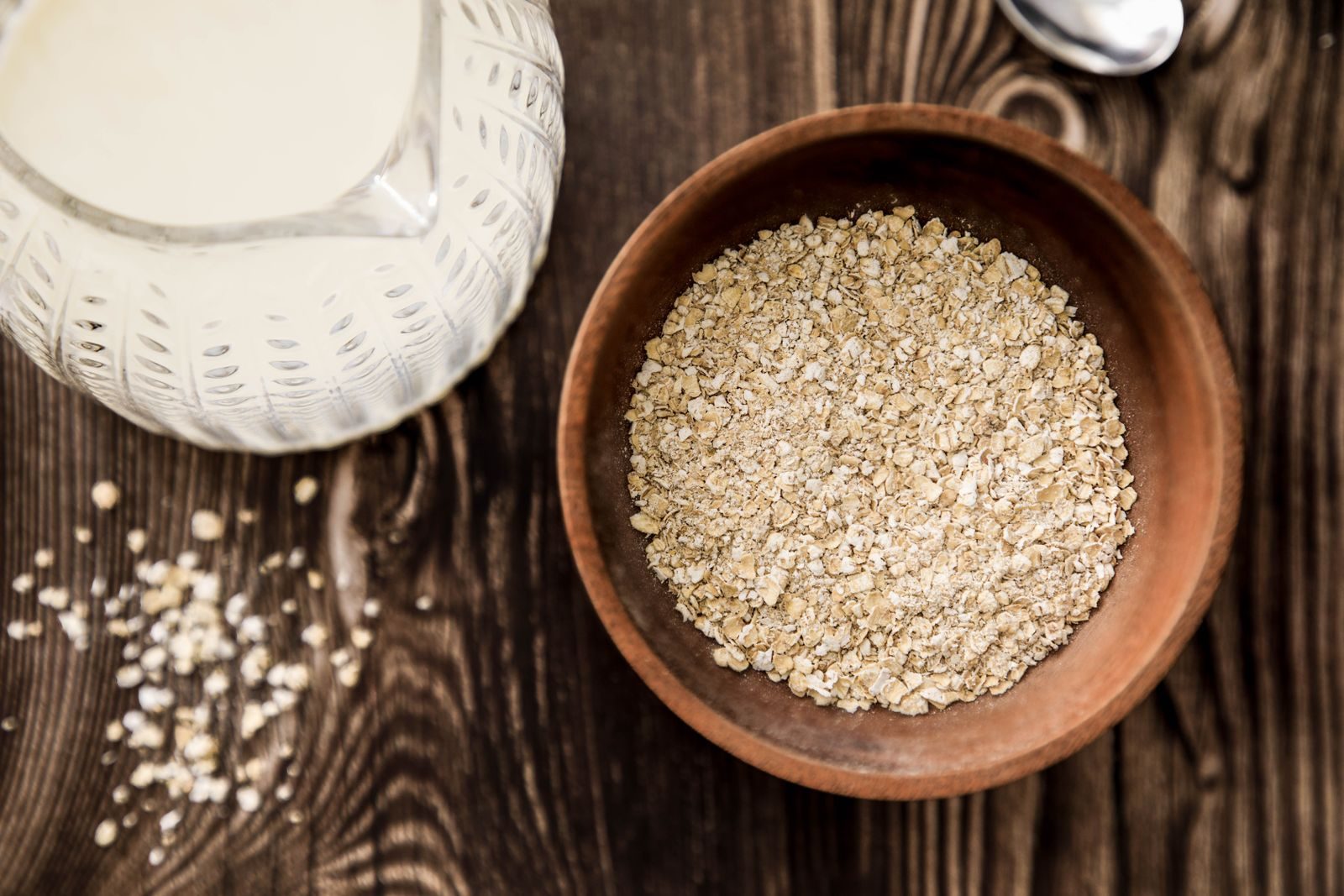
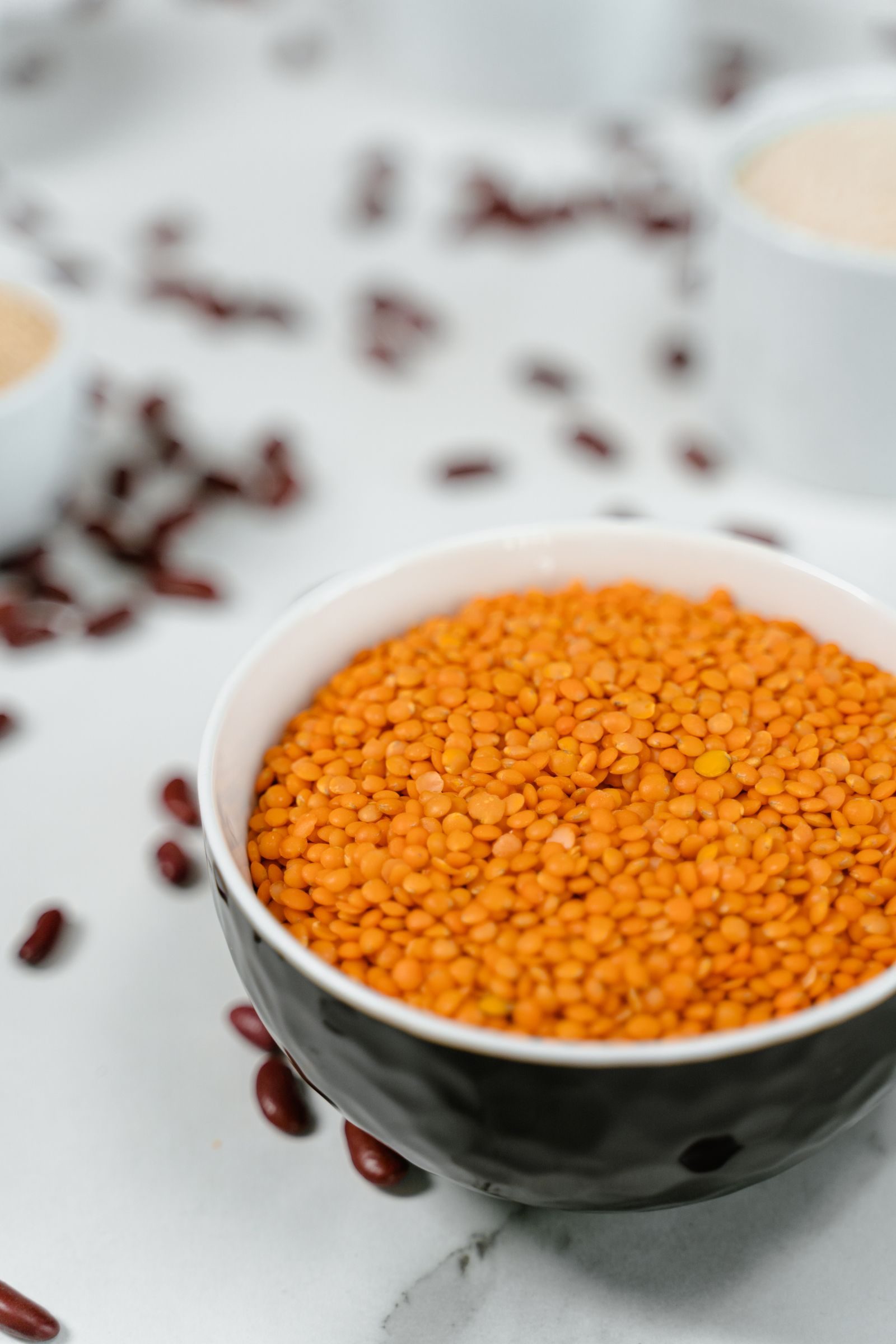
To feed the gut bacteria, rely on the fibre in whole grains such as oats and barley, and on legumes such as lentils, beans and chickpeas. Plain yoghurt, a fermented food, brings live ferments meal after meal. These foods slip easily into everyday dishes.
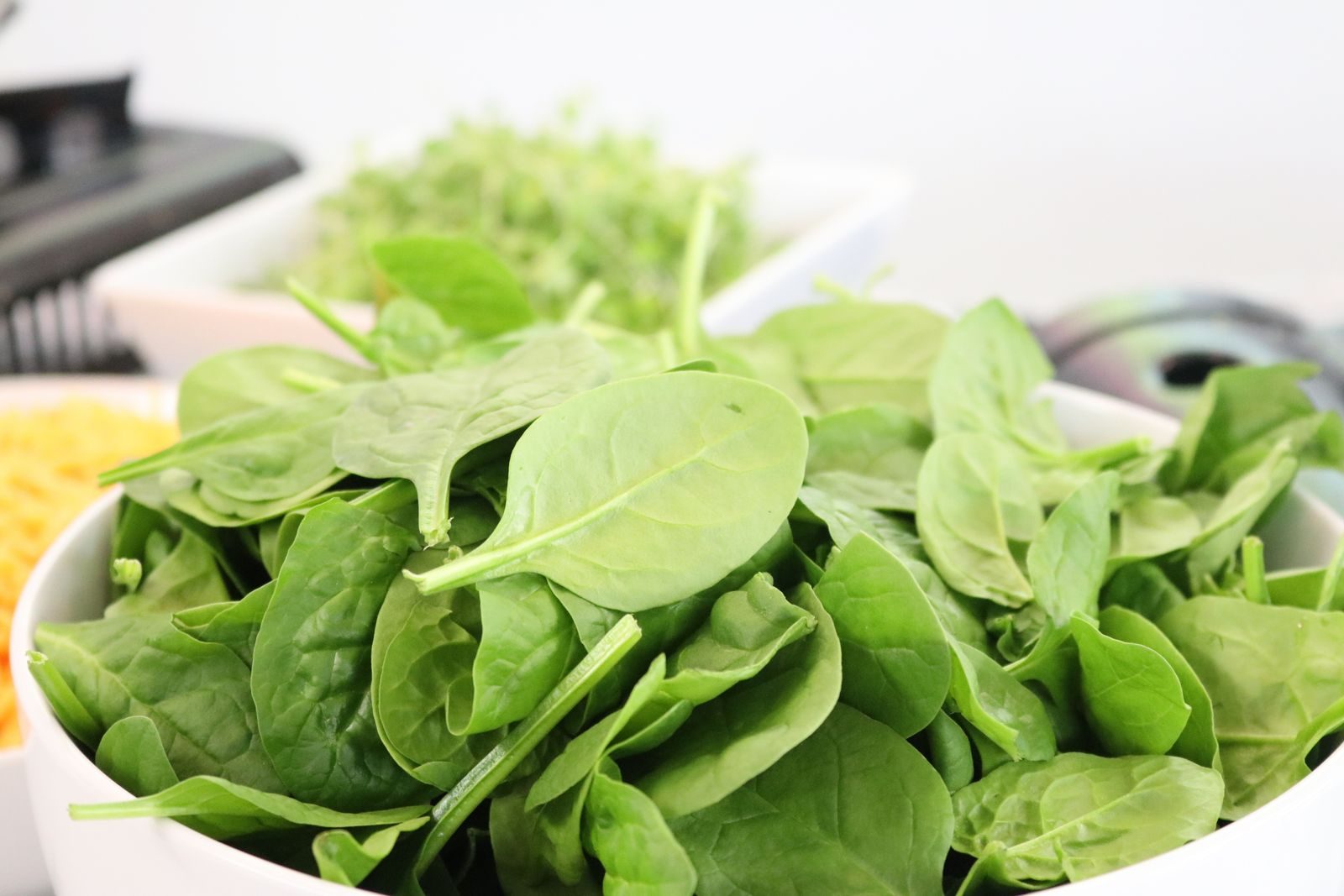
Vitamin K1 is found first and foremost in leafy green vegetables: spinach, kale, broccoli. Since the flora turns this vitamin K1 into vitamin K2, filling the plate with greens supports both at once. In addition to your treatment, these choices help rebuild what the antibiotic displaces.

How clavulanic acid works
Clavulanic acid is not an antibiotic in the usual sense: it is a beta-lactamase inhibitor. Beta-lactamases are enzymes that certain bacteria produce to destroy antibiotics of the penicillin family. Clavulanic acid itself has a beta-lactam ring, which lodges in the active site of the enzyme and inactivates it. It is called a suicide inhibitor: the chemical reaction blocks the enzyme permanently, sacrificing the clavulanic acid molecule in the process.
On its own, it has no useful therapeutic action. It does nothing to improve activity against bacteria that do not produce beta-lactamase, because its role is limited to protecting the antibiotic it is paired with. That antibiotic, amoxicillin, works by binding to penicillin-binding proteins and inhibiting transpeptidation, the step that assembles the bacterial cell wall. Deprived of a solid wall, the bacterium does not survive.
Why it accompanies amoxicillin
Many bacteria have become resistant to amoxicillin by producing beta-lactamases that degrade it before it can act. By neutralising these enzymes, clavulanic acid restores the activity of amoxicillin and extends its reach to resistant strains. That is the whole logic of the combination: an antibiotic that attacks the bacterium, and a partner that protects it from degradation.
This protection has a precise limit. Clavulanic acid contributes nothing against bacteria that do not produce beta-lactamase, since there is then no enzyme to neutralise. The value of the combination therefore rests entirely on enzyme-producing bacteria. That is why the medicine always comes as a co-formulation, with amoxicillin and clavulanic acid combined in a single tablet.
How to take it day to day
Each dose is taken at the start of a meal. This timing improves the absorption of clavulanic acid and reduces digestive upset, which the leaflet recommends easing by taking the medicine with a meal or a snack. Both molecules are eliminated quickly: after oral intake, the half-life is about 1.3 hours for amoxicillin and 1 hour for clavulanic acid. This rapid elimination requires doses spread across the day, every eight or every twelve hours depending on the chosen schedule.
Taking the doses regularly maintains an effective concentration against the bacterium. The prescribed duration must be followed to the end, without stopping treatment as soon as symptoms improve. Stopping too early allows the least susceptible bacteria to survive and encourages resistance. Any change is decided with the doctor or pharmacist, never alone.
The digestive effects to be aware of
The digestive tract is the first affected. In trials conducted before marketing, diarrhoea or loose stools affected 9% of patients, nausea 3%, rashes and urticaria 3%, vomiting 1% and vaginitis 1%. Diarrhoea is more frequent with the combination than with amoxicillin alone.
This diarrhoea depends on the dose and on the timing of the doses. In a paediatric trial on otitis media, it occurred in 14.3% of children on a twelve-hourly schedule, compared with 34.3% on an eight-hourly schedule. The risk of Clostridioides difficile colitis, an inflammation of the colon linked to disruption of the gut flora, is moderately increased. Severe or persistent diarrhoea warrants medical advice.
Monitoring the liver
The amoxicillin-clavulanic acid combination is among the most frequent causes of drug-induced liver injury, through an idiosyncratic mechanism. The injury is cholestatic in type: it hinders the flow of bile and shows up as a rise in alkaline phosphatase and bilirubin. It remains rare and unpredictable, and more often affects older men.
The delay in time makes this signal difficult to link to the medicine. The signs typically appear two to three weeks after the start of treatment, sometimes up to twelve weeks, therefore well after the tablets have finished. Yellowing of the skin or eyes, dark urine or unusual tiredness should prompt a consultation.
Interactions and monitoring
Several medicines alter the effect of the combination or have their own effect altered. Probenecid increases and prolongs the blood concentrations of amoxicillin when used concomitantly. In people on an oral anticoagulant, prolongations of prothrombin time have been reported, which calls for vigilance over coagulation. The combination can also reduce the effectiveness of oral contraceptives.
Follow-up depends on the length of treatment. For a short course, it remains limited. Beyond a week to ten days, periodic monitoring of hepatic, renal and haematological function is recommended. This laboratory follow-up is decided with the doctor, according to the individual's condition and the other treatments in progress.
Sources
Related molecules
To explore in the « Anti-infectives » family and its neighbours.
See the whole « Anti-infectives » family · Back to the atlas
Supplements to consider
Beyond the plate, a single isolated nutrient can be worth discussing, to confirm with your doctor or pharmacist. Here is which one and in which form.
Probiotics
Probiotics are live micro-organisms, mainly lactobacilli and bifidobacteria. The CFU count and the number of strains are among the selection criteria; gastro-resistant capsules protect the bacteria from stomach acidity.
Preferred form gastro-resistant capsules, several strains, CFU count stated
Frequently asked questions
What is clavulanic acid used for in the combination with amoxicillin?
Clavulanic acid is a beta-lactamase inhibitor, combined with amoxicillin to protect it from the enzymes produced by certain resistant bacteria. This combination is an antibiotic prescribed for a range of infections. For your specific situation, refer to the package leaflet and to your doctor or pharmacist.
What are the most common side effects of amoxicillin / clavulanic acid?
The package leaflet mainly reports digestive problems, including diarrhea, nausea and abdominal pain, sometimes eased by taking the medicine at the start of a meal. This information does not replace the full package leaflet: report any troublesome effect to your doctor or your pharmacist.
Can you drink alcohol while taking amoxicillin / clavulanic acid?
Alcohol can worsen some digestive discomfort during antibiotic treatment. For an answer suited to your treatment, refer to the package leaflet and ask your doctor or your pharmacist for advice.
Are there any drug interactions to be aware of?
The package leaflet notably flags interactions with methotrexate and with oral anticoagulants, which call for monitoring. Give the list of all your medications to your doctor or pharmacist, and read the medicine's public package leaflet.
Can you take this antibiotic during pregnancy or while breastfeeding?
What to do during pregnancy or breastfeeding depends on the situation and is a matter for medical advice. Refer to the package leaflet and speak to your doctor or your pharmacist before taking it.
On the nutrition side, what to consider for gut flora during antibiotic treatment?
Antibiotics, including the amoxicillin / clavulanic acid combination, temporarily alter the gut microbiota, which research links to an increased risk of antibiotic-associated diarrhea. Studies, including Cochrane reviews, associate taking probiotics with a reduction in this risk. The strains most documented in this context are Saccharomyces boulardii and Lactobacillus rhamnosus GG; the usual practice is to space out their intake from that of the antibiotic. This nutritional support should be discussed with your doctor or your pharmacist.
Ces réponses portent sur le volet nutritionnel. Pour toute question sur votre médicament, la notice et votre médecin ou pharmacien font foi.