Tazobactam
antibiotic · penicillin
Third-party optionBy the Layer Nutrition editorial team · How the atlas classifies the 664 molecules
What this medicine is for
Tazobactam belongs to the “antibiotic (penicillin)” category. Antibiotics treat infections caused by bacteria. They are taken as a course, over a set period, to the end of the prescription.
Specifically, for Tazobactam: Combined with a penicillin to broaden its antibacterial action. It is used rather occasionally or as a short course, to get through an episode.
Under which brands it is found
Tazobactam is found in around 12 presentations listed in France. It is available under various brand names and as generics.
- Piperacilline Tazobactam Viatris
- Piperacilline/Tazobactam Arrow
- Piperacilline/Tazobactam Eg
- Piperacilline/Tazobactam Kabi
- Piperacilline/Tazobactam Kalceks
- Piperacilline/Tazobactam Panpharma
- Piperacilline/Tazobactam Qilu
- Piperacilline/Tazobactam Reig Jofre
- and other presentations
Generics and the original brand are equivalent for the active substance; only the appearance, the name or the excipients may differ.
On the plate: microbiota and potassium
Piperacillin/tazobactam is a broad-spectrum antibiotic. As it reaches the bacteria of the infection, it also affects the gut flora, which explains how often diarrhea occurs during treatment. Food helps support this microbiota and rebuild potassium, whose level can drop during treatment.
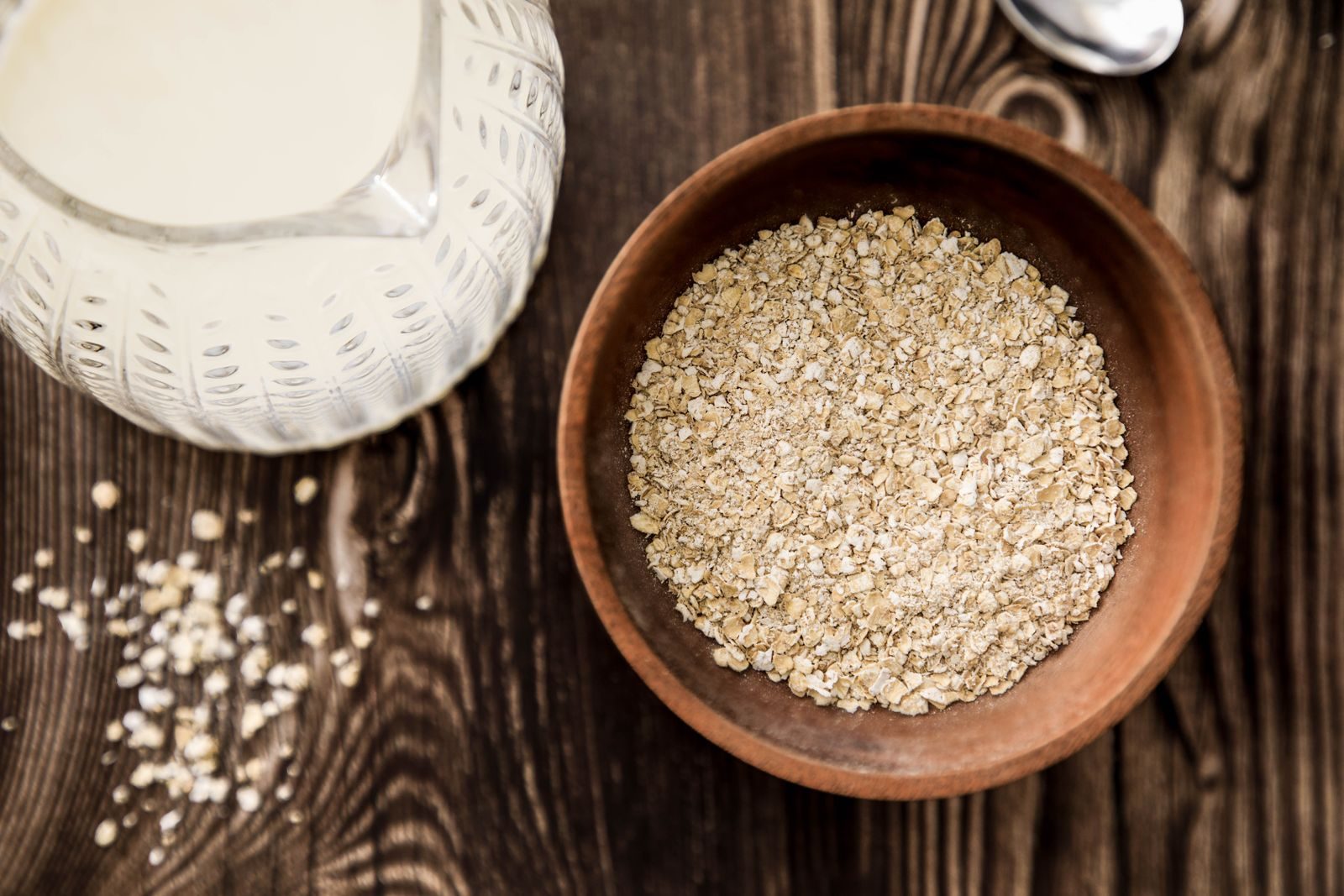
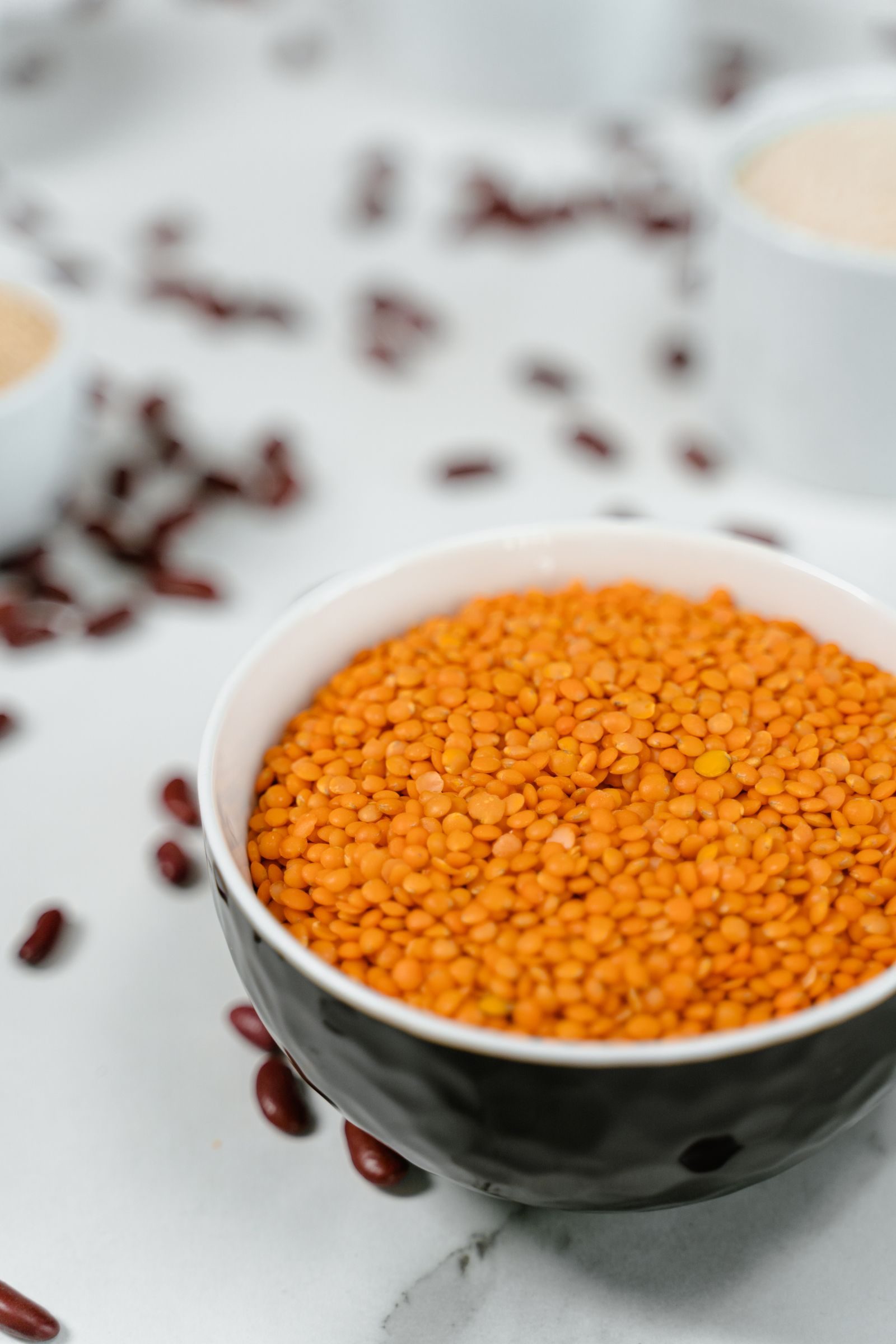
Fermentable fibers feed the bacteria of the colon: they are found in oats, barley, lentils, beans and chickpeas. Fermented foods such as plain yogurt provide live cultures that accompany the flora during and after the antibiotic.
Potassium is rebuilt through fruits and vegetables: banana, potato, sweet potato, spinach, dried apricot and legumes. These same foods often combine fiber and potassium, which makes them useful in addition to your treatment.


How piperacillin/tazobactam works
This medicine combines two molecules with distinct roles. Piperacillin is a penicillin: it inhibits septum formation and cell wall synthesis in susceptible bacteria, which leads to their destruction. Tazobactam, on the other hand, has no antibacterial activity of its own. It protects piperacillin by neutralizing the enzymes that some bacteria produce to destroy it.
These enzymes, the beta-lactamases, cut the ring of the penicillin and inactivate it. Tazobactam binds to them and blocks them, in particular the class Bush 2b and 2b' penicillinases and cephalosporinases, such as the enzymes of the TEM and SHV groups. By neutralizing them, it restores and broadens the action of piperacillin against bacteria that would otherwise resist it.
Why it is prescribed
Piperacillin/tazobactam targets infections caused by beta-lactamase-producing bacteria, the very ones that tazobactam helps to bypass. Its spectrum notably covers Pseudomonas aeruginosa, a difficult pathogen often involved in severe infections. It is generally reserved for the hospital setting, for situations that call for a broad-spectrum antibiotic.
NICE recommends it as first-line treatment for bloodstream infections in neutropenic patients, whose immune defenses are weakened. In these people, an infection can progress quickly, and an antibiotic that is active from the outset makes a real difference. The prescription therefore depends on the type of bacteria targeted and on the fragility of the patient.
How it is given day to day
There is no oral form: piperacillin/tazobactam is given by the intravenous route only. The infusion usually lasts 30 minutes, sometimes 3 to 4 hours when a prolonged infusion is chosen. Since the medicine does not pass through the digestive tract, its administration does not depend on meals.
The half-life of each molecule is short, on the order of 0.7 to 1.2 hours in a healthy person. The product is therefore eliminated quickly, which calls for repeated administrations, every 6 to 8 hours depending on the regimen. Elimination is mainly through the kidney, where about 68% of the piperacillin and 80% of the tazobactam are found unchanged, hence a dose adjustment in cases of renal impairment. Treatment continues until the endpoint set by the care team, without stopping it on one's own initiative.
The effects to know about
In clinical trials, the most frequent effects mainly involve the digestive tract and the nervous system. Diarrhea comes first (11.3%), ahead of headache (7.7%), constipation (7.7%), nausea (6.9%) and insomnia (6.6%). These are followed by skin rash (4.2%), vomiting (3.3%) and fever (2.4%).
Like any broad-spectrum antibiotic, piperacillin/tazobactam can disrupt the gut flora and promote diarrhea linked to Clostridioides difficile. The picture ranges from mild diarrhea to severe colitis. Diarrhea that persists or worsens during or after treatment warrants medical advice.
Sodium load and potassium monitoring
The medicine provides a non-negligible amount of sodium: the label indicates, for example, 220 mg of sodium for a 2.25 g vial. In patients who must limit their salt intake, this load counts toward the daily total. It adds to the sodium from food and from other infusions.
Potassium, by contrast, may drop. Hypokalemia is possible, and the label recommends periodic electrolyte measurements in patients whose potassium reserves are already low, especially those on cytotoxic chemotherapy or on treatments that promote potassium loss. This parameter is checked with a blood test.
Interactions and laboratory monitoring
Several medicines interact with piperacillin/tazobactam. Probenecid prolongs the half-life of piperacillin by about 21% and that of tazobactam by about 71%, by blocking their secretion by the kidney. Piperacillin can inactivate aminoglycosides such as gentamicin and tobramycin by transforming them into inactive amides: the two must be given separately. It also reduces the renal clearance of methotrexate, which increases the risk of toxicity and calls for monitoring of its concentrations.
With vecuronium and other non-depolarizing neuromuscular blockers, it has been implicated in a prolongation of the neuromuscular block. When combined with high doses of heparin or with oral anticoagulants, coagulation parameters are checked more often. Laboratory monitoring includes electrolyte measurements, monitoring of renal function and, during prolonged treatments of at least 21 days, an assessment of hematopoietic function. Finally, piperacillin can give a false result on certain urine glucose tests based on copper reduction, producing a false positive: enzymatic glucose oxidase tests are then preferred.
Sources
Related molecules
To explore in the « Anti-infectives » family and its neighbours.
See the whole « Anti-infectives » family · Back to the atlas
Supplements to consider
Beyond the plate, a single isolated nutrient can be worth discussing, to confirm with your doctor or pharmacist. Here is which one and in which form.
Probiotics
Probiotics are live micro-organisms, mainly lactobacilli and bifidobacteria. The CFU count and the number of strains are among the selection criteria; gastro-resistant capsules protect the bacteria from stomach acidity.
Preferred form gastro-resistant capsules, several strains, CFU count stated
Frequently asked questions
What is tazobactam used for?
Tazobactam is a beta-lactamase inhibitor almost always combined with piperacillin, an antibiotic in the penicillin family. It broadens the action of piperacillin against certain resistant bacteria, in infections that are often treated in hospital. For the specific indication that applies to you, refer to the package leaflet and to your doctor or pharmacist.
What are the side effects of tazobactam?
The package leaflet notes digestive problems such as diarrhea and nausea, as well as, more rarely, changes in blood cells. The effects you actually experience depend on the individual and on the full course of treatment. Check the package leaflet for the detailed list and report any unusual symptom to your doctor or pharmacist.
Does tazobactam have any drug interactions?
Interactions have been described, for example with vancomycin (an increased risk to the kidneys) or with certain muscle relaxants such as vecuronium. This list is not exhaustive. Tell your doctor or pharmacist about all your medications, including over-the-counter ones, and refer to the package leaflet.
Can tazobactam upset your gut flora?
Like antibiotics in general, piperacillin/tazobactam can be accompanied by digestive problems and diarrhea during or after treatment. Any severe or persistent diarrhea should be reported promptly to your doctor or pharmacist rather than managed on your own. The package leaflet sets out this precaution in detail.
Can you take tazobactam during pregnancy or breastfeeding?
Use during pregnancy or breastfeeding calls for a case-by-case medical assessment. Tell your care team if you are pregnant, breastfeeding or planning a pregnancy. The decision rests with your doctor, drawing on the package leaflet.
What can you consider on the nutrition side to support your gut flora?
Research links taking antibiotics to a temporary imbalance in the gut flora, and studies associate the use of probiotics with better digestive comfort in this setting. The active ingredient to consider is a well-documented probiotic, such as the yeast Saccharomyces boulardii or strains of lactobacilli and bifidobacteria, in capsule form. The choice and the timing are to be discussed with your doctor or pharmacist, spaced apart from when you take the antibiotic.
Ces réponses portent sur le volet nutritionnel. Pour toute question sur votre médicament, la notice et votre médecin ou pharmacien font foi.