Cloxacillin
antibiotic · penicillin
Third-party optionBy the Layer Nutrition editorial team
What this medicine is for
Pharmacologically, Cloxacillin relates to the category “antibiotic (penicillin)”. Antibiotics treat infections caused by bacteria. They are taken as a course, over a set duration, until the end of the prescription.
Pour Cloxacilline en pratique : Traite une infection bactérienne. Son usage est en général limité dans le temps, ajusté à la situation.
Under which brands it is found
Cloxacilline entre dans la composition d'environ 9 présentations recensées en France. On la trouve sous plusieurs noms de marque et en génériques.
- Cloxacilline Arrow
- Cloxacilline Biogaran
- Cloxacilline Eg
- Cloxacilline Panpharma
- Cloxacilline Sandoz
- Cloxacilline Stragen
- Cloxacilline Viatris
- Orbenine
- and other presentations
Generics and the original brand are equivalent for the active substance; only the appearance, the name or the excipients may differ.
On the plate: supporting digestive comfort
Minor digestive complaints, diarrhoea and nausea, are among the common effects of this family of penicillins. During treatment, diet helps preserve the comfort of the digestive system, with simple, regular and easy-to-digest meals.
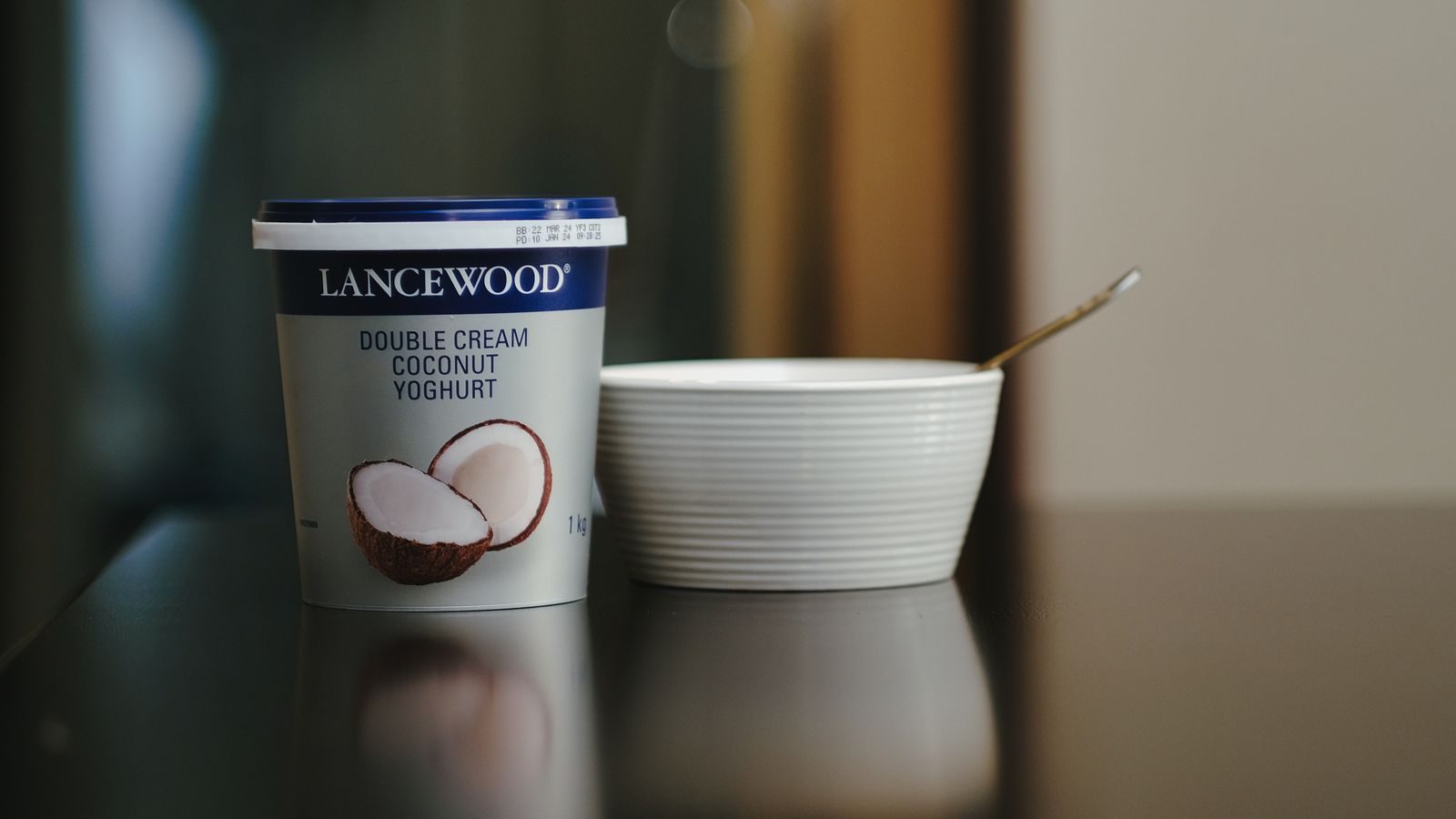
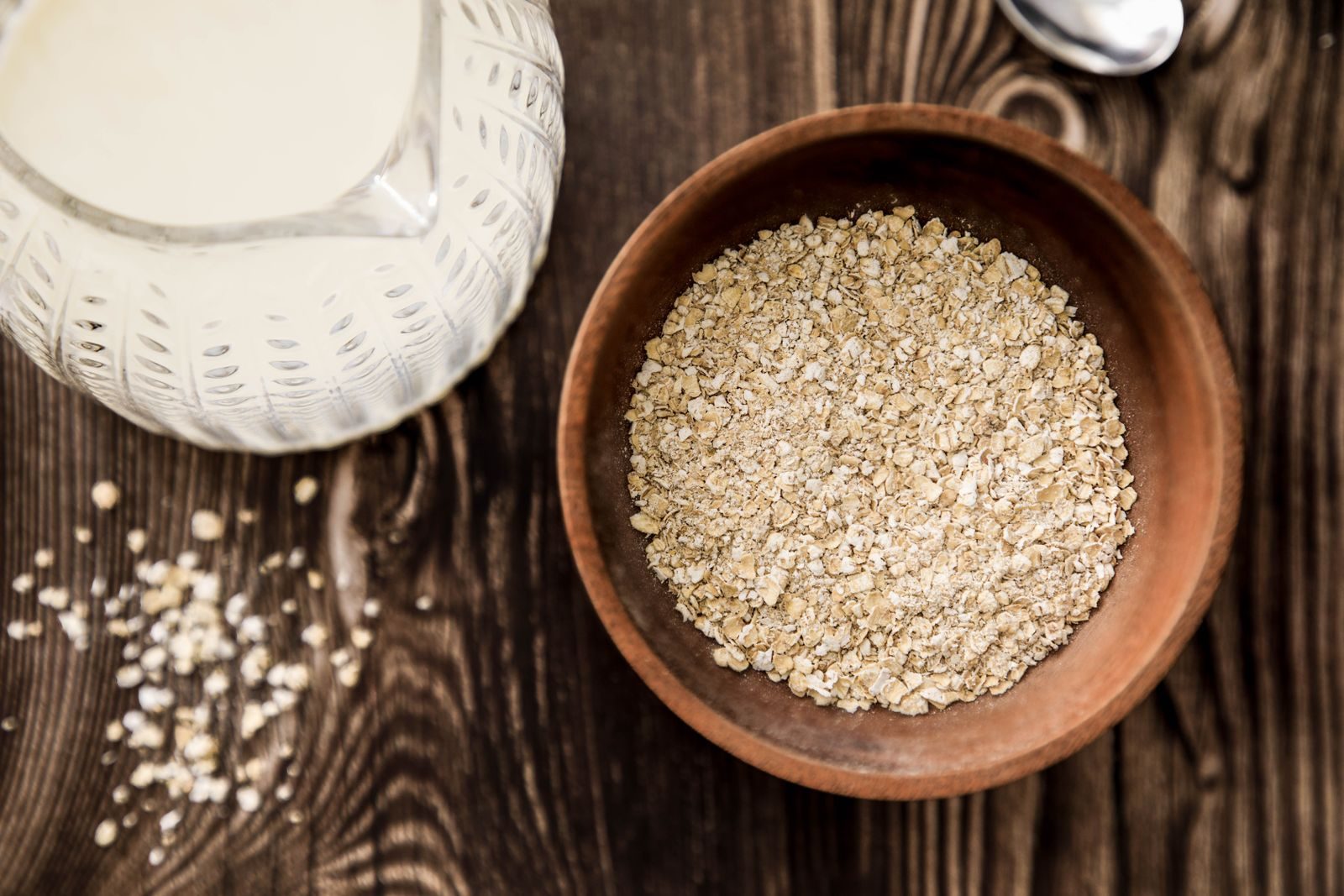
Plain yoghurt and fermented dairy products provide live cultures that support digestion. The fibre in whole grains such as oats and barley feeds the gut flora and gives consistency to the stools. They fit easily into breakfast and meals throughout the day.
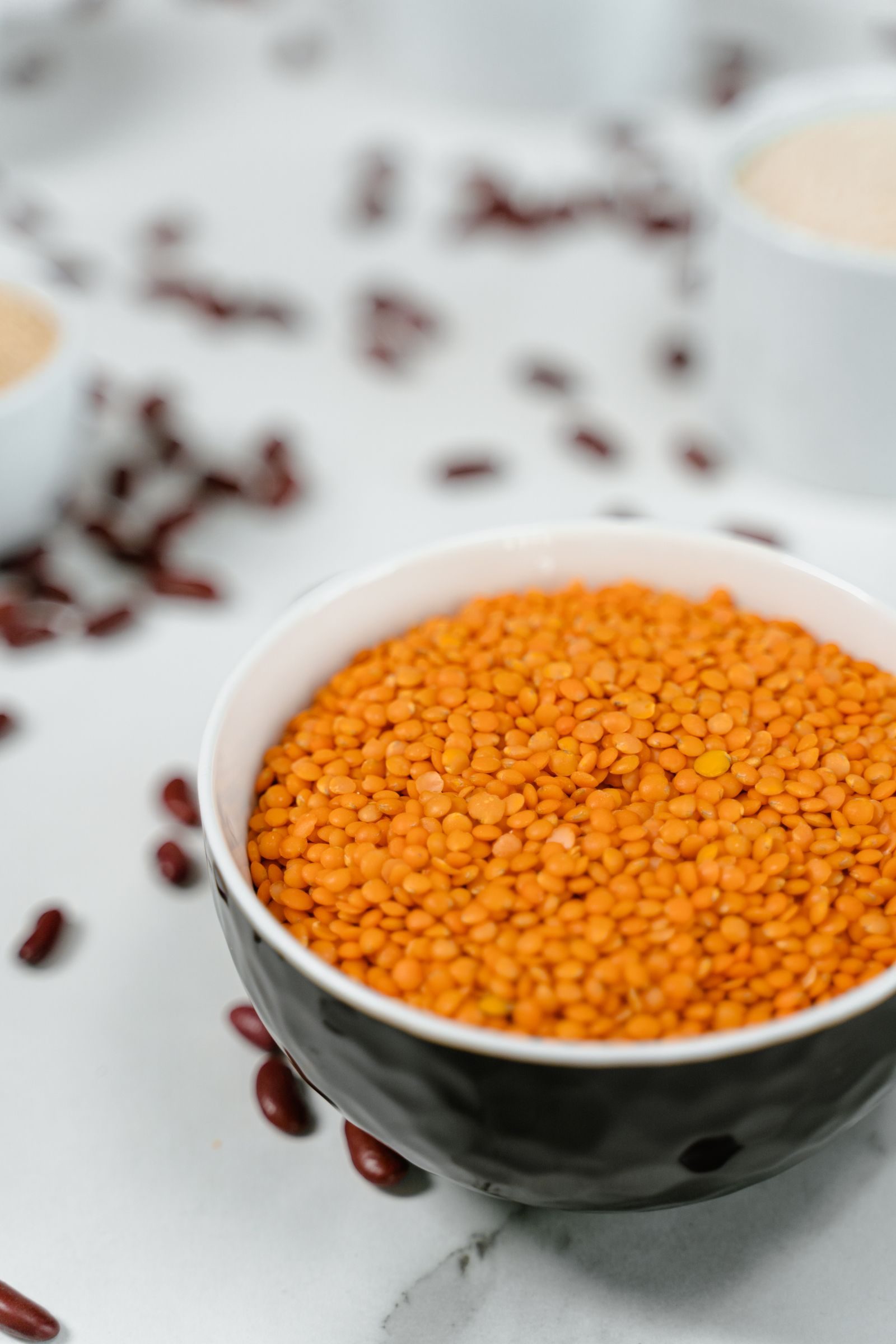
Legumes, lentils, beans and chickpeas, along with mild fruit such as the banana, provide well-tolerated fibre and a little potassium. These foods support transit and digestive comfort, in addition to your treatment.

How cloxacillin works
Cloxacillin belongs to the penicillins, the large family of beta-lactam antibiotics. At the heart of the molecule, a chemical ring called the beta-lactam binds to a bacterial enzyme, the DD-transpeptidase, also known as the penicillin-binding protein. This enzyme normally assembles the meshes of peptidoglycan, the rigid net that forms the wall of the bacterium. By binding to it irreversibly, cloxacillin inactivates it and blocks the cross-linking of this wall.
A poorly assembled wall no longer holds. Cloxacillin then leaves the way open to bacterial enzymes, the autolysins and hydrolases, which finish degrading the envelope. Deprived of this protection, the bacterium is subjected to osmotic pressure: water enters until it bursts. The effect is therefore bactericidal, the antibiotic kills the bacterium instead of merely slowing its growth.
A penicillin that resists penicillinase
Many bacteria defend themselves by producing an enzyme, the beta-lactamase, also called penicillinase, which cuts the beta-lactam ring and destroys the penicillin before it acts. Cloxacillin is one of the penicillins described as penicillinase-resistant, or second generation. These are semi-synthetic versions of the natural penicillins, modified to withstand this enzyme. That is what allows them to act where penicillin G is destroyed.
This advantage directly guides their use. Cloxacillin, like its close relatives dicloxacillin, oxacillin and nafcillin, is used to treat moderate to severe infections caused by penicillinase-producing staphylococci, when the strain remains sensitive to the product. The doctor prescribes it after establishing that the causative organism does indeed fall within this scope.
How to take it day to day
These penicillins are better absorbed on an empty stomach. The summary of product characteristics for flucloxacillin, the antistaphylococcal agent closest to cloxacillin, states that it should be taken on an empty stomach: one hour before a meal or two hours after. Taken with food, the absorption of these isoxazolyl penicillins decreases. Respecting this timing increases the amount of antibiotic that passes into the blood.
The molecule acts quickly but does not stay long: the half-life of flucloxacillin is short, in the order of 53 minutes. The treatment is therefore divided into several doses per day, at regular intervals, to maintain an effective concentration. The prescribed duration is followed through to the end, without stopping as soon as one feels better, because interrupting too early leaves bacteria to survive. The dose is not changed on one's own, it is discussed with the doctor.
The effects to know about
The most common effects concern digestion. Diarrhoea and nausea are frequent and generally remain minor. Skin reactions, rash, urticaria or purpura, are uncommon. As with any penicillin, an allergy remains possible and warrants prompt medical advice.
Serious effects are rare. Cholestatic-type liver injury, with jaundice, may appear 1 to 6 weeks after the start of treatment; it remains rare and most often resolves on its own once treatment stops. Cholestatic jaundice attributed to cloxacillin has been reported in the literature. Hepatitis, cholestatic jaundice and pseudomembranous colitis are among the very rare effects of this class.
Sodium and potassium to monitor
These penicillins are given in the form of a sodium salt. Injectable flucloxacillin at 1 g provides about 2.26 mmol of sodium per vial, an amount to be counted in the intake of people on a low-salt diet. Caution is required when high doses of sodium salts are given in cases of kidney or heart failure.
At high doses, these penicillins can also lower blood potassium, a hypokalaemia that is sometimes serious and may resist potassium supplementation. Regular monitoring of blood potassium is recommended during treatment with high doses. Vigilance is heightened in cases of combination with diuretics, of undernutrition or of a disorder of the renal tubules.
Interactions and monitoring
Several medicines interact with this class. Probenecid slows the renal elimination of penicillin and increases its concentrations in the blood. The risk of methotrexate toxicity increases in combination. Under warfarin, the INR may change, which calls for monitoring. The oral typhoid vaccine, finally, may be inactivated by the antibiotic.
Follow-up completes the prescription. The elimination of cloxacillin passes mainly through the kidney and its binding to blood proteins is high, around 95 % for flucloxacillin, so that kidney function deserves attention in frail people. During breastfeeding, cloxacillin is acceptable, because it passes little into the milk. After a single 500 mg intramuscular dose in two women, the levels measured in the milk ranged from 0.1 to 0.3 mg/L between one and six hours after the dose.
Sources
Related molecules
To explore in the « Anti-infectives » family and its neighbours.
See the whole « Anti-infectives » family · Back to the atlas
Supplements to consider
Beyond the plate, a single isolated nutrient can be worth discussing, to confirm with your doctor or pharmacist. Here is which one and in which form.
Probiotics
Probiotics are live micro-organisms, mainly lactobacilli and bifidobacteria. The CFU count and the number of strains are among the selection criteria; gastro-resistant capsules protect the bacteria from stomach acidity.
Preferred form gastro-resistant capsules, several strains, CFU count stated
Frequently asked questions
What is cloxacillin used for?
Cloxacillin is a penicillin-family antibiotic, more specifically a penicillinase-resistant (M-type) penicillin, active mainly against certain staphylococcal infections (skin, soft tissue, bone). It is prescribed for a specific indication that only your doctor can determine. Refer to your medicine's package leaflet and discuss your situation with your doctor or pharmacist.
What are the side effects of cloxacillin?
Like other penicillins, cloxacillin can cause digestive upset (nausea, diarrhea) and allergic reactions (skin rash, itching). The full list and what to do are given in the package leaflet. If you have an unusual reaction, particularly involving the skin or breathing, contact your doctor or pharmacist promptly.
Should cloxacillin be taken before or after food?
The package leaflet for oral cloxacillin generally recommends taking it away from meals, on an empty stomach, because food can reduce its absorption. Follow exactly the schedule and timing shown on your prescription and in the leaflet, and ask your pharmacist for advice if you are unsure.
Can you drink alcohol while taking cloxacillin?
The cloxacillin package leaflet does not describe a specific disulfiram-like (antabuse) interaction with alcohol, unlike some other antibiotics. Even so, alcohol is best avoided during an infection and its treatment. For your specific case, refer to the package leaflet and to the advice of your doctor or pharmacist.
Does cloxacillin have any drug interactions?
Cloxacillin can interact with other medicines, for example methotrexate, whose elimination it may alter. Always tell your doctor and pharmacist about all your treatments, including over-the-counter ones. The list of interactions is given in the package leaflet, and only your care team can assess it for you.
What to take for gut flora while on cloxacillin?
Like most antibiotics, cloxacillin can disturb the balance of the gut flora, a phenomenon that systematic reviews link to an increased risk of antibiotic-associated diarrhea. Studies associate taking probiotics, in particular the strains Saccharomyces boulardii and Lactobacillus rhamnosus GG, with better digestive tolerance. If you want to use them, choose a documented strain, taken a few hours apart from the antibiotic, and talk to your pharmacist about it.
Ces réponses portent sur le volet nutritionnel. Pour toute question sur votre médicament, la notice et votre médecin ou pharmacien font foi.