Spiramycin
antibiotic · macrolide
Third-party optionBy the Layer Nutrition editorial team
What this medicine is for
Spiramycin is a medicine in the category “antibiotic (macrolide)”. Antibiotics treat infections caused by bacteria. They are taken as a course, over a set duration, until the end of the prescription.
Dans le cas de Spiramycine, cela se traduit ainsi : Traite une infection bactérienne. Son usage est en général limité dans le temps, ajusté à la situation.
Under which brands it is found
En France, on recense environ 18 présentations remboursables contenant Spiramycine. On la trouve sous plusieurs noms de marque et en génériques.
- Birodogyl
- Rodogyl
- Rovamycine
- Spiramycine Biogaran
- Spiramycine Cristers
- Spiramycine Eg
- Spiramycine Metronidazole Zentiva
- Spiramycine Teva
- and other presentations
Generics and the original brand are equivalent for the active substance; only the appearance, the name or the excipients may differ.
On the plate: feeding the gut flora
Spiramycin targets the bacteria of the infection, but it also reaches the gut flora, which explains the diarrhoea and abdominal pain common under treatment. Food helps support this microbiota during the antibiotic, by drawing on fibre and fermented foods.
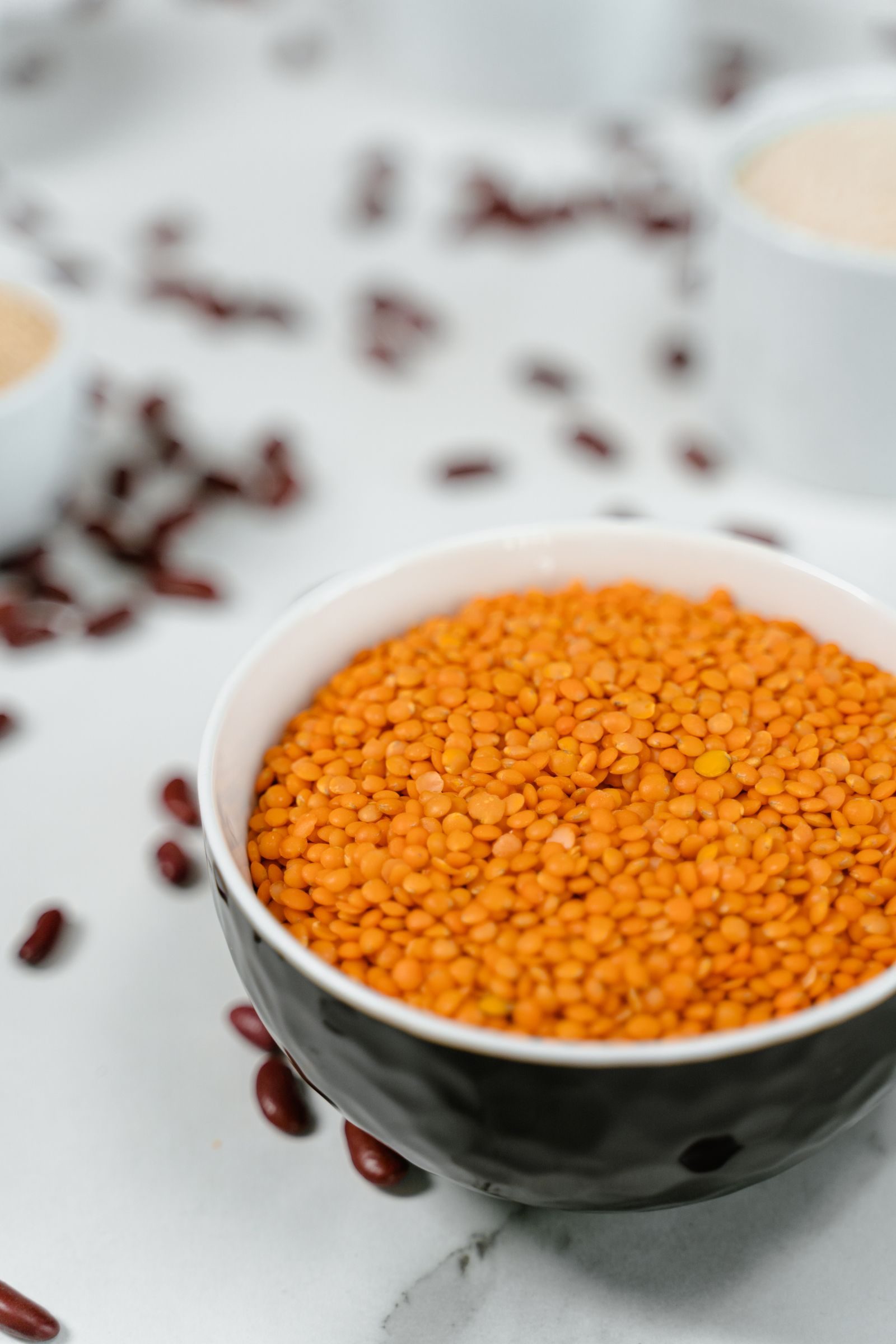
Fibre serves as food for the good bacteria of the intestine. It is found in oats and barley, in legumes such as lentils and chickpeas, and in fruits such as the banana, which also brings fructans useful to the flora. These foods help the beneficial bacteria hold on when the antibiotic upsets the balance.
Fermented foods provide live cultures: plain yoghurt is the simplest source, with its lactic ferments. By varying these contributions across meals, you maintain a diverse flora, in addition to your treatment.



How spiramycin works
Spiramycin belongs to the macrolide family, whose name comes from their large central ring: this one has sixteen atoms. It is produced by a soil bacterium, Streptomyces ambofaciens, isolated in 1951 in Péronne, France. Its classification code is J01FA02. Like the other macrolides, it does not act by killing the bacterium directly, but by preventing it from making its proteins.
To multiply, a bacterium must synthesise proteins on its ribosomes. Spiramycin binds to the 50S subunit of the bacterial ribosome and blocks the translocation step, the moment when the protein chain moves forward one notch to lengthen. Synthesis stops, and the bacterium can no longer proliferate. Resistance to this class appears when the bacterium methylates its 23S ribosomal RNA: the target is modified, and the macrolide can no longer attach to it.
Why spiramycin is prescribed
In France, oral spiramycin covers a wide range of respiratory tract and ear, nose and throat infections. It is prescribed for group A streptococcal sore throat, as an alternative to beta-lactams, for acute sinusitis, superinfections of acute bronchitis and exacerbations of chronic bronchitis, as well as certain community-acquired pneumonias.
Its indications extend to skin and dental infections, non-gonococcal genital infections and the prevention of meningococcal meningitis. Its strong diffusion into tissues explains this range: it concentrates in the lungs, the tonsils, the infected sinuses and bone, and accumulates in phagocytes, the cells that carry it to the site of intracellular bacteria. It does not penetrate the cerebrospinal fluid.
A special use: toxoplasmosis during pregnancy
Spiramycin holds a particular place in pregnant women. When toxoplasmosis is contracted early in pregnancy, it is used to reduce the risk of transmission to the fetus during the first eighteen weeks. Its wide use over the years has not revealed any malformative or fetotoxic effect, which makes it possible to consider during pregnancy.
It does not cross the placenta and remains less active than the pyrimethamine plus sulfonamide combination. It is therefore continued until infection of the fetus is confirmed or ruled out, around the eighteenth week, by amniocentesis and detection of the parasite by PCR. Breastfeeding, however, is not advised during treatment, because spiramycin passes into breast milk in significant amounts.
How to take it day to day
In adults with normal kidney function, the usual dose ranges from six to nine million international units per day, that is four to six tablets, divided into two or three intakes. The tablets are swallowed whole with a glass of water. The absorption of spiramycin is not changed by food: it can therefore be taken during or apart from meals, according to what helps you not to forget anything.
Regularity makes effectiveness: an antibiotic is taken to the end of the set duration, even when symptoms fade, so as not to let the most resistant bacteria survive. Spiramycin has a plasma half-life of about eight hours and binds little to blood proteins. The liver transforms it into active metabolites and eliminates it mainly through the bile, very little through the urine: no dose adjustment is needed in case of kidney failure.
The effects to know about and their frequency
Some effects are expected and most often mild. Paraesthesia, that passing tingling, is very common and affects more than one person in ten, but it remains occasional and transient. Digestive disorders are common, in one to ten people in a hundred: abdominal pain, nausea, vomiting, stomach ache and diarrhoea. A passing alteration of taste and skin rashes fall within the same frequency.
Abnormal liver test results are very rare, below one person in ten thousand. Macrolides can cause liver damage, most often a cholestatic hepatitis that appears one to three weeks after the start of treatment, and a symptomless rise in transaminases is seen in about one to five per cent of patients treated with this class. More rarely still, at an undetermined frequency, spiramycin has been associated with serious skin reactions, anaphylactic shock and a prolongation of the QT interval that can go as far as torsades de pointes.
Interactions and monitoring
The cardiac side deserves attention in predisposed people. QT prolongation becomes more likely when the potassium or magnesium level is too low and uncorrected, in cases of congenital long QT, heart disease or simultaneous intake of other medicines that prolong the QT. Correcting a potassium and magnesium deficit is part of the points to watch before and during treatment.
Several combinations call for monitoring. With levodopa and carbidopa, spiramycin hinders the absorption of carbidopa and lowers levodopa concentrations, which may require a dose adjustment. Like other antibiotics, it can unbalance the INR of patients on vitamin K antagonist anticoagulants, whose INR must then be checked. Finally, in people with G6PD deficiency, very rare haemolytic anaemias have been reported, and spiramycin is not recommended there.
Sources
Related molecules
To explore in the « Anti-infectives » family and its neighbours.
See the whole « Anti-infectives » family · Back to the atlas
Supplements to consider
Beyond the plate, a single isolated nutrient can be worth discussing, to confirm with your doctor or pharmacist. Here is which one and in which form.
Probiotics
Probiotics are live micro-organisms, mainly lactobacilli and bifidobacteria. The CFU count and the number of strains are among the selection criteria; gastro-resistant capsules protect the bacteria from stomach acidity.
Preferred form gastro-resistant capsules, several strains, CFU count stated
Frequently asked questions
What are the side effects of spiramycin?
The leaflet mainly lists digestive problems (stomach pain, diarrhoea, more rarely inflammation of the colon), passing tingling sensations and taste disturbances, as well as rare allergic or skin reactions. For your own situation, refer to the leaflet and speak to your doctor or pharmacist.
What drugs interact with spiramycin?
The leaflet describes possible drug interactions, in particular with certain long-term treatments. The full list appears there: tell your doctor or pharmacist about all your medicines before you start, so that they can check the combinations.
Can you take spiramycin during pregnancy?
Spiramycin is in fact one of the treatments used during pregnancy in cases of toxoplasmosis, with a long track record of use. The decision and the monitoring rest solely with your doctor: follow their prescription and the leaflet.
Can you drink alcohol while taking spiramycin?
The leaflet does not indicate a formal contraindication with moderate alcohol consumption, unlike some other antibiotics. If in doubt, or depending on the other medicines taken alongside it, ask your pharmacist or doctor to confirm.
Can spiramycin disrupt your gut flora?
Like many antibiotics, spiramycin can cause digestive problems and diarrhoea, mentioned in its leaflet, linked to a temporary imbalance of the gut microbiota. If these symptoms appear or persist, speak to your doctor or pharmacist.
On the nutrition side, what to consider for gut flora during antibiotic treatment?
Health authorities and learned societies link taking antibiotics to a temporary imbalance of the microbiota, and studies document the value of probiotics for antibiotic-associated diarrhoea. The active to consider takes the form of lactic ferments (strains of lactobacilli or bifidobacteria) or the yeast Saccharomyces boulardii. A health professional can tell you whether this is relevant in your case.
Ces réponses portent sur le volet nutritionnel. Pour toute question sur votre médicament, la notice et votre médecin ou pharmacien font foi.