Céfotaxime
antibiotic · cephalosporin
Third-party optionBy the Layer Nutrition editorial team · How the atlas classifies the 664 molecules
What this medicine is for
Pharmacologically, Cefotaxime relates to the category “antibiotic (cephalosporin)”. Antibiotics treat infections caused by bacteria. They are taken as a course, over a set duration, until the end of the prescription.
In the case of Cefotaxime, this means: Treats a bacterial infection. It is used rather occasionally or as a short course, to get through an episode.
Under which brands it is found
Cefotaxime is found in about 3 presentations listed in France. It is available under several brand names and as generics.
- Cefotaxime Noridem
- Cefotaxime Panpharma
- Cefotaxime Viatris
Generics and the original brand are equivalent for the active substance; only the appearance, the name or the excipients may differ.
On the plate: vitamin K and potassium
A broad-spectrum antibiotic such as cefotaxime can destroy some of the intestinal bacteria that produce vitamin K, which lowers vitamin K status, especially during treatment lasting several weeks or when appetite decreases. Possible diarrhoea and vomiting also increase fluid losses and can lead to a loss of potassium. Food is the simplest lever to replenish these two intakes.
Vitamin K is concentrated in leafy green vegetables: kale, spinach, curly cabbage and broccoli. Natto and vegetable oils also provide it, and small amounts are found in meat, cheese and eggs. A few servings of greens a day are enough to cover a good part of the needs.
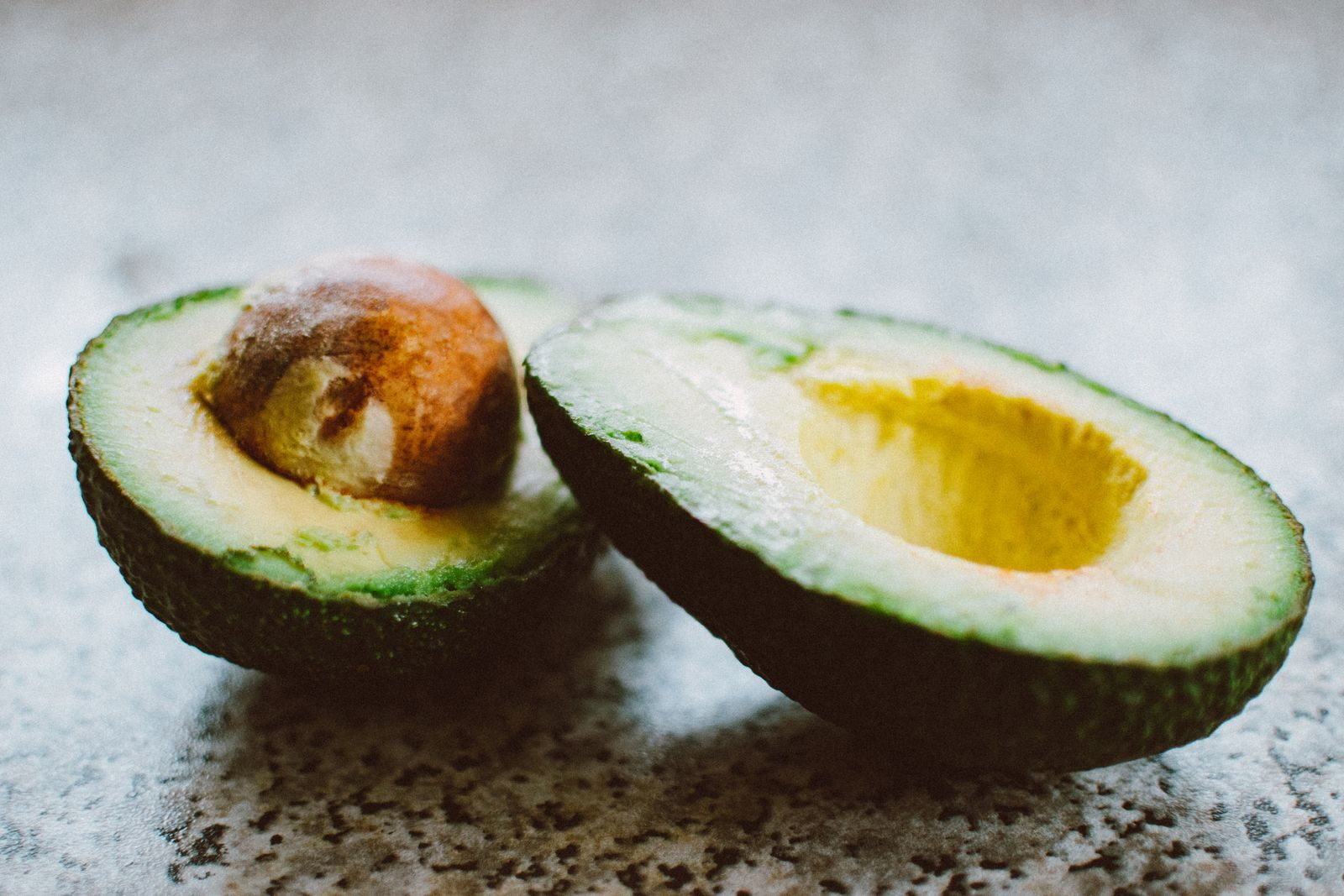
Potassium comes from potatoes, squash, bananas and other fruit, spinach, beans and lentils, avocado, salmon and yoghurt. Some foods work on both fronts, such as spinach, which is rich in both vitamin K and potassium. Including them in your meals supports these intakes, in addition to your treatment.



How cefotaxime works
Cefotaxime is a third-generation cephalosporin. It is a bactericidal antibiotic, which means it kills the bacterium rather than simply slowing its multiplication. Its action targets the bacterial wall, the rigid envelope that protects the cell and gives it its shape. By disrupting the building of this wall, it leaves the bacterium unable to withstand its internal pressure, and the cell eventually bursts.
In detail, cefotaxime binds to bacterial enzymes called penicillin-binding proteins, or peptidoglycan transpeptidases. These enzymes normally carry out the cross-linking of peptidoglycan, that is, the weaving of the mesh that makes up the wall. Once they are blocked, the wall no longer holds and the bacterium dies. In the body, the molecule is converted into desacetyl-cefotaxime, a metabolite that is also active and works in synergy with the parent molecule. Given intravenously, cefotaxime crosses the blood-brain barrier, the boundary that protects the brain, which explains its value in meningitis.
Why cefotaxime is prescribed
Cefotaxime covers a broad range of bacterial infections. It treats pneumonia and other lower respiratory tract infections, gonorrhoea, meningitis, as well as abdominal, gynaecological, skin, bone and joint infections. It also acts on urinary tract infections and on bloodstream infections. This wide spectrum makes it a treatment of choice for situations that are often severe and managed in hospital.
Resistance remains the main obstacle to its effectiveness. Some bacteria produce enzymes called beta-lactamases, capable of hydrolysing the molecule and neutralising it before it can act. Others modify their penicillin-binding proteins, the very target of the drug, so that it no longer attaches to them. This is why cefotaxime is reserved for documented or strongly suspected bacterial infections, never for a viral infection against which it would have no effect.
How it is given day to day
Cefotaxime is given only by injection, intravenously or intramuscularly, from a powder reconstituted just before use. There is no oral form, tablet or syrup, so the question of taking it with or apart from meals does not arise. The treatment is most often given by a healthcare professional. An intravenous injection should never last less than three minutes, in order to avoid reactions linked to too rapid an administration.
The dosing schedule is tight: cefotaxime is given every six to eight hours, for example two grams every six to eight hours in severe infections. This rhythm is explained by its short elimination half-life, of about one hour, which causes blood concentrations to fall quickly. After 500 mg or 1 g intramuscularly, peak serum levels reach 11.7 and 20.5 micrograms per millilitre respectively. Taking the doses regularly maintains an effective concentration throughout treatment, which must be carried through to the end even when symptoms improve, and never stopped on one's own initiative.
The effects to know about and their frequency
The adverse effects of cefotaxime are for the most part uncommon. Local reactions at the injection site, such as inflammation, affect about 4.3 % of patients. Hypersensitivity reactions, with rash, itching, fever or eosinophilia, concern about 2.4 % of patients. Gastrointestinal disorders, colitis, diarrhoea, nausea or vomiting, occur in about 1.4 % of the people treated. Below the 1 % mark are drops in certain white blood cells, neutropenia and leukopenia, headaches and transient rises in liver enzymes.
One signal deserves particular vigilance: Clostridioides difficile diarrhoea. It has been reported with almost all antibacterials, including cefotaxime, because they upset the balance of the intestinal flora. Loose or bloody stools, accompanied by cramps or fever, call for medical advice without delay. This picture may appear during treatment or in the weeks following its discontinuation.
Interactions and medical follow-up
Two combinations require attention. Probenecid reduces the clearance of cefotaxime by about 50 %, which increases its blood concentrations and may strengthen its effects. Aminoglycosides, another family of antibiotics, can potentiate the toxicity of cefotaxime for the kidney when they are given together: it is then recommended to separate the injections and to monitor kidney function.
Follow-up therefore largely concerns the kidney. The dose must be reduced when creatinine clearance drops below 20 mL/min/1.73 m², and kidney function is monitored in the elderly as well as in people with renal impairment. A final point concerns salt: cefotaxime is a sodium salt and provides about 50.5 mg, or 2.2 mEq, of sodium per gram of active ingredient. This load is taken into account at high doses or in a person on a low-sodium diet.
Sources
Related molecules
To explore in the « Anti-infectives » family and its neighbours.
See the whole « Anti-infectives » family · Back to the atlas
Supplements to consider
Beyond the plate, a single isolated nutrient can be worth discussing, to confirm with your doctor or pharmacist. Here is which one and in which form.
Probiotics
Probiotics are live micro-organisms, mainly lactobacilli and bifidobacteria. The CFU count and the number of strains are among the selection criteria; gastro-resistant capsules protect the bacteria from stomach acidity.
Preferred form gastro-resistant capsules, several strains, CFU count stated
Frequently asked questions
What is cefotaxime used for?
Cefotaxime is an injectable third-generation cephalosporin antibiotic, used in the hospital to treat certain bacterial infections. The precise indication that applies to you appears on the package leaflet and is a matter for your doctor or pharmacist.
What are the side effects of cefotaxime?
The public package leaflet mentions, among other things, reactions at the injection site, digestive problems, and possible allergic reactions. For the full list and what to do, refer to the package leaflet and speak with your doctor or pharmacist.
Can you receive cefotaxime if you have a penicillin allergy?
A known allergy to penicillins or cephalosporins is essential information to report, because cross-reactions are possible. This assessment is up to your doctor or pharmacist, based on the package leaflet.
Is cefotaxime taken as a tablet or as an injection?
Cefotaxime is given by injection, generally in a hospital setting by a healthcare professional. The way it is administered and the length of treatment are decided by your doctor and detailed in the package leaflet.
Can you drink alcohol while taking cefotaxime?
Any question about alcohol or about combining it with other medicines should be checked against the package leaflet and confirmed by your doctor or pharmacist, who know your situation. Never stop a treatment on your own.
Should you take probiotics during or after an antibiotic like cefotaxime?
Antibiotics can alter the balance of the gut flora, and research work links certain probiotics to better digestive comfort during antibiotic treatments. The active ingredient to consider comes in the form of documented strains, such as Saccharomyces boulardii or Lactobacillus rhamnosus, taken a few hours apart from the antibiotic dose. Ask your doctor or pharmacist for advice on the approach suited to your case.
Ces réponses portent sur le volet nutritionnel. Pour toute question sur votre médicament, la notice et votre médecin ou pharmacien font foi.