Esomeprazole
proton-pump inhibitor · PPI
Our referenceBy the Layer Nutrition editorial team · How the atlas classifies the 664 molecules
What this medicine is for
Esomeprazole belongs to the “proton pump inhibitor (PPI)” category. Proton pump inhibitors strongly reduce the stomach's acid production. They are prescribed for reflux, heartburn and ulcers, as a short course or over the long term depending on the situation.
In the case of Esomeprazole, this means: Reduces stomach acidity. It is most often a maintenance treatment, taken at regular times over long periods; its benefit is judged over time, not by how you feel on the day.
Under which brands it is found
Esomeprazole is found in around 23 presentations listed in France. It is available under various brand names and as generics.
- Esomeprazole
- Esomeprazole Biogaran
- Esomeprazole Biogaran Conseil
- Esomeprazole Cristers Pharma
- Esomeprazole Eg
- Esomeprazole Evolugen Pharma
- Esomeprazole Hcs
- Esomeprazole Teva
- Esomeprazole Almus
- Esomeprazole Arrow Conseil
- Esomeprazole Arrow Lab
- Esomeprazole Sandoz
- and other presentations
Original brand-name products and generics deliver the same active substance; the choice between them is made with your doctor or pharmacist.
Our product for this treatment
Esomeprazole is one of the everyday treatments for which we have formulated a targeted supplement.

Layer Nutrition PPI
Magnesium, vitamin C and B12 help you reduce tiredness. Vitamin D supports your bones, your muscles and your immune defences.
- Contributes to the reduction of tiredness (magnesium, vitamin C, B12)
- Contributes to normal muscle function and the maintenance of normal bones (magnesium, vitamin D)
- Contributes to the normal function of the immune system (vitamins C and D)
B12 500 µg · Vitamin C 180 mg · D3 20 µg · Magnesium 100 mg
One bottle, one dose per day. Reduced price from the second box, free delivery from two boxes.
How esomeprazole works
Esomeprazole belongs to the proton pump inhibitor family, the PPIs. It is a prodrug: the molecule swallowed is inactive and only takes on its active form after being cleaved by acid, within the secretory canaliculi of the parietal cells of the stomach. There, it specifically blocks the H+/K+ ATPase proton pump, the enzyme that controls the final step of acid secretion at the surface of these cells. By neutralising this pump, esomeprazole shuts down the production of gastric acid at its source.
Once absorbed, the molecule is mostly metabolised by the CYP2C19 isoenzyme of the liver, which forms the hydroxy and desmethyl metabolites; the remainder passes through CYP3A4, which forms the sulfone metabolite. Its half-life in plasma is short, on the order of 1 to 1.5 hours. This brevity in the blood contrasts with the duration of the effect: by binding to the pump, esomeprazole blocks secretion well beyond its circulating presence. CYP2C19 is also the gateway for several interactions, which we return to below.
Why it is prescribed
Esomeprazole reduces the acidity of the stomach. It is prescribed for so-called acid-related conditions, foremost among them gastro-oesophageal reflux, when the acidic contents of the stomach rise back up towards the oesophagus. This reflux causes burning, discomfort behind the breastbone and, over time, irritation of the lining. By lowering the amount of acid produced, the medicine cuts the aggression at its root rather than simply neutralising the acid already present.
It is also indicated in erosive oesophagitis, the form in which the lining of the oesophagus is already damaged by acid. Here, the objective goes beyond relieving symptoms: the aim is to let the wall heal, which requires acidity to stay durably low. It is this dual purpose, easing the discomfort and allowing repair, that explains why the treatment often extends over time and follows a precise protocol.
How to take it day to day
The timing of the dose matters as much as the dose itself. Esomeprazole is swallowed at least one hour before a meal, because proton pumps become active at the moment of eating: the medicine is then present when the pumps are running, which strengthens its effectiveness. For a single dose per day, it is taken in the morning, before breakfast. Taken after a meal or at random times, it works less well.
Regularity is the key with this class of medicines. Because the effect builds up over several days and the molecule blocks the pumps durably, a missed or delayed dose loses ground. The dose is not changed and the treatment is not stopped on one's own initiative, even once the discomfort has gone: stopping is decided with the doctor, because interrupting too early can let the symptoms return or halt the healing that is under way.
The effects to know about
The most common adverse effects are digestive and neurological, and they remain moderate. In trials on the healing of erosive oesophagitis, headache was the most frequent effect: 5.5% of people on 20 mg and 5% on 40 mg, with diarrhoea occurring with no difference from the control groups. In symptomatic reflux in adults, diarrhoea, headache and abdominal pain were each reported in about 4% of patients. Nausea, flatulence, constipation and dry mouth appeared at comparable rates across the treatment groups.
Other effects emerge only when the treatment is prolonged and at high doses. A drop in blood magnesium, or hypomagnesaemia, can occur; correcting it most often requires a magnesium supply and stopping the PPI. Daily use over a long period, for example beyond three years, can lead to malabsorption of vitamin B12, because gastric acid takes part in its release from food. Finally, an increased risk of fracture of the hip, wrist or spine has been observed in people receiving high doses over a prolonged period.
On the plate
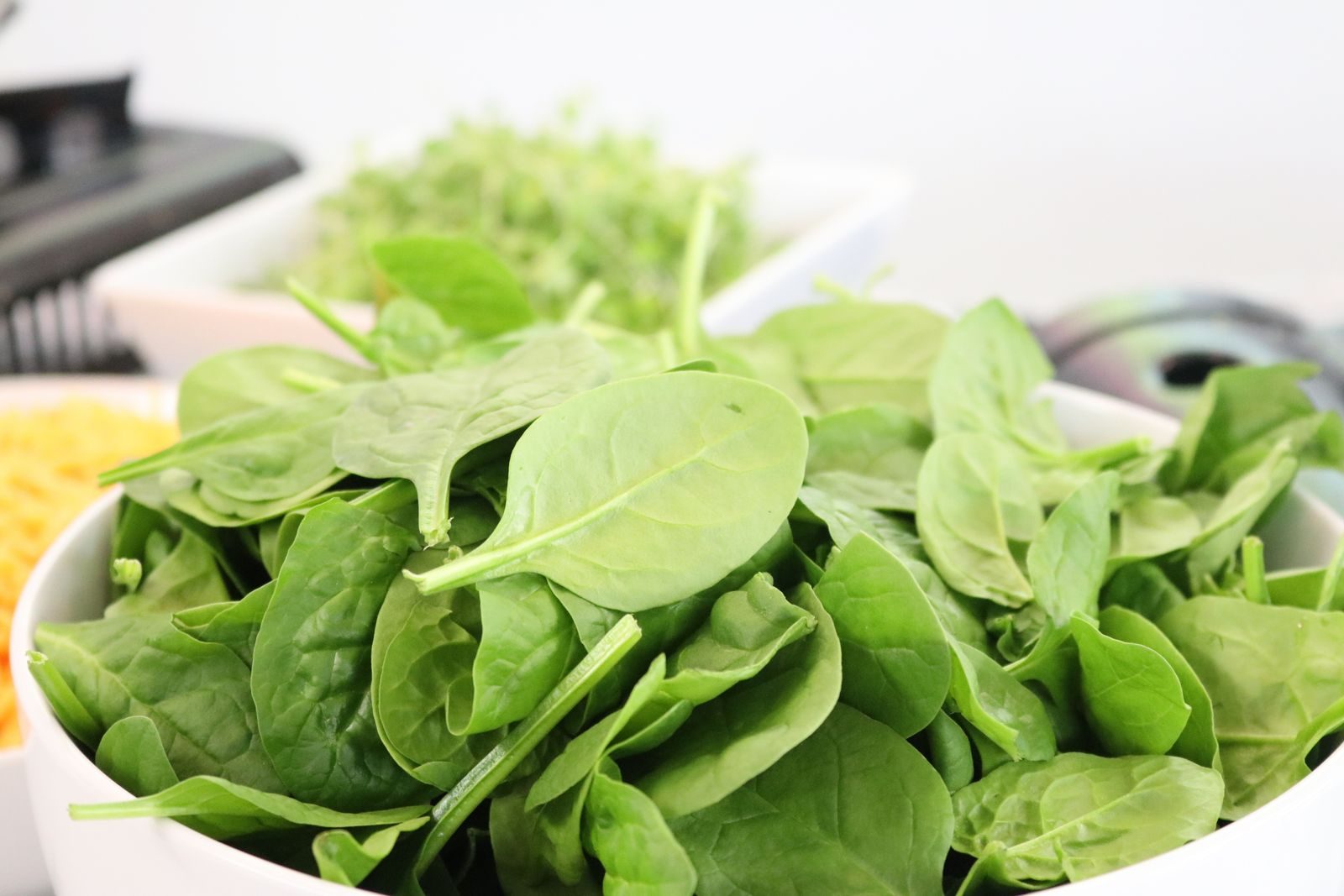
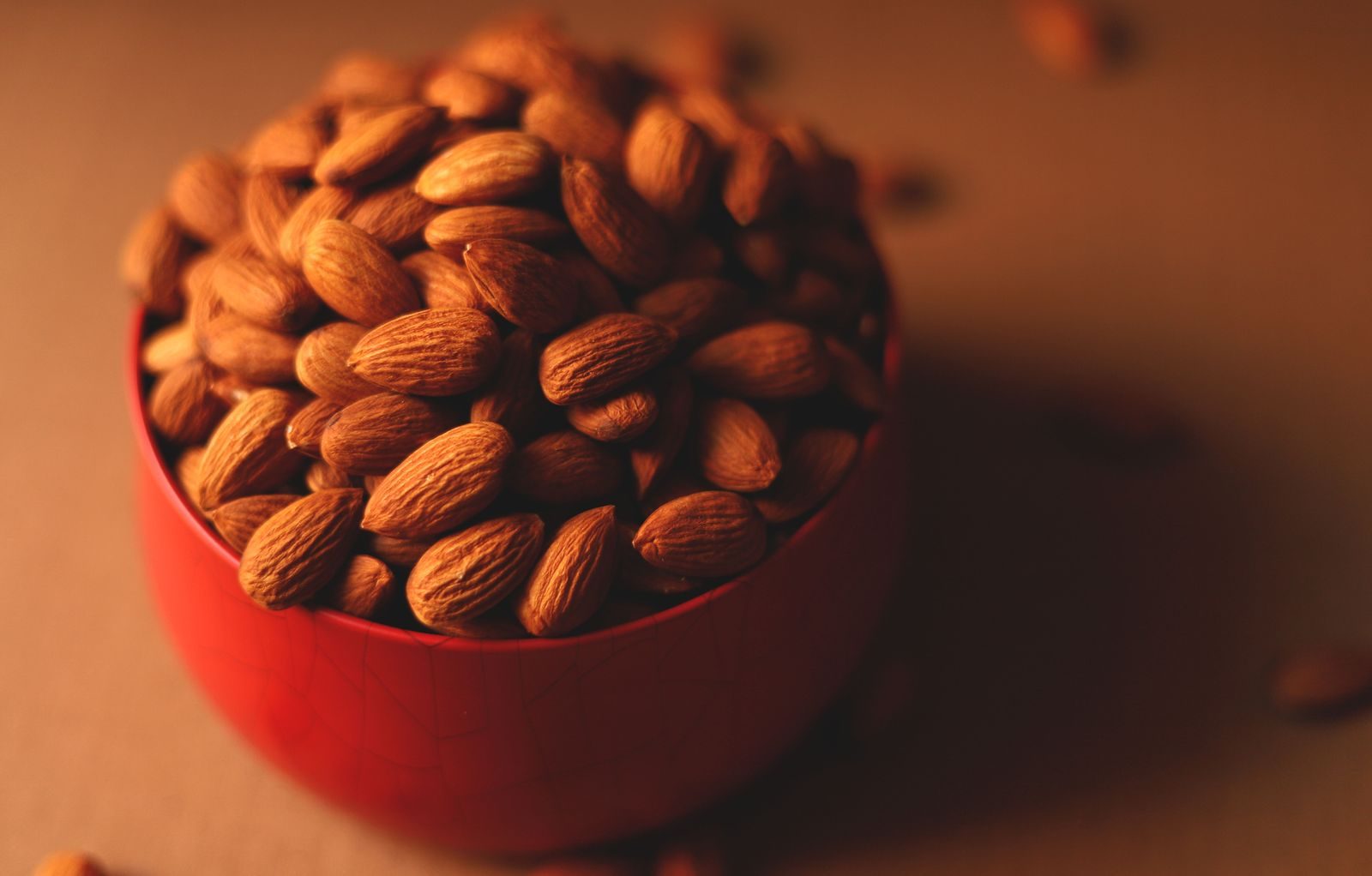
By lowering the acidity of the stomach, esomeprazole also affects the way certain nutrients are released and then absorbed. Vitamin B12 is the clearest example: acid helps detach it from food, and a long treatment can hinder its absorption. It is found in products of animal origin, fish, meat, poultry, eggs, milk and dairy products. Magnesium, which prolonged treatment can lower, is found in spinach, nuts and wholemeal bread.
Other intakes deserve to stay well looked after because they depend in part on the pH of the stomach. Iron is better supplied by red meat, beans, chickpeas, nuts and dried apricots; calcium by cheese, kale and sardines whose bones are eaten. A varied plate, rich in green vegetables, fish and nuts, already covers a large share of these needs. When a treatment durably alters the ground, a targeted supply makes sense, in addition to the treatment and never in its place.


Interactions and monitoring
Two mechanisms account for most of the interactions. Through CYP2C19, esomeprazole reduces the formation of the active metabolite of clopidogrel, the antiplatelet agent, so much so that the two should not be combined. Through the reduction in acidity, it lowers the absorption of medicines whose bioavailability depends on pH: atazanavir, nelfinavir, rilpivirine, ketoconazole, iron salts, erlotinib and mycophenolate mofetil. Conversely, it can raise and prolong the concentrations of methotrexate, especially at high dose, with a risk of toxicity, and interact with warfarin, with a possible rise in the INR, as with digoxin, tacrolimus, cilostazol and diazepam.
Monitoring follows directly from these effects. It is advised to measure blood magnesium before starting a prolonged treatment, then to check it periodically. Any combination with an anticoagulant, methotrexate or one of the medicines mentioned calls for close surveillance, decided by the doctor or the pharmacist. Reporting all of one's treatments, including those taken without a prescription, makes it possible to anticipate these interactions rather than discover them on a test result.
Sources
Related molecules
To explore in the « Digestion and stomach » family and its neighbours.
See the whole « Digestion and stomach » family · Back to the atlas
Frequently asked questions
What is esomeprazole used for?
Esomeprazole is a proton pump inhibitor (PPI) that reduces acid production in the stomach. It is used in particular for gastroesophageal reflux disease (GERD), ulcers and certain forms of dyspepsia. For your specific situation, refer to the package leaflet and to your doctor or pharmacist.
What are the side effects of esomeprazole?
The package leaflet lists common effects such as headaches, bowel changes or nausea, and for long-term use it mentions monitoring magnesium and vitamin B12. For the full list and your own case, check the package leaflet and your doctor or pharmacist.
Should you take esomeprazole in the morning or at night?
The package leaflet states that the tablet is taken with a glass of water, with or without food, with the morning dose being the usual one. The exact timing suited to your treatment should be decided with your doctor or pharmacist.
Does esomeprazole have drug interactions?
Yes, the package leaflet flags interactions, in particular with methotrexate, whose concentration may rise. Always tell your doctor or pharmacist about all of your medicines, and refer to the package leaflet.
Are esomeprazole and Nexium the same thing?
Nexium is a branded product based on esomeprazole, and the generic versions contain the same active ingredient. For any question about a substitution or an equivalent, speak to your pharmacist.
Can you take esomeprazole while pregnant or breastfeeding?
The package leaflet limits its use during pregnancy to situations with no alternative and advises seeking medical advice for breastfeeding. This decision rests with your doctor, based on your situation.
How do you stop taking esomeprazole?
Stopping long-term treatment can be accompanied by acid rebound. Stopping, and tapering it off over time if needed, should be decided with your doctor, never on your own.
What should you do if you miss a dose of esomeprazole?
If you miss a dose, what to do is set out in the package leaflet and depends on when you notice it. Do not double the next dose without advice, and check the package leaflet or ask your pharmacist.
Can you drink alcohol while taking esomeprazole?
The package leaflet does not describe a specific documented interaction between esomeprazole and alcohol. Since alcohol remains a digestive irritant, discuss your intake with your doctor or pharmacist.
Should you monitor magnesium on long-term esomeprazole?
In 2011 the French agency ANSM reported cases of low magnesium (hypomagnesemia) linked to PPIs taken long term and advised monitoring magnesium. A blood test is something to discuss with your doctor. On the nutrition side, magnesium in bisglycinate form, found in our IP01 reference, is valued for its good digestive tolerance.
Is esomeprazole linked to vitamin B12?
Research links long-term PPI use to reduced absorption of vitamin B12, because stomach acid helps release it from dietary proteins. If you have signs of fatigue or neurological symptoms, a test can be raised with your doctor. Vitamin B12 is part of our IP01 reference.
Which nutrients to consider during long-term esomeprazole treatment?
The two documented markers on long-term PPIs are magnesium and vitamin B12. Our IP01 reference brings these two together, with magnesium in bisglycinate form. It is not a treatment for reflux and it replaces neither the monitoring nor the decisions of your doctor.
Ces réponses portent sur le volet nutritionnel. Pour toute question sur votre médicament, la notice et votre médecin ou pharmacien font foi.