Omeprazole
proton-pump inhibitor · PPI
Our referenceBy the Layer Nutrition editorial team · How the atlas classifies the 664 molecules
What this medicine is for
Pharmacologically, Omeprazole relates to the category “proton pump inhibitor (PPI)”. Proton pump inhibitors strongly reduce the production of acid by the stomach. They are prescribed against reflux, heartburn and ulcer, as a short course or over the long term depending on the situation.
In the case of Omeprazole, this means: Reduces stomach acidity. It is generally taken over the long term, within regular monitoring, and is not stopped on your own initiative.
Under which brands it is found
Omeprazole is part of the composition of about 22 presentations listed in France. It is found under several brand names and as generics.
- Mopral
- Omeprazole Almus
- Omeprazole Arrow
- Omeprazole Arrow Conseil
- Omeprazole Arrow Lab
- Omeprazole Biogaran
- Omeprazole Biogaran Conseil
- Omeprazole Cristers Pharma
- and other presentations
Generics and the original brand are equivalent for the active substance; only the appearance, the name or the excipients may differ.
Our product for this treatment
You take Omeprazole. For people who follow this type of treatment every day, we have designed a dedicated product.

Layer Nutrition PPI
Magnesium, vitamin C and B12 help you reduce tiredness. Vitamin D supports your bones, your muscles and your immune defences.
- Contributes to the reduction of tiredness (magnesium, vitamin C, B12)
- Contributes to normal muscle function and the maintenance of normal bones (magnesium, vitamin D)
- Contributes to the normal function of the immune system (vitamins C and D)
B12 500 µg · Vitamin C 180 mg · D3 20 µg · Magnesium 100 mg
One bottle, one dose per day. Reduced price from the second box, free delivery from two boxes.
How omeprazole works
Omeprazole belongs to the family of proton pump inhibitors. It acts on the parietal cell, the cell in the stomach wall that produces acid, by blocking its H+/K+-ATPase pump. This enzyme is the final step of secretion: it exchanges a potassium ion for a proton (H+) that it releases into the stomach, and this proton acidifies the gastric contents. By locking this pump, omeprazole shuts down the production of hydrochloric acid at its last step, whatever the underlying cause upstream.
The molecule arrives inactive: it is a prodrug. It wakes up only in a strongly acidic environment, inside the canaliculi of the parietal cell, where it is converted into sulfenamide, its active form. This sulfenamide binds covalently to the cysteine residues of the pump, a lasting and almost irreversible attachment. The effect begins in about one hour, reaches its peak around two hours and lasts nearly 72 hours. The half-life in the blood, however, stays short, on the order of half an hour to an hour: the drug has left the plasma well before its effect fades, because secretion only resumes after three to five days, the time the cell needs to make new pumps.
Why omeprazole is prescribed
Omeprazole is used whenever stomach acidity needs to be reduced. It is prescribed for gastroesophageal reflux, when acid rises and irritates the esophagus, and for erosive esophagitis, its most damaged form. It also treats stomach and duodenal ulcers, by removing the acid that sustains the sore and prevents it from healing. In these situations, reducing acid gives the tissues the calm they need to repair.
It is also part of the eradication of Helicobacter pylori, the bacterium responsible for many ulcers, in combination with antibiotics: by lowering acidity, it makes the environment more favorable to their action. Finally, it controls states of excessive acid secretion, such as Zollinger-Ellison syndrome, in which a tumor drives the stomach to produce too much acid. The principle stays the same from one indication to another: less acid, for the time the mucosa needs to heal or the excess to be brought under control.
How to take it day to day
The timing of the dose changes its effectiveness. Omeprazole is taken on an empty stomach, 30 to 60 minutes before a meal. The reason lies in its mechanism: it only blocks pumps that are active, so it must already be circulating in the blood when the meal awakens secretion. Taken one hour after the meal rather than one hour before, the amount actually absorbed drops by about 24%.
Regularity matters as much as timing. A daily dose, at the same time of day, maintains the blockade from one day to the next. Treatment should not be stopped on one's own initiative, even when symptoms have disappeared: the healing of an ulcer or an esophagitis often takes several weeks, and acid returns within three to five days after stopping. Any change in dose or duration is decided with the doctor who set the indication.
The effects to know about
As a single therapy, omeprazole is generally well tolerated, and its most common effects remain digestive or mild. In clinical trials, headache comes first, in 6.9% of people, followed by abdominal pain (5.2%), nausea (4%), diarrhea (3.7%), vomiting (3.2%) and flatulence (2.7%). These figures describe use on its own, over the durations of the trials.
The profile changes when omeprazole is combined with antibiotics to eradicate H. pylori. In this triple therapy with clarithromycin and amoxicillin, diarrhea becomes more frequent (14%), an altered sense of taste appears in 10% of people and headache affects 7%. These effects are largely due to the associated antibiotics and resolve at the end of the course. Other questions arise mainly with prolonged use, and they concern the absorption of several nutrients.
On the plate
By suppressing acid, omeprazole affects far more than digestion: gastric acidity also serves to prepare several nutrients. Vitamin B12 depends on it directly, because acid detaches it from food proteins before it can be absorbed. On this point, studies of prolonged use give conflicting results: some report a decline in B12 status on PPIs, but the most recent meta-analysis finds no clear association, and the causal link is not established. This vitamin is found only in foods of animal origin, fish, meat, eggs and dairy products, never in unfortified plants.
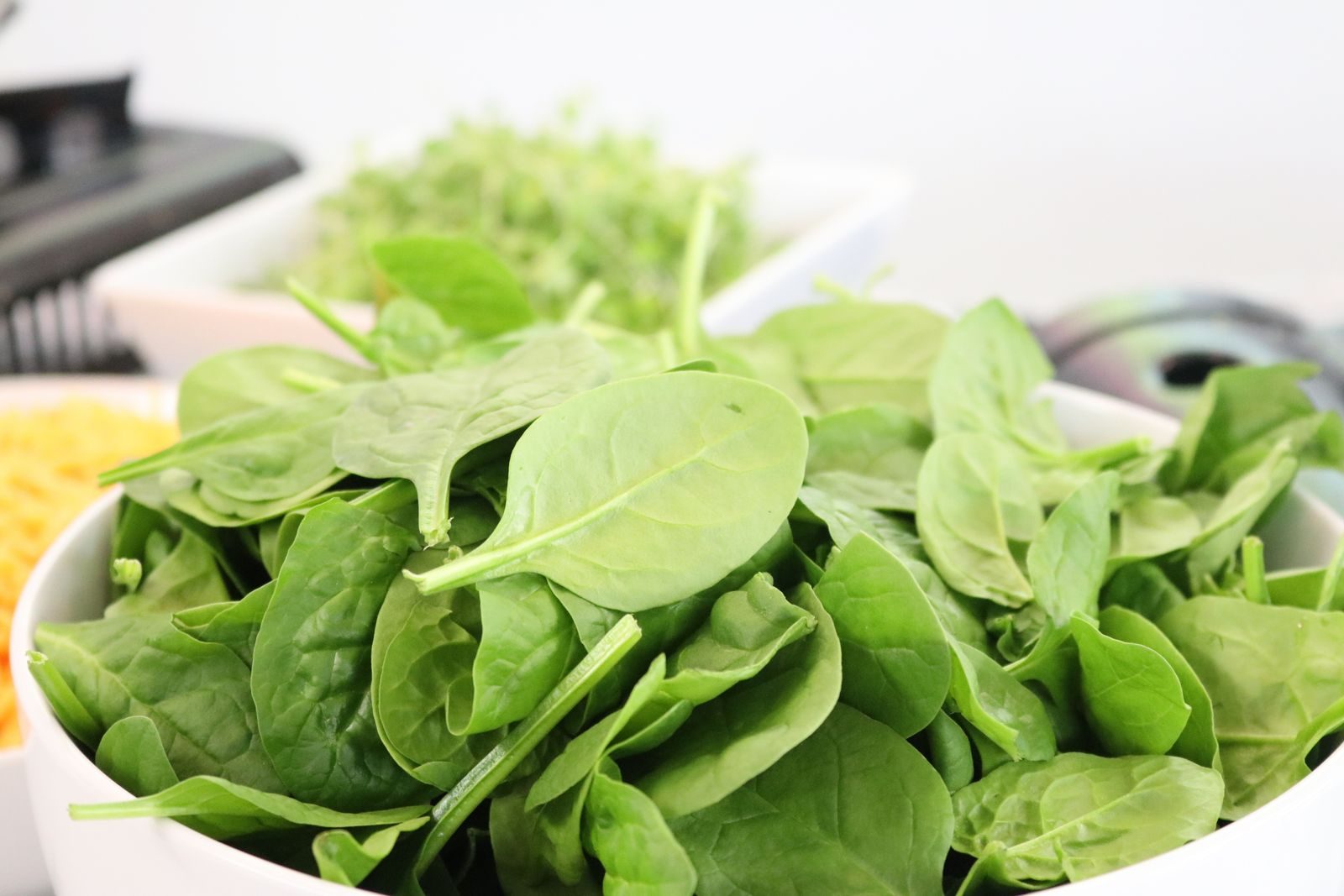
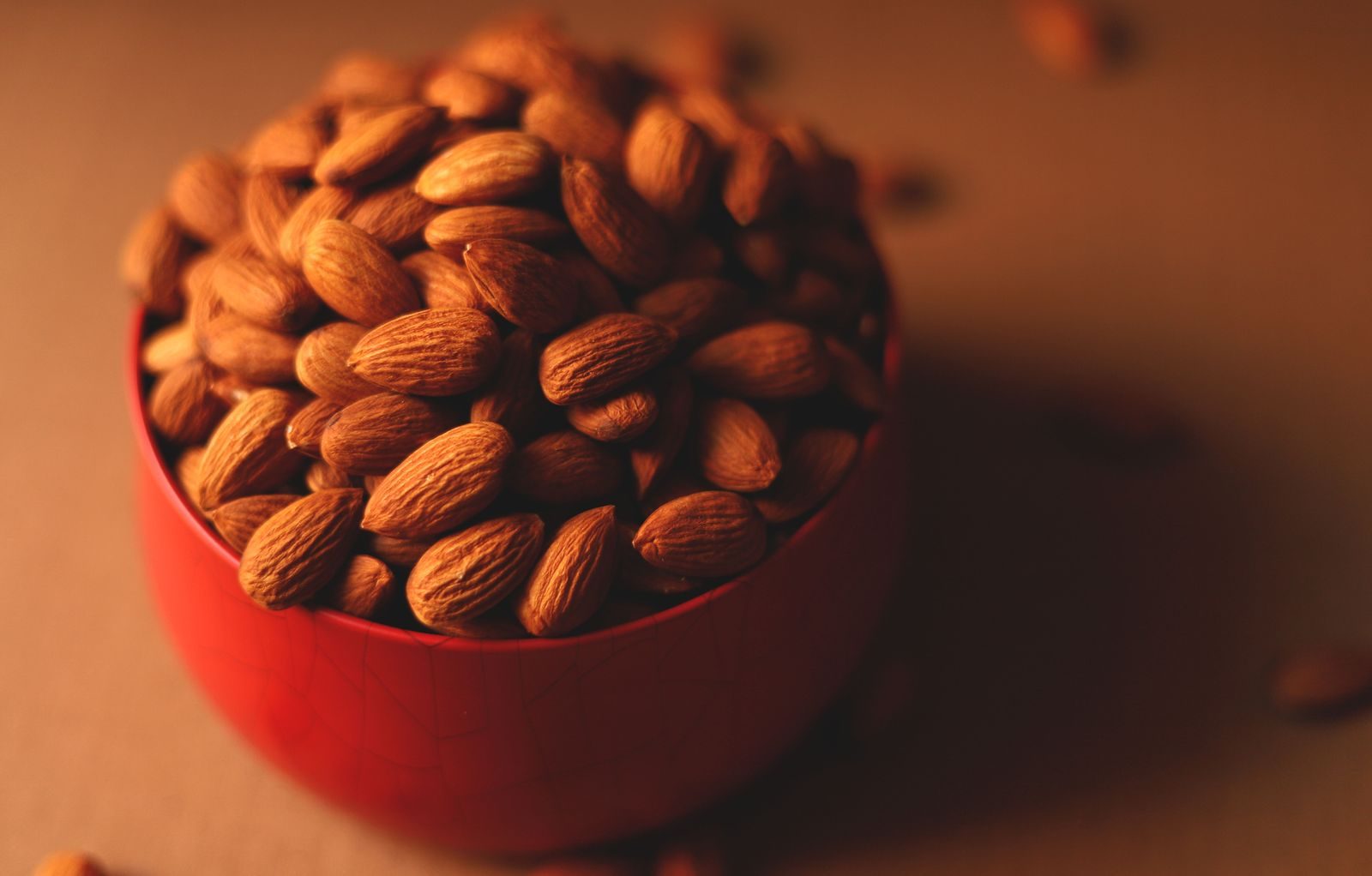
Iron follows the same logic: acidity turns the non-heme iron of plants into a soluble form that is better absorbed, while the heme iron of meat passes regardless of pH. Prolonged use may therefore hamper the absorption of plant iron, that of legumes, green vegetables and whole grains, whereas the vitamin C of oranges improves it. Magnesium calls for the same attention: in 2011 the FDA reported cases of hypomagnesemia on PPIs, especially after more than a year, and its good sources are legumes, nuts, seeds, spinach, yogurt and dark chocolate. Acidity also helps to dissolve calcium, which sheds light on the fracture signal seen with prolonged use and the value of good vitamin D status. When treatment lastingly hampers these absorption steps, diet alone does not always close the gap, and a targeted intake then makes sense, in addition to the treatment and never in its place.


Interactions and monitoring
Omeprazole is largely metabolized by the liver, via cytochrome P450, mainly the enzymes CYP2C19 and CYP3A4, which convert it into two main metabolites. Depending on genetic makeup, this breakdown varies: poor CYP2C19 metabolizers, 10 to 20% of East Asian populations, keep the drug longer and are more exposed to it. Omeprazole itself inhibits CYP2C19, which places it in the path of drugs that depend on this enzyme.
Clopidogrel is the most discussed example. This antiplatelet drug is a prodrug that CYP2C19 must activate; combined with omeprazole, its active metabolite drops sharply and its effect on platelets weakens. The FDA advises against combining omeprazole or esomeprazole with clopidogrel, even though the real clinical scope of this interaction remains debated. As for monitoring, the FDA recommends considering a measurement of blood magnesium before prolonged treatment, then monitoring it in people who also take digoxin, diuretics or other drugs that lower magnesium.
Sources
- Omeprazole - StatPearls
- The gastric H+,K+-ATPase: the site of action of omeprazole
- Label: OMEPRAZOLE capsule
- PRILOSEC (omeprazole) Label
- PLAVIX (clopidogrel) Label
- Association Between Long-Term Proton Pump Inhibitor Therapy and Vitamin B12 Status: A Systematic Review and Meta-Analysis
- Proton-pump inhibitor use is associated with low serum magnesium concentrations
- Iron deficiency anemia from iron malabsorption caused by proton pump inhibitors
- Proton Pump Inhibitors and the Risk for Fracture at Specific Sites: Data Mining of the FDA Adverse Event Reporting System
- Vitamin B12 - Fact Sheet for Consumers
- Magnesium - Fact Sheet for Health Professionals
- Iron - Fact Sheet for Health Professionals
Related molecules
To explore in the « Digestion and stomach » family and its neighbours.
See the whole « Digestion and stomach » family · Back to the atlas
Frequently asked questions
What is omeprazole used for?
Omeprazole is a proton pump inhibitor (PPI) that reduces the stomach's production of acid. It is used in particular for gastro-oesophageal reflux, oesophagitis and gastroduodenal ulcer. For your specific situation, refer to the package leaflet and to your doctor or pharmacist.
What are the side effects of omeprazole?
The package leaflet mainly mentions headaches and digestive problems such as diarrhoea, nausea, abdominal pain or flatulence. Any unusual or persistent effect should be reported to a healthcare professional. Read the leaflet and talk to your doctor or pharmacist about it.
When should you take omeprazole, before or after food?
Omeprazole is generally taken on an empty stomach, before a meal, but the exact timing depends on your prescription. Do not change the timing or the way you take it on your own. Follow the leaflet and the instructions of your doctor or pharmacist.
Does omeprazole have interactions with other medicines?
Yes, omeprazole can interact with certain medicines, including some heart treatments and anticoagulants, because it alters stomach acidity and the metabolism of several molecules. Report all the treatments you are taking. The full list is in the package leaflet; confirm with your doctor or pharmacist.
How do you stop taking omeprazole?
Stopping a PPI is often done gradually to limit rebound acidity, but the approach should be decided together with a healthcare professional. Do not stop the treatment on your own initiative. Refer to the package leaflet and to your doctor or pharmacist.
Can you take omeprazole during pregnancy or breastfeeding?
Use during pregnancy or breastfeeding calls for a case-by-case assessment by a healthcare professional. Do not start or continue this treatment without medical advice in this context. Read the package leaflet and consult your doctor or pharmacist.
Can you drink alcohol while taking omeprazole?
The package leaflet does not describe any major direct interaction between omeprazole and alcohol, but alcohol can worsen the digestive symptoms that the treatment is meant to relieve. If you have any doubt about your consumption, ask your doctor or pharmacist for advice.
What is the difference between omeprazole and esomeprazole?
Esomeprazole is a form related to omeprazole, both belonging to the PPI family that reduces stomach acidity. The choice between the two depends on the indication and the prescription. To find out which one applies to you, refer to your doctor or pharmacist.
Can long-term omeprazole affect magnesium levels?
Since 2011, the ANSM has advised monitoring magnesium in people on long-term PPI treatment, as cases of low blood magnesium have been reported with prolonged use. This monitoring involves a blood test decided on by your doctor. It is not an automatic cause-and-effect link.
Should you monitor vitamin B12 while taking omeprazole?
Research links prolonged PPI use to reduced absorption of vitamin B12, since stomach acidity helps release it from food. Checking B12 status may be considered during a long-term treatment. This laboratory follow-up should be discussed with your doctor.
Which form of magnesium should you consider, and what does Layer offer for PPIs?
For magnesium, bisglycinate is a chelated form often chosen for its good digestive tolerance. Layer Nutrition's IP01 reference is our layer designed for people concerned by a PPI treatment, built around magnesium bisglycinate and vitamin B12. It comes in addition to your diet, never as a replacement for medical advice or a blood test.
Ces réponses portent sur le volet nutritionnel. Pour toute question sur votre médicament, la notice et votre médecin ou pharmacien font foi.