Rabeprazole
proton-pump inhibitor · PPI
Our referenceBy the Layer Nutrition editorial team · How the atlas classifies the 664 molecules
What this medicine is for
Rabeprazole is a medicine in the « proton pump inhibitor (PPI) » category. Proton pump inhibitors strongly reduce acid production by the stomach. They are prescribed for reflux, heartburn and ulcer, as a short course or over the long term depending on the situation.
In practical terms, for Rabeprazole: Reduces stomach acidity. It is most often a long-term background treatment, taken at regular times over extended periods; its benefit is assessed over time, not by how you feel on a given day.
Under which brands it is found
In France, about 12 reimbursable presentations containing Rabeprazole are recorded. It comes under various trade names and in generic form.
- Pariet
- Rabeprazole Arrow
- Rabeprazole Bgr
- Rabeprazole Biogaran
- Rabeprazole Cristers Pharma
- Rabeprazole Evolugen
- Rabeprazole Krka
- Rabeprazole Sandoz
- and other presentations
Generics and the original brand are equivalent for the active substance; only the appearance, the name or the excipients may differ.
Our product for this treatment
You take Rabeprazole. For people who follow this type of treatment every day, we have designed a dedicated product.

Layer Nutrition PPI
Magnesium, vitamin C and B12 help you reduce tiredness. Vitamin D supports your bones, your muscles and your immune defences.
- Contributes to the reduction of tiredness (magnesium, vitamin C, B12)
- Contributes to normal muscle function and the maintenance of normal bones (magnesium, vitamin D)
- Contributes to the normal function of the immune system (vitamins C and D)
B12 500 µg · Vitamin C 180 mg · D3 20 µg · Magnesium 100 mg
One bottle, one dose per day. Reduced price from the second box, free delivery from two boxes.
How rabeprazole works
Rabeprazole belongs to the family of proton pump inhibitors, or PPIs. It is a substituted benzimidazole that blocks a specific enzyme, the H+/K+ ATPase known as the proton pump, located on the secretory surface of the parietal cells of the stomach. This pump carries out the final step of acid production: it expels hydrogen ions into the stomach in exchange for potassium ions. By neutralizing it, rabeprazole cuts off acid secretion at its source, without acting on the H2 histamine receptors and without any anticholinergic action.
Rabeprazole is a prodrug: it circulates in an inactive form and only becomes active on contact with acid, in the secretory canaliculi of the parietal cells. An acid-catalyzed cleavage then transforms it into a molecule able to bind to the pump and block it. These pumps are activated mainly during meals, which explains the recommended timing of the dose. The blood peak appears 2 to 5 hours after intake and the molecule leaves the blood quickly, with a half-life of 1 to 2 hours, while its effect on the pumps lasts much longer than its presence in the circulation.
Why rabeprazole is prescribed
The common thread across its indications is to reduce acidity so that a damaged mucosa can heal, or to prevent it from becoming damaged. Rabeprazole is prescribed for erosive or ulcerative gastro-oesophageal reflux, over a period of 4 to 8 weeks to achieve healing, then as maintenance to sustain it. It also treats symptomatic gastro-oesophageal reflux and duodenal ulcer, two situations where excess acid keeps the pain going and delays recovery.
It is also part of the eradication of Helicobacter pylori, the bacterium associated with many ulcers, in combination with two antibiotics, amoxicillin and clarithromycin. Finally, it is indicated for pathological hypersecretory conditions, including Zollinger-Ellison syndrome, where the stomach produces acid in abnormally high amounts. In all these cases, a lasting drop in acidity is the therapeutic lever being targeted.
How to take it day to day
The usual dose is 20 mg once a day. The tablet is taken whole: it should not be chewed, crushed or split, because its coating protects the molecule until it reaches its site of action. For most indications, it can be taken with or without food. Two exceptions: for duodenal ulcer, it is taken after a meal, and for H. pylori eradication, it is taken with food.
PPIs work better before a meal, because the proton pumps activate while we eat: they are then in full activity and the medication reaches them at the right moment. For a once-daily dose, the morning works well; for a second dose, it is placed about 30 minutes before the evening meal. Consistency matters, and stopping is not a decision to make alone: interrupting a PPI can trigger a rebound in acid secretion, with acidity temporarily stronger than before treatment. This point is discussed with the doctor, who adjusts the duration and the withdrawal.
The effects to know about
In controlled trials in adults, the adverse effects occurring in at least 2% of patients are pain (3%), pharyngitis (3%), flatulence (3%), infection (2%) and constipation (2%). Headache is reported in fewer than 2% of treated adults, but at a frequency higher than with placebo. In adolescents aged 12 to 16, the profile differs: headache (9.9%), diarrhoea (4.5%), nausea (4.5%), vomiting (3.6%) and abdominal pain (3.6%).
Two effects deserve particular attention during prolonged treatment. Hypomagnesaemia, with or without symptoms, has been reported rarely in patients treated with PPIs for at least three months. And a treatment that reduces gastric acidity, continued for a long time, for example beyond three years, can lead to malabsorption of vitamin B12, because acid takes part in its release from food. The link sometimes raised between PPIs, fracture risk and calcium metabolism rests on conflicting data: this association is not established and the proposed mechanisms remain uncertain.
Interactions and monitoring
Rabeprazole alters the action or exposure of several medications. It reduces the area under the curve of the active metabolite of clopidogrel by about 12%. By lowering acidity, it decreases exposure to ketoconazole by about 31% and reduces the effectiveness of atazanavir and nelfinavir, whose absorption depends on gastric pH; combination with rilpivirine is contraindicated. It can also raise methotrexate levels, to the point that temporarily stopping the PPI may be considered with high doses. With warfarin, the INR is monitored, and with digoxin, blood concentrations.
Monitoring follows directly from these effects. In the case of prolonged treatment, monitoring of magnesium levels may be recommended, and vitamin B12 status deserves attention beyond three years. Rabeprazole is metabolized by the liver enzymes CYP3A and CYP2C19, a point that matters when another medication uses the same pathways. Any interruption is prepared with the doctor, to take account of the possible acid rebound.
On the plate
By lowering acidity, rabeprazole affects two nutrients that the stomach specifically helps to absorb. Vitamin B12 is the best documented example: acid takes part in its release from food, and malabsorption can appear after several years of treatment. It is found only in products of animal origin: fish, meat, poultry, eggs, milk and dairy products. It is absent from plant foods, except those fortified with it, which makes intake more fragile in people who consume little of them.
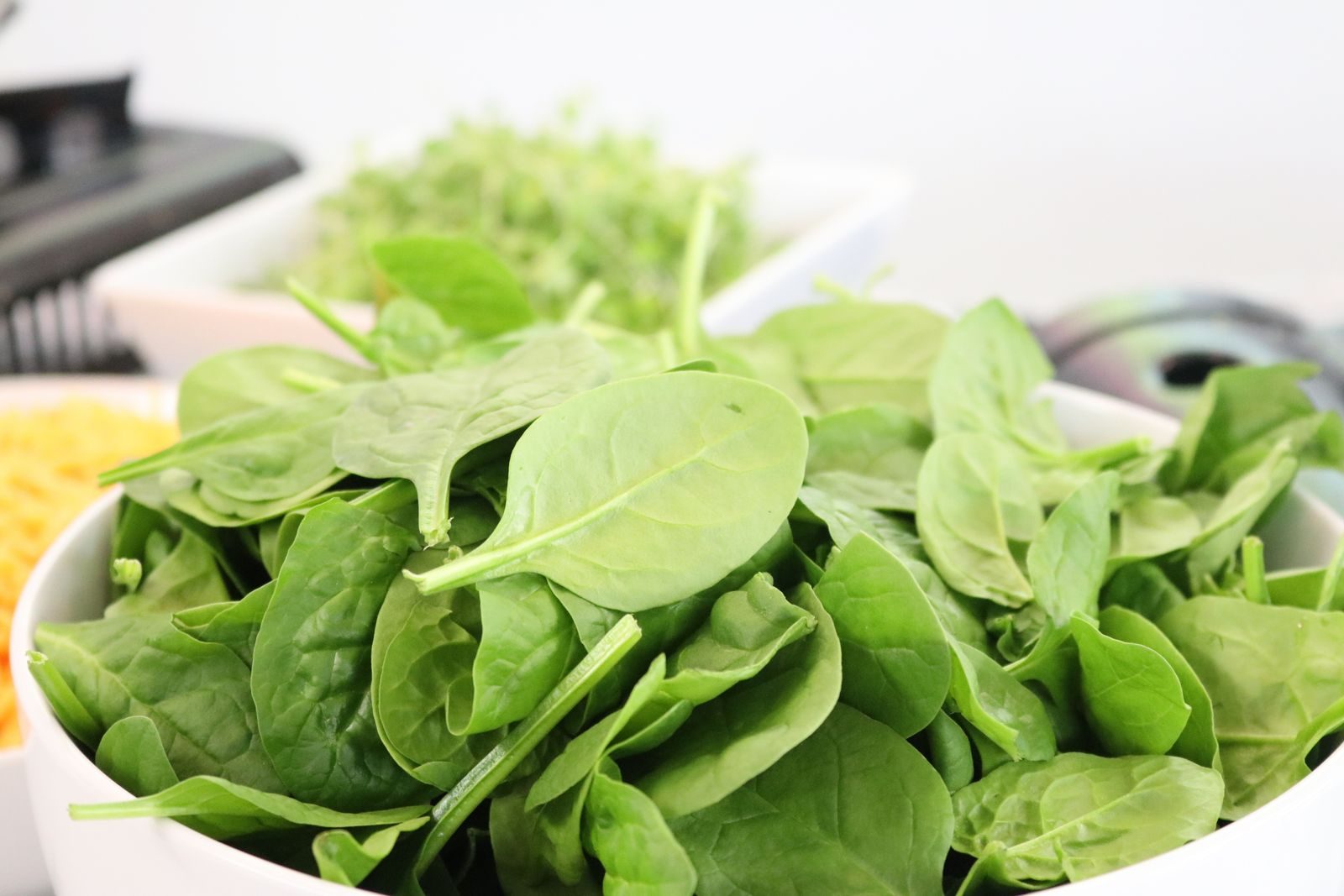
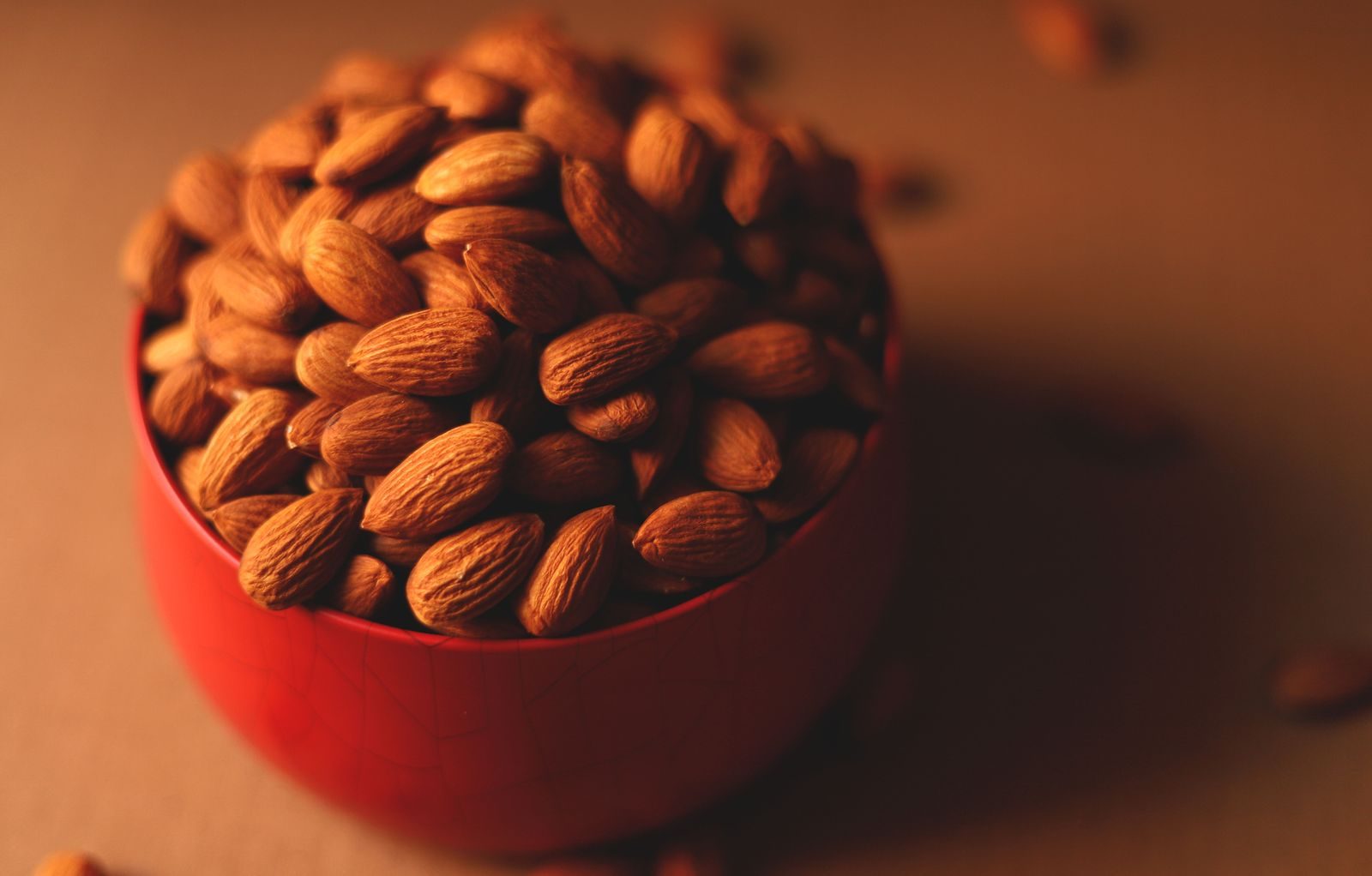
Magnesium is the second point of vigilance, as hypomagnesaemia has been reported during prolonged treatment. It is drawn mainly from green leafy vegetables, but also from bananas, dried apricots, avocados, almonds, peas and beans, brown rice and milk. Iron, present in lean red meat, eggs, fish, beans, spinach, kale, broccoli and almonds, is absorbed less well when it comes from plants: pairing it with a little meat or with vitamin C improves its assimilation. When treatment reduces over time the ability to draw certain nutrients from food, a targeted intake makes sense, in addition to your treatment and never in its place.


Sources
Related molecules
To explore in the « Digestion and stomach » family and its neighbours.
See the whole « Digestion and stomach » family · Back to the atlas
Frequently asked questions
What is rabeprazole used for?
Rabeprazole is a proton pump inhibitor (PPI) that reduces acid production in the stomach. It is used for gastro-oesophageal reflux, heartburn and ulcers, sometimes combined with antibiotics against Helicobacter pylori. For your specific situation, refer to the package leaflet and to your doctor or pharmacist.
What are the most common side effects of rabeprazole?
The package leaflet lists in particular headache, nausea, diarrhoea or constipation and abdominal pain. Most are mild. If a side effect is bothersome or persistent, read the leaflet and talk to your doctor or pharmacist.
When should you take rabeprazole, morning or night, before or after food?
Rabeprazole is usually taken in the morning, before food, with the tablet swallowed whole. The exact timing and duration depend on the condition being treated. Follow the package leaflet and your doctor's prescription without changing the regimen on your own.
Does rabeprazole interact with other medications?
The package leaflet flags possible interactions, for example with clopidogrel, methotrexate, certain antifungals and HIV treatments, as well as altered absorption of iron. Tell your doctor or pharmacist about all your medications and supplements before combining anything.
Can you take rabeprazole during pregnancy or breastfeeding?
Pregnancy and breastfeeding are subject to specific precautions in the package leaflet, where use is not recommended without medical advice. If you are pregnant, planning to be or breastfeeding, do not stop or start this treatment on your own and consult your doctor or pharmacist.
Can you drink alcohol while taking rabeprazole?
Alcohol irritates the stomach lining and can worsen the symptoms the treatment is meant to ease. For advice suited to your case, refer to the package leaflet and to your doctor or pharmacist.
How do you stop taking rabeprazole?
Stopping a PPI is a decision to make with a healthcare professional, because symptoms can return when it is discontinued. Do not stop the treatment on your own: discuss coming off it and the pace with your doctor or pharmacist.
Rabeprazole, Pariet and the generic, are they the same thing?
Rabeprazole is the active substance; Pariet is one brand-name version and generic versions exist (for example Rabeprazole Biogaran). At the same dose, the active ingredient is identical. If you are unsure about your box, ask your pharmacist.
Can long-term rabeprazole affect your magnesium levels?
As early as 2011, France's medicines agency (ANSM) reported cases of low magnesium (hypomagnesaemia) with long-term PPI use and recommends monitoring blood magnesium in this context. It is a simple blood test to raise with your doctor, especially with prolonged treatment or other medications that lower magnesium.
Should you monitor vitamin B12 when taking rabeprazole long term?
By reducing stomach acidity, PPIs taken over the long term are associated with reduced absorption of vitamin B12, which depends on that acidity to be released from food. A B12 blood test can be considered with your doctor during long-term use.
Which form of magnesium is worth considering as nutritional support?
Among the forms of magnesium, bisglycinate is valued for being gentle on digestion, which is useful when the stomach is already sensitive. It is the active ingredient and the form our IP01 reference is built on, designed to support people taking a PPI day to day.
What is Layer Nutrition's IP01 for someone taking a PPI?
IP01 is the Layer Nutrition reference dedicated to people taking a proton pump inhibitor such as rabeprazole. It brings together magnesium in bisglycinate form and vitamin B12, the two nutrients whose monitoring research links to long-term PPI use. It comes as a layer on top of your treatment, never in its place, and does not replace medical follow-up.
Ces réponses portent sur le volet nutritionnel. Pour toute question sur votre médicament, la notice et votre médecin ou pharmacien font foi.