Fluvastatin
statin · lipid-lowering
Our referenceBy the Layer Nutrition editorial team
What this medicine is for
Fluvastatin is a medicine in the 'statin (lipid-lowering)' category. Statins slow, in the liver, a key enzyme in the production of cholesterol, which lowers the LDL cholesterol measured in the blood test. It is a maintenance treatment that you feel nothing of day to day, and whose benefit is counted in years.
Pour Fluvastatine en pratique : Réduit le taux de cholestérol dans le sang. On le prend en général sur la durée, dans le cadre d'un suivi régulier, et on ne l'interrompt pas de sa propre initiative.
Under which brands it is found
Fluvastatin is found in around 5 presentations listed in France. It is available under various brand names and as generics.
- Fluvastatine Arrow
- Fluvastatine Biogaran
- Fluvastatine Sandoz
- Fluvastatine Viatris
- Lescol L.P.
Original brand-name products and generics deliver the same active substance; the choice between them is made with your doctor or pharmacist.
Our product for this treatment
You take Fluvastatin. For people who follow this type of treatment every day, we have designed a dedicated product.

Layer Nutrition Statins
Coenzyme Q10 as ubiquinol, the form the body absorbs.
Ubiquinol 50 mg · Riboflavin 4.2 mg
One bottle, one dose per day. Reduced price from the second box, free delivery from two boxes.
How fluvastatin works
Fluvastatin belongs to the statin family. It blocks HMG-CoA reductase, the enzyme that controls the rate-limiting step of cholesterol production in the liver: the conversion of 3-hydroxy-3-methylglutaryl-coenzyme A into mevalonate, the very first link in this synthesis pathway. It is what is called a competitive inhibitor, meaning that it takes the place of the substrate on the enzyme and thereby slows the reaction.
Deprived of part of its internal production, the liver responds by making more LDL receptors on its surface. These receptors capture the LDL particles circulating in the blood and remove them from the circulation. This LDL is the one that infiltrates the artery wall and forms atheromatous plaques there, at the origin of heart attack and stroke. By lowering its concentration, fluvastatin acts on the very mechanism of atherosclerosis.
Why it is prescribed
Fluvastatin is indicated for primary hypercholesterolaemia and mixed dyslipidaemia, in addition to diet. It is therefore aimed at people whose cholesterol level remains high despite lifestyle measures, and it reinforces these measures rather than replacing them. It is also prescribed for heterozygous familial hypercholesterolaemia in children aged 10 to 16, a genetically driven form in which cholesterol is high from a very young age.
It is finally used in secondary prevention for patients with coronary artery disease. In this case, the goal is no longer merely to correct a figure: it is to prevent the recurrence of a cardiac event in people whose arteries are already affected. The drop in LDL achieved under treatment slows the progression of the plaques and reduces this risk of a new event.
How to take it day to day
Fluvastatin has fast pharmacokinetics: its peak blood concentration is reached in less than an hour after taking the capsule, its elimination half-life is about 3 hours, and its absolute bioavailability is on the order of 24 %. The immediate-release capsule is taken in the evening. The extended-release form, for its part, can be taken at any time of day, which leaves more flexibility.
A meal changes absorption: taken with the evening meal, the medicine sees its peak concentration halved, its total exposure fall by about 11 % and its time to action more than double. The regularity of the intake therefore counts as much as the moment chosen. The benefit on cholesterol depends on a treatment continued over time: stopping the statin on one's own initiative sends the LDL back up, and any change is decided with the doctor who prescribed it.
The effects to know about
In clinical trials, the most frequently reported effects are of a digestive and neurological nature. Headaches affect 8.9 % of people on fluvastatin versus 7.8 % on placebo, dyspepsia 7.9 % versus 3.2 %, abdominal pain 4.9 % versus 3.8 % and nausea 3.2 % versus 2.0 %. Myalgia, those muscle pains often feared with statins, concerns 5.0 % of patients versus 4.5 % on placebo.
Muscle damage, myopathy, depends on the dose and manifests as diffuse pain or unexplained muscle tenderness; its most severe form, rhabdomyolysis, remains rare. A rise in liver enzymes may occur, but it is usually transient and resolves with continuation of the treatment. Statins are finally accompanied by an increase of about 9 % in the probability of developing diabetes, which laboratory monitoring watches over.
On the plate
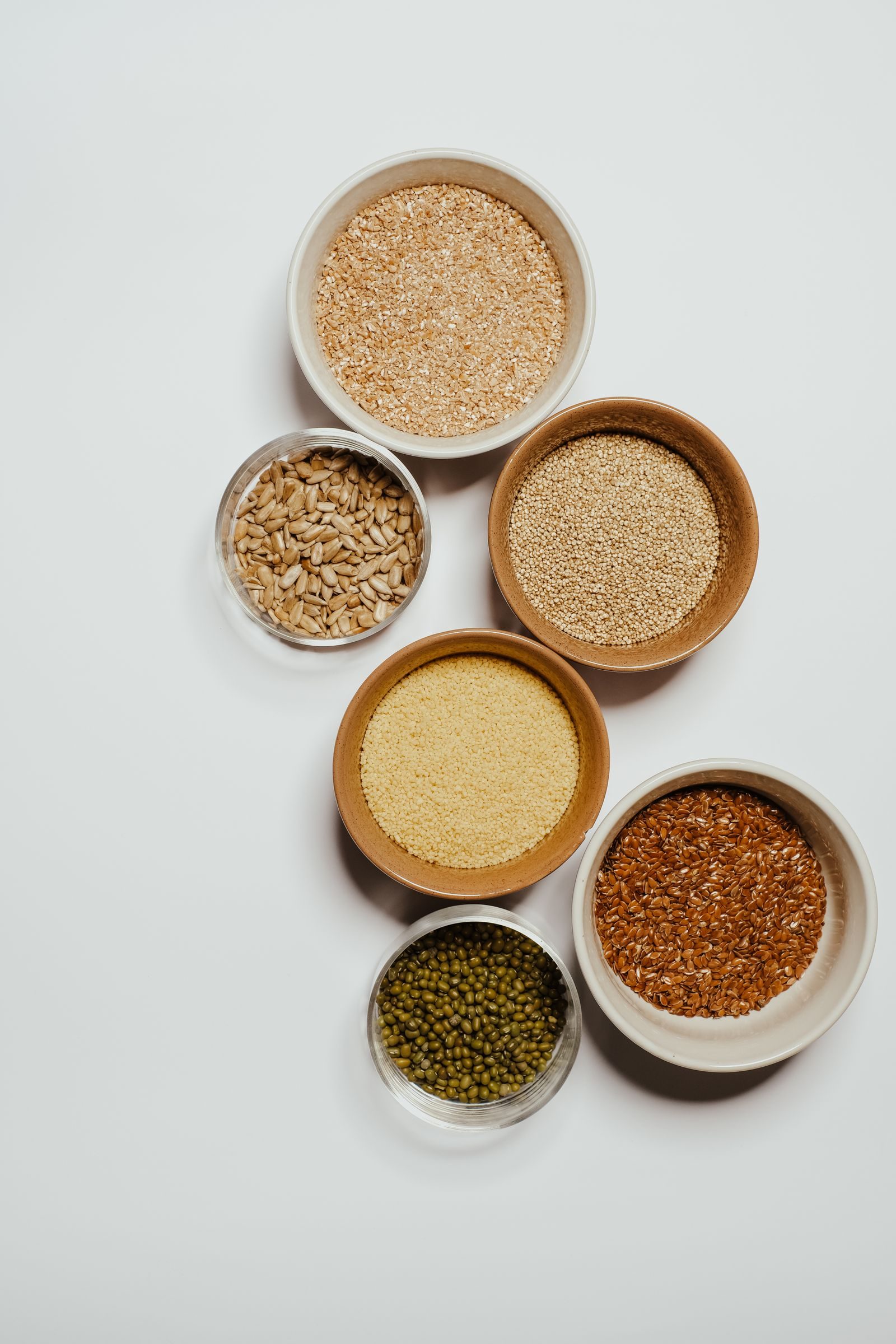
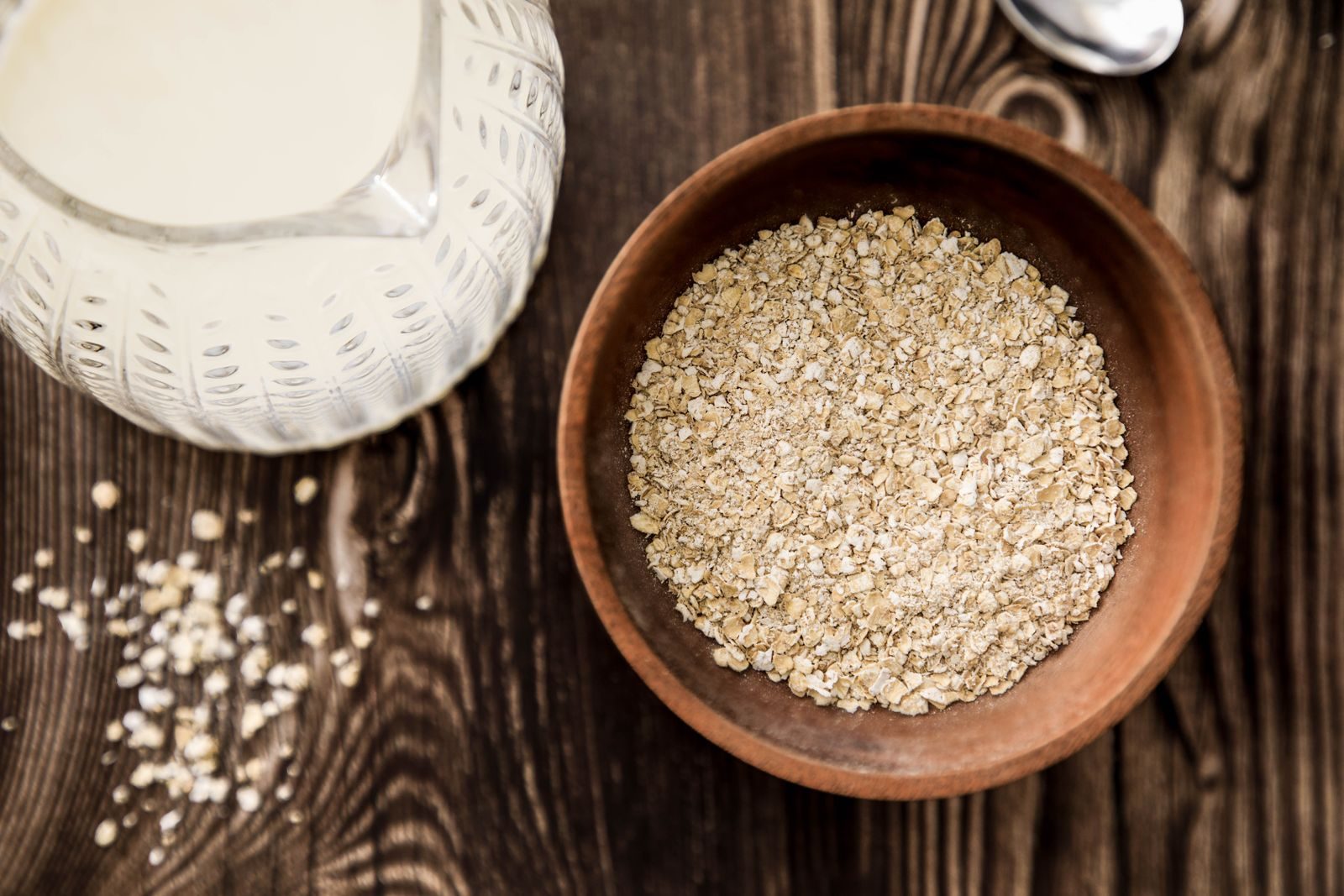
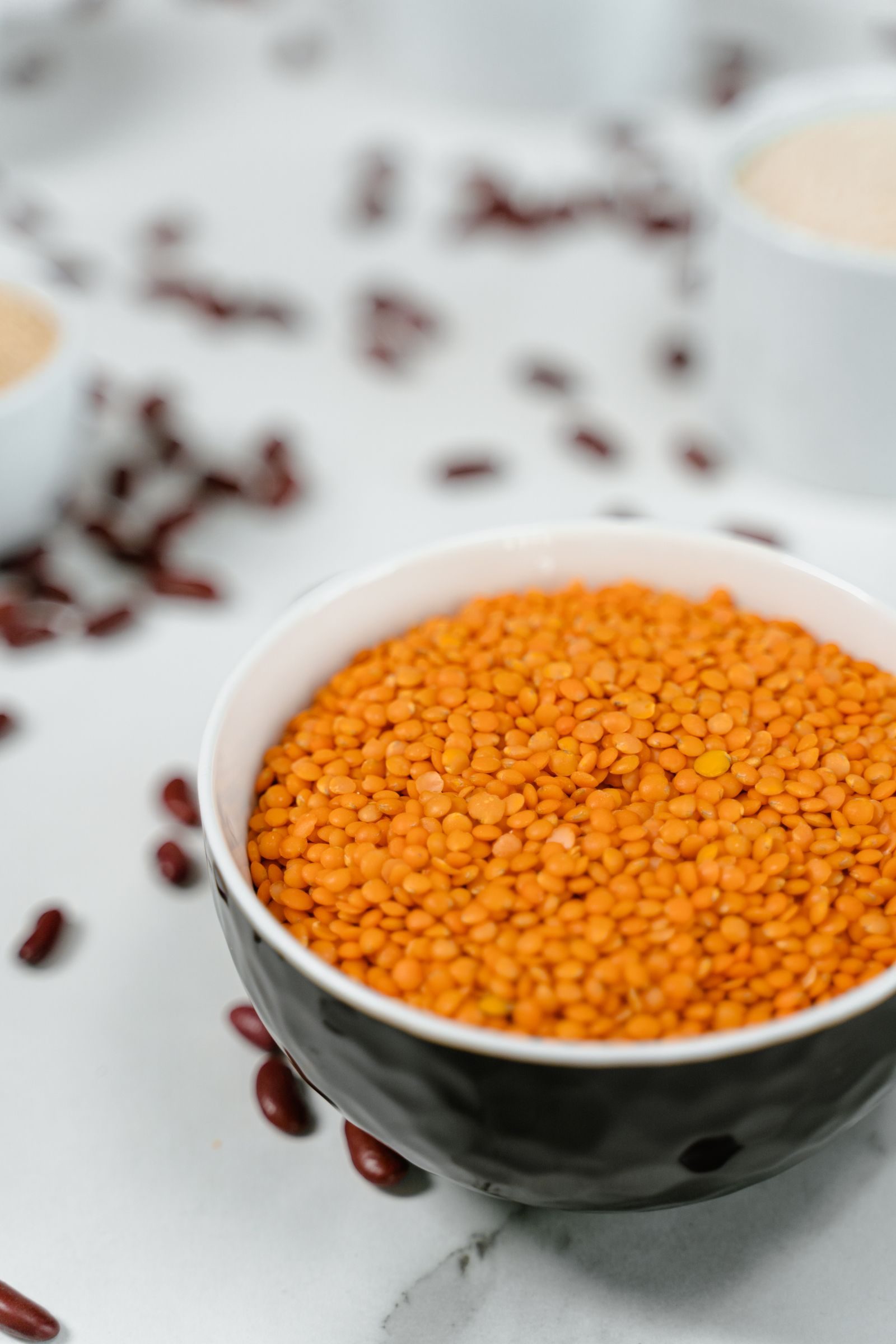
Diet acts on the same ground as your treatment. Soluble fibre is the best-established example: the EFSA recognises a cause-and-effect relationship between the consumption of barley beta-glucans and the lowering of blood LDL-cholesterol, provided at least 3 grams per day are consumed. These fibres are found in barley and oats, and more broadly in legumes, which provide soluble fibre and plant proteins.
Fluvastatin shares its pathway of action, that of mevalonate, with the production of coenzyme Q10 (ubiquinone). A meta-analysis of placebo-controlled trials shows that statin treatment reduces the blood concentrations of this coenzyme Q10. A link remains debated: coenzyme Q10 supplementation would reduce the muscle symptoms associated with statins, but this result is not a consensus. The plate provides little coenzyme Q10, mainly through oily fish and meats, and the body makes most of it itself. When this production is slowed, a targeted intake makes sense, in addition to your treatment, never in its place.

Interactions and monitoring
Fluvastatin is metabolised about 75 % by CYP2C9, 20 % by CYP3A4 and 5 % by CYP2C8. This low dependence on CYP3A4 limits the interactions by this pathway, including that of grapefruit, which poses a problem with other statins. Some combinations nevertheless remain to be monitored: ciclosporin increases exposure to fluvastatin by 90 % and fluconazole by 84 %, which then leads to limiting the dose to 20 mg twice a day. The combination with gemfibrozil should be avoided because of the risk of myopathy.
Laboratory monitoring frames the treatment. A lipid panel is carried out at initiation, then 4 to 12 weeks after the start or adjustment of the dose, in order to check the effect and calibrate the treatment. A liver panel is performed before initiation. Creatine kinase, a marker of muscle damage, is monitored in particular in case of combination with colchicine. This monitoring is precisely what allows the effects described above to be spotted early.
Sources
Related molecules
To explore in the « Heart and lipids » family and its close relatives.
See the whole « Heart and lipids » family · Back to the atlas
Frequently asked questions
What are the side effects of fluvastatin?
Among the effects reported in the package leaflet are digestive problems, headaches and, less commonly, muscle pain. Any unexplained muscle pain, weakness or cramp, especially if accompanied by dark urine, should be reported without delay. Refer to the leaflet in your pack and speak with your doctor or pharmacist.
When is the best time of day to take fluvastatin?
The leaflet generally recommends taking it in the evening, because cholesterol synthesis is more active at night. The exact timing and the way to take it are specified by your doctor. Follow the leaflet and your prescription.
Can you take fluvastatin during pregnancy or breastfeeding?
The leaflet contraindicates fluvastatin during pregnancy and breastfeeding, and recommends effective contraception throughout treatment. If pregnancy occurs during treatment, the leaflet advises stopping and seeking medical advice. Talk to your doctor about your situation.
What are the main drug interactions with fluvastatin?
The leaflet flags interactions in particular with fusidic acid, fibrates, nicotinic acid derivatives, colchicine and ciclosporin, because of an increased risk of muscle problems. Tell your doctor or pharmacist about all your medications, including over-the-counter ones, before combining any of them.
Can you stop fluvastatin, and what should you do if you miss a dose?
The leaflet states not to interrupt treatment without medical advice, so as to preserve its benefit. If you miss a dose, do not double up on the next one. These situations should be handled with your doctor or pharmacist.
Can fluvastatin cause muscle pain?
Muscle symptoms are among the most frequently reported effects with statins and are mentioned in the leaflet. Any unexplained pain, tenderness, weakness or cramp warrants speaking with your doctor promptly. It is your doctor who assesses what to do next.
Can you drink alcohol while taking fluvastatin?
The leaflet advises caution with alcohol, particularly in the case of heavy regular drinking, because of the need to monitor the liver. For your specific case, refer to the leaflet and to your doctor or pharmacist.
Is there a generic version of fluvastatin?
Fluvastatin is an active ingredient available as generics, with the same active substance as the originator medicine. Your pharmacist can tell you which version is dispensed. The brand name appears on the pack and the leaflet.
Is fluvastatin suitable for older people?
Fluvastatin is prescribed in this population with appropriate monitoring, particularly of the muscles and the liver. The specifics are a matter for the doctor's judgement. Refer to the leaflet and to your doctor or pharmacist.
Can fluvastatin lower coenzyme Q10?
Statins act on the mevalonate pathway, which the body also uses to produce coenzyme Q10. A publication (Moosmann & Behl, FASEB J, 2004) links statin use to a drop in plasma coenzyme Q10. This is an observed association, not an established cause-and-effect relationship.
Which form of coenzyme Q10 to consider when taking a statin?
Coenzyme Q10 exists in two forms: ubiquinone and ubiquinol, its reduced form. It is ubiquinol that we selected as the active to consider in our ST01 reference, designed as a layer to add on top of the treatment. A blood test for coenzyme Q10 can be discussed with a healthcare professional.
Does coenzyme Q10 supplementation reduce muscle symptoms?
Trials of coenzyme Q10 supplementation for statin-related muscle symptoms give mixed results: some report a benefit, others do not. The data therefore do not allow a firm conclusion to date. This is a topic to discuss with your healthcare professional.
Ces réponses portent sur le volet nutritionnel. Pour toute question sur votre médicament, la notice et votre médecin ou pharmacien font foi.