Rosuvastatin
statin · lipid-lowering
Our referenceBy the Layer Nutrition editorial team
What this medicine is for
Rosuvastatine est un médicament de la catégorie « statine (hypolipémiant) ». Les statines freinent dans le foie une enzyme clé de la fabrication du cholestérol, ce qui fait baisser le cholestérol LDL mesuré sur le bilan sanguin. C'est un traitement de fond dont on ne ressent rien au quotidien, et dont le bénéfice se compte en années.
Pour Rosuvastatine en pratique : Réduit le taux de cholestérol dans le sang. C'est le plus souvent un traitement de fond, pris à heure régulière sur de longues périodes ; son bénéfice se juge dans la durée, pas à la sensation du jour.
Under which brands it is found
In France, about 19 reimbursable presentations containing Rosuvastatin are recorded. It is found under several brand names and as generics.
- Crestor
- Liporosa
- Quiloga
- Rosuvastatine Accord
- Rosuvastatine Almus
- Rosuvastatine Arrow
- Rosuvastatine Bgr
- Rosuvastatine Cristers
- and other presentations
Generics and the original brand are equivalent for the active substance; only the appearance, the name or the excipients may differ.
Our product for this treatment
Rosuvastatin is among the everyday treatments for which we have formulated a targeted supplement.

Layer Nutrition Statins
Coenzyme Q10 as ubiquinol, the form the body absorbs.
Ubiquinol 50 mg · Riboflavin 4.2 mg
One bottle, one dose per day. Reduced price from the second box, free delivery from two boxes.
How rosuvastatin works
Rosuvastatin belongs to the statin family. It competitively inhibits HMG-CoA reductase, the enzyme that converts HMG-CoA into mevalonate. This reaction is the rate-limiting step in the production of cholesterol in the liver, along the so-called mevalonate pathway. To reach its site of action, the molecule must first enter the hepatocyte: to do so it uses an uptake transporter, OATP1B1, which captures it and concentrates it in the liver.
By slowing this synthesis, rosuvastatin lowers cholesterol inside the liver cell. The liver responds by increasing the number of LDL receptors on its surface. These receptors capture the LDL cholesterol circulating in the blood and remove it from the circulation, which lowers blood LDL. Rosuvastatin is also a hydrophilic statin, weakly metabolized: about 10 percent of the dose is found as a metabolite, mainly N-desmethyl, through a minor CYP2C9 pathway, and most of it is eliminated unchanged.
Why it is prescribed
Rosuvastatin is prescribed to lower cholesterol and reduce the risk of myocardial infarction and stroke. The LDL it lowers is the one that seeps into the artery wall and forms atheroma plaques there. By removing it from the circulation, it slows this process, which is the origin of heart attack and stroke. It is intended both for people who have never had an event but are at high risk and for those who need to avoid a recurrence.
Its action is not limited to lipids. Statins exert what are called pleiotropic effects, anti-inflammatory and antioxidant, which promote the stability of the atheroma plaque and limit platelet aggregation. A stable plaque ruptures less easily, and it is this rupture that triggers the formation of a clot. The share these effects take in the cardiovascular benefit remains debated, this benefit being attributed mostly to the lowering of LDL.
How to take it day to day
Rosuvastatin has a long elimination half-life, on the order of 19 hours. This duration of action explains why a single dose a day is enough, at any time of day, with or without food. You choose a fixed time and stick to it, because regularity matters more than the chosen moment. The tablet is swallowed whole, without splitting, chewing or crushing it.
The treatment is meant for the long term. Cholesterol rises again if the dose is interrupted, without anything signaling it, since excess LDL causes no symptom. So you do not stop rosuvastatin on your own initiative, even in the absence of any discomfort felt, but you discuss it with the doctor who prescribed it. A diet low in fat and cholesterol accompanies the treatment and prolongs its effect.
The effects to know about
In clinical trials, the adverse effects occurring in at least 2 percent of patients, and more often than with placebo, were headache (5.5 percent), nausea (3.4 percent), myalgia or muscle pain (2.8 percent), asthenia (2.7 percent) and constipation (2.4 percent). Muscle pain is the effect that causes the most concern, because it directly affects daily life. The most serious muscle complication, rhabdomyolysis, exists but its occurrence remains rare.
Statins, including rosuvastatin, can also slightly raise fasting blood glucose and glycated hemoglobin. In the JUPITER trial, diabetes was reported in 2.8 percent of patients on rosuvastatin, versus 2.3 percent on placebo. It is precisely this type of variation that biological monitoring seeks to detect.
On the plate
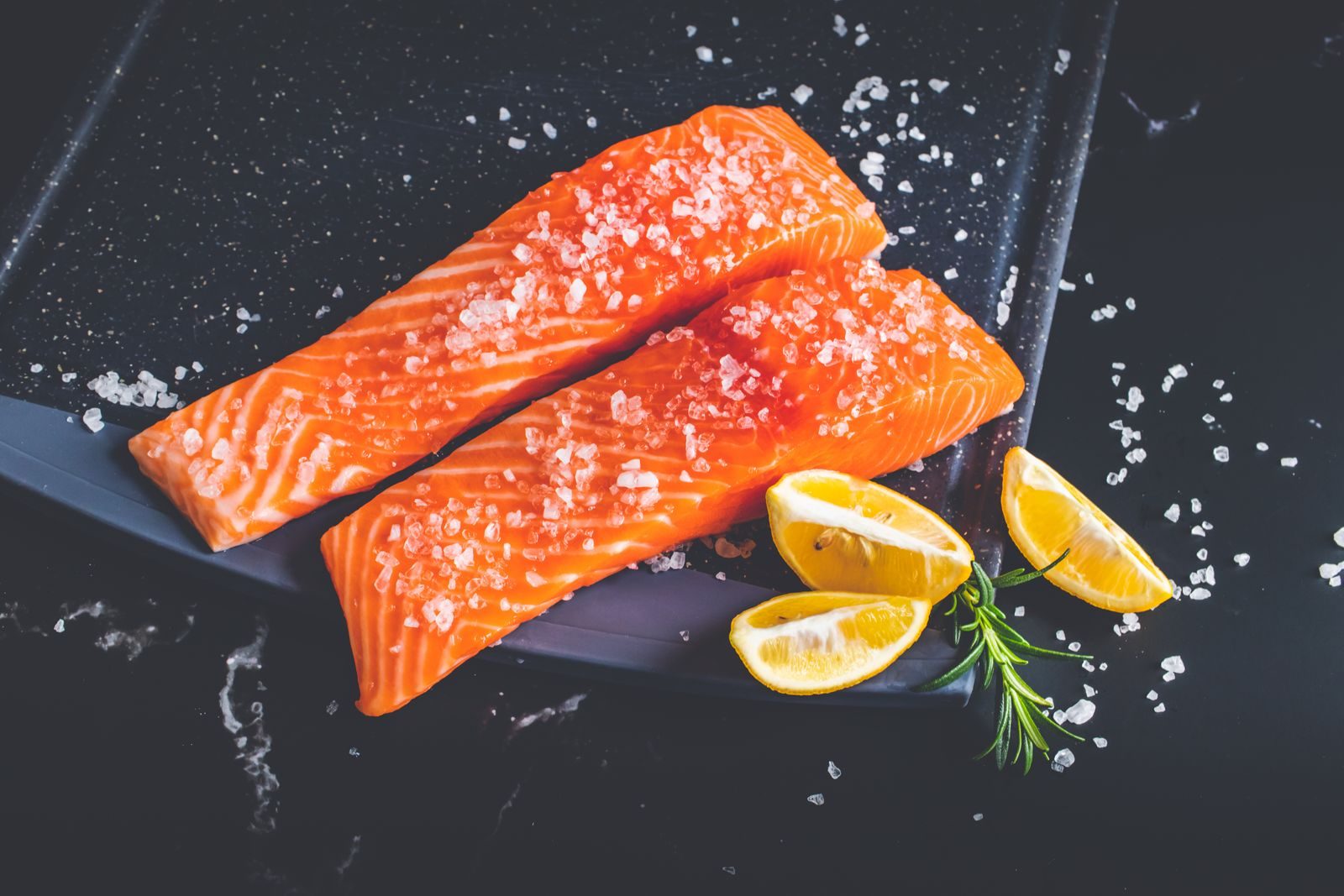
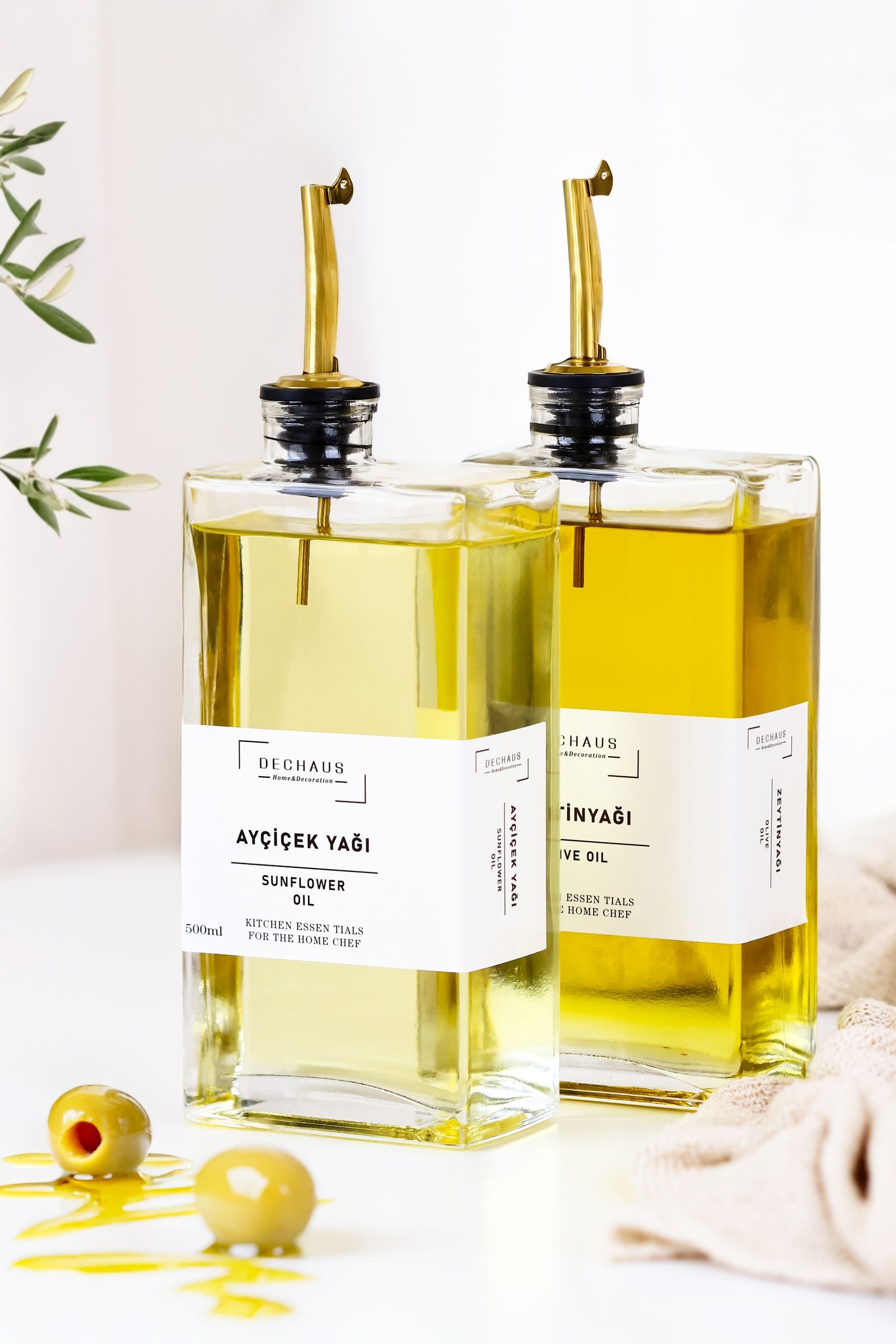
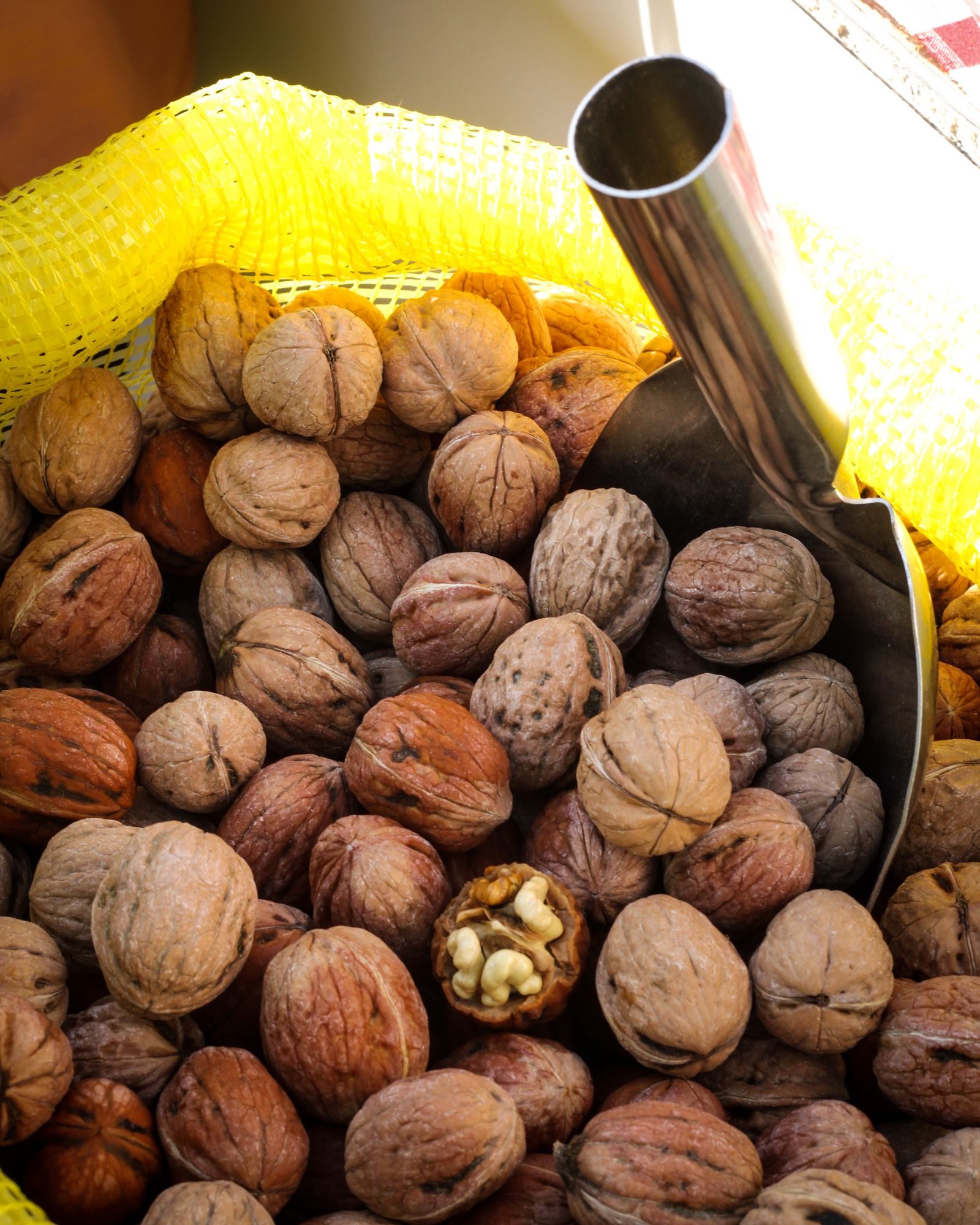
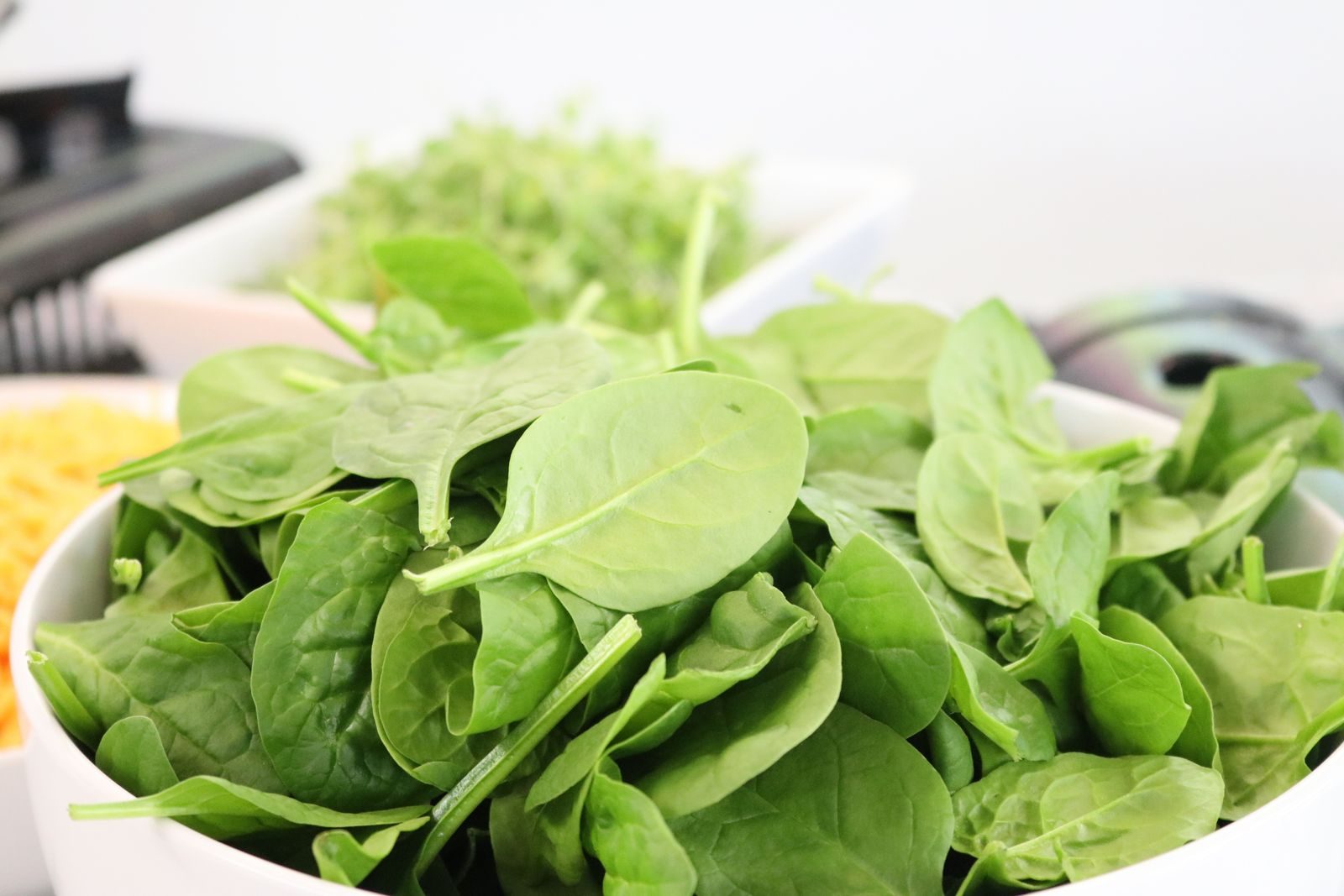
Food works on the same ground as the treatment. A diet low in fat and cholesterol accompanies rosuvastatin and supports the lowering of LDL. It pays to favor oily fish, rich in omega-3, olive oil and nuts for their good fats, as well as green vegetables in abundance. These choices act on the same LDL that the medicine removes from the circulation.
One point deserves attention on the nutrient side. Coenzyme Q10, also called ubiquinone, is made by the same mevalonate pathway as cholesterol: by slowing this pathway, statins also lower its concentration in the blood, with reported decreases of 16 to 54 percent. Some trials suggest that an intake of coenzyme Q10 improves the muscle pain and weakness associated with statins, without lowering blood creatine kinase, but the benefit remains debated depending on the studies. The plate provides little of it, mainly through oily fish and meats, and the body makes the greater part itself. When this production slows, a targeted intake makes sense, in addition to the treatment, never in its place.
Interactions and monitoring
Some combinations increase exposure to rosuvastatin and, with it, the risk of muscle damage. Ciclosporin multiplies exposure, that is the area under the curve, by about 7, and gemfibrozil by about 1.9. Fibrates, erythromycin, fusidic acid and anticoagulants are also among the medicines to report to the doctor and pharmacist. Heavy alcohol consumption adds a risk to the liver.
Biological monitoring frames the treatment. A fasting lipid panel is done at initiation, then 4 to 12 weeks later, to check that LDL falls as expected. Liver enzymes are measured before starting, then when the clinical situation justifies it. In case of muscle pain, creatine kinase is measured, the marker that reflects muscle distress.
Sources
Related molecules
To explore in the « Heart and lipids » family and its close relatives.
See the whole « Heart and lipids » family · Back to the atlas
Frequently asked questions
What are the side effects of rosuvastatin?
The leaflet lists in particular headaches, muscle pain, nausea and digestive problems, along with, more rarely, serious liver or muscle damage. For the full list and the warning signs to watch for, refer to the leaflet in your pack and talk to your doctor or pharmacist.
Rosuvastatin and muscle pain: when should you be concerned?
Unusual muscle pain, tenderness or weakness, especially with fever or a general feeling of being unwell, are signals to report without delay. Never stop the treatment on your own: contact your doctor or pharmacist promptly, as the leaflet advises.
When to take rosuvastatin, morning or night?
Unlike some other statins, the leaflet states that rosuvastatin can be taken at any time of day, with or without food. The right time for your situation is still to be confirmed with your doctor or pharmacist.
What drug interactions does rosuvastatin have?
The leaflet flags interactions in particular with certain fibrates, warfarin, antacids and other medicines; this is why you should share the full list of what you take. Check every combination with your doctor or pharmacist before adding or stopping anything.
Should you avoid grapefruit with rosuvastatin?
The point is debated: unlike other statins, the Crestor leaflet does not list an established interaction between rosuvastatin and grapefruit, but some sources remain cautious. If in doubt, the leaflet and your pharmacist are the people to turn to.
Can you drink alcohol while taking rosuvastatin?
Excessive or regular alcohol consumption can increase the risk of liver damage, a point the leaflet advises you to watch. For what is right in your situation, refer to the leaflet and to your doctor or pharmacist.
Can you take rosuvastatin during pregnancy or breastfeeding?
The leaflet states that rosuvastatin is contraindicated during pregnancy and breastfeeding. If you become pregnant or are planning a pregnancy, speak to your doctor without delay, who will decide what course to take.
How do you stop taking rosuvastatin?
Stopping a statin should be decided and supervised with a healthcare professional, because interrupting the treatment can let your cholesterol rise again. If you miss a dose or want to stop, the steps to follow are to be discussed with your doctor or pharmacist as the leaflet advises.
Is rosuvastatin the generic of Crestor?
Yes, rosuvastatin is the molecule in Crestor, now available as a generic from several manufacturers, with the same active substance. For any question about substitution, your pharmacist is the right person to ask.
What precautions apply to rosuvastatin after age 60?
In older people, the leaflet advises staying alert to muscle pain, unusual fatigue, liver function and blood sugar monitoring. This monitoring is set case by case by your doctor; report any new symptom.
Statins and coenzyme Q10: what does the research say?
Studies link statin use to a drop in plasma coenzyme Q10 (Moosmann and Behl, FASEB J, 2004), since CoQ10 shares part of the cholesterol synthesis pathway. Supplementation trials, however, remain mixed, with no clear-cut conclusion. This is the active ingredient documented by our statin reference ST01.
Which form of coenzyme Q10 should you consider with a statin?
Coenzyme Q10 exists in two forms, ubiquinone and ubiquinol, the latter being the reduced form used in our ST01 reference. It is a single, targeted active ingredient, to be considered independently of your treatment, the monitoring of which remains your doctor's responsibility.
Ces réponses portent sur le volet nutritionnel. Pour toute question sur votre médicament, la notice et votre médecin ou pharmacien font foi.