Atorvastatin
statin · lipid-lowering
Our referenceBy the Layer Nutrition editorial team
What this medicine is for
Atorvastatin belongs to the “statin (lipid-lowering)” category. Statins slow down, in the liver, a key enzyme in the production of cholesterol, which lowers the LDL cholesterol measured on a blood test. It is a long-term treatment that you feel nothing of day to day, and whose benefit is counted in years.
Pour Atorvastatine en pratique : Réduit le taux de cholestérol dans le sang. C'est le plus souvent un traitement de fond, pris à heure régulière sur de longues périodes ; son bénéfice se juge dans la durée, pas à la sensation du jour.
Under which brands it is found
Atorvastatin is used in about 30 presentations listed in France. It comes under various commercial names and as generics.
- Atorvastatine Almus Pharma
- Atorvastatine Arrow
- Atorvastatine Biogaran
- Atorvastatine Cristers Pharma
- Atorvastatine Eg Labo
- Atorvastatine Evolugen
- Atorvastatine Hcs
- Atorvastatine Sandoz
- and other presentations
Generics and the original brand are equivalent for the active substance; only the appearance, the name or the excipients may differ.
Our product for this treatment
Atorvastatin is one of the everyday treatments for which we have formulated a targeted supplement.

Layer Nutrition Statins
Coenzyme Q10 as ubiquinol, the form the body absorbs.
Ubiquinol 50 mg · Riboflavin 4.2 mg
One bottle, one dose per day. Reduced price from the second box, free delivery from two boxes.
How atorvastatin works
Atorvastatin belongs to the statin family. It competitively inhibits HMG-CoA reductase, the enzyme that converts HMG-CoA into mevalonate. This reaction governs the slowest step in cholesterol production in the liver, the one that sets its pace. By blocking it, atorvastatin reduces the production of cholesterol by liver cells.
Deprived of part of its internal synthesis, the liver responds by increasing the number of LDL receptors on the surface of its cells. These receptors capture more of the LDL circulating in the blood and remove it from circulation, which lowers the level of LDL cholesterol. The molecule works over a long period: its half-life reaches about 14 hours, and that of its active metabolites, which prolong its effect, ranges from 20 to 30 hours. Its bioavailability remains low, on the order of 14 percent, because a strong first-pass hepatic effect retains a large share of it as soon as it reaches the liver, where it does its work.
Why it is prescribed
The doctor prescribes atorvastatin for dyslipidemias, meaning abnormalities of blood fats. It covers familial hypercholesterolemia, in both its heterozygous and homozygous forms, as well as hypertriglyceridemia. It serves both to prevent a first cardiovascular event in people at risk and to avoid a recurrence, in primary, secondary and tertiary prevention.
LDL cholesterol is the one that infiltrates the walls of the arteries and forms atheromatous plaques there. These plaques reduce the caliber of the vessels and become complicated by heart attack or stroke. By lowering LDL in a lasting way, atorvastatin slows this process and reduces the risk of these events. It is this drop in LDL that underpins the entire value of the treatment.
Taking it every day
The tablet is taken once a day, with or without food, at roughly the same time. Its long half-life sets it apart from short-acting statins: it works whatever the moment chosen, morning or evening, provided that this moment is kept from one day to the next. The peak concentration in the blood occurs 1 to 2 hours after intake, but the effect on cholesterol is judged over time, not on a single dose.
The benefit depends on regularity: LDL rises again when the treatment is interrupted, without any signal felt by the person. Any change or any stopping is therefore decided with the doctor, never on one's own initiative. A diet low in fats and cholesterol, combined with the recommended physical activity, accompanies taking the tablet and acts in the same direction.
The effects to know about
Musculoskeletal manifestations are among the effects most often reported in placebo-controlled trials. They include arthralgia in 6.9 percent of people, pain in the extremities in 6.0 percent, musculoskeletal pain in 3.8 percent, muscle spasms in 3.6 percent and myalgia in 3.5 percent. For several of these effects, the frequency reported under placebo remains close to that observed under treatment. Other non-muscular effects appear with a comparable frequency: nasopharyngitis 8.3 percent, diarrhea 6.8 percent, urinary tract infection 5.7 percent, dyspepsia 4.7 percent, nausea 4.0 percent and insomnia 3.0 percent.
Serious muscle damage remains rare. Myopathy is defined by a rise in creatine kinase beyond ten times the upper limit of normal, and rhabdomyolysis is its severe form. Statins, including atorvastatin, are also accompanied by a rise in fasting blood glucose and glycated hemoglobin (HbA1c), which reflects a slight increase in the risk of diabetes. These effects point precisely to what biological monitoring seeks to detect.
On the plate
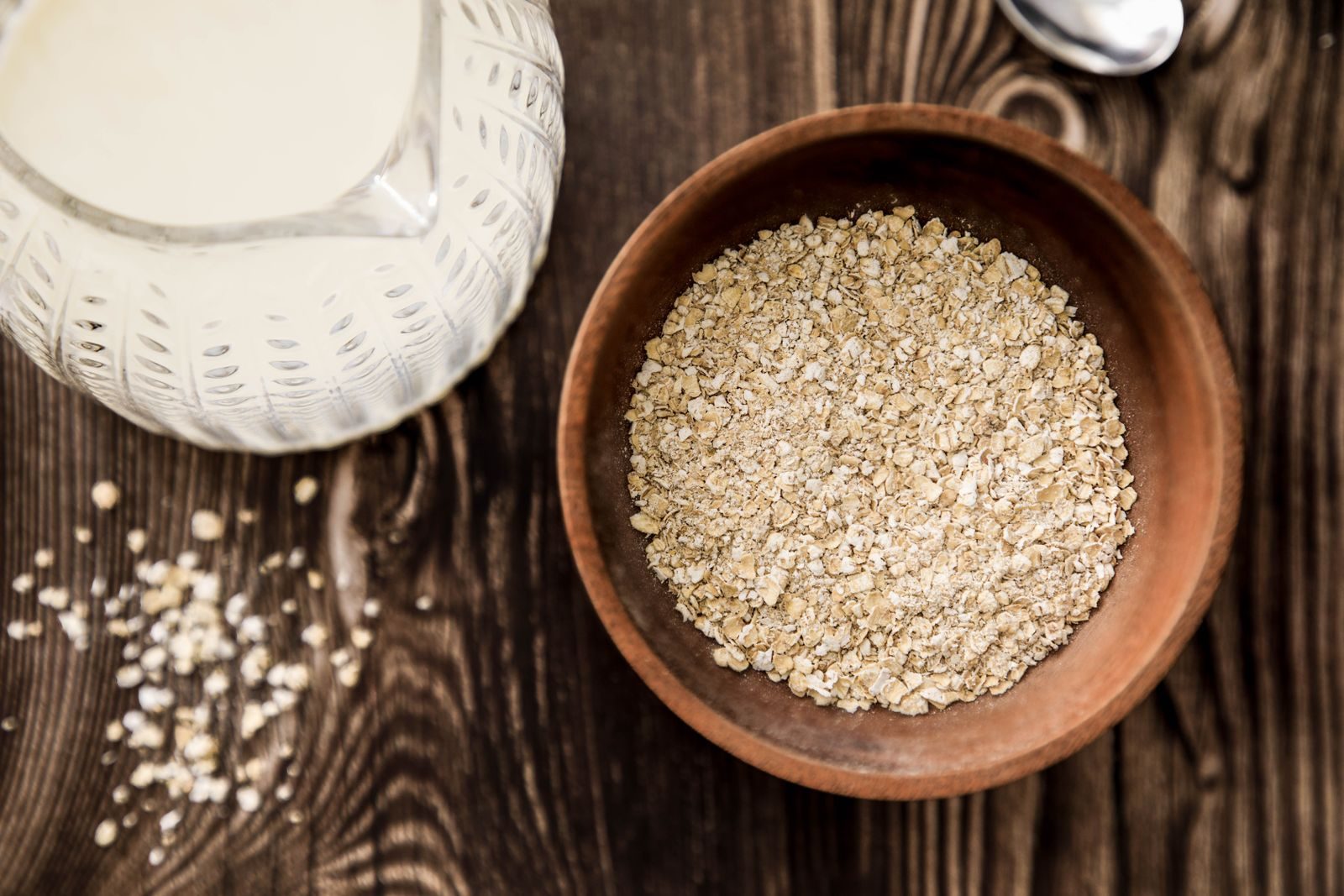
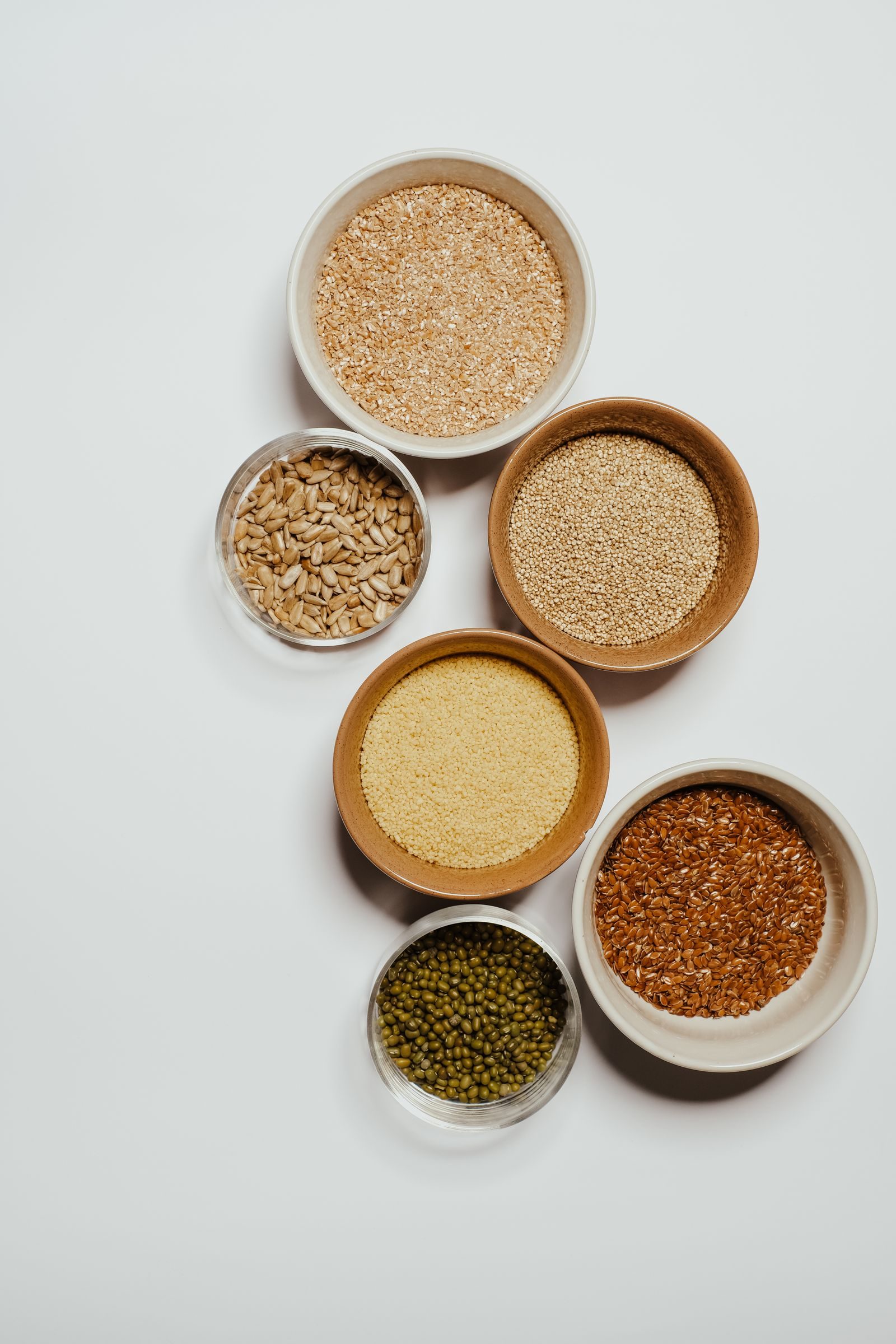
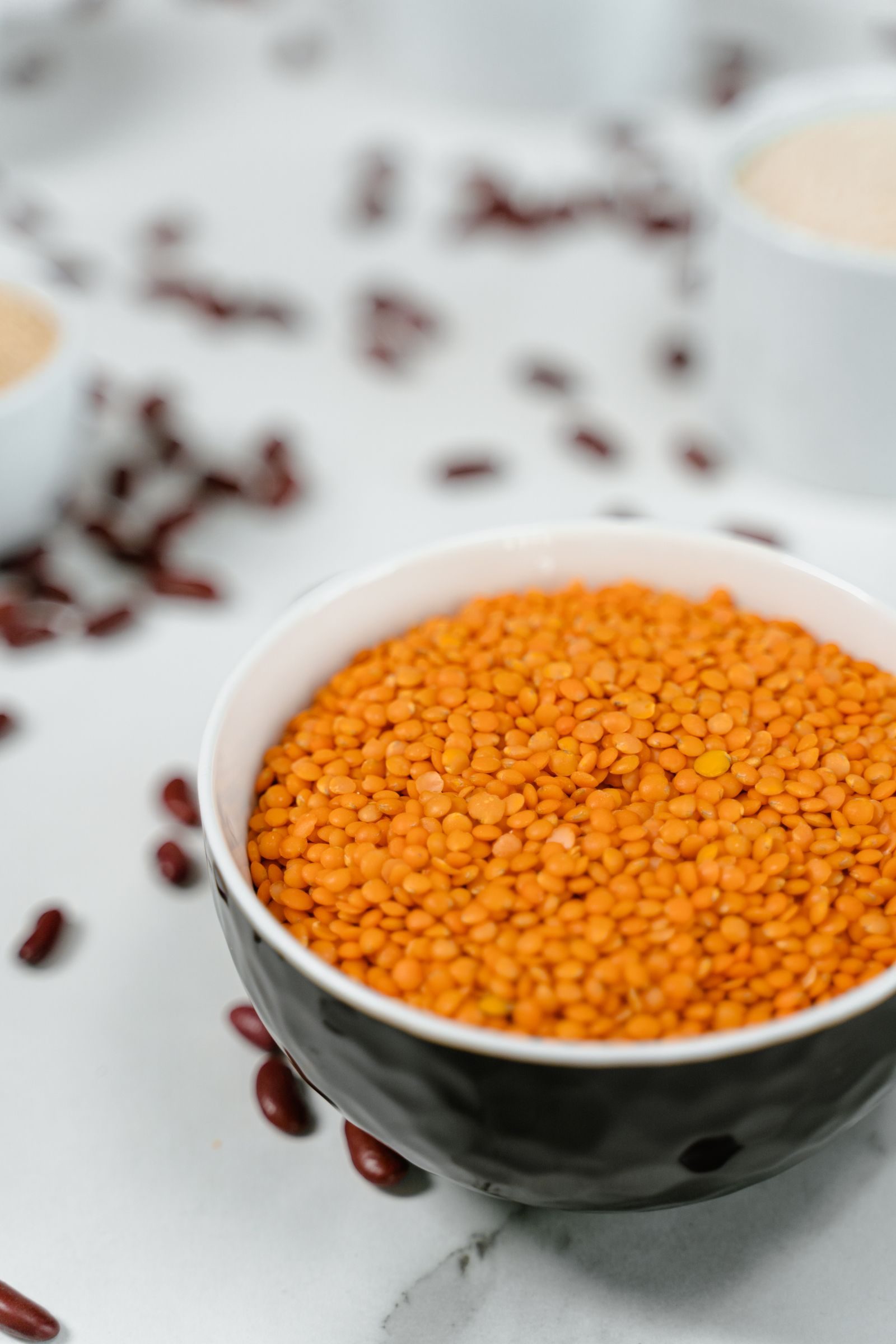
Food acts on the same parameter as your treatment: LDL cholesterol. Soluble fibers offer the best-established example. The beta-glucans of oats and barley contribute to the maintenance of normal blood LDL cholesterol, an effect recognized by the EFSA, the European Food Safety Authority. These fibers are found in oats, barley, legumes and apples, which come in addition to the tablet without ever replacing it.
The coenzyme Q10 side follows another logic. A meta-analysis of eight controlled trials shows that statins lower the plasma concentration of coenzyme Q10 (mean difference of -0.44 micromol/L), for all types of statins. The clinical significance of this drop remains debated and is not settled. Food provides little Q10, mainly through meats and oily fish, and the body makes most of it itself. A dietary intake supplements this internal source, without a clinical benefit of supplementation being established to date.

Interactions and monitoring
Atorvastatin is metabolized mainly by the cytochrome CYP3A4, with the participation of CYP3A5. Its uptake by the liver goes through the OATP1B1 transporter, while P-glycoprotein, an efflux transporter, limits its absorption in the intestine and excretes it toward the bile. These pathways explain its interactions: a drug that inhibits CYP3A4 or these transporters increases exposure to the molecule and the risk of muscular effects. Grapefruit and its juice produce the same effect and increase exposure to atorvastatin, which justifies discussing their consumption with the doctor during treatment. The molecule's binding to blood proteins exceeds 98 percent, a factor that also weighs on its interactions.
Biological monitoring frames the treatment. A liver panel, with measurement of transaminases, and a lipid panel are done before initiation. The lipid panel is then checked 4 to 12 weeks after the start or after a dose adjustment, then every 6 to 12 months once the person is stabilized. Blood glucose is monitored in people who are diabetic or at risk of becoming so, in keeping with the effect of statins on blood sugar.
Sources
- Atorvastatin (NBK430779)
- Atorvastatin (a600045)
- Lipitor (atorvastatine), reproduction de la notice FDA
- Statin therapy and plasma coenzyme Q10 concentrations
- Scientific Opinion on the substantiation of health claims related to beta-glucans from oats and barley and maintenance of normal blood LDL-cholesterol concentrations
Related molecules
To explore in the « Heart and lipids » family and its close relatives.
See the whole « Heart and lipids » family · Back to the atlas
Frequently asked questions
Atorvastatin 10, 20, 40 or 80 mg: what's the difference?
These numbers refer to the different doses of the same molecule. The right dose depends on your profile and is decided by your doctor. Refer to the patient leaflet and talk to your doctor or pharmacist.
What are the side effects of atorvastatin?
The patient leaflet notably lists possible muscle effects, such as pain, tenderness or weakness. For any discomfort you notice, check the leaflet and report it to your doctor or pharmacist.
Atorvastatin alone or atorvastatin/ezetimibe: what's the difference?
The atorvastatin/ezetimibe combination brings two active ingredients together in a single tablet, whereas atorvastatin is a single active ingredient. The choice between the two is up to your doctor. Refer to the patient leaflet for the details.
What is another name for atorvastatin?
Atorvastatin is sold under the originator brand name Lipitor and as many generics carrying the molecule name followed by the manufacturer. The active-ingredient composition is identical. If in doubt, ask your pharmacist.
Atorvastatin: morning or night?
Because of its long duration of action, the timing of your atorvastatin dose is generally less important than for other statins. Follow the guidance in the patient leaflet and from your doctor.
Can you eat grapefruit with atorvastatin?
Grapefruit is not recommended with atorvastatin: it can change how much of the medicine passes into your blood and increase the risk of side effects. Refer to the patient leaflet and ask your pharmacist.
What interactions should you know about?
The patient leaflet flags several interactions, including St John's wort (Hypericum perforatum), which should be avoided. Tell your doctor or pharmacist about all the medicines and supplements you take, and check the leaflet.
Can you drink alcohol with atorvastatin?
The patient leaflet states that drinking large amounts of alcohol raises the risk of muscle and liver problems during treatment. For your own situation, talk to your doctor or pharmacist.
Atorvastatin and pregnancy: what does the patient leaflet say?
Atorvastatin is contraindicated during pregnancy. If you are pregnant, planning a pregnancy or breastfeeding, check the patient leaflet and see your doctor without delay.
What to do if you miss a dose or want to stop atorvastatin?
Do not stop atorvastatin on your own: stopping suddenly can let your cholesterol level rise again. For a missed dose or any change to your treatment, follow the patient leaflet and ask your doctor or pharmacist for advice.
Statins and coenzyme Q10: what's the link?
Research links taking statins with a drop in blood coenzyme Q10 levels (Moosmann & Behl, FASEB J, 2004). This is an observed association, not an established cause-and-effect relationship. This is the nutritional angle our ST01 reference follows.
Which form of coenzyme Q10 to consider with a statin?
The documented angle concerns coenzyme Q10 in the form of ubiquinol, the reduced form used in our ST01 reference. Worth noting: supplementation trials remain mixed, with no clearly demonstrated benefit. A blood test can be discussed with your doctor.
Ces réponses portent sur le volet nutritionnel. Pour toute question sur votre médicament, la notice et votre médecin ou pharmacien font foi.