Pravastatin
statin · lipid-lowering
Our referenceBy the Layer Nutrition editorial team
What this medicine is for
Pravastatin belongs to the « statin (lipid-lowering) » category. Statins slow down, in the liver, a key enzyme in cholesterol production, which lowers the LDL cholesterol measured in the blood panel. It is a long-term treatment that you feel nothing of day to day, and whose benefit is counted in years.
Dans le cas de Pravastatine, cela se traduit ainsi : Réduit le taux de cholestérol dans le sang. On le prend en général sur la durée, dans le cadre d'un suivi régulier, et on ne l'interrompt pas de sa propre initiative.
Under which brands it is found
Pravastatine entre dans la composition d'environ 13 présentations recensées en France. On la trouve sous plusieurs noms de marque et en génériques.
- Pravastatine Accord
- Pravastatine Almus
- Pravastatine Arrow
- Pravastatine Biogaran
- Pravastatine Cristers
- Pravastatine Cristers Pharma
- Pravastatine Eg
- Pravastatine Evolugen Pharma
- and other presentations
Original brand-name products and generics deliver the same active substance; the choice between them is made with your doctor or pharmacist.
Our product for this treatment
Pravastatine fait partie des traitements du quotidien pour lesquels nous avons formulé un complément ciblé.

Layer Nutrition Statins
Coenzyme Q10 as ubiquinol, the form the body absorbs.
Ubiquinol 50 mg · Riboflavin 4.2 mg
One bottle, one dose per day. Reduced price from the second box, free delivery from two boxes.
How pravastatin works
Pravastatin belongs to the statin family. It reversibly blocks HMG-CoA reductase, the rate-limiting enzyme that converts HMG-CoA into mevalonate, the precursor of cholesterol. By slowing this first step, it reduces the production of cholesterol in the liver. This is a competitive and selective inhibition, common to the entire statin class.
Deprived of part of its internal production, the liver responds by increasing the number of LDL receptors on its surface. These receptors capture the LDL cholesterol circulating in the blood and remove it from the circulation, so that LDL cholesterol and total cholesterol fall. This LDL is precisely the one that infiltrates the artery wall and forms atheroma plaques there. By lowering it, pravastatin slows this deposition.
Why it is prescribed
Pravastatin is prescribed to lower cholesterol and reduce the risk of heart attack and stroke linked to the buildup of cholesterol in the arteries. The plaques that form in the artery wall are the origin of heart attack and stroke, and LDL is the driver of their growth. By removing this LDL from the circulation, the treatment acts directly on this mechanism.
The goal depends on each person's situation. In some people, it is a matter of preventing a first cardiovascular event; in others, already affected, of avoiding a recurrence. It is the physician who establishes the indication based on the lipid profile and the overall level of risk. The expected benefit is measured over years, which explains why the treatment is designed to last.
How to take it day to day
Pravastatin is taken orally, once a day. It can be swallowed at any time of day, with or without food: the effect on lipids is similar whether the tablet is taken during the meal or one hour before. Consistency matters more than the timing, because it is the daily dose that keeps the enzyme slowed day after day.
The half-life of pravastatin itself is short, around 1.8 hours, while the half-life of total radioactivity, including metabolites, reaches 77 hours. This action therefore works through a regular intake rather than a single strong dose. The treatment should not be stopped on one's own initiative: it is the physician who decides whether to maintain, adjust or stop it, based on the results and tolerance.
The effects to know about
Muscle pain is the effect most often mentioned with statins. In long-term trials, myalgia was reported in 2.3 percent of patients on pravastatin, versus 1.2 percent on placebo; musculoskeletal pain affected 24.9 percent of patients versus 24.4 percent on placebo. Digestive disorders and headaches remain close to placebo: nausea or vomiting 7.4 percent (7.1 on placebo), diarrhea 6.7 percent (5.6) and headache 6.3 percent (4.6).
Serious muscle damage is rare. Rhabdomyolysis is the most severe complication but it remains exceptional; myopathy depends on the dose and most often resolves on stopping. An elevation of liver transaminases is usually transient. Statin treatment is associated with an increase of about 9 percent in the risk of new-onset diabetes (odds ratio 1.09; 95 percent confidence interval from 1.02 to 1.17).
On the plate
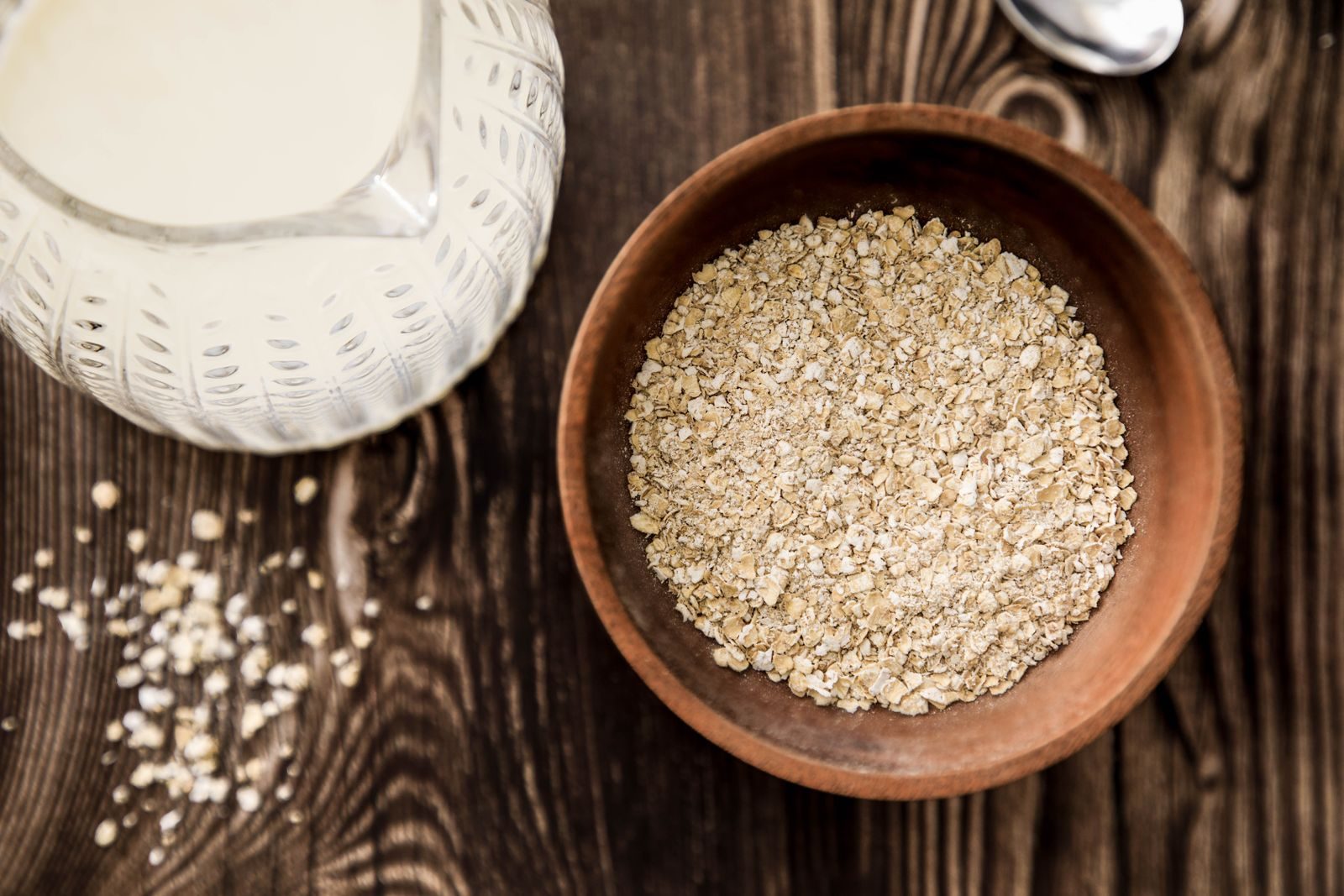
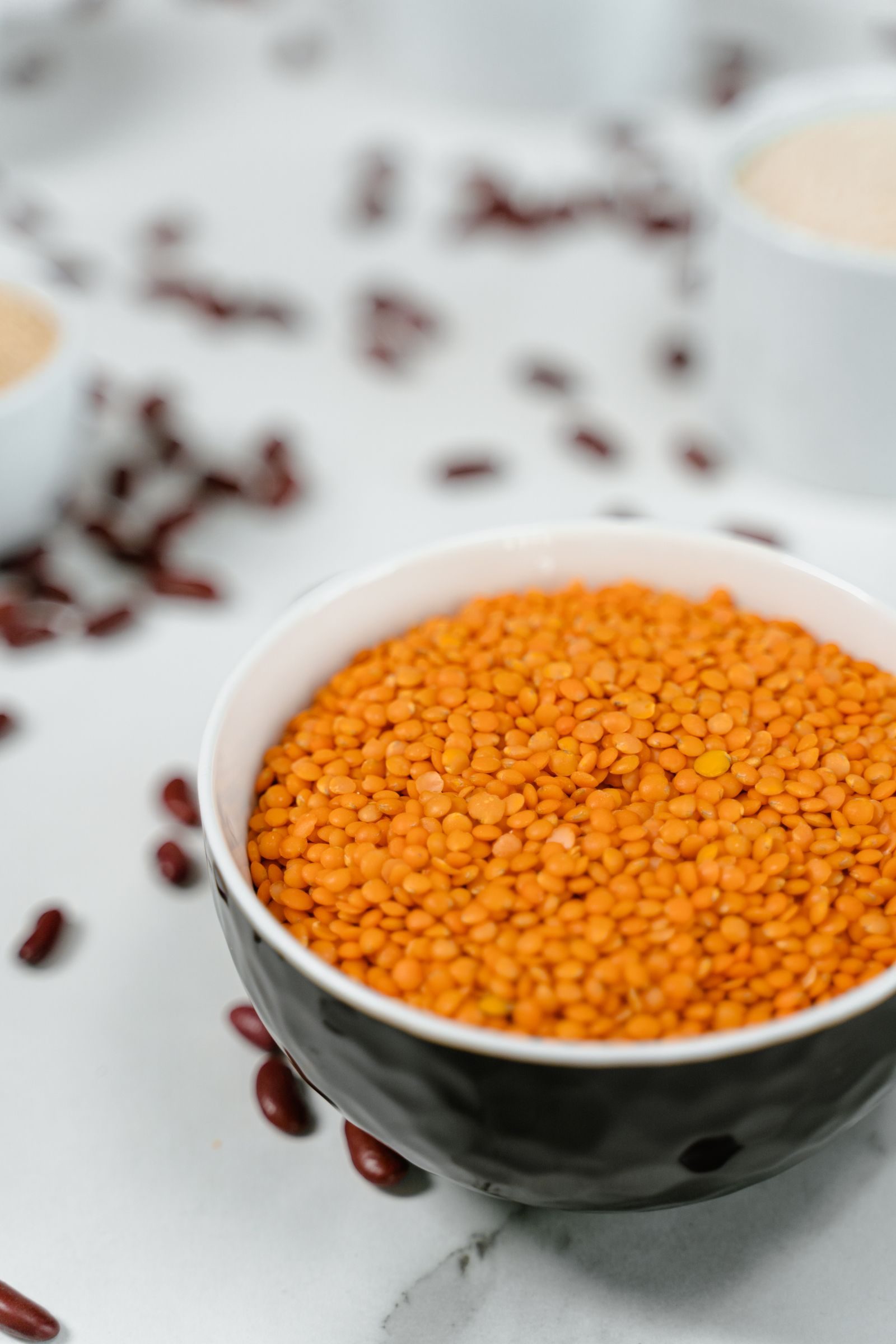
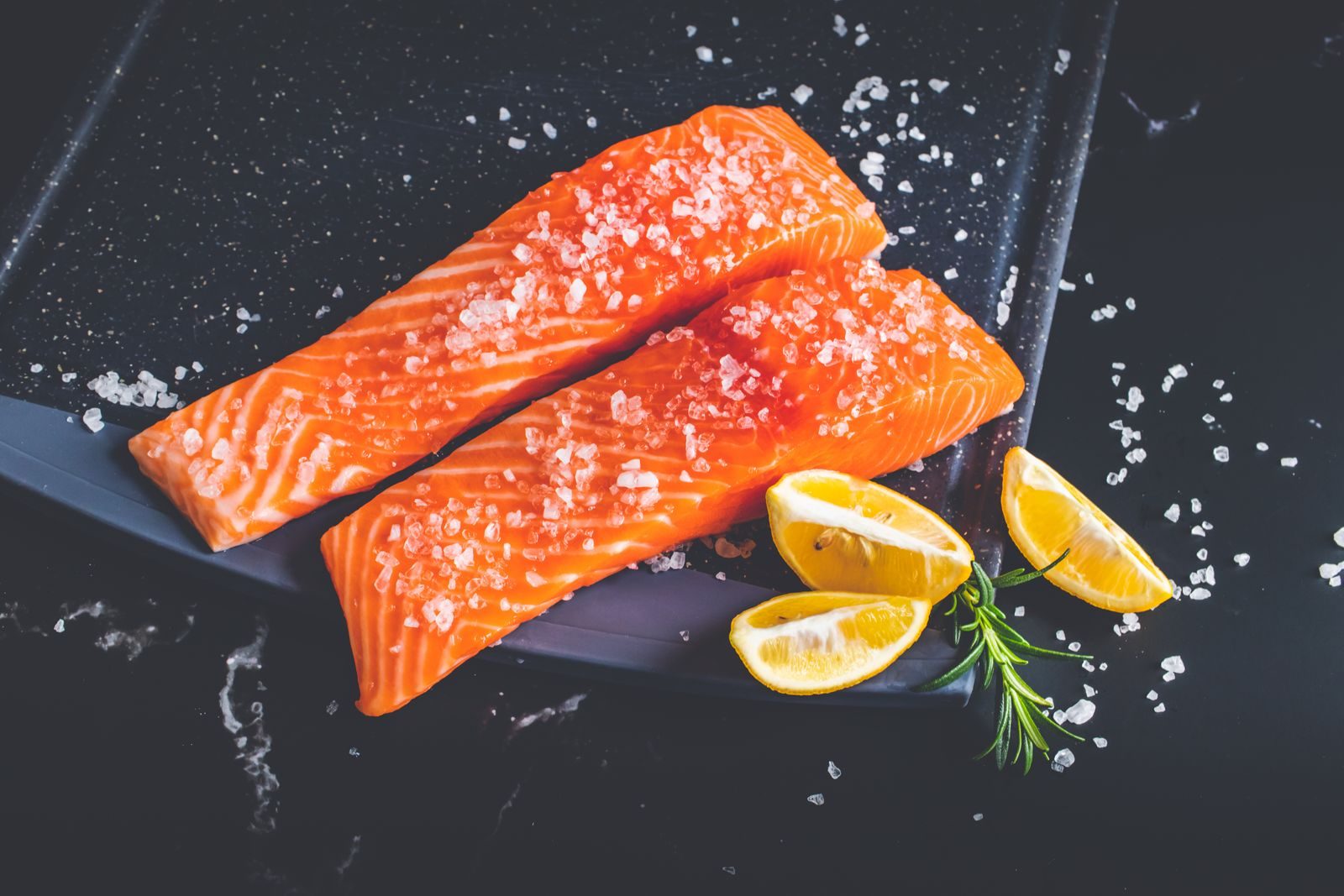
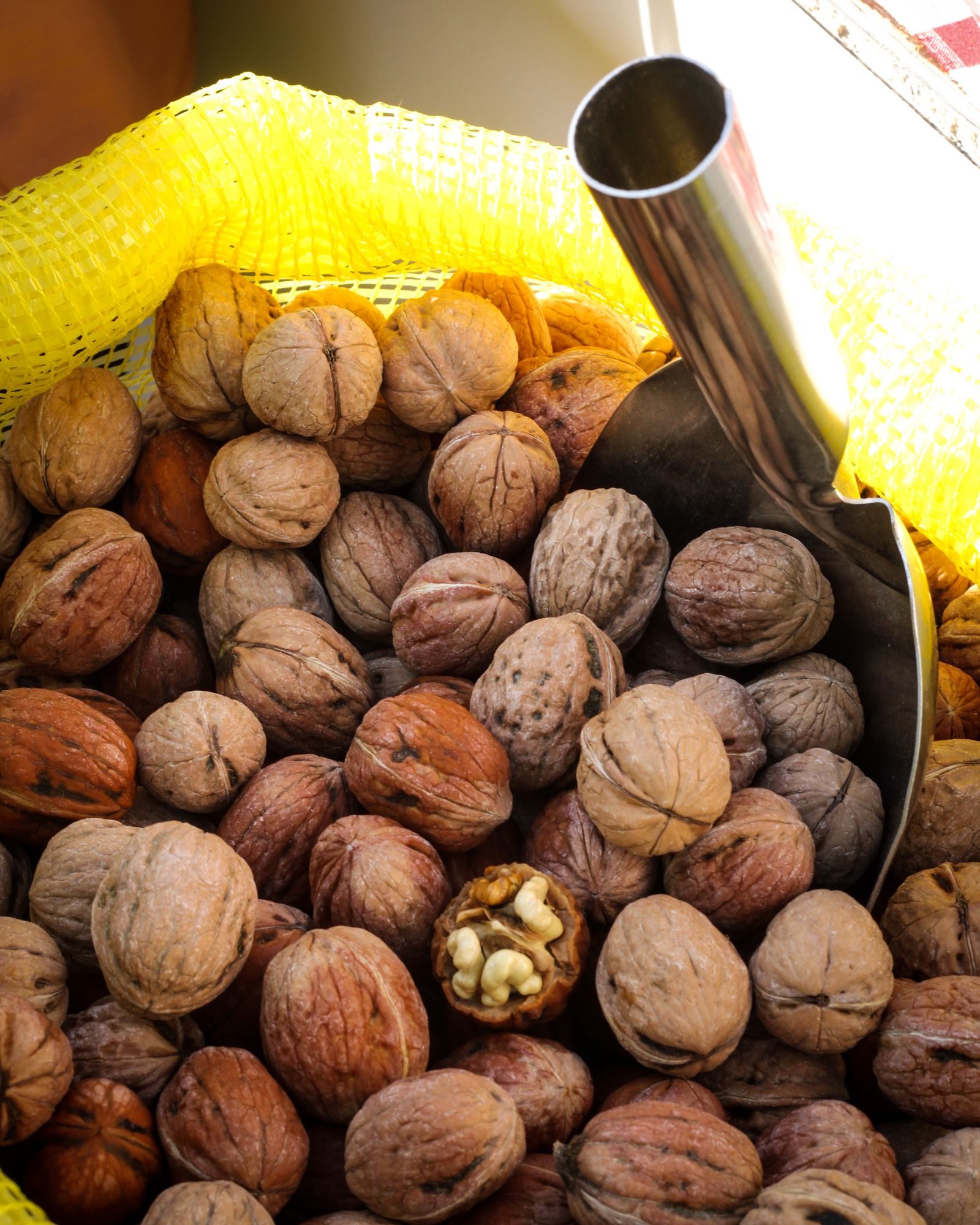
Diet acts on the same ground as your treatment. Soluble fiber is the best-established example: the beta-glucans in oats and barley capture part of the cholesterol in the intestine and reduce its absorption. They are found in oats, barley, legumes such as lentils and chickpeas, as well as in apples. Oily fish provide omega-3s, olive oil and nuts provide good fats, within a dietary pattern favorable to the heart.
On a statin, the blood concentration of coenzyme Q10 decreases significantly, an effect found with several statins including pravastatin (mean difference of about 0.44 micromoles per liter). The link between this decrease and possible muscle pain remains debated: some studies find that supplementation eases muscle symptoms without changing creatine kinase, others find no benefit. The diet provides little coenzyme Q10, mainly through meats and oily fish, and the body makes most of it itself. When this production is slowed, a targeted intake may be discussed, in addition to your treatment, never in its place.
Interactions and monitoring
Certain combinations increase the muscle risk and call for precautions. With ciclosporin, start at 10 mg without exceeding 20 mg per day; with clarithromycin or erythromycin, do not exceed 40 mg per day; the combination with gemfibrozil should be avoided, and the addition of niacin, fibrates or colchicine requires monitoring. An ion-exchange resin, which binds bile acids, must be taken separately: pravastatin is swallowed at least one hour before or four hours after the resin, otherwise its absorption falls. The product is contraindicated in acute liver failure, decompensated cirrhosis, or hypersensitivity to the molecule or the excipients.
Monitoring frames the treatment. A liver panel with measurement of transaminases is recommended before starting, then according to the clinical situation. Cholesterol monitoring relies on a lipid profile at the outset, repeated 4 to 12 weeks after starting or a dose change. The patient should report any unexplained muscle pain, tenderness or weakness, especially if accompanied by malaise or fever.
Sources
- Pravastatin Sodium Tablets label, Clinical Pharmacology, Mechanism of Action
- Statin Medications (Sizar O, Khare S, Patel P, Talati R)
- Pravastatin: MedlinePlus Drug Information
- Statins and risk of incident diabetes: a collaborative meta-analysis of randomised statin trials (Sattar N et al.)
- Statin therapy and plasma coenzyme Q10 concentrations: a systematic review and meta-analysis of placebo-controlled trials (Banach M et al.)
- Effects of Coenzyme Q10 on Statin-Induced Myopathy: An Updated Meta-Analysis of Randomized Controlled Trials (Qu H et al.)
Related molecules
To explore in the « Heart and lipids » family and its close relatives.
See the whole « Heart and lipids » family · Back to the atlas
Frequently asked questions
What are the side effects of pravastatin?
The package leaflet lists, among others, headaches, nausea, digestive upset and muscle pain. For the full list and what applies to you, refer to the leaflet in your box and speak with your doctor or pharmacist.
Should you take pravastatin in the morning or at night?
The leaflet indicates it is taken orally, usually in the evening, with or without food. Follow your doctor's prescription and your leaflet's instructions, without changing the timing on your own.
Can you drink alcohol while taking pravastatin?
The leaflet advises limiting alcohol intake, which can put a strain on the liver. For your situation, ask your doctor or pharmacist for advice.
What are the main drug interactions with pravastatin?
The leaflet flags combinations to watch, notably fibrates, fusidic acid, ciclosporin, certain anticoagulants and colestyramine. Tell your doctor or pharmacist about all your medications and check the leaflet before combining anything.
Is there a problem with pravastatin and grapefruit?
Unlike some other statins, pravastatin is largely unaffected by this interaction, because it does not use the same metabolic pathway. Still, check your leaflet and ask your pharmacist if you have any doubt.
Can pravastatin cause muscle pain?
Muscle symptoms (aches, cramps, a feeling of weakness) are among the effects reported with statins. If you experience unusual or persistent muscle pain, speak with your doctor promptly.
Can you stop taking pravastatin on your own?
Do not stop your treatment on your own. Stopping is decided with the doctor who prescribed it; it is up to them to judge the next steps based on your situation.
What should you do if you miss a dose?
What to do is set out in the leaflet; as a general rule, you do not double the dose to make up for a missed one. If in doubt, ask your pharmacist or your doctor.
Is pravastatin safe during pregnancy or breastfeeding?
The leaflet advises against pravastatin during pregnancy and breastfeeding. If you are pregnant, planning to be, or breastfeeding, speak with your doctor without delay.
Does pravastatin lower coenzyme Q10?
Coenzyme Q10 and cholesterol share the same production pathway in the body, the mevalonate pathway. Research, including Moosmann and Behl (FASEB J, 2004), links statin use to a drop in plasma coenzyme Q10. This is an observed association, not a proven deficiency.
Which form of coenzyme Q10 to consider while on pravastatin?
Coenzyme Q10 comes in the form of ubiquinol, its reduced form, the one we chose for our ST01 reference, designed as a layer to add on top of the treatment. Supplementation trials remain mixed on muscle symptoms: keep this point in the conversation with your doctor.
Ces réponses portent sur le volet nutritionnel. Pour toute question sur votre médicament, la notice et votre médecin ou pharmacien font foi.