Simvastatin
statin · lipid-lowering
Our referenceBy the Layer Nutrition editorial team
What this medicine is for
Simvastatine appartient à la catégorie « statine (hypolipémiant) ». Les statines freinent dans le foie une enzyme clé de la fabrication du cholestérol, ce qui fait baisser le cholestérol LDL mesuré sur le bilan sanguin. C'est un traitement de fond dont on ne ressent rien au quotidien, et dont le bénéfice se compte en années.
For Simvastatin, in practice: Reduces the cholesterol level in the blood. It is most often a long-term treatment, taken at set times over long periods; its benefit is judged over time, not by how you feel on a given day.
Under which brands it is found
En France, on recense environ 26 présentations remboursables contenant Simvastatine. Elle se présente sous divers noms commerciaux et sous forme de génériques.
- Ezetimibe/Simvastatine Accord
- Ezetimibe/Simvastatine Almus
- Ezetimibe/Simvastatine Arrow
- Ezetimibe/Simvastatine Biogaran
- Ezetimibe/Simvastatine Cristers Pharma
- Ezetimibe/Simvastatine Eg
- Ezetimibe/Simvastatine Evolugen
- Ezetimibe/Simvastatine Krka
- and other presentations
Generics and the original brand are equivalent for the active substance; only the appearance, the name or the excipients may differ.
Our product for this treatment
Vous prenez Simvastatine. Pour les personnes qui suivent ce type de traitement au quotidien, nous avons conçu une référence dédiée.

Layer Nutrition Statins
Coenzyme Q10 as ubiquinol, the form the body absorbs.
Ubiquinol 50 mg · Riboflavin 4.2 mg
One bottle, one dose per day. Reduced price from the second box, free delivery from two boxes.
How simvastatin works
Simvastatin belongs to the statin family. It enters the body in an inactive form, a prodrug, which must first be activated before it can act. Once activated, it blocks HMG-CoA reductase, the enzyme that controls the rate-limiting step in cholesterol production. This enzyme converts HMG-CoA into mevalonic acid, the starting point of the entire mevalonate pathway.
By slowing this internal production, simvastatin lowers the level of cholesterol circulating in the blood and reduces its deposition in the artery walls. This deposition is the mechanism that forms the plaques responsible for heart attack and stroke. The mevalonate pathway does not serve cholesterol alone: it also feeds the synthesis of other molecules such as coenzyme Q10, a point we will return to. Its half-life is short, two to five hours, which explains the dosing rhythm described below.
Why it is prescribed
Simvastatin is indicated for hypercholesterolaemia, whether familial or not, as well as for hypertriglyceridaemia and dysbetalipoproteinaemia. Beyond these lipid profile abnormalities, it pursues a broader goal: reducing the occurrence of cardiovascular events. This is why it is prescribed both to prevent a first event in people at risk and to avoid a recurrence.
The strength of this effect has been measured across large groups of patients. A meta-analysis of 26 trials bringing together about 170,000 participants showed that each 1.0 mmol/L reduction in LDL cholesterol under statin therapy clearly reduces the incidence of heart attacks, revascularisations and ischaemic strokes. In other words, the benefit follows the magnitude of the LDL reduction. This dose-effect relationship is the foundation that justifies aiming for a cholesterol target and maintaining it over time.
Taking it every day
Simvastatin is taken orally, once a day, in the evening. This choice of the evening is not trivial: the liver produces most cholesterol during the night, and the drug's short half-life, two to five hours, means an evening dose covers this production window better. Regularity matters more than the exact time: it is the daily intake, day after day, that maintains the effect on cholesterol.
The treatment works only as long as it is taken, and cholesterol rises again once it is stopped. It should therefore not be interrupted on one's own initiative, even when the lipid profile has returned to normal, because it is precisely the treatment that holds this result. Any change, dose or discontinuation, is decided with the doctor. The highest dose, 80 mg per day, is reserved for patients already stabilised on it for at least twelve months, because of an increased muscle risk at high doses.
The effects to know about
The most frequently reported effects are headaches, muscle pain, digestive disturbances and a rise in transaminases, the liver enzymes. The British health service classifies among the common effects, affecting more than one person in a hundred, headaches, nausea, digestive disturbances, muscle pain and sleep disturbances. These manifestations are most often mild, but they deserve to be reported when they persist.
The serious muscle risk, for its part, depends strongly on the dose. In the SEARCH trial, myopathy occurred in 0.9% of patients treated with 80 mg compared with 0.03% on 20 mg per day. Myopathy combines muscle pain or weakness with a creatine phosphokinase raised to more than three times the normal level. Its severe form, rhabdomyolysis, remains rare: it calls for seeking medical advice without delay in the face of cramps, muscle pain or weakness, or dark urine.
On the plate
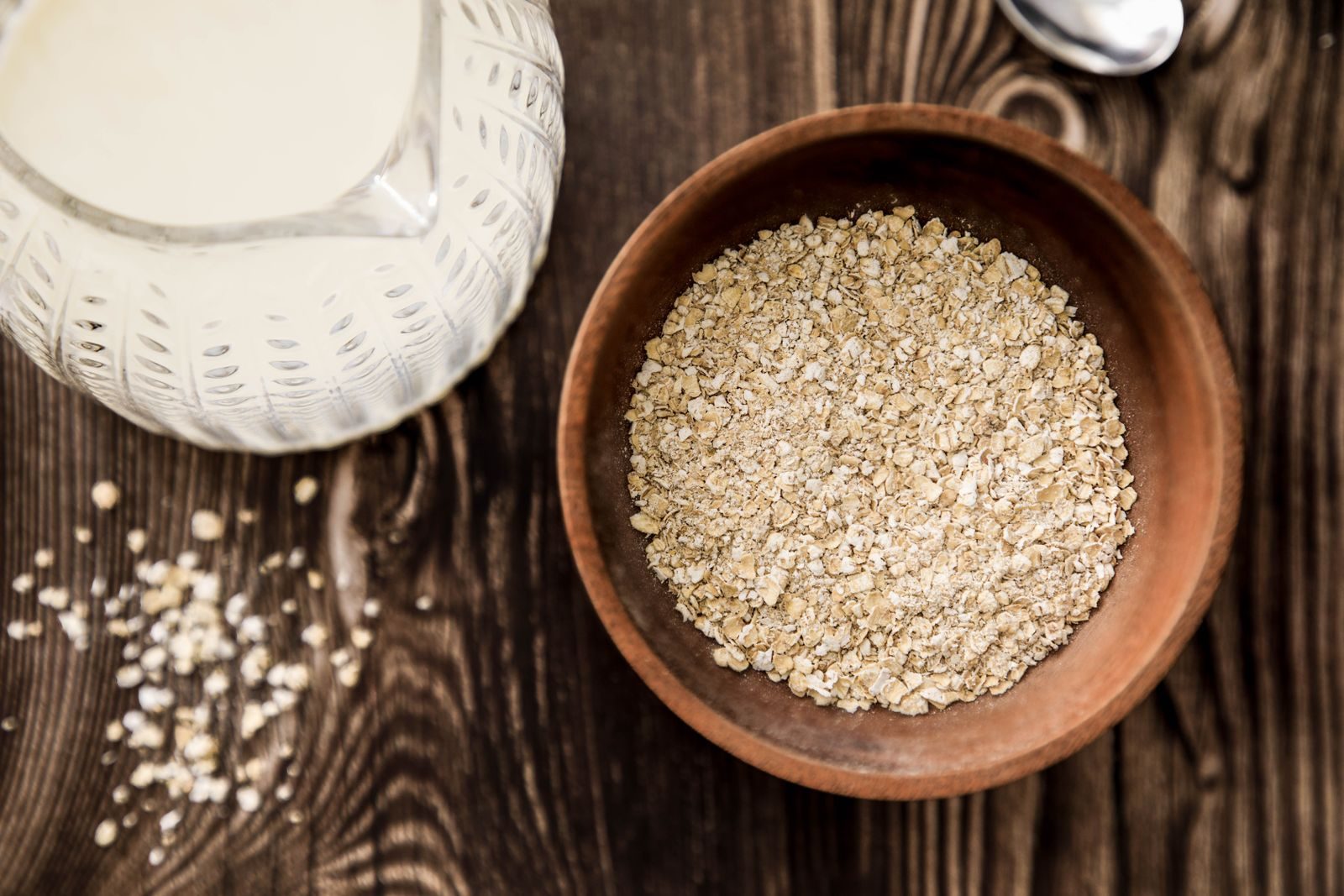
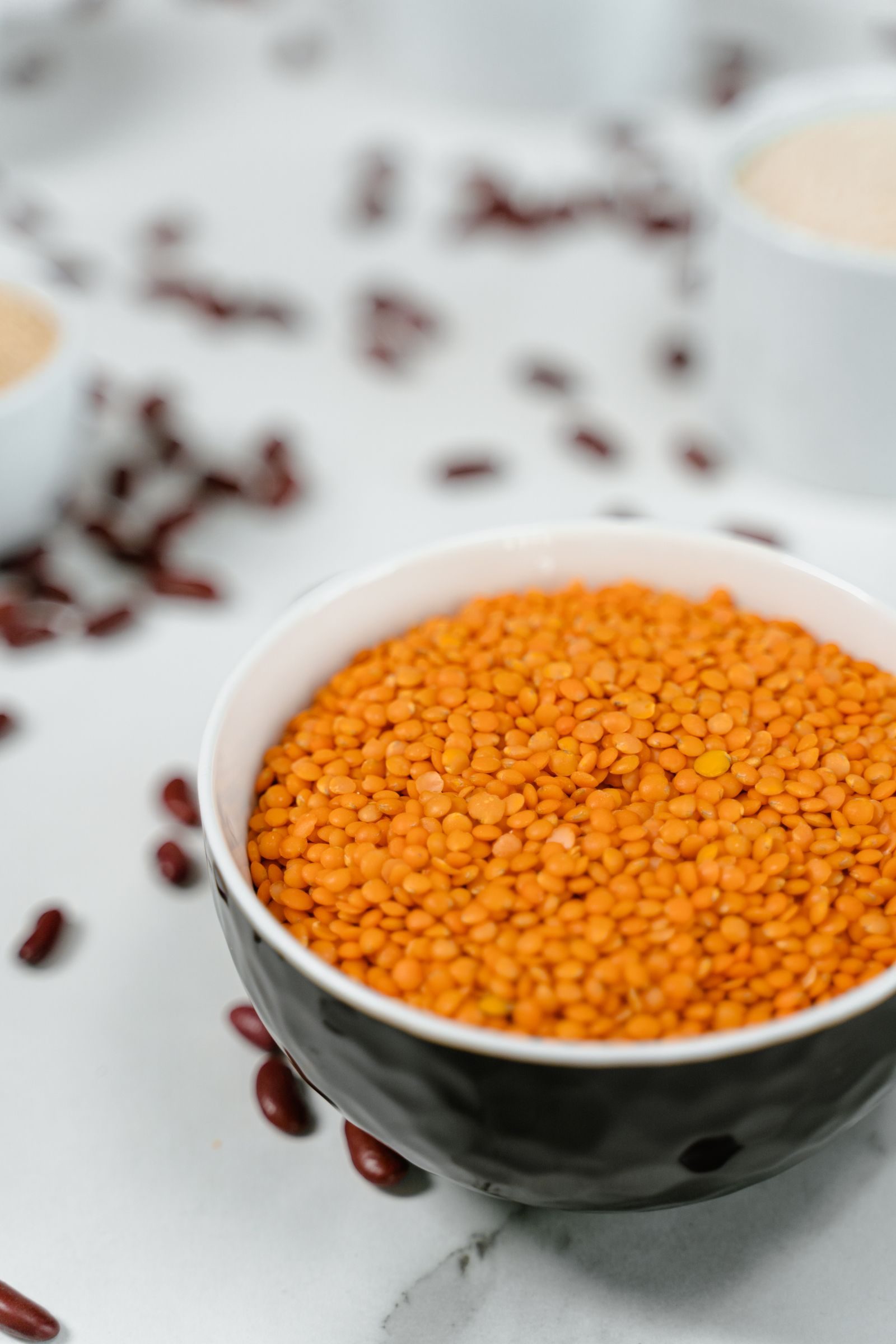
Diet works on the same ground as your treatment. Soluble fibre is the best-established example: the beta-glucans in oats and barley capture part of the cholesterol in the gut and limit its passage into the blood. They are also found in pulses, lentils, chickpeas and beans, as well as in apples. Oily fish, olive oil and nuts provide good fats that complement this approach.
The nutritional side of statins has a particular feature. By blocking the mevalonate pathway, the treatment lowers the level of coenzyme Q10 in the blood, a nutrient that uses the same production pathway. A link between this reduction and muscle pain has been proposed, but it remains debated and is not proven to date. Yet the plate provides little coenzyme Q10, mainly through meats and oily fish such as salmon and sardines, and the body makes the greater part of it itself. When this internal production slows, diet alone does not close the gap, and that is where a targeted intake makes sense, in addition to your treatment, never in its place.


Interactions and monitoring
Simvastatin is processed by the liver enzyme CYP3A4, which explains several precautions. It is contraindicated with strong inhibitors of this enzyme: clarithromycin, ketoconazole, itraconazole, HIV protease inhibitors and ciclosporin, as well as with gemfibrozil. Other medicines impose a dose ceiling: 10 mg at most with verapamil or diltiazem, 20 mg with amiodarone or amlodipine. For the same reason, grapefruit and its juice, which inhibit CYP3A4 and increase exposure to the drug, should be avoided or clearly separated from the dose.
Monitoring accompanies the treatment. A lipid profile is assessed four weeks after initiation, then periodically, to check that the target is reached and maintained. Added to this is monitoring of the liver enzymes and creatine kinase, particularly in the presence of signs of liver or muscle involvement. Finally, simvastatin is contraindicated in active liver disease, during pregnancy and breastfeeding.
Sources
- Simvastatin. StatPearls, NCBI Bookshelf
- Simvastatin. MedlinePlus, U.S. National Library of Medicine
- Cholesterol Treatment Trialists' (CTT) Collaboration. Efficacy and safety of more intensive lowering of LDL cholesterol
- SEARCH Collaborative Group. Intensive lowering of LDL cholesterol with 80 mg versus 20 mg simvastatin daily
- Littarru GP, Langsjoen P. Coenzyme Q10 and statins: biochemical and clinical implications
- Side effects of simvastatin. NHS
Related molecules
To explore in the « Heart and lipids » family and its close relatives.
See the whole « Heart and lipids » family · Back to the atlas
Frequently asked questions
What are the side effects of simvastatin?
The patient leaflet mainly notes possible muscle problems (pain, tenderness, weakness), and more rarely digestive or liver issues. Any unexplained muscle pain should be reported. For the full list and your own situation, refer to the leaflet and speak with your doctor or pharmacist.
Why is simvastatin taken at night?
The body's cholesterol synthesis is more active at night, which is why this statin is taken in the evening. The exact timing is stated on your prescription and in the leaflet; follow the advice of your doctor or pharmacist.
Can you eat grapefruit with simvastatin?
The leaflet advises against grapefruit and its juice, which can sharply raise the drug's blood concentration and therefore the risk of muscle effects. This precaution appears in the leaflet; if you are unsure about your diet, ask your doctor or pharmacist.
What medications should you avoid with simvastatin?
The leaflet flags interactions with certain antifungals, macrolide antibiotics, immunosuppressants and other cholesterol treatments. Do not combine anything without advice. Give the list of your medications to your doctor or pharmacist, who will check for combinations to avoid.
Can you drink alcohol while taking simvastatin?
The leaflet advises limiting alcohol, which puts strain on the liver, already monitored while on a statin. For a limit suited to your intake and your test results, refer to the leaflet and to your doctor or pharmacist.
Does simvastatin cause muscle pain or cramps?
Pain, tenderness, weakness or muscle cramps are among the effects described in the leaflet, usually mild but not to be ignored. Report any unusual muscle symptoms promptly to your doctor or pharmacist.
Can you stop simvastatin suddenly?
A statin is part of cardiovascular care, and stopping is not a decision to make alone. If discomfort appears or another treatment is needed, the course of action is up to your doctor; discuss it before any interruption.
Is the risk higher in older adults?
The leaflet identifies an increased muscle risk in people aged 65 and over and in cases of kidney impairment. Monitoring is then stepped up. Your doctor or pharmacist tailors follow-up to your age and your state of health.
Simvastatin, pregnancy and breastfeeding: what does the leaflet say?
Simvastatin is not recommended during pregnancy and breastfeeding according to the leaflet. If you are pregnant, planning a pregnancy or breastfeeding, tell your doctor or pharmacist before taking it.
Do statins like simvastatin affect coenzyme Q10?
The metabolic pathway that statins block to lower cholesterol is also used to make coenzyme Q10. Research, including Moosmann and Behl (FASEB J, 2004), links statin use to a drop in plasma coenzyme Q10 levels. This is an observed association, not an automatic deficiency.
In what form should you consider coenzyme Q10 with simvastatin?
Coenzyme Q10 exists in two forms, ubiquinone and ubiquinol, the latter being the reduced form that is directly absorbable. It is ubiquinol that is chosen as the nutritional layer to consider alongside a statin such as simvastatin (reference ST01).
Does coenzyme Q10 supplementation really help while on a statin?
Results from supplementation trials are mixed: some report an improvement in muscle discomfort, while others do not confirm it in double-blind settings. Coenzyme Q10 as ubiquinol is meant as a nutritional layer, in addition to the treatment and not in its place.
Ces réponses portent sur le volet nutritionnel. Pour toute question sur votre médicament, la notice et votre médecin ou pharmacien font foi.