Amikacine
antibiotic
Third-party optionBy the Layer Nutrition editorial team · How the atlas classifies the 664 molecules
What this medicine is for
Amikacin is a medicine in the “antibiotic” category. Antibiotics treat infections caused by bacteria. They are taken as a course, for a defined period, until the end of the prescription.
Specifically, for Amikacin: Treats a bacterial infection. It is used rather occasionally or as a short course, to get through an episode.
Under which brands it is found
In France, about 4 reimbursable presentations containing Amikacin are recorded. It comes under various trade names and in generic form.
- Amikacine Panpharma
- Amikacine Stragen
- Amikacine Viatris
- Arikayce Liposomal
Generics and the original brand are equivalent for the active substance; only the appearance, the name or the excipients may differ.
On the plate: magnesium, potassium and calcium
On amikacin, the kidney lets more magnesium escape into the urine. This shortfall pulls calcium and potassium along with it, because these three minerals are linked to one another. Food remains the simplest way to rebuild these stores, alongside the treatment.
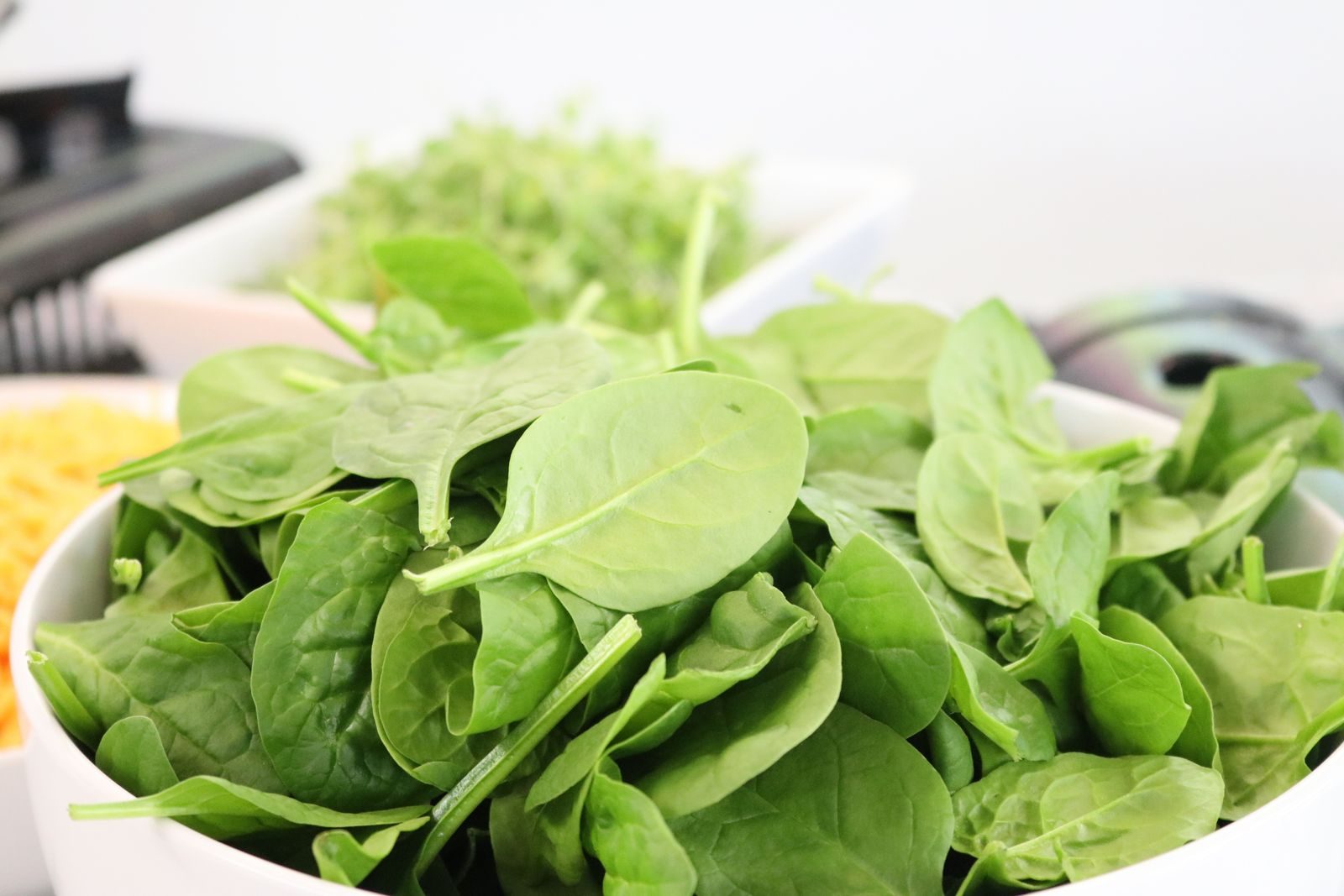
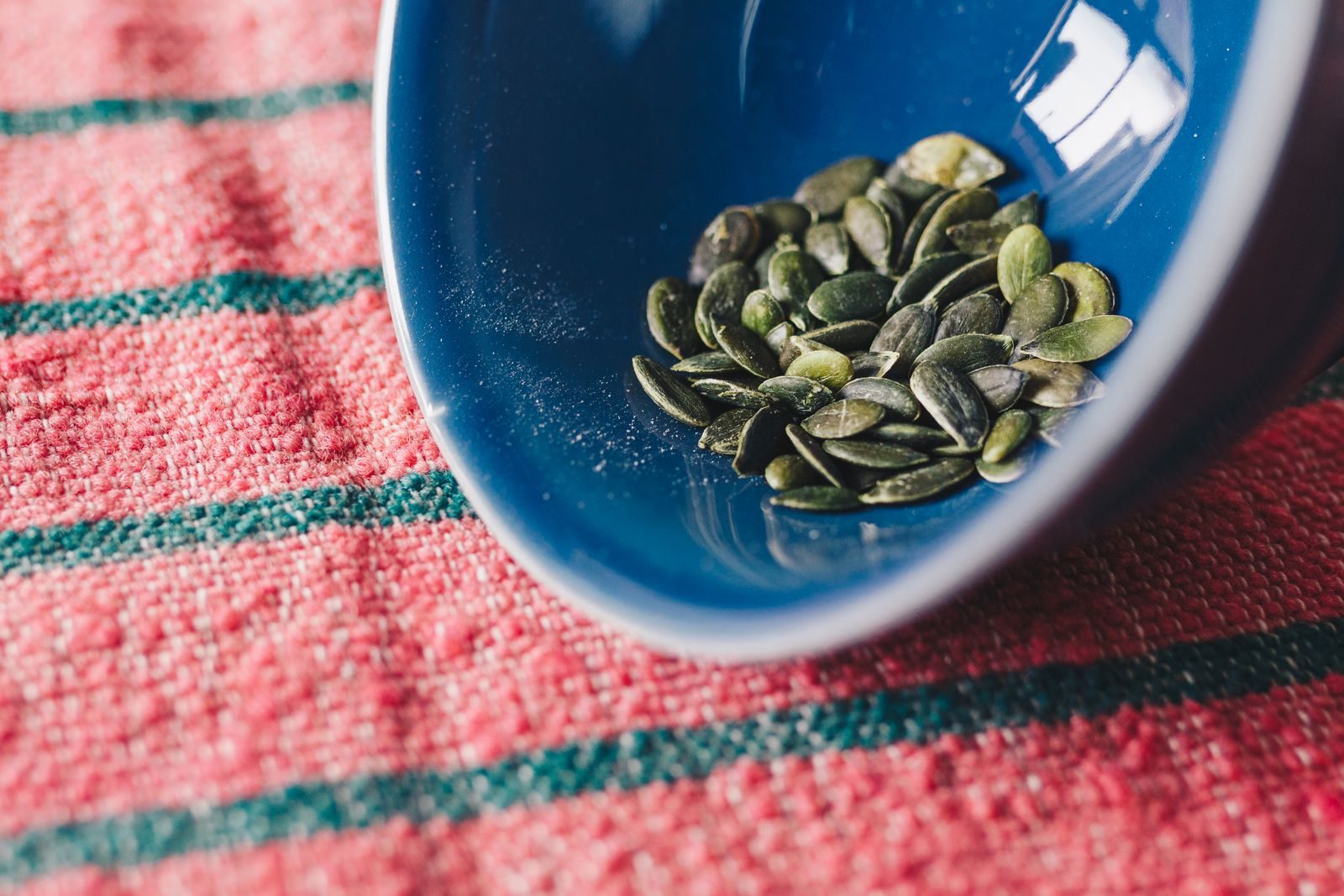
Magnesium is concentrated in green leafy vegetables, tree nuts such as almonds and walnuts, pumpkin seeds, whole grains and dark chocolate. Potassium, for its part, is abundant in the potato, the sweet potato, spinach, legumes, the avocado, the dried apricot and the banana.
Several of these foods combine both minerals: spinach, lentils, beans and pumpkin seeds provide magnesium and potassium at the same time. For calcium, plain yoghurt and cheese round out the set. Working them into meals covers a good share of daily needs.


How amikacin works
Amikacin belongs to the aminoglycoside family. It binds to the bacterium's 30S ribosomal subunit, specifically at the A (aminoacyl) site of the 16S ribosomal RNA. This binding distorts the reading of the genetic code carried by the messenger RNA: the bacterium assembles faulty proteins and translation stops. Deprived of functional proteins, the bacterium dies.
Its action is concentration-dependent: the higher the blood peak, the faster and more complete the bacterial killing. Amikacin also exerts a post-antibiotic effect, which means it keeps holding back bacterial regrowth after its blood concentration falls. These two properties explain the schedule of high, spaced-out doses.
Why it is prescribed
Amikacin targets serious infections caused by resistant gram-negative bacilli. It is prescribed against nosocomial pneumonia, meningitis, wound infections, bacteraemia and sepsis. By injection, it also treats infections of the blood, the abdomen, the lungs, the skin, the bones, the joints and the urinary tract.
Its spectrum has clear limits. Aminoglycosides remain inactive against anaerobic bacteria and against most gram-positive bacteria. Amikacin is therefore reserved for severe situations, often when other antibiotics have failed or when resistance forces this recourse.
How it is administered
Amikacin is not taken by mouth: the digestive tract does not absorb it. It is given intravenously, intramuscularly, intrathecally or by nebulisation, almost always in hospital. The pace and the dose are set by the care team, and the treatment is carried through to the end even if symptoms improve quickly.
Once in the blood, amikacin is eliminated by the kidney through glomerular filtration, with a half-life of 2 to 3 hours. This rapid, purely renal elimination explains why kidney function weighs so heavily on the safety of the treatment and on dose adjustment.
The effects to know about
Two organs concentrate attention: the kidney and the inner ear. Nephrotoxicity occurs in 1 to 10 % of patients and remains reversible when caught early; a rise in urea or creatinine is seen in 5 to 25 %. For the aminoglycoside class as a whole, kidney damage can affect up to 10 to 25 % of patients, most often reversibly.
Vestibular and auditory ototoxicity affects 4 to 6 % of patients on amikacin, with a risk of permanent hearing loss. Reported in 2 to 45 % of adults for the class, it strikes mainly the cochlea, and therefore hearing, the injury occurring through reactive oxygen species in the inner ear. A neuromuscular blockade can also prolong paralysis and muscle weakness.
Why magnesium drops
By acting on the kidney, amikacin disturbs mineral handling. Aminoglycosides are among the drugs that cause a renal leak of magnesium, with a magnesium excretion fraction above 2 %. This urinary loss can lead to hypomagnesaemia, a shortage of magnesium in the blood.
This shortfall does not stay isolated. A magnesium deficiency in turn sustains hypocalcaemia and hypokalaemia: the drops in calcium and potassium are tied to that of magnesium. Magnesium thus becomes the central mineral to watch, because it drags the other two down with it.
Interactions and monitoring
Several combinations worsen the toxicity. Loop diuretics such as furosemide increase the ototoxicity of amikacin. Combining it with amphotericin B, vancomycin, cisplatin or aciclovir raises the renal and auditory risk. Amikacin must not be used in a patient receiving curare-type agents, because the neuromuscular blockade is prolonged, and the risk rises with calcium channel blockers.
Monitoring frames the treatment closely. It rests on serum concentrations, measured at the peak and at the trough, on kidney function, with urea and creatinine checked every 1 to 2 days, and on audiograms, one at baseline then one each week. This oversight makes it possible to adjust the doses and to stop in time if the kidney or hearing suffer.
Sources
Related molecules
To explore in the « Anti-infectives » family and its neighbours.
See the whole « Anti-infectives » family · Back to the atlas
Supplements to consider
Beyond the plate, a single isolated nutrient can be worth discussing, to confirm with your doctor or pharmacist. Here is which one and in which form.
Probiotics
Probiotics are live micro-organisms, mainly lactobacilli and bifidobacteria. The CFU count and the number of strains are among the selection criteria; gastro-resistant capsules protect the bacteria from stomach acidity.
Preferred form gastro-resistant capsules, several strains, CFU count stated
Frequently asked questions
What is amikacin used for?
Amikacin is an antibiotic in the aminoglycoside family, given by injection (intravenous or intramuscular), most often in a hospital setting to treat certain severe bacterial infections. The choice of this treatment, its indication and its duration are up to your doctor. Refer to the package leaflet and your care team for your specific situation.
What are the side effects of amikacin?
Like other aminoglycosides, amikacin can affect kidney function and hearing or balance, which is why monitoring is warranted during treatment. The package leaflet details all the possible adverse effects. Report any ringing in the ears, dizziness or change in urination to your doctor or care team without delay.
Why is blood monitoring done while on amikacin?
Monitoring of blood levels and kidney function is standard with amikacin in order to tailor the treatment to each person. These checks are decided on and interpreted by the medical team. For the exact details that apply to you, refer to your doctor or hospital pharmacist.
Does amikacin have any drug interactions to know about?
The package leaflet notes precautions with other medicines that can affect the kidneys or hearing, as well as with certain products used in anesthesia. Because interactions depend on your full set of treatments, give the complete list of what you take to your doctor or pharmacist, who will check for compatibility.
Amikacin and pregnancy or breastfeeding: what precautions?
The use of aminoglycosides during pregnancy or breastfeeding is subject to specific precautions described in the package leaflet. This assessment is individual and is up to your doctor. If you are pregnant, breastfeeding or planning a pregnancy, mention it before any treatment.
What can you do for your gut flora during or after an antibiotic like amikacin?
Studies link taking antibiotics to a disruption of the balance of the gut flora. To support this flora, the active ingredient to consider is a multi-strain probiotic, in the form of live lactic ferments (for example Lactobacillus strains or the yeast Saccharomyces boulardii), taken apart from the antibiotic dose. Discuss it with your doctor or pharmacist, in particular for the timing and duration suited to your situation.
Ces réponses portent sur le volet nutritionnel. Pour toute question sur votre médicament, la notice et votre médecin ou pharmacien font foi.