Doxycycline
antibiotic
Third-party optionBy the Layer Nutrition editorial team · How the atlas classifies the 664 molecules
What this medicine is for
Pharmacologically, Doxycycline relates to the category “antibiotic”. Antibiotics treat infections caused by bacteria. They are taken as a course, over a set duration, until the end of the prescription.
Specifically, for Doxycycline: Treats a bacterial infection. Its use is generally limited in time, adjusted to the situation.
Under which brands it is found
In France, about 11 reimbursable presentations containing Doxycycline are recorded. It is found under several brand names and as generics.
- Doxycycline Pharmacie Centrale Des Armees
- Doxycycline Sandoz
- Doxycycline Teva
- Doxycycline Viatris
- Doxylis
- Doxypalu
- Granudoxy
- Tolexine
- Doxy
- Doxycycline Arrow
- Doxycycline Biogaran
Generics and the original brand are equivalent for the active substance; only the appearance, the name or the excipients may differ.
Space out the minerals, nourish the flora
Calcium, iron, magnesium and zinc bind to doxycycline and reduce its absorption when they arrive at the same time as it. The effect is clear with supplements, antacids and iron preparations; it stays more moderate with the minerals in food. Shift the most concentrated intakes away from the dose, and support the gut flora that the antibiotic puts under strain.
An antibiotic acts on the bacteria of the infection, but also on those of the gut. Plain yoghurt and other foods with live cultures deliver useful bacteria every day and slip easily into meals. In addition to your treatment, they maintain a digestive terrain that the antibiotic disrupts.
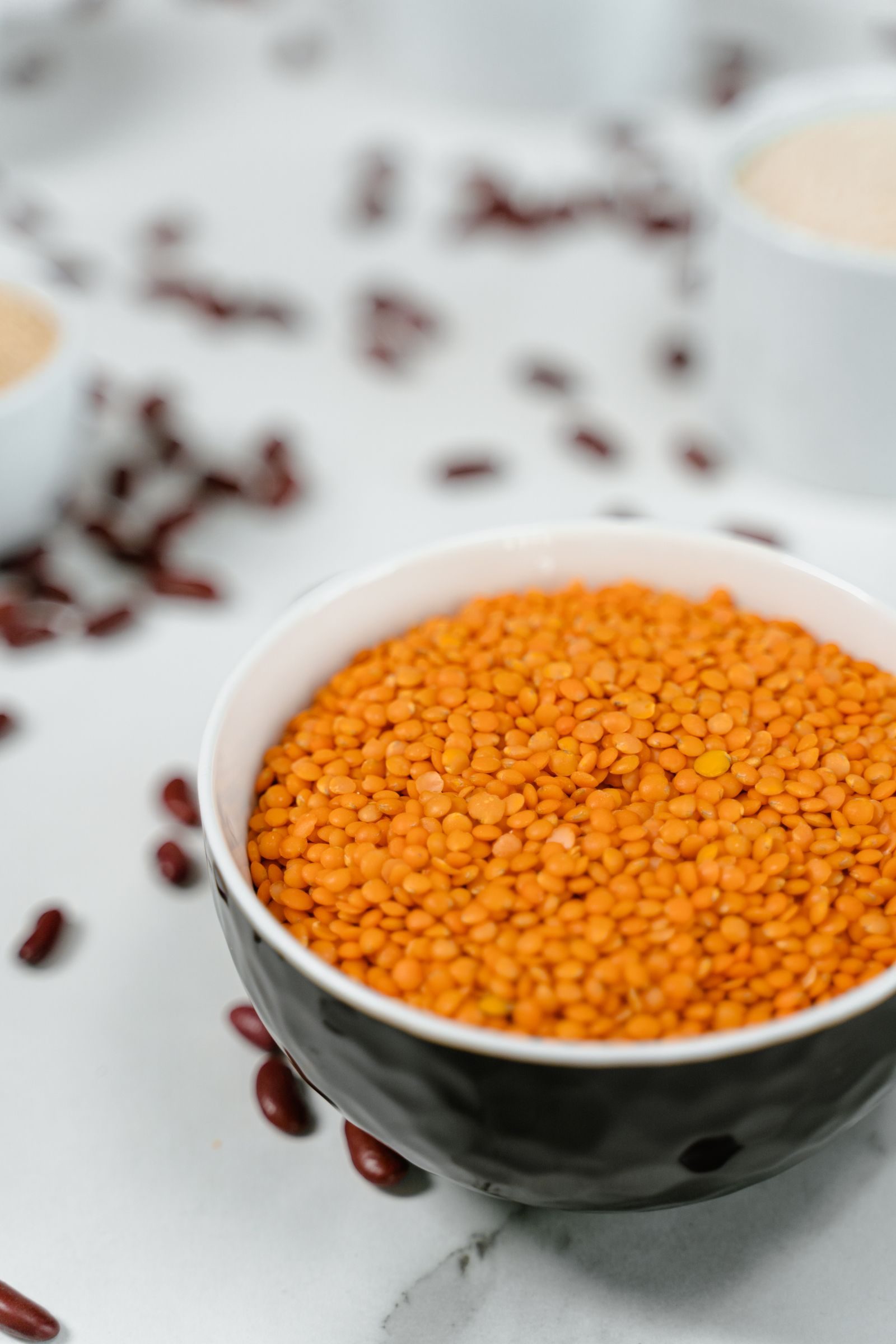
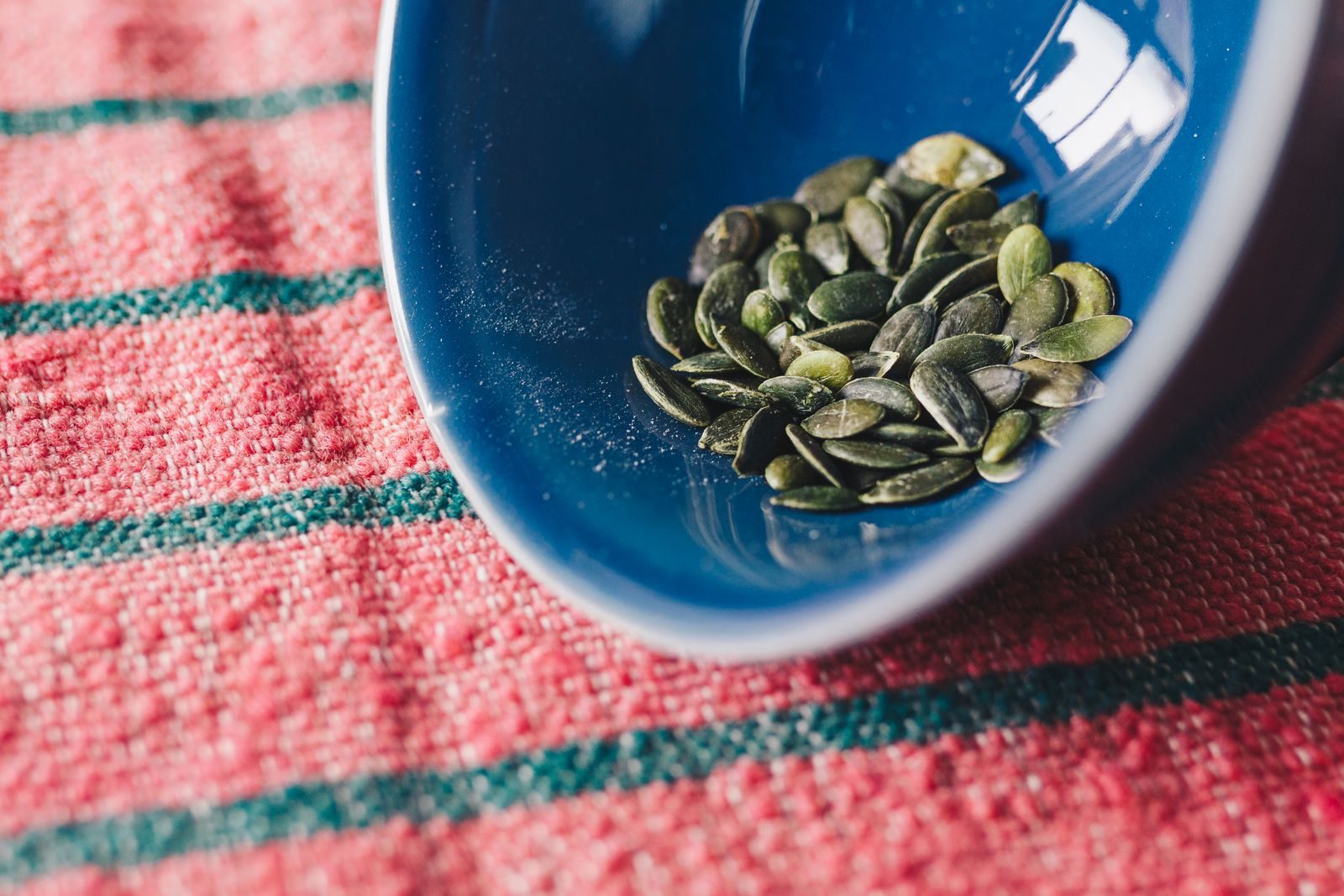
The foods richest in the minerals that capture doxycycline are dairy products and cheese for calcium, legumes for iron, and pumpkin seeds and nuts for magnesium and zinc. You do not have to remove them: shift them two to three hours away from the dose, so that the medicine and these minerals do not cross paths in the stomach.


How doxycycline works
Doxycycline belongs to the tetracycline family. It blocks the production of proteins that bacteria need to live and multiply. To do this, it binds to the 30S subunit of the ribosome, the machine that translates the genetic message into proteins. By occupying this site, it prevents the charged aminoacyl-tRNA from taking its place on the ribosome's A site, which interrupts the elongation phase of translation. Its action is bacteriostatic: it halts the growth of bacteria rather than destroying them directly, and lets the body's defences finish the job.
Some bacteria escape doxycycline thanks to ribosomal protection proteins, notably Tet(O) and Tet(M). These proteins dislodge the antibiotic from its binding site, and the ribosome then resumes its activity. This is one of the reasons an antibiotic is prescribed only for a documented bacterial infection, and why the prescribed duration must be followed through to the end.
Why it is prescribed
Doxycycline treats specific bacterial infections. It is prescribed in particular against Chlamydia infections, Rocky Mountain spotted fever and other tick-borne rickettsial diseases, as well as respiratory infections caused by Mycoplasma pneumoniae. It is also used as adjunctive treatment for severe acne and to prevent malaria during travel to at-risk areas. The choice of the molecule depends on the target organism and the clinical context.
Its long half-life, from 18 to 22 hours, generally allows one to two doses per day. After an oral dose, it passes almost entirely into the blood, with a bioavailability of about 95 to 100 percent, and reaches its peak concentration at around two hours. About 40 percent is eliminated by the kidney, with minimal hepatic metabolism, which makes it usable even when kidney function is reduced.
How to take it day to day
Swallow each dose with a large glass of water. Rare cases of inflammation and ulceration of the oesophagus have been reported with capsules and tablets, when the medicine lingers in the oesophagus. Stay upright, sitting or standing, during and after taking it. If the medicine causes stomach discomfort, you can swallow it with a little food or milk: for doxycycline, the effect of milk on absorption remains moderate. Even so, keep large calcium intakes away from the time of the dose.
Take doxycycline at regular times and complete the full prescribed duration, even if you feel better before the end: stopping too soon encourages relapse and resistance. During treatment, your skin becomes more sensitive to the sun and may react like an exaggerated sunburn; protect yourself, and at the first sign of skin redness, stop the treatment and seek advice. Doxycycline also permanently stains developing teeth, which is why it is usually avoided before the age of 8 and during pregnancy.
The effects to know about
The most frequent effects, between 1 case in 100 and 1 in 10, are nausea, vomiting and vaginal candidiasis. Less often, between 1 in 1,000 and 1 in 100, there is difficult digestion, headaches, tinnitus, photosensitivity reactions and skin eruptions, as well as blood abnormalities: haemolytic anaemia, a drop in white blood cells or platelets.
More rarely, between 1 in 10,000 and 1 in 1,000, pancreatitis, Clostridium difficile colitis, an ulcer or inflammation of the oesophagus, benign intracranial hypertension, liver damage and severe skin reactions such as Stevens-Johnson syndrome, toxic epidermal necrolysis and erythema multiforme have been described. These serious effects remain exceptional, but they justify seeking advice without delay in the face of unusual pain, a widespread eruption or persistent headaches with visual disturbances.
Interactions and monitoring
Several minerals bind to doxycycline in the digestive tract and prevent it from being absorbed: calcium, magnesium, iron, zinc and aluminium form complexes with it. Separate antacids and calcium or magnesium supplements by at least 1 to 2 hours, and space iron out by 3 hours before or 2 hours after the dose. Tetracyclines also reduce prothrombin activity: in a person on warfarin, the prothrombin time lengthens and the anticoagulant dose sometimes has to be reduced. Doxycycline can also make oral contraceptives less effective, and enzyme inducers such as barbiturates, carbamazepine and phenytoin shorten its half-life.
With prolonged treatment, periodic laboratory tests monitor the blood, the kidney and the liver. Tell your doctor about all the medicines and supplements you take, because these interactions often come down to the timing of doses. Do not change or stop doxycycline on your own: only the prescriber adjusts the dose or the duration.
Sources
Related molecules
To explore in the « Anti-infectives » family and its neighbours.
See the whole « Anti-infectives » family · Back to the atlas
Supplements to consider
Beyond the plate, a single isolated nutrient can be worth discussing, to confirm with your doctor or pharmacist. Here is which one and in which form.
Probiotics
Probiotics are live micro-organisms, mainly lactobacilli and bifidobacteria. The CFU count and the number of strains are among the selection criteria; gastro-resistant capsules protect the bacteria from stomach acidity.
Preferred form gastro-resistant capsules, several strains, CFU count stated
Frequently asked questions
What are the side effects of doxycycline?
The patient leaflet notes digestive upset, increased sensitivity of the skin to sunlight and, if the tablet is taken lying down, irritation of the oesophagus. For the full list and what to do, refer to the leaflet and speak to your doctor or pharmacist.
Should you avoid the sun while taking doxycycline?
Doxycycline can make the skin more sensitive to sunlight and UV, a point flagged in the patient leaflet. The practical precautions (exposure, protection) are for your doctor or pharmacist to advise, and you should refer to them.
Can you take doxycycline with milk, calcium or iron?
The patient leaflet states that calcium, iron and certain mineral supplements can interfere with the absorption of doxycycline, which is why they should be taken at a separate time. The exact timing of your dose should be specified by your doctor or pharmacist, according to your medicine's leaflet.
Doxycycline and pregnancy or breastfeeding: what precautions apply?
Doxycycline is subject to contraindications or restrictions during pregnancy and breastfeeding, as noted in the patient leaflet. If you are pregnant, might be, or are breastfeeding, this decision rests with your doctor.
Can you drink alcohol while taking doxycycline?
Whether you can drink alcohol while on an antibiotic depends on your situation and your treatment. Check the patient leaflet and ask your doctor or pharmacist for advice before deciding.
Antibiotics and gut flora: what to consider on the nutrition side?
Like other antibiotics, doxycycline acts on bacteria, and studies link antibiotic treatments to changes in the gut flora. On the nutrition side, the active ingredient often considered to support the gut flora is a probiotic, for example the yeast Saccharomyces boulardii or lactobacillus strains, generally taken at a separate time from the antibiotic. Advice from your doctor or pharmacist remains helpful to fit it to your situation.
Ces réponses portent sur le volet nutritionnel. Pour toute question sur votre médicament, la notice et votre médecin ou pharmacien font foi.