Fosfomycin
antibiotic
Third-party optionBy the Layer Nutrition editorial team
What this medicine is for
Fosfomycin is a medicine in the 'antibiotic' category. Antibiotics treat infections caused by bacteria. They are taken as a course, over a defined period, to the end of the prescription.
Pour Fosfomycine en pratique : Traite une infection bactérienne. Son usage est en général limité dans le temps, ajusté à la situation.
Under which brands it is found
En France, on recense environ 13 présentations remboursables contenant Fosfomycine. On la trouve sous plusieurs noms de marque et en génériques.
- Fosfomycine Arrow
- Fosfomycine Biogaran
- Fosfomycine Cristers Pharma Adultes
- Fosfomycine Eg Adultes
- Fosfomycine Evolugen
- Fosfomycine Sandoz Adultes
- Fosfomycine Substipharm
- Fosfomycine Teva Sante Adultes
- and other presentations
Original brand-name products and generics deliver the same active substance; the choice between them is made with your doctor or pharmacist.
On your plate: supporting the gut flora
Fosfomycin acts on bacteria, and diarrhoea is among its most common effects, in 9% of the people treated. Food helps spare the gut flora during and after treatment, by relying on the foods that nourish it.
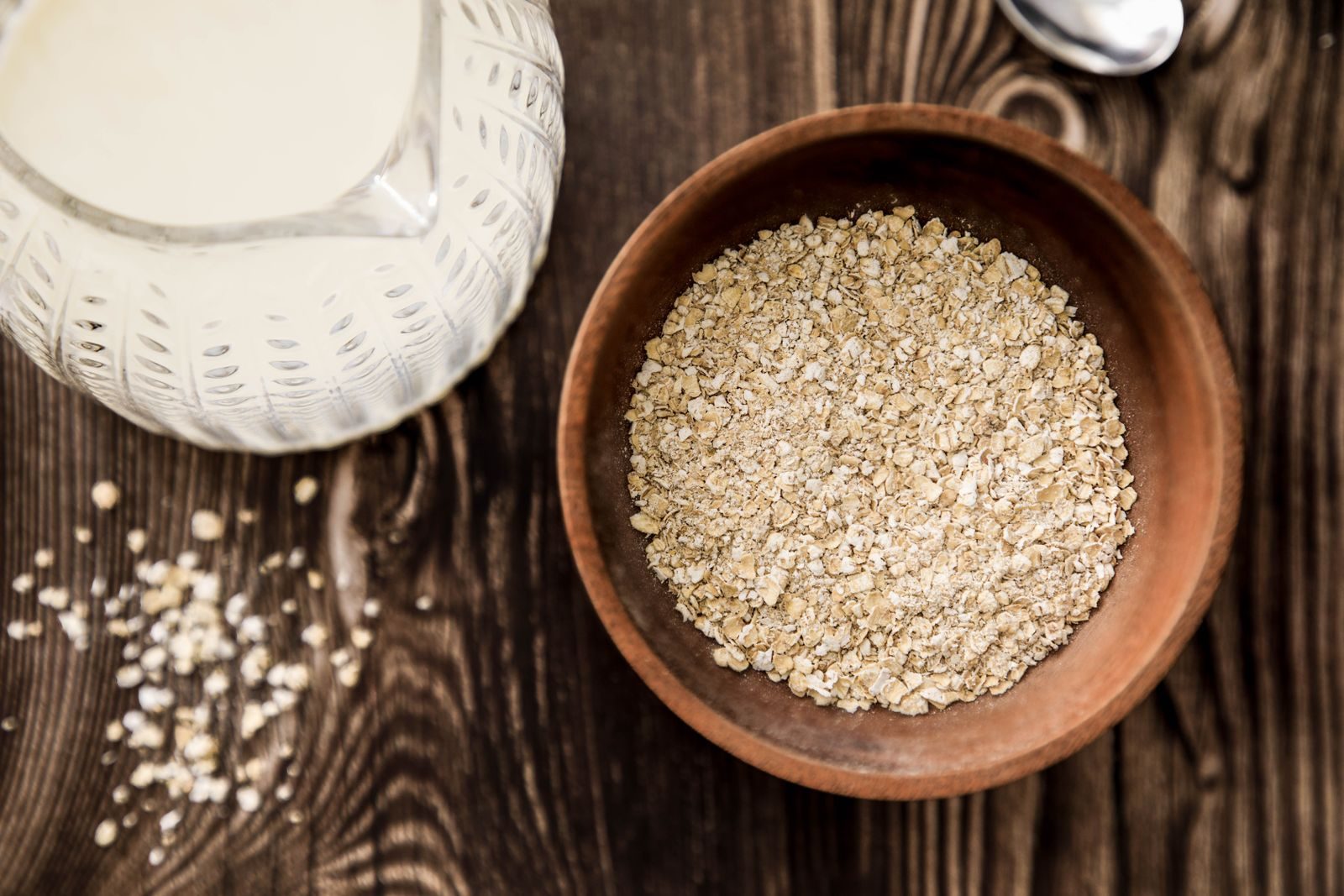
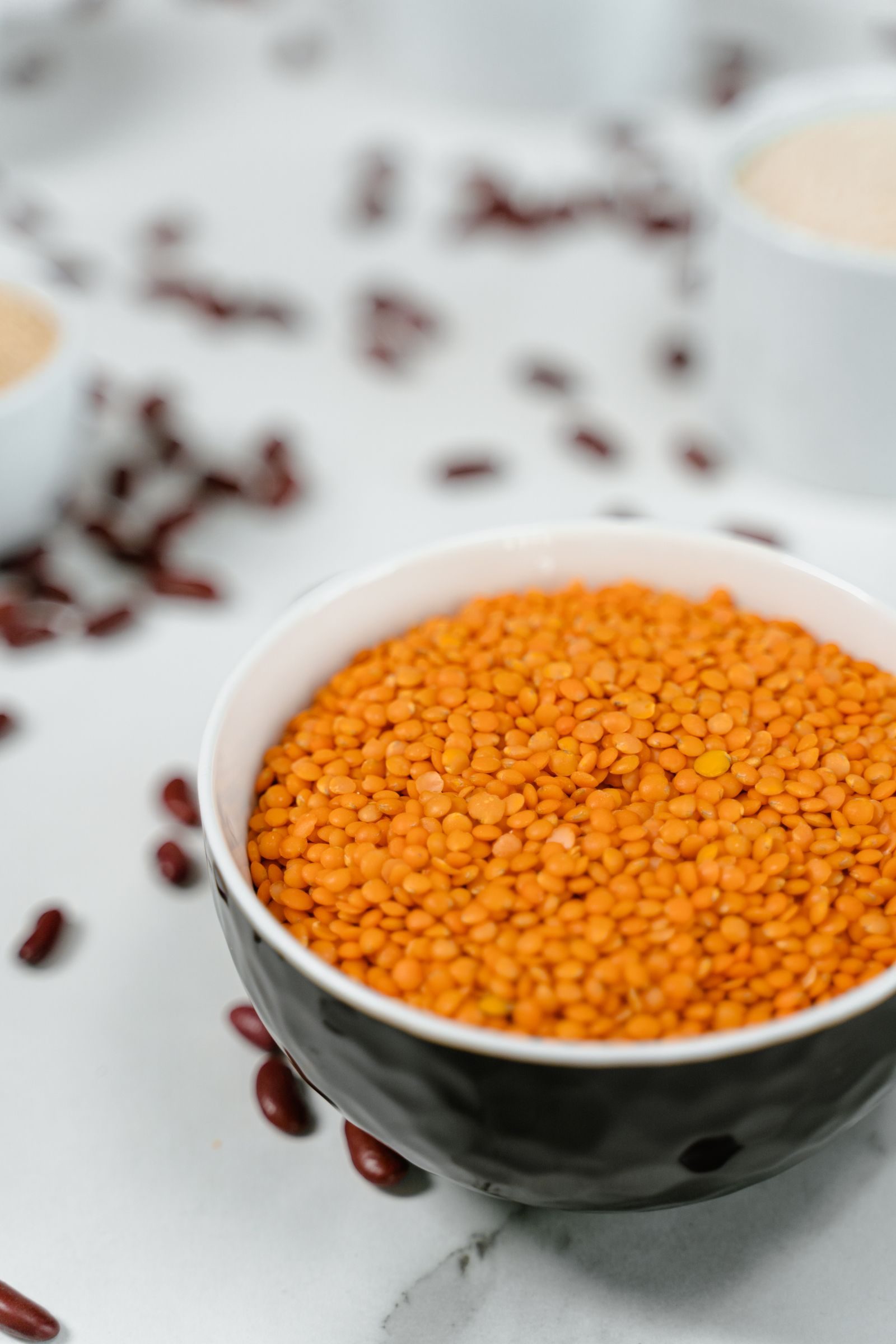
Plain yoghurt provides live lactic ferments that support the microbiota. In addition, fibre serves as food for the good bacteria in the colon: it is found in oats, barley, lentils, chickpeas and beans. The banana, rich in fibre, fits easily into a breakfast or a snack.
Varying these sources day after day covers the needs without any particular effort: a yoghurt with a meal, a portion of legumes, a bowl of oat flakes. These foods support digestion alongside your treatment, never in its place.


How fosfomycin works
Fosfomycin is an antibiotic that blocks the building of the bacterial wall from its very first step. It irreversibly inactivates an enzyme called enolpyruvyl transferase, or MurA. This enzyme launches the synthesis of peptidoglycan, the rigid mesh that surrounds the bacterium, by condensing UDP-N-acetylglucosamine with phosphoenolpyruvate. By neutralising MurA, fosfomycin cuts off this production at the source, and the bacterium can no longer build its envelope.
The block depends on the way the molecule attaches: it binds covalently to a conserved cysteine in the active site of MurA, which puts the enzyme out of service for the long term. Fosfomycin still has to get inside the bacterium. To do this it uses one of two transporters, the glycerol-3-phosphate system (GlpT) or the hexose-phosphate system (UhpT). Mutations in the glpT or uhpT genes close these entry points, reduce the antibiotic's penetration and make the strain resistant.
Why it is prescribed
Fosfomycin trometamol, the form that is swallowed, targets a precise situation: acute uncomplicated cystitis in women. It treats infections caused by susceptible strains of Escherichia coli and Enterococcus faecalis, the two bacteria most often responsible for a lower urinary tract infection. Its value lies in its simple intake and its targeted action on the bladder.
Its indication stops at the bladder. Oral fosfomycin is not suitable for treating pyelonephritis, the infection that affects the kidney itself, nor a perinephric abscess. These deeper conditions call for other treatments. The diagnosis therefore guides the prescription: the same molecule does not answer to all urinary tract infections.
How to take it
The oral form has a rare feature: it is taken as a single 3 g dose. The sachet dissolves in 90 to 120 mL of water at room temperature, about half a glass, and is drunk right away, with or without food. This single intake is enough for the targeted cystitis; there is no treatment to continue over the following days.
After this intake, fosfomycin stays in the body long enough to act: its plasma half-life is 5.7 hours on average, with a variation of plus or minus 2.8 hours from one person to another. It is eliminated unchanged in the urine and stools, which concentrates it where it must work, in the urinary tract. A single intake is followed to the letter: the dose is calculated for one administration, it is not doubled and not repeated on one's own initiative.
The effects to know about
The adverse effects of the oral form were measured in clinical trials. The most common is diarrhoea, in 9.0% of people. Then come vaginitis in 5.5%, nausea in 4.1% and headache in 3.9%.
Other effects appear more rarely: dizziness in 1.3% of people, tiredness, or asthenia, in 1.1%, and difficult digestion, or dyspepsia, in 1.1%. Diarrhoea, the most frequent, invites care with food for a few days.
Interactions and pregnancy
A medicine can change the effectiveness of fosfomycin by altering its route through the body. Metoclopramide, used against nausea, lowers the serum concentrations of fosfomycin and the amount eliminated in the urine. Other medicines that speed up gastrointestinal motility, that is, transit, can have the same effect: by moving the digestive contents along faster, they leave the antibiotic less time to pass into the blood.
During pregnancy, the rule is caution: fosfomycin should be used only if it is clearly necessary. This decision rests with the doctor, who weighs the expected benefit against each person's situation. Reporting a pregnancy or a wish to become pregnant at the time of prescription is therefore part of the useful dialogue.
The injectable form and monitoring
There is a second form, fosfomycin disodium, given intravenously in hospital for more severe infections. It has a constraint of its own: a high sodium load, with 330 mg of sodium per gram of fosfomycin, or 1,980 mg of sodium per vial. This sodium can raise blood sodium and, at the same time, lower potassium, calcium and phosphorus. A low-sodium diet is recommended during this treatment.
Laboratory monitoring frames this intravenous form. In one trial, the abnormalities observed were hypokalaemia, potassium below 3.0 mEq/L, in 9.9% of patients, hypernatraemia in 3.4%, hypocalcaemia in 3.9% and hypophosphataemia in 2.1%. Sodium, potassium, calcium, magnesium and phosphorus are therefore monitored, along with hydration status, with heightened vigilance in cases of heart failure, kidney failure, cirrhosis, hypertension or pulmonary oedema.
Sources
- Monurol (fosfomycin tromethamine) label, DailyMed
- Structure of MurA from Vibrio fischeri in complex with substrate UDP-N-acetylglucosamine and the drug fosfomycin
- Antimicrobial Susceptibility and Molecular Mechanisms of Fosfomycin Resistance in Clinical Escherichia coli Isolates in Mainland China
- CONTEPO (fosfomycin injection) label, DailyMed
Related molecules
To explore in the « Anti-infectives » family and its neighbours.
See the whole « Anti-infectives » family · Back to the atlas
Supplements to consider
Beyond the plate, a single isolated nutrient can be worth discussing, to confirm with your doctor or pharmacist. Here is which one and in which form.
Probiotics
Probiotics are live micro-organisms, mainly lactobacilli and bifidobacteria. The CFU count and the number of strains are among the selection criteria; gastro-resistant capsules protect the bacteria from stomach acidity.
Preferred form gastro-resistant capsules, several strains, CFU count stated
Frequently asked questions
How do you take fosfomycin tromethamine, on an empty stomach or with food?
The leaflet advises taking it on an empty stomach, dissolving the granules in water, because food delays the medicine's absorption. The exact timing and instructions are on the leaflet in your pack: follow it and ask your doctor or pharmacist for advice.
How long does fosfomycin tromethamine take to work?
According to the summary of product characteristics, active urinary concentrations are maintained for at least twenty-four hours after the dose. How quickly you feel a difference varies from one person to another: if symptoms persist or worsen, refer to the leaflet and consult your doctor.
What are the side effects of fosfomycin tromethamine?
The leaflet mainly reports digestive disturbances that are most often mild and transient, such as nausea, diarrhoea or abdominal pain. The full list and what to do are set out in the leaflet: if you have a bothersome or unexpected effect, speak to your doctor or pharmacist.
Can you take fosfomycin with other medicines such as metoclopramide?
The leaflet notes that metoclopramide lowers fosfomycin concentrations and that this combination should be avoided. Tell your doctor or pharmacist about all the treatments you are currently taking, and they will check for interactions before treatment begins.
Can fosfomycin tromethamine be taken during pregnancy?
The leaflet states that fosfomycin may be used during pregnancy, while noting that safety data remain limited. The decision rests with your doctor or midwife: only take this medicine during pregnancy or breastfeeding on their advice.
What can you take for gut flora during or after an antibiotic like fosfomycin?
Antibiotics disrupt the balance of the gut microbiome, and studies associate taking probiotics with better digestive tolerance and support for the flora. The active ingredient to consider is a multi-strain probiotic, for example lactic ferments such as Lactobacillus rhamnosus or the yeast Saccharomyces boulardii, in gastro-resistant capsules, readily combined with prebiotic fibre. A varied diet rich in fibre remains the first lever.
Ces réponses portent sur le volet nutritionnel. Pour toute question sur votre médicament, la notice et votre médecin ou pharmacien font foi.