Daptomycin
antibiotic
Third-party optionBy the Layer Nutrition editorial team
What this medicine is for
Sur le plan pharmacologique, Daptomycine se rattache à la catégorie « antibiotique ». Les antibiotiques traitent les infections dues à des bactéries. Ils se prennent en cure, sur une durée définie, jusqu'au bout de la prescription.
Pour Daptomycine en pratique : Traite une infection bactérienne. Il s'emploie plutôt de façon ponctuelle ou en cure courte, le temps de passer un épisode.
Under which brands it is found
En France, on recense environ 8 présentations remboursables contenant Daptomycine. Elle se présente sous divers noms commerciaux et sous forme de génériques.
- Daptomycine Accordpharma
- Daptomycine Hikma Pharma
- Daptomycine Hospira
- Daptomycine Medac
- Daptomycine Noridem
- Daptomycine Reddy Pharma
- Daptomycine Tillomed
- Daptomycine Xellia
Generics and the original brand are equivalent for the active substance; only the appearance, the name or the excipients may differ.
On the plate: fibre and fermented foods
An antibiotic targets the bacteria responsible for the infection, but it can also disrupt the flora of the digestive tract. On daptomycin, diarrhoea is among the reported effects. The fibre and fermented foods on your plate support the work of the gut during treatment.
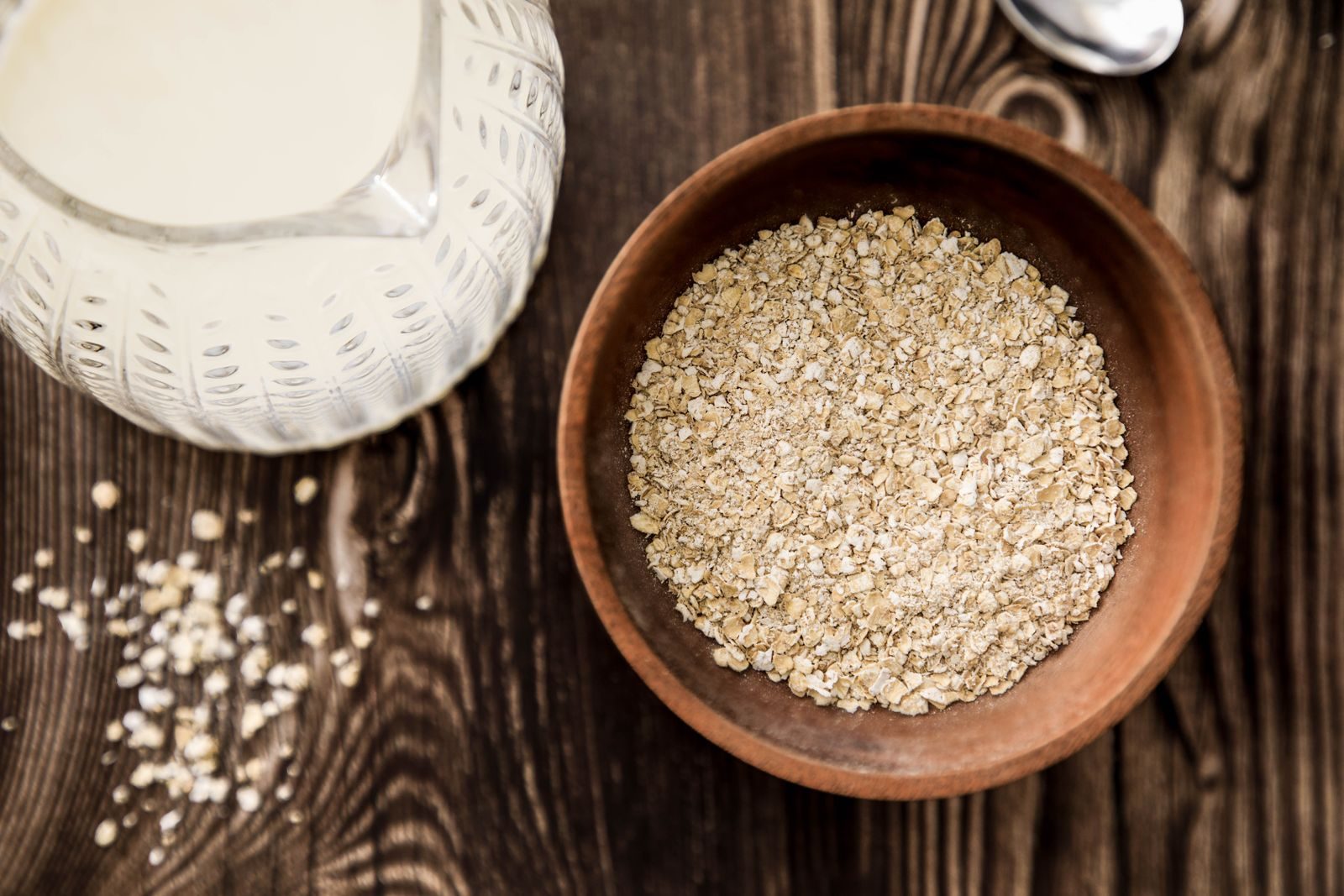
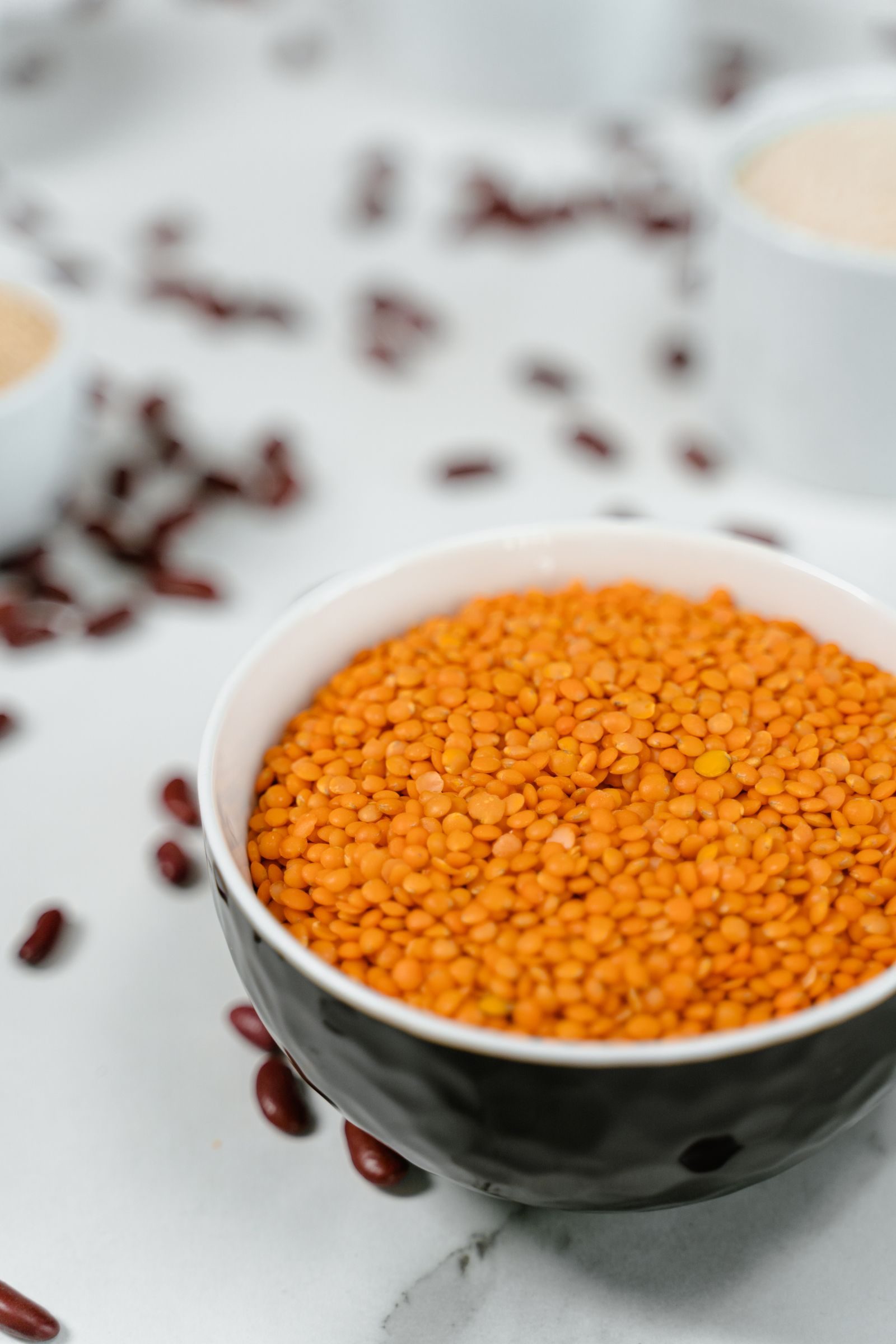
Fermented foods provide live bacteria that naturally populate the digestive tract: plain yoghurt is the simplest source to fit into meals. Alongside it, fibre feeds the good bacteria already present. It is found in oat flakes, barley, legumes such as lentils and chickpeas, and in fruit such as the banana.
The habit comes down to little: a yoghurt at breakfast or as a dessert, a portion of legumes during the week, whole grains in place of the refined versions. These foods accompany digestion during the antibiotic course, in addition to your treatment.


How daptomycin works
Daptomycin belongs to the family of cyclic lipopeptides. It is produced by a soil bacterium, Streptomyces roseosporus. Its action depends on calcium: bound to calcium, the molecule forms a complex with phosphatidylglycerol, a lipid in the membrane of Gram-positive bacteria. It then inserts into the lipid bilayer and aggregates at the septum, the zone where the bacterium divides.
This insertion causes a rapid depolarisation of the membrane potential and a leakage of ions, including potassium. The bacterium can no longer make its DNA, its RNA or its proteins, and it dies, without its membrane being ruptured. This mechanism acts only on Gram-positive bacteria, which precisely defines the antibiotic's field of action.
Why it is prescribed
Daptomycin is indicated for complicated infections of the skin and soft tissues, and for Staphylococcus aureus bacteraemia, that is, the presence of the bacterium in the blood. This indication includes right-sided infective endocarditis of the heart. One point sets it apart: it remains active against methicillin-resistant Staphylococcus aureus, MRSA, which defeats many antibiotics.
It has, however, a clear limit: it must never be used to treat pneumonia. Pulmonary surfactant, the film that lines the alveoli, inactivates it and makes it ineffective in the lung. The choice of daptomycin therefore depends on the site of the infection and on the bacterium identified, which the doctor determines.
How it is administered
Daptomycin is administered only by the intravenous route, as a single infusion every 24 hours. Its elimination half-life is about 8 to 9 hours in an adult with normal kidney function, which justifies this single daily rhythm. The dose is adjusted to the indication: 4 mg per kilo every 24 hours for skin and soft tissue infections, 6 mg per kilo every 24 hours for bacteraemia and endocarditis. In the blood, it circulates bound to 90 to 93 % of plasma proteins.
Elimination occurs mainly through the kidney: about 78 % of the dose leaves in the urine in unchanged form. In case of kidney impairment, the half-life lengthens and the dose is adapted. Treatment follows a duration set by the doctor, and it is carried through to the end: an infection that improves does not mean the bacterium has disappeared, and stopping the course on your own initiative exposes you to a relapse.
The effects to know about and their frequency
In the trials on skin infections, at 4 mg per kilo, the reported adverse effects most often remain moderate: headache in 5.4 % of patients, diarrhoea 5.2 %, skin rash 4.3 %, elevation of CPK, creatine phosphokinase, 2.8 %, low blood pressure 2.4 % and dizziness 2.2 %.
In the trials on bacteraemia, at 6 mg per kilo, the profile shifts: insomnia in 9 % of patients, pharyngolaryngeal pain 8 %, elevation of CPK 7 %, high blood pressure 6 % and abdominal pain 6 %. CPK, a marker of the state of the muscle, appears in both situations; it is measured each week during treatment.
The muscle and CPK monitoring
Daptomycin can cause injury to skeletal muscle, called myopathy, and more rarely rhabdomyolysis, the destruction of muscle fibres. This is why blood CPK is measured each week during treatment. In a patient who shows muscle symptoms, an elevation exceeding about 5 times the upper limit of normal, that is, more than 1000 U/L, leads to stopping the drug; in a patient without symptoms, stopping occurs beyond 10 times the upper limit, that is, more than 2000 U/L.
Severe muscle injury or an overdose may also be accompanied by a rise in blood potassium, hyperkalaemia, in addition to the elevation of CPK. Any unusual muscle pain or weakness during treatment should be reported to the care team, as it points towards this laboratory check.
Interactions and rare effects to watch for
Statins, the medicines that lower cholesterol by inhibiting HMG-CoA reductase, also expose the patient to muscle toxicity. Combined with daptomycin, the two risks add up. It is therefore recommended to consider temporarily suspending statins for the duration of the antibiotic course, a decision that rests with the doctor.
Two rare effects complete the picture. Daptomycin can trigger eosinophilic pneumonia, a type of lung inflammation that generally arises 2 to 4 weeks after the start of treatment: it requires stopping the drug and corticosteroid therapy. Rare cases of peripheral neuropathy, affecting the nerves of the extremities, have also been observed. These situations justify the close medical follow-up that surrounds this treatment.
Sources
Related molecules
To explore in the « Anti-infectives » family and its neighbours.
See the whole « Anti-infectives » family · Back to the atlas
Supplements to consider
Beyond the plate, a single isolated nutrient can be worth discussing, to confirm with your doctor or pharmacist. Here is which one and in which form.
Probiotics
Probiotics are live micro-organisms, mainly lactobacilli and bifidobacteria. The CFU count and the number of strains are among the selection criteria; gastro-resistant capsules protect the bacteria from stomach acidity.
Preferred form gastro-resistant capsules, several strains, CFU count stated
Frequently asked questions
What is daptomycin used for?
Daptomycin is an antibiotic from the lipopeptide family, used against serious infections caused by Gram-positive bacteria, such as certain infections of the skin, blood or heart. It is given intravenously in a hospital setting. For the specific indications that apply to you, refer to the package leaflet and to your doctor.
What are the side effects of daptomycin?
The package leaflet notably lists muscle pain, a rise in muscle enzymes (CPK), digestive disturbances, headaches and reactions at the infusion site. The full list and what to do about it are given in the leaflet. If you experience discomfort, particularly muscular, talk to your doctor or pharmacist.
Daptomycin and statins: is there an interaction?
The package leaflet points out that combining it with a statin can increase the risk of effects on the muscles. The decision to adjust or temporarily stop another treatment rests with the doctor. Do not change anything on your own and tell your doctor or pharmacist about all the medicines you take.
Is any special monitoring needed during treatment?
The package leaflet provides for monitoring of muscle enzymes (creatine phosphokinase, or CPK) during treatment, particularly in the event of muscle pain or weakness. This monitoring is overseen by the care team. Refer to the leaflet and to your doctor for how often the checks should be done.
Can daptomycin be given during pregnancy or breastfeeding?
The package leaflet recommends reporting a pregnancy, a plan to become pregnant or breastfeeding before any treatment, as its use is only considered after assessment by the doctor. This situation is discussed on a case-by-case basis. Speak to your doctor or pharmacist before making any decision.
How can you support your gut flora during antibiotic treatment?
Studies link taking antibiotics to a temporary imbalance of the gut microbiota. To support the flora, the active ingredient to consider is a probiotic, in the form of documented strains such as Lactobacillus rhamnosus or Saccharomyces boulardii, in capsules or sachets. A diet rich in fibre and fermented foods rounds out this approach. Ask your doctor or pharmacist for advice before adding a probiotic.
Ces réponses portent sur le volet nutritionnel. Pour toute question sur votre médicament, la notice et votre médecin ou pharmacien font foi.