Colistiméthate
antibiotic
Third-party optionBy the Layer Nutrition editorial team · How the atlas classifies the 664 molecules
What this medicine is for
Pharmacologically, Colistimethate relates to the category “antibiotic”. Antibiotics treat infections caused by bacteria. They are taken as a course, over a set duration, until the end of the prescription.
Specifically, for Colistimethate: Treats a bacterial infection. It is used rather occasionally or as a short course, to get through an episode.
Under which brands it is found
In France, about 5 reimbursable presentations containing Colistimethate are recorded. It comes under various trade names and in generic form.
- Colistimethate Sodique Amdipharm
- Colistimethate Sodique Medac
- Colistimethate Sodique Panpharma
- Colobreathe
- Tadim
Generics and the original brand are equivalent for the active substance; only the appearance, the name or the excipients may differ.
On the plate: caring for the gut flora
An antibiotic acts on bacteria, including those that live in the gut. During and after treatment, food helps care for this flora: fermented foods provide live cultures, and fibre feeds the good bacteria already present.
Fermented foods host living micro-organisms. Plain yoghurt and cheese are the simplest sources to bring into everyday life. A serving at each meal fits easily into your habits, without upending the table.
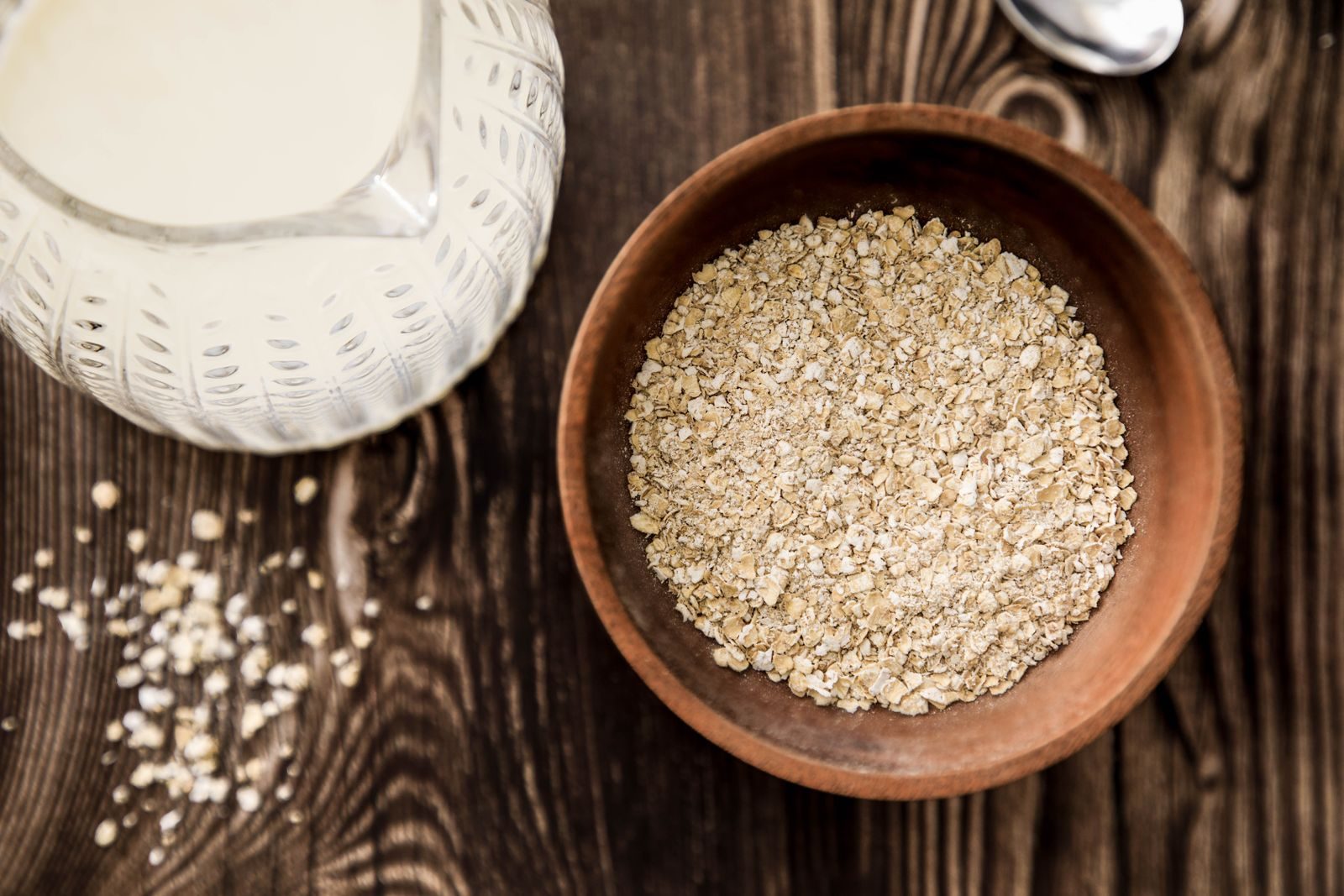
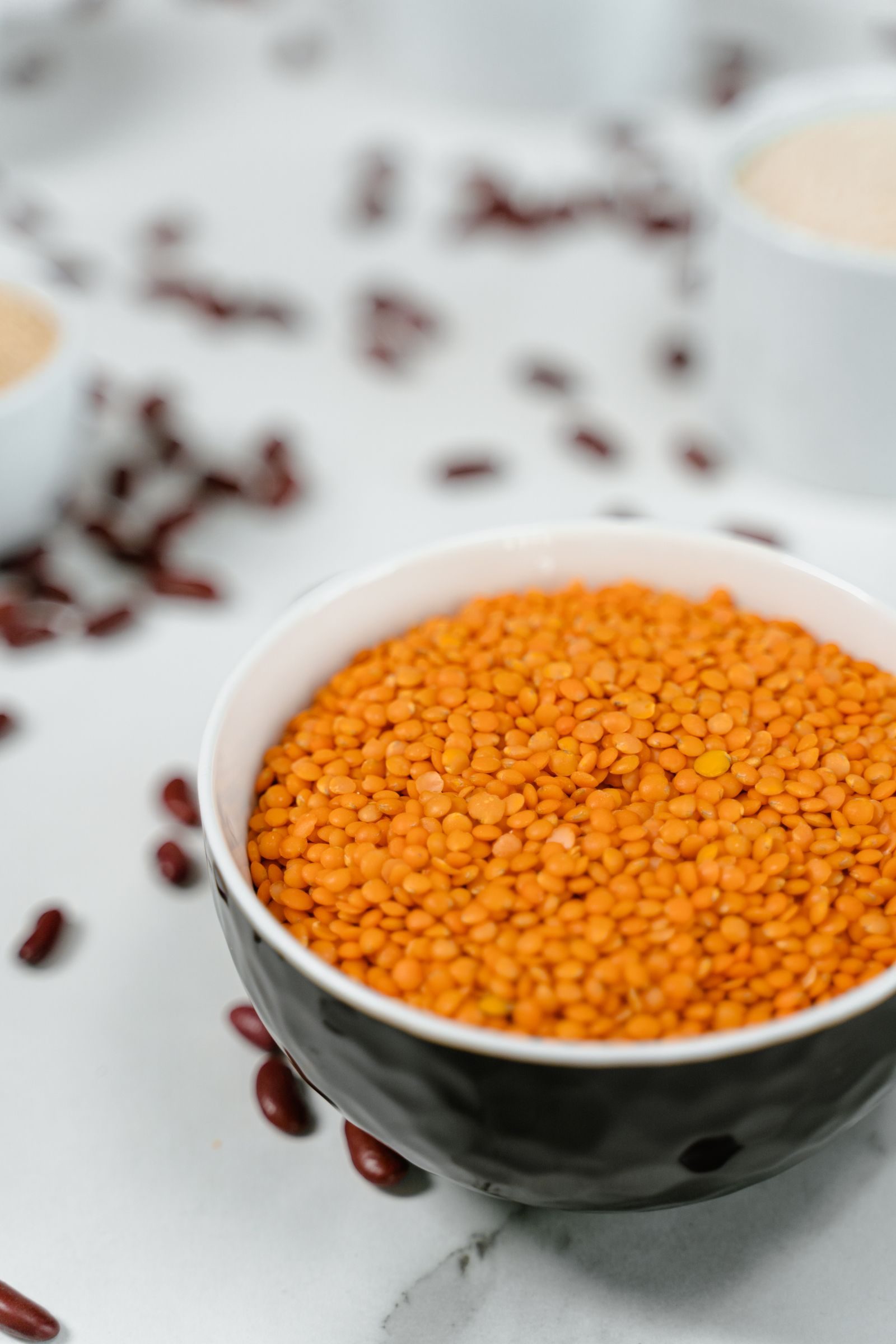
Fibre serves as food for the flora: it is what puts the gut bacteria to work. It is found in oats, barley, legumes such as lentils, chickpeas and beans, as well as in fruit and vegetables. Varying these sources, alongside your treatment, supports a balanced microbiome.


How colistimethate works
Colistimethate, also called colistin or polymyxin E, is a cationic peptide. It targets Gram-negative bacteria, whose outer membrane is lined with a lipopolysaccharide. Its positive charges bind to the lipid A of this lipopolysaccharide and displace calcium and magnesium, two divalent cations that stabilise the membrane. Deprived of these supports, the membrane is destabilised, its permeability increases and the bacterium dies.
This mechanism explains its specificity: it acts on the wall unique to Gram-negative bacteria, and not on others. It is a so-called bactericidal antibiotic, because it directly kills the bacterium instead of merely slowing its growth. This membrane-disrupting action makes it effective where other antibiotic families fail.
Why it is prescribed
Colistimethate is reserved for serious infections caused by multidrug-resistant Gram-negative bacilli. The organisms involved include Pseudomonas aeruginosa, Acinetobacter baumannii and carbapenem-resistant Enterobacteriaceae. These bacteria resist most common antibiotics, which makes them difficult to manage.
It serves as a last-line antibiotic: it is used when other treatments have failed. This particular place stems from its profile: it remains active against highly resistant organisms, but it requires careful monitoring. Its prescription belongs to a hospital or specialist setting, tailored to each infection.
How it is administered
Systemically, colistimethate is given by injection, intravenous or intramuscular, and not by mouth. The question of taking it with or without a meal therefore does not arise. In a patient whose renal function is normal, the reference dosage ranges from 2.5 to 5 mg/kg per day of colistin base, split into 2 to 4 administrations. After injection, the blood concentration declines with a half-life of 2 to 3 hours, which justifies this close rhythm.
There is also an inhaled form, Colobreathe, intended for chronic pulmonary infections caused by Pseudomonas aeruginosa in patients with cystic fibrosis from the age of 6. The schedule relies on one inhaled capsule twice a day, about 12 hours apart. Whatever the form, the treatment follows a precise schedule, and it is not stopped on one's own initiative: regularity determines effectiveness against resistant organisms.
The effects to know about
Nephrotoxicity is the most frequent and most concerning adverse effect of systemic colistimethate. It is probably dose-related and usually regresses when treatment is stopped. Kidney damage shows as a fall in urine output, a rise in blood urea and serum creatinine, and a fall in creatinine clearance. The official label also mentions abnormalities of electrolytes and acid-base balance, linked to this reduction in urine output.
The nervous system can also react during intravenous administration. Neurotoxicity occurs with an incidence of about 7 percent according to early studies. It manifests mainly through paraesthesia: tingling around the mouth, numbness of the extremities. These signs are most often transient and fade with adjustment of the treatment.
Interactions and monitoring
Combining colistimethate with other drugs toxic to the kidney, such as cephalothin sodium, can increase renal toxicity: these combinations are to be avoided. Colistimethate also potentiates the effect of curare-like drugs and other neuromuscular blocking agents, for example tubocurarine. The risk is a neuromuscular block that can extend to respiratory depression and apnoea, which calls for extreme caution during these combinations.
Follow-up rests on monitoring renal function. Urine output, blood urea, serum creatinine and creatinine clearance are checked throughout treatment. These parameters make it possible to detect kidney damage in time and to adjust the dose. Since nephrotoxicity is dose-dependent and regresses on stopping, this monitoring guides every decision.
Sources
Related molecules
To explore in the « Anti-infectives » family and its neighbours.
See the whole « Anti-infectives » family · Back to the atlas
Supplements to consider
Beyond the plate, a single isolated nutrient can be worth discussing, to confirm with your doctor or pharmacist. Here is which one and in which form.
Probiotics
Probiotics are live micro-organisms, mainly lactobacilli and bifidobacteria. The CFU count and the number of strains are among the selection criteria; gastro-resistant capsules protect the bacteria from stomach acidity.
Preferred form gastro-resistant capsules, several strains, CFU count stated
Frequently asked questions
What is colistimethate sodium used for?
Colistimethate sodium is an antibiotic from the polymyxin family (colistin, or polymyxin E), reserved for certain infections caused by resistant Gram-negative bacteria, notably Pseudomonas aeruginosa. It comes in an injectable form, an inhaled form (used in cystic fibrosis) and sometimes an oral form. For the exact indication that applies to you, refer to the package leaflet and to your doctor.
What are the side effects of colistimethate?
The package leaflet mainly notes effects on the kidneys and on the nervous system (tingling, dizziness, altered sensation). The inhaled form may cause coughing, throat irritation and breathing discomfort. This list is not exhaustive: read the package leaflet and report any effect to your doctor or pharmacist.
Does colistimethate interact with other medications?
The package leaflet flags caution with other medicines that can affect the kidneys or neuromuscular function, such as certain antibiotics and muscle relaxants. Only a professional can assess your situation: tell your doctor or pharmacist about all the treatments you are currently taking, including over-the-counter ones.
Can you take colistimethate during pregnancy or breastfeeding?
Pregnancy and breastfeeding are among the situations that call for individual medical advice before any treatment with colistimethate. Do not start or continue this medicine in this context without discussing it with your doctor, and refer to the package leaflet.
What should you do about a missed dose or stopping colistimethate antibiotic treatment?
What to do if you miss a dose is set out in the package leaflet, and an antibiotic treatment should not be stopped on your own initiative, even if you feel better. For any question about the duration or a missed dose, speak to your doctor or your pharmacist.
How can you support your gut flora during antibiotic treatment?
Studies associate taking antibiotics with a disruption of the gut flora and with what is known as antibiotic-associated diarrhea. Research links the use of probiotics, in the form of documented strains such as Saccharomyces boulardii or lactobacilli, to supporting intestinal balance in this context. A pharmacist can guide you toward a suitable form and the right time to take it relative to the antibiotic.
Ces réponses portent sur le volet nutritionnel. Pour toute question sur votre médicament, la notice et votre médecin ou pharmacien font foi.