Cilastatin
antibiotic
Third-party optionBy the Layer Nutrition editorial team
What this medicine is for
Cilastatine appartient à la catégorie « antibiotique ». Les antibiotiques traitent les infections dues à des bactéries. Ils se prennent en cure, sur une durée définie, jusqu'au bout de la prescription.
Pour Cilastatine en pratique : Associée à un antibiotique (imipénem) pour prolonger son action. Son usage est en général limité dans le temps, ajusté à la situation.
Under which brands it is found
En France, on recense environ 8 présentations remboursables contenant Cilastatine. On la trouve sous plusieurs noms de marque et en génériques.
- Imipenem Cilastatine Panpharma
- Imipenem Cilastatine Viatris
- Imipenem/Cilastatine Acs Dobfar
- Imipenem/Cilastatine Arrow
- Imipenem/Cilastatine Hikma
- Imipenem/Cilastatine Sun
- Imipenem/Cilastatine Tamrisa
- Recarbrio
Original brand-name products and generics deliver the same active substance; the choice between them is made with your doctor or pharmacist.
On your plate: supporting the gut flora
A course of imipenem/cilastatin targets the bacteria responsible for the infection, but it also affects some of those that populate the gut. Food helps maintain this ecosystem, with foods rich in live cultures and in fibre.
Fermented foods provide live cultures that take part in the balance of the flora. Plain yoghurt remains the simplest and most regular source to keep up day after day. Aged cheese also contains them. Built into ordinary meals, these foods sustain a varied bacterial presence in the gut.
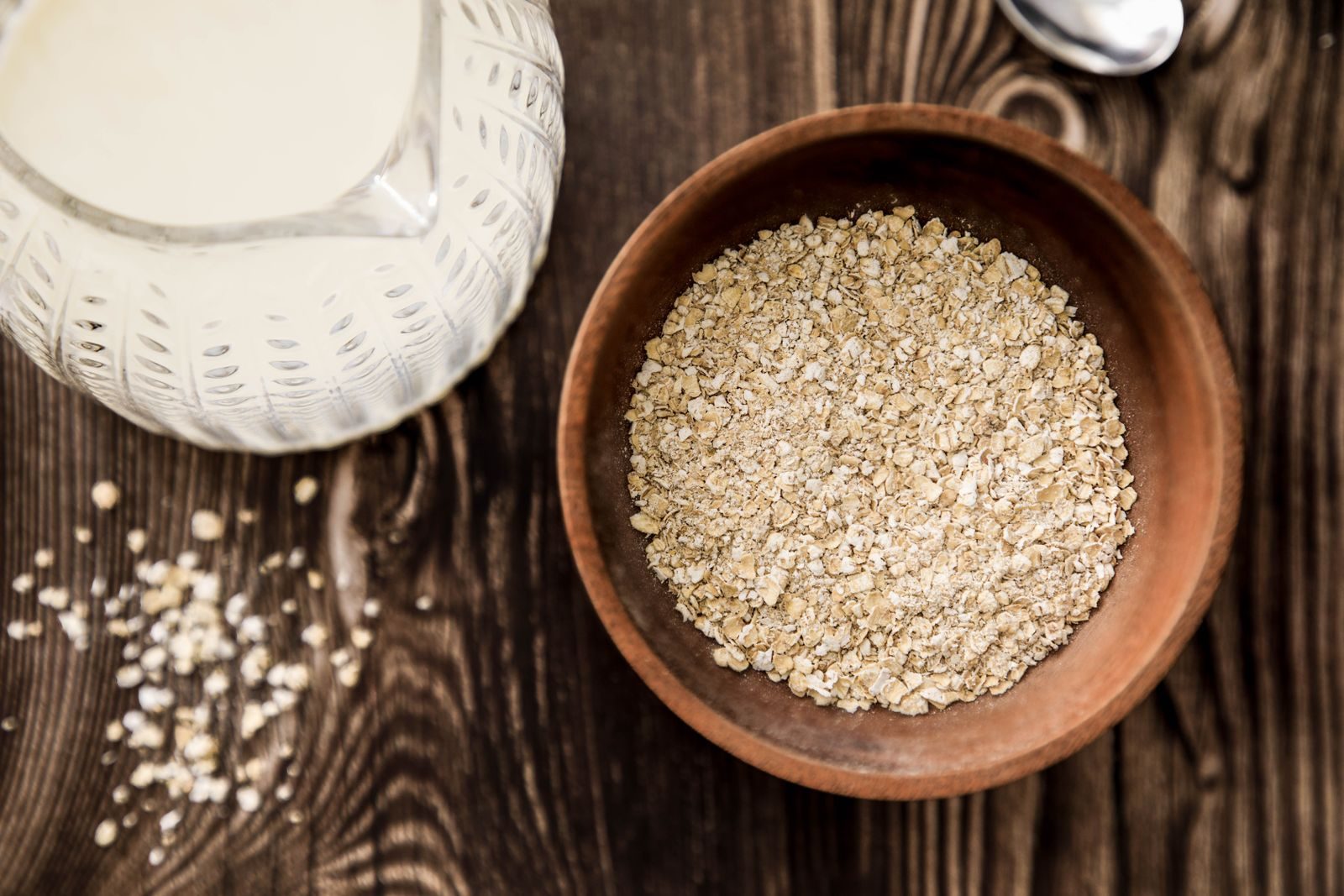
Fibre serves as food for the beneficial bacteria of the colon. It is found in oats, barley, pulses such as lentils, chickpeas and beans, as well as in bananas and wholegrain cereals. Varying these sources over the course of the week supports the flora, in addition to your treatment.



How cilastatin works
Cilastatin does not act against bacteria. It is always given together with imipenem, an antibiotic in the carbapenem family. When imipenem circulates on its own, a kidney enzyme called dehydropeptidase I breaks it down, leaving low concentrations in the urine. Cilastatin inhibits precisely this enzyme.
By blocking dehydropeptidase I, cilastatin prevents the kidney from destroying imipenem. The antibiotic then remains active in the body for longer and reaches concentrations high enough to work, including in the urine. Its role comes down to protecting and prolonging the action of imipenem, not to fighting the infection itself.
Why and how it is given
The imipenem/cilastatin combination treats certain serious bacterial infections. The active antibiotic component, imipenem, belongs to the carbapenems, a broad-spectrum class. The medicine is given by infusion into a vein: 500 mg is delivered over 20 to 30 minutes, 1000 mg over 40 to 60 minutes. The intramuscular route is also possible.
The infusions are repeated every 6 to 8 hours, on a regular schedule set by the care team. The plasma half-life of each of the two components is about 1 hour, which explains the closely spaced doses. Elimination is renal: about 70 % of imipenem is found in the urine within 10 hours. This treatment is given in hospital and follows the duration decided by the doctor, without stopping early.
The side effects to be aware of
In adults, the most common side effects are the following. Phlebitis, an inflammation of the infused vein, affects 3.1 % of patients. Next come nausea (2.0 %), diarrhoea (1.8 %), vomiting (1.5 %) and skin rash (0.9 %). Seizures are rarer, at 0.4 %.
Like most antibiotics, imipenem/cilastatin can upset the gut flora and trigger Clostridioides difficile diarrhoea. Its severity varies, from mild diarrhoea to colitis that can be fatal. Diarrhoea that persists or worsens during or after treatment warrants medical advice.
Kidneys, seizures and laboratory tests
The risk of seizures increases when the kidneys function poorly. Adults whose creatinine clearance is less than or equal to 30 mL/min, whether on dialysis or not, have a higher risk of seizures than people with normal kidney function. The dose is therefore adjusted according to kidney status, and kidney function is monitored during treatment.
Treatment can alter several blood parameters. A drop in sodium, a rise in potassium and chloride, an increase in liver enzymes (ALT, AST, alkaline phosphatase), a rise in eosinophils and platelets, or a fall in haemoglobin and haematocrit are sometimes observed. The medicine itself provides sodium: the 500 mg form contains 37.5 mg per dose. Blood tests accompany the follow-up.
Drug interactions
Two combinations bear on the risk of seizures. With ganciclovir, an antiviral, generalised seizures have been reported in patients receiving both medicines at the same time. With valproic acid or divalproex sodium, the carbapenem lowers valproate concentrations, which causes loss of seizure control and increases the epileptic risk.
Probenecid affects the fate of imipenem: taken at the same time, it increases the plasma level and half-life of the antibiotic. These interactions make it important to give the care team the complete list of current treatments. Follow-up combines clinical monitoring, dose adjustment and laboratory tests.
Sources
Related molecules
To explore in the « Anti-infectives » family and its neighbours.
See the whole « Anti-infectives » family · Back to the atlas
Supplements to consider
Beyond the plate, a single isolated nutrient can be worth discussing, to confirm with your doctor or pharmacist. Here is which one and in which form.
Probiotics
Probiotics are live micro-organisms, mainly lactobacilli and bifidobacteria. The CFU count and the number of strains are among the selection criteria; gastro-resistant capsules protect the bacteria from stomach acidity.
Preferred form gastro-resistant capsules, several strains, CFU count stated
Frequently asked questions
What is cilastatin and what is it used for?
Cilastatin is not an antibiotic: it is combined with imipenem, an antibiotic from the carbapenem family. Its role is to block a kidney enzyme that would otherwise break down imipenem, so that the antibiotic stays active in the body. For the details of how it works, refer to the package leaflet and speak with your doctor or pharmacist.
Is cilastatin an antibiotic?
No. In the combination, imipenem is the antibiotic; cilastatin only serves to protect it from being broken down by the kidney. The two are used together in an injectable form. Your pharmacist or doctor can explain the role of each component.
What are the side effects of imipenem-cilastatin?
The package leaflet notably mentions digestive problems such as nausea, vomiting or diarrhoea, as well as reactions at the injection site. The full list and rarer effects are given in the leaflet. If you experience any troublesome or unexpected symptom, contact your doctor or pharmacist without delay.
Are there any drug interactions to be aware of with imipenem-cilastatin?
The package leaflet reports interactions, in particular with valproic acid (sodium valproate) and with ganciclovir. Tell your doctor about all the medicines you take, including those obtained without a prescription. What to do about it is a matter for the leaflet and for your doctor or pharmacist.
How is imipenem-cilastatin administered?
It is an injectable treatment, usually given intravenously in a hospital setting under medical supervision. The exact arrangements are decided by the care team and detailed in the package leaflet. Direct any question about administration to your doctor or pharmacist.
Why keep an eye on your gut flora while on an antibiotic like imipenem, and what can you consider on the nutrition side?
Imipenem is a broad-spectrum antibiotic, and studies link antibiotic treatments to an imbalance of the gut microbiome, which can show up as digestive problems. To support your gut flora during and after treatment, the active to consider is a probiotic, for example yeasts such as Saccharomyces boulardii or Lactobacillus-type strains, in capsule or sachet form. This nutrition point does not replace the advice of your doctor or pharmacist.
Ces réponses portent sur le volet nutritionnel. Pour toute question sur votre médicament, la notice et votre médecin ou pharmacien font foi.