Dalbavancine
antibiotic
Third-party optionBy the Layer Nutrition editorial team · How the atlas classifies the 664 molecules
What this medicine is for
Pharmacologically, Dalbavancin relates to the category “antibiotic”. Antibiotics treat infections caused by bacteria. They are taken as a course, over a set duration, until the end of the prescription.
Specifically, for Dalbavancin: Treats a bacterial infection. It is used rather occasionally or as a short course, to get through an episode.
Under which brands it is found
In France, about 4 reimbursable presentations containing Dalbavancin are recorded. It is found under several brand names and as generics.
- Dalbavancine Accord
- Dalbavancine Reig Jofre
- Dalbavancine Zentiva
- Xydalba
Original brand-name products and generics deliver the same active substance; the choice between them is made with your doctor or pharmacist.
On the plate: feeding the gut flora
Like other antibiotics given by the systemic route, dalbavancin can upset the gut flora and encourage diarrhoea. Food helps to maintain this flora and to give it fuel again, day after day, alongside your treatment.
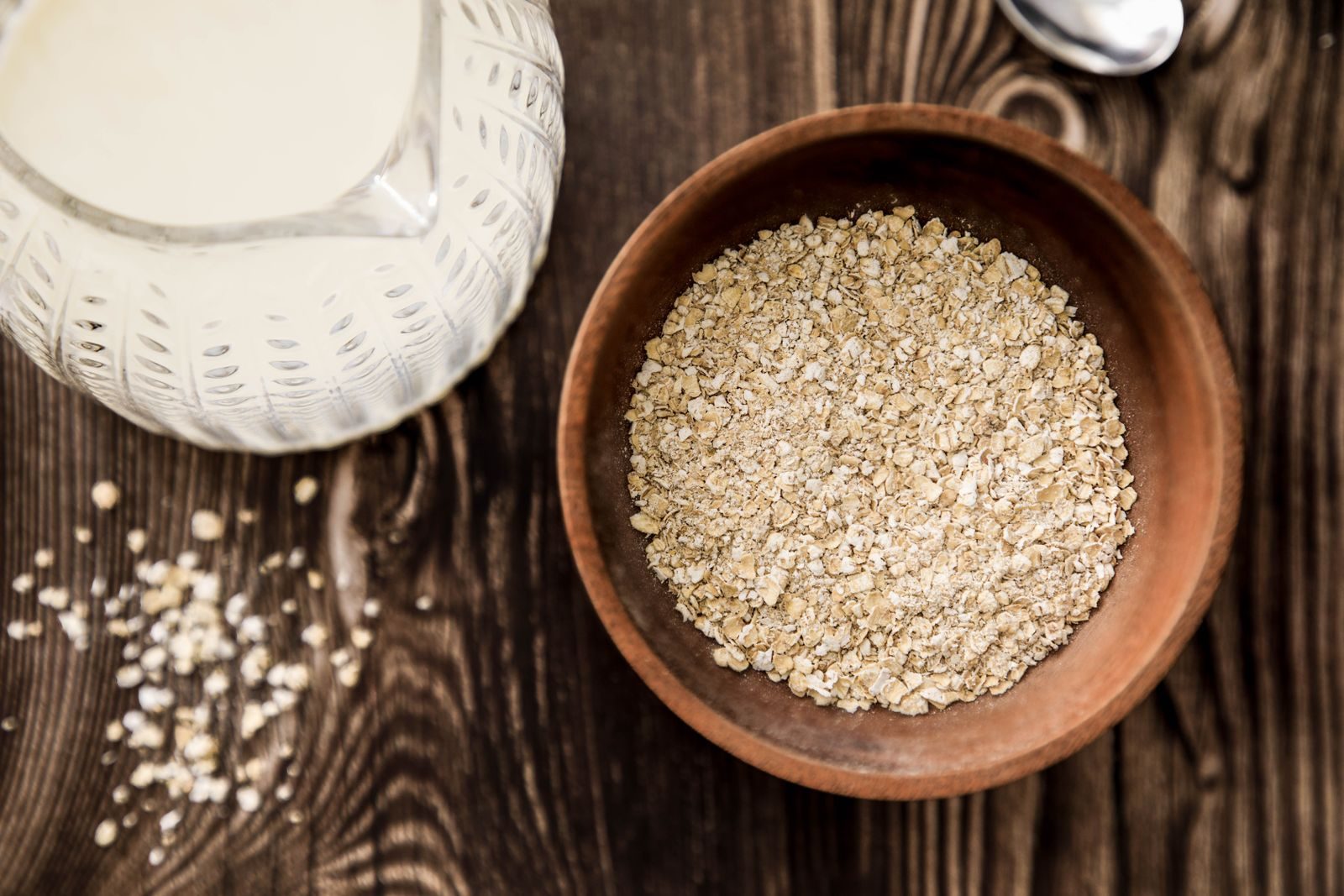
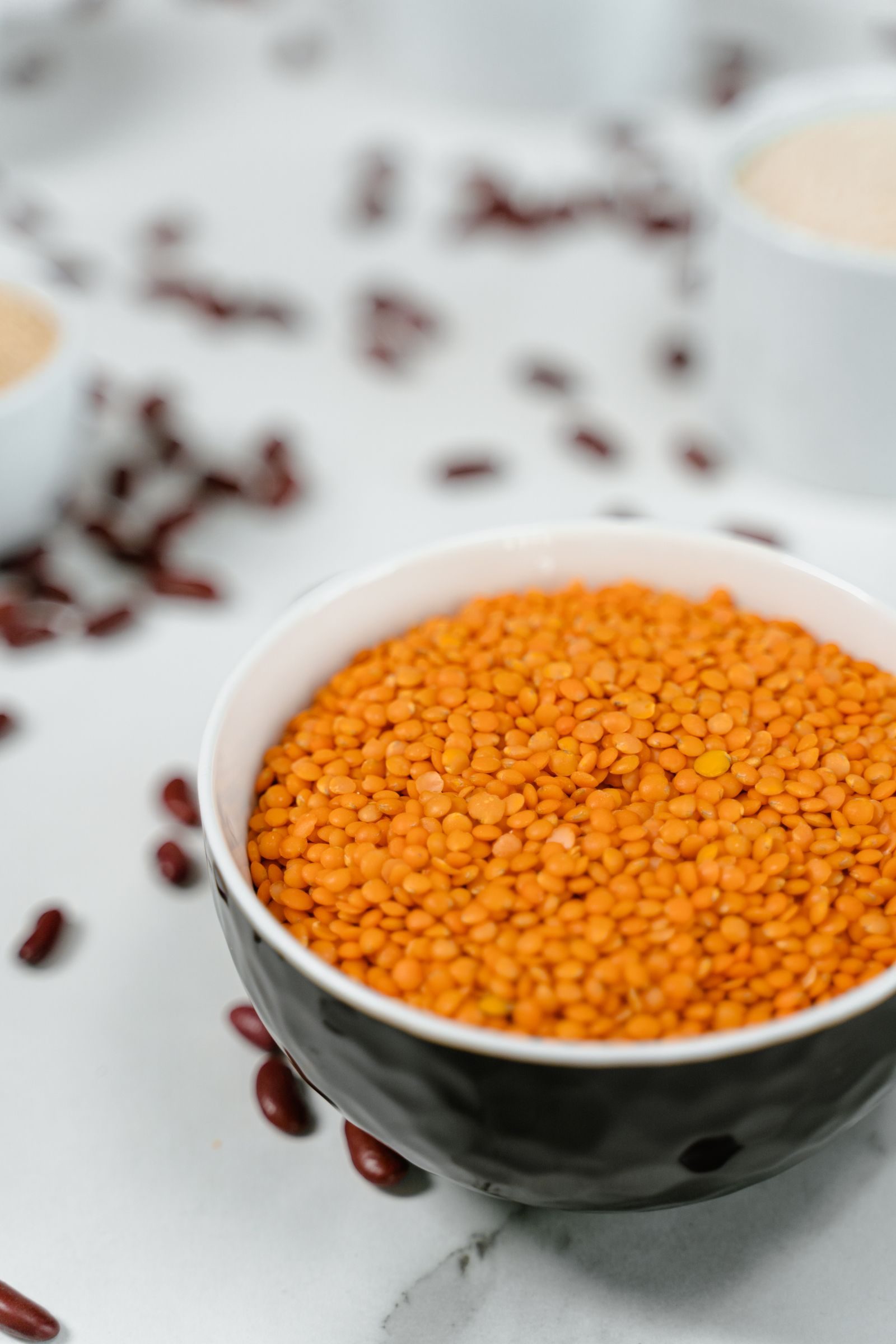
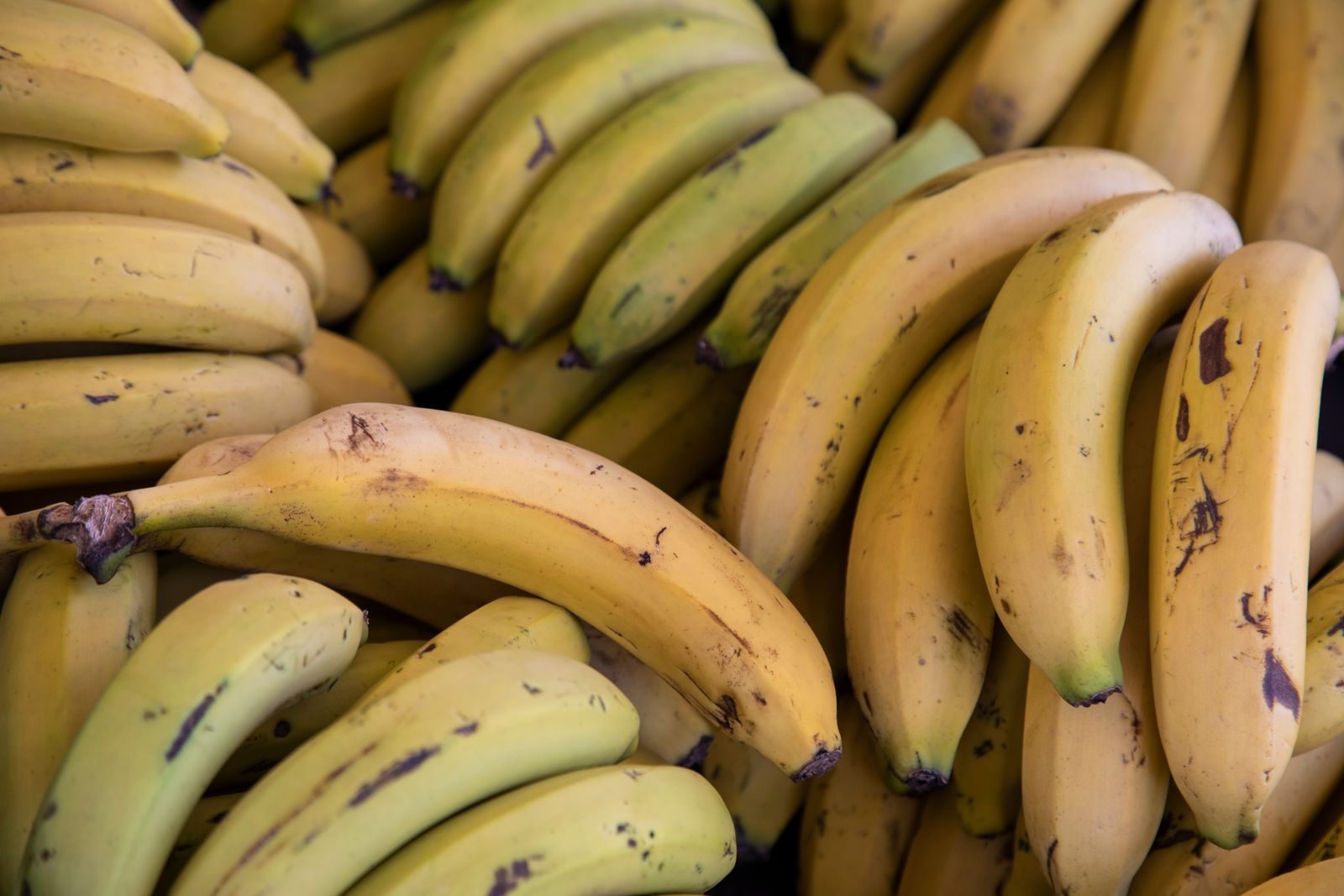
The helpful bacteria of the gut feed mainly on fibre. It is found in whole grains such as oats and barley, in legumes such as lentils, and in fruits such as the banana, rich in fermentable fibre. This fibre reaches the colon intact, where it serves as a substrate for the bacteria living there.
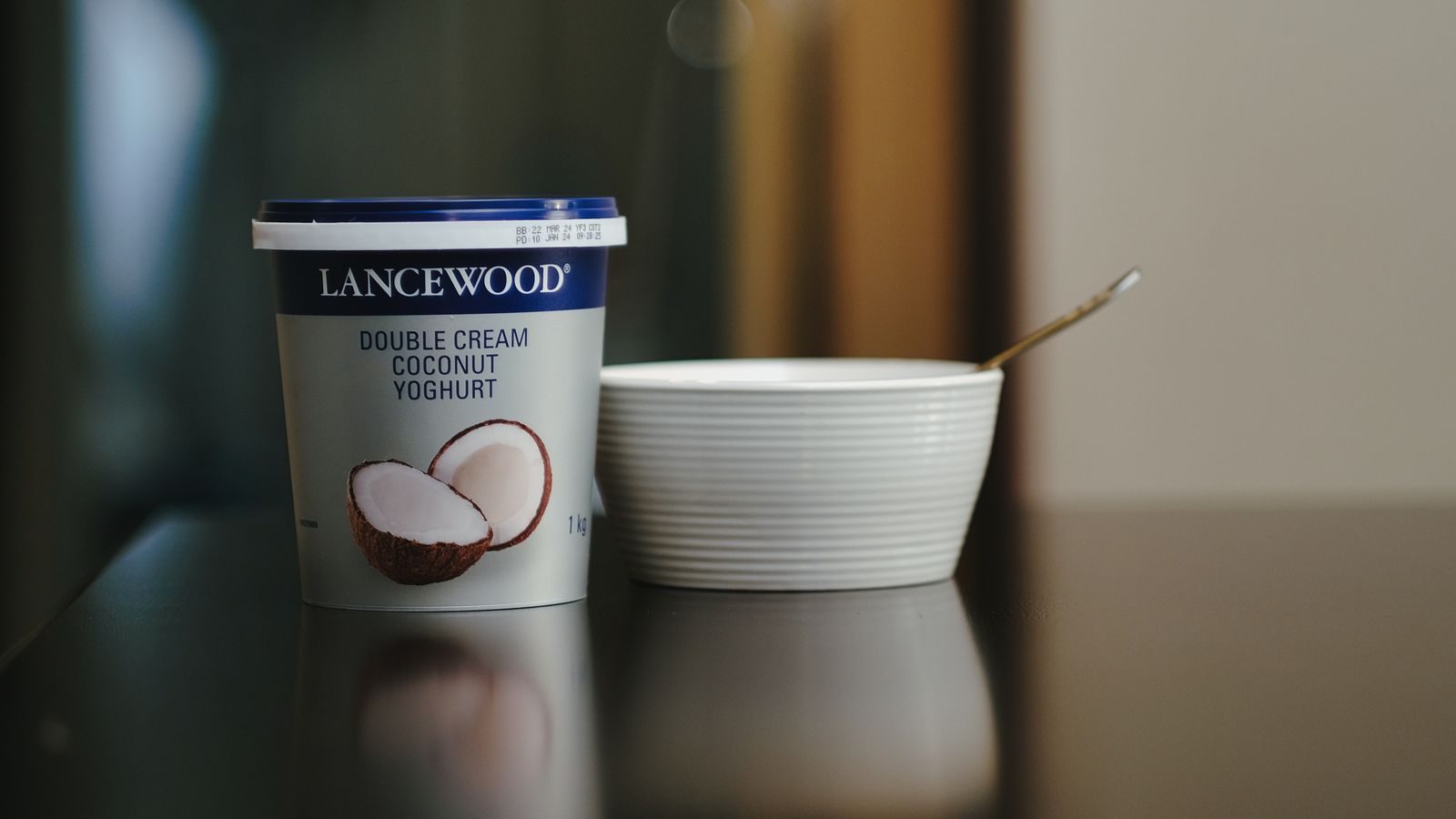
Fermented foods, for their part, provide living micro-organisms. Plain yoghurt, obtained by fermenting milk, is one of them and fits easily into a meal or a snack. Combining fibre and fermented foods every day maintains a varied intestinal environment during and after the treatment.
How dalbavancin works
Dalbavancin belongs to the lipoglycopeptide family. It targets the building of the bacterial wall, the rigid envelope that protects the bacterium and gives it its shape. In practical terms, it binds to the D-alanyl-D-alanine end of the pentapeptide of the nascent peptidoglycan, the basic building block of this wall. By occupying this end, it prevents the assembly of the chains.
This assembly relies on two reactions, transpeptidation and transglycosylation, which link the chains together to form a solid mesh. Dalbavancin blocks this cross-linking: the wall no longer closes and the bacterium does not withstand the internal pressure. In vitro, it proves bactericidal, meaning that it kills the bacteria, against Staphylococcus aureus and Streptococcus pyogenes.
Why it is prescribed
Dalbavancin is indicated in acute bacterial infections of the skin and soft tissues, referred to by the abbreviation ABSSSI. It is intended for adults as well as children, when the infection is due to susceptible Gram-positive bacteria. This group of bacteria shares a thick wall, precisely the target of the antibiotic.
Its spectrum covers Staphylococcus aureus, including strains resistant to methicillin, known as MRSA, which escape several common antibiotics. It also includes Streptococcus species and Enterococcus faecalis. This activity against germs that are sometimes difficult to treat explains its place in the management of severe skin infections.
How it is administered
Dalbavancin is given only by intravenous infusion, over thirty minutes, and never by the oral route. Two regimens coexist: a single dose of 1,500 mg, or a first injection of 1,000 mg followed by an injection of 500 mg one week later. Because the product is infused, the dose does not depend on meals.
This administration in one or two times is explained by a particular pharmacokinetics. The terminal half-life of the molecule reaches about 346 hours, with an effective half-life of about 8.5 days, that is 204 hours. The medicine therefore remains active for a long time after the infusion, which avoids daily dosing. When the two-injection regimen is chosen, the second-week appointment is part of the treatment and is not skipped.
Elimination and adjustment in case of renal impairment
In the blood, dalbavancin circulates bound to plasma proteins at about 93 percent, mainly to albumin. It is then eliminated by two routes: the urine, which removes about 33 percent of it in unchanged form, and the faeces, for about 20 percent. The renal share of this elimination justifies attention to kidney function.
When renal function is greatly reduced, with a creatinine clearance below 30 mL/min in a patient not on dialysis, the dose is lowered: 1,125 mg as a single dose, or 750 mg followed by 375 mg one week later. In people treated with regular haemodialysis, no adjustment is needed. These adjustments are the prescriber's decision, based on the renal assessment.
The effects to know about
The most frequent adverse effects in adults were quantified in the clinical trials. Nausea is noted in 5.5 percent of patients, headache in 4.7 percent, diarrhoea in 4.4 percent, vomiting in 2.8 percent, skin rash in 2.7 percent and itching in 2.1 percent. These disorders most often remain moderate.
The liver deserves particular monitoring. Among the patients whose level of ALT, a liver enzyme, was normal at the start, 17, that is 0.8 percent, saw this value exceed three times the upper limit of normal, including five above ten times; these elevations were reversible. In addition, an infusion that is too fast can trigger infusion-related reactions, such as flushing, hives, itching, a rash or back pain. Slowing down or stopping the infusion makes these symptoms subside.
Interactions and monitoring
Dalbavancin is neither a substrate, nor an inhibitor, nor an inducer of the isoenzymes of cytochrome P450, the enzyme system through which many medicines interact with one another. No formal drug interaction study has been conducted, and the potential for interaction with substrates, inhibitors or inducers of this cytochrome is judged to be minimal. The risk of interference with other treatments therefore appears low.
Vigilance concerns above all the digestive tract and the liver. Like almost all antibiotics by the systemic route, dalbavancin can encourage Clostridioides difficile diarrhoea, of variable intensity up to severe colitis, and this diarrhoea can appear more than two months after administration: any diarrhoea that persists after the treatment should be reported to the doctor. Monitoring of transaminases completes this surveillance, echoing the liver elevations observed.
Sources
Related molecules
To explore in the « Anti-infectives » family and its neighbours.
See the whole « Anti-infectives » family · Back to the atlas
Supplements to consider
Beyond the plate, a single isolated nutrient can be worth discussing, to confirm with your doctor or pharmacist. Here is which one and in which form.
Probiotics
Probiotics are live micro-organisms, mainly lactobacilli and bifidobacteria. The CFU count and the number of strains are among the selection criteria; gastro-resistant capsules protect the bacteria from stomach acidity.
Preferred form gastro-resistant capsules, several strains, CFU count stated
Frequently asked questions
What is dalbavancin used for?
Dalbavancin is an antibiotic in the lipoglycopeptide family, used to treat certain acute bacterial infections of the skin and soft tissue caused by Gram-positive bacteria. It is given in a hospital setting. For your specific situation, refer to the package leaflet and to your doctor or pharmacist.
What are the side effects of dalbavancin?
The package leaflet notably lists nausea, headache and diarrhoea; infusion-related reactions or raised liver enzymes are also described. This list is not exhaustive: read the package leaflet and report any symptom to your doctor or pharmacist.
How is dalbavancin given?
Dalbavancin is given by intravenous infusion, carried out in hospital, as one or two doses depending on the prescription. The exact schedule and timing are for your doctor to decide: refer to the package leaflet and to the care team.
Dalbavancin and alcohol or other medicines: are there any interactions?
The drug interactions described for dalbavancin are few, but any combination as well as alcohol use should be assessed on a case-by-case basis. Report all of your treatments and ask your doctor or pharmacist for advice, using the package leaflet as a reference.
Can you have dalbavancin during pregnancy or breastfeeding?
During pregnancy or breastfeeding, dalbavancin is used only if the doctor judges it necessary, after weighing the benefit-risk balance. Tell your doctor or pharmacist about your condition and refer to the package leaflet.
Can an antibiotic like dalbavancin upset your gut flora, and do probiotics help?
Studies link antibiotic treatments to disturbances of the gut microbiota. In this context, the active ingredient to consider is a probiotic in the form of live strains or lactic ferments, for example lactobacilli or a yeast such as Saccharomyces boulardii, chosen as a single strain. It is common practice to space out the probiotic from the antibiotic and to discuss it with your doctor or pharmacist.
Ces réponses portent sur le volet nutritionnel. Pour toute question sur votre médicament, la notice et votre médecin ou pharmacien font foi.