Isoniazide
antituberculeux
Third-party optionBy the Layer Nutrition editorial team · How the atlas classifies the 664 molecules
What this medicine is for
Pharmacologically, Isoniazid relates to the category “antituberculosis agent”. This medicine belongs to the “Anti-infectives” field. Its indication is precise and set by the prescription.
In the case of Isoniazid, this means: Treats tuberculosis. How it is used is determined case by case with the professional who prescribes it.
Under which brands it is found
In France, about 3 reimbursable presentations containing Isoniazid are recorded. It comes under various trade names and in generic form.
- Rifater
- Rifinah
- Rimifon
Original brand-name products and generics deliver the same active substance; the choice between them is made with your doctor or pharmacist.
On the plate: vitamin B6
On isoniazid, vitamin B6 (also called pyridoxine) is the nutrient to keep in mind: at high doses, the treatment can affect the nerves, and vitamin B6 acts as a counterweight. Food helps supply it every day, in addition to your treatment, never in its place.
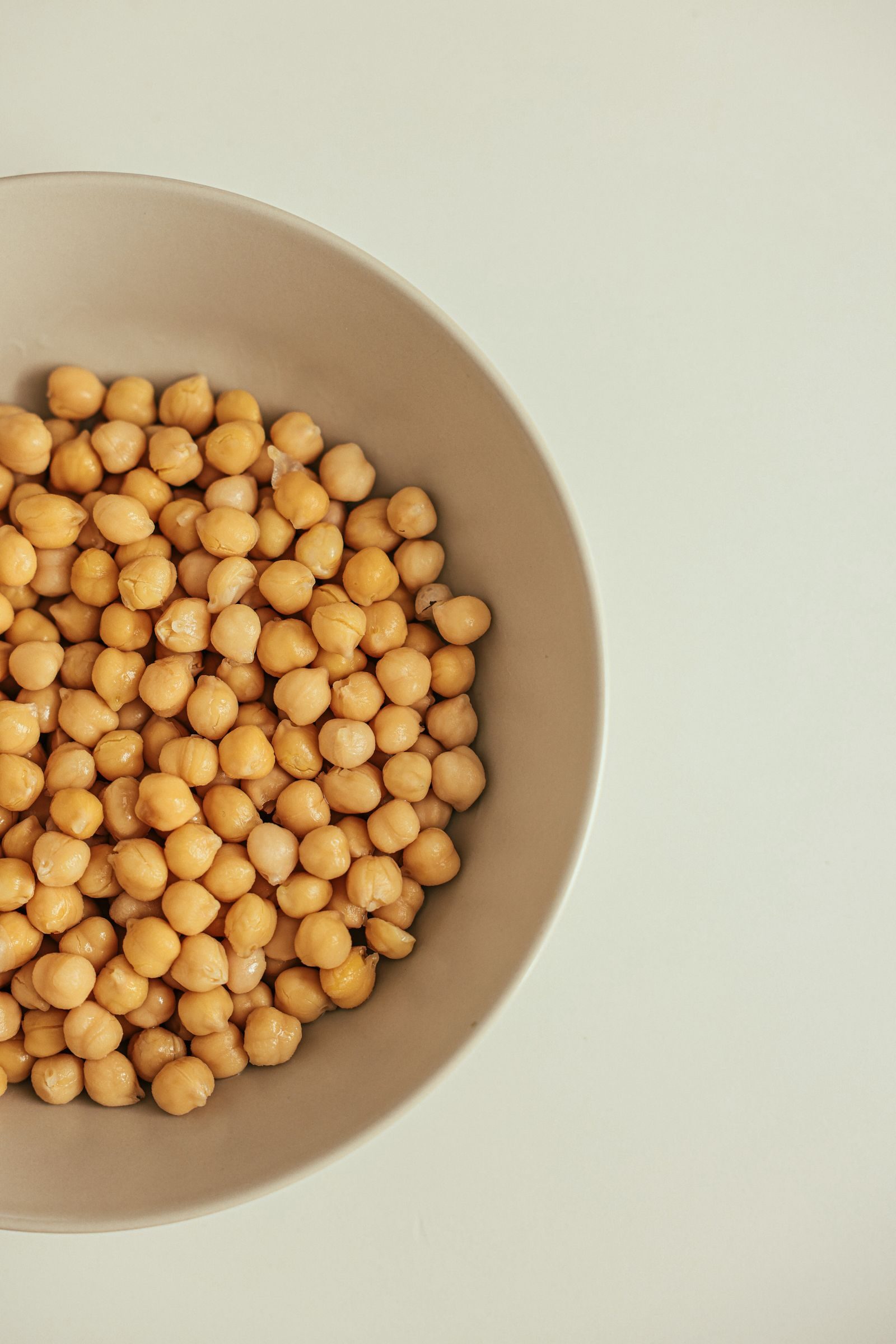
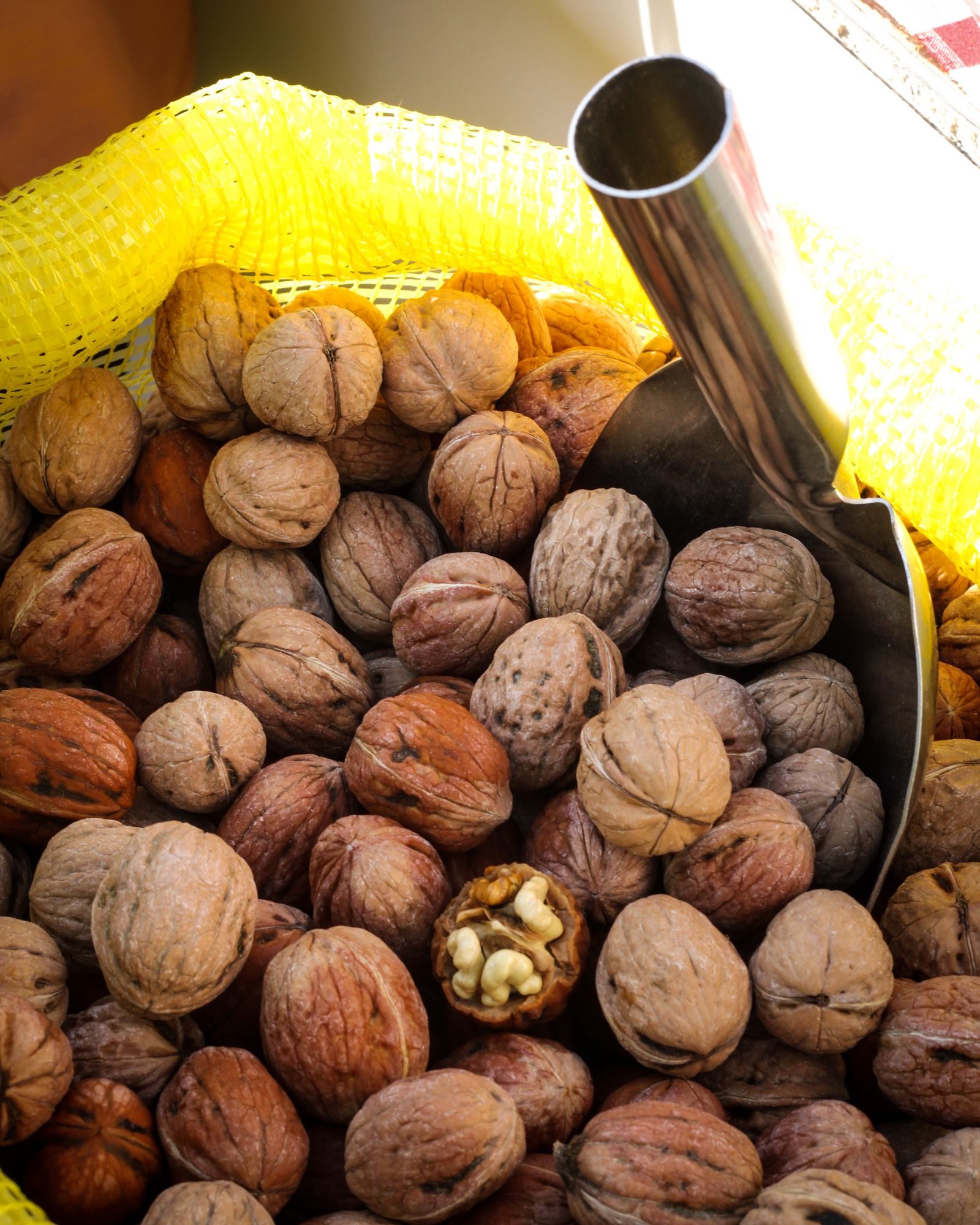
Vitamin B6 is spread across several food groups. From the sea, salmon is a good source. It is also found in bananas, in legumes such as dried beans and chickpeas, in beef and pork, in nuts, in poultry, as well as in whole grains and fortified cereals. Varying these foods from one meal to the next covers your intake without any particular effort.
Some foods, on the other hand, call for caution during treatment. It is best to avoid those very high in tyramine or histamine: certain aged cheeses, red wine and some fish such as tuna, which can trigger a reaction. The rest of the plate keeps its place, and the sources of vitamin B6 mentioned above are not among them.


How isoniazid works
Isoniazid is an antitubercular drug and a prodrug: it must be activated to become effective. This activation is carried out by an enzyme of the bacterium itself, the catalase-peroxidase KatG of Mycobacterium tuberculosis. Once activated, isoniazid forms radicals and adducts that block the production of mycolic acids, the lipids that make up the mycobacterial wall. Deprived of these building blocks, the bacterium can no longer build its wall, which makes the agent bactericidal.
Beyond the wall, isoniazid also inhibits the synthesis of lipids and DNA in Mycobacterium tuberculosis. Its action is concentrated on this bacterium, which explains its targeted use against tuberculosis. Chemically, it is a small molecule with the formula C6H7N3O. This precise blockade of mycobacterial wall construction makes it one of the pillars of antitubercular treatment.
Why isoniazid is prescribed
Isoniazid is used in two situations. In active tuberculosis caused by Mycobacterium tuberculosis, the disease is manifest: isoniazid is then used in combination with other antitubercular drugs. In latent tuberculosis, the bacterium is present but dormant and does not cause disease: isoniazid is used alone, as prevention, to keep the infection from reactivating.
The usual dose in adults is 5 mg per kilogram, up to 300 mg per day, in a single intake. The choice between monotherapy and combination therefore depends on the context, latent tuberculosis or active tuberculosis. In both cases, the treatment lasts over time and is managed with a physician.
How to take it day to day
Isoniazid is taken orally, on an empty stomach, without food: its bioavailability decreases when it is given with food. It is therefore preferable to take it away from meals. Taking the tablet at roughly the same time on each day of intake helps maintain a steady concentration in the blood.
Consistency is what makes the antitubercular treatment effective, and it runs over several months. You do not stop it on your own initiative: the decision to stop or adjust rests with the physician, in particular based on the results of liver monitoring. A missed dose or an early stop exposes you to the risk of failure and resistance.
Metabolism through acetylation and the liver
Isoniazid is eliminated after being acetylated, a reaction carried out by the enzyme N-acetyltransferase 2 (NAT2). This acetylation occurs at variable rates depending on the person: a distinction is made between fast acetylators and slow acetylators. The risk of liver injury is higher in slow acetylators, in carriers of N-acetylation variants, and in the case of an abnormality of the CYP 2E1 enzyme. These genetic differences explain why the same drug is better or less well tolerated from one patient to another.
Liver damage is the most closely monitored effect. The treatment causes a transient rise in transaminases in 10 to 20 % of patients, exceeding 5 times the normal in 3 to 5 % of them, most often without symptoms. StatPearls describes mild liver injury in up to 20 % of patients and severe injury in about 1 %. Acute hepatitis with jaundice occurs in 0.5 to 1 % of patients and proves fatal in 0.05 to 0.1 % of cases; this risk increases with age, from about 0.5 % between 20 and 35 years to 1.5 % between 35 and 50 years, and more than 3 % beyond 50 years.
Nerves, vitamin B6 and drug-induced lupus
Peripheral neuropathy affects fewer than 0.2 % of patients on isoniazid, but high doses can promote it. It is preventable by the joint administration of pyridoxine, vitamin B6. In practice, pyridoxine is given with isoniazid at a dose of 25 to 50 mg per day, raised to 100 mg per day in patients who already have neuropathy. Vitamin B6 is therefore the nutrient directly linked to this treatment.
Another effect, rarer, is drug-induced lupus, which occurs in up to 1 % of patients on isoniazid. It is a reaction that generally regresses when the responsible drug is stopped. Knowing about these effects, nerves, vitamin B6 and lupus, makes it possible to tell what stems from the treatment and what is worth discussing with the physician.
Interactions and monitoring
Isoniazid alters the effect of several drugs. It increases the plasma concentration of phenytoin, which requires a dose adjustment, and it inhibits the metabolism of carbamazepine and theophylline, whose concentration and toxicity increase; an increase in the toxicity of paracetamol is also reported. As for food, you should avoid foods and drinks very high in tyramine or histamine, such as certain cheeses, red wine and some fish such as tuna, because of a risk of reaction.
Laboratory monitoring frames the treatment. Before starting, AST, ALT, bilirubin, alkaline phosphatase, serum creatinine and platelets are measured in adults; transaminases are rechecked 2 to 4 weeks after the start in at-risk patients. Isoniazid is stopped in the event of any confirmed rise in ALT above 5 times the upper limit of normal, or above 3 times in the presence of symptoms. Monthly biochemical monitoring is advised in high-risk patients, age over 50 years or pre-existing liver disease.
Sources
Related molecules
To explore in the « Anti-infectives » family and its neighbours.
See the whole « Anti-infectives » family · Back to the atlas
Supplements to consider
Beyond the plate, a single isolated nutrient can be worth discussing, to confirm with your doctor or pharmacist. Here is which one and in which form.
Vitamin B6 (pyridoxine)
Vitamin B6 is a water-soluble vitamin of the B group, involved in the metabolism of amino acids, the formation of neurotransmitters and the functioning of the nervous system. As a supplement, a single active ingredient at a useful dose is enough; the active form P-5-P (pyridoxal-5-phosphate) can be used directly by the body. High and prolonged intakes of pyridoxine are to be avoided.
Preferred form P-5-P (pyridoxal-5-phosphate) preferably, at a moderate dose; avoid high, prolonged doses
Frequently asked questions
What is isoniazid used for?
Isoniazid is an anti-tuberculosis antibiotic, used to treat and prevent tuberculosis. It is often combined with other TB drugs within a single regimen. For your specific situation, refer to the leaflet and to your doctor or pharmacist.
What are the side effects of isoniazid?
The public patient leaflet notably mentions liver damage and neurological problems, such as tingling or numbness in the extremities. The full list and the warning signs to watch for are set out in the leaflet. At the slightest unusual symptom, speak to your doctor or pharmacist.
Can you drink alcohol while taking isoniazid?
Drinking alcohol is not advised with isoniazid, as it can increase the risk of liver damage noted in the leaflet. The precise terms depend on your personal treatment. Discuss this point with your doctor or pharmacist.
Isoniazid and pregnancy or breastfeeding: what precautions apply?
Use during pregnancy or breastfeeding is assessed case by case, weighing the benefit against the risk. The leaflet details the precautions to be aware of. This decision rests with your doctor, who should be told of any current or planned pregnancy.
Why is vitamin B6 (pyridoxine) taken with isoniazid?
Studies link isoniazid to a disruption of vitamin B6 (pyridoxine) metabolism in the body. This is the active ingredient classically associated with this medicine in the literature. Monitoring and the course of action are the responsibility of the doctor overseeing the treatment.
What form of vitamin B6 to consider, and should levels be monitored?
The active ingredient to consider is vitamin B6, in the form of pyridoxine (pyridoxine hydrochloride) or pyridoxal-5-phosphate (P5P), its active form. A blood test for vitamin B6 levels may be discussed depending on the context. Any assessment of nutritional status and its monitoring are decided with your doctor.
Ces réponses portent sur le volet nutritionnel. Pour toute question sur votre médicament, la notice et votre médecin ou pharmacien font foi.