Tigécycline
antibiotic
Third-party optionBy the Layer Nutrition editorial team · How the atlas classifies the 664 molecules
What this medicine is for
Tigecycline belongs to the “antibiotic” category. Antibiotics treat infections caused by bacteria. They are taken as a course, over a set period, to the end of the prescription.
Specifically, for Tigecycline: Treats a bacterial infection. It is used rather occasionally or as a short course, to get through an episode.
Under which brands it is found
In France, about 4 reimbursable presentations containing Tigecycline are recorded. It is found under several brand names and as generics.
- Tigecycline Accord
- Tigecycline Hikma
- Tigecycline Viatris
- Tygacil
Original brand-name products and generics deliver the same active substance; the choice between them is made with your doctor or pharmacist.
On the plate: easing digestion and feeding the gut flora
Tigecycline often causes digestive upset: nausea, vomiting and diarrhoea are among its most common effects. During and after treatment, food helps support digestive comfort and maintain the gut flora.
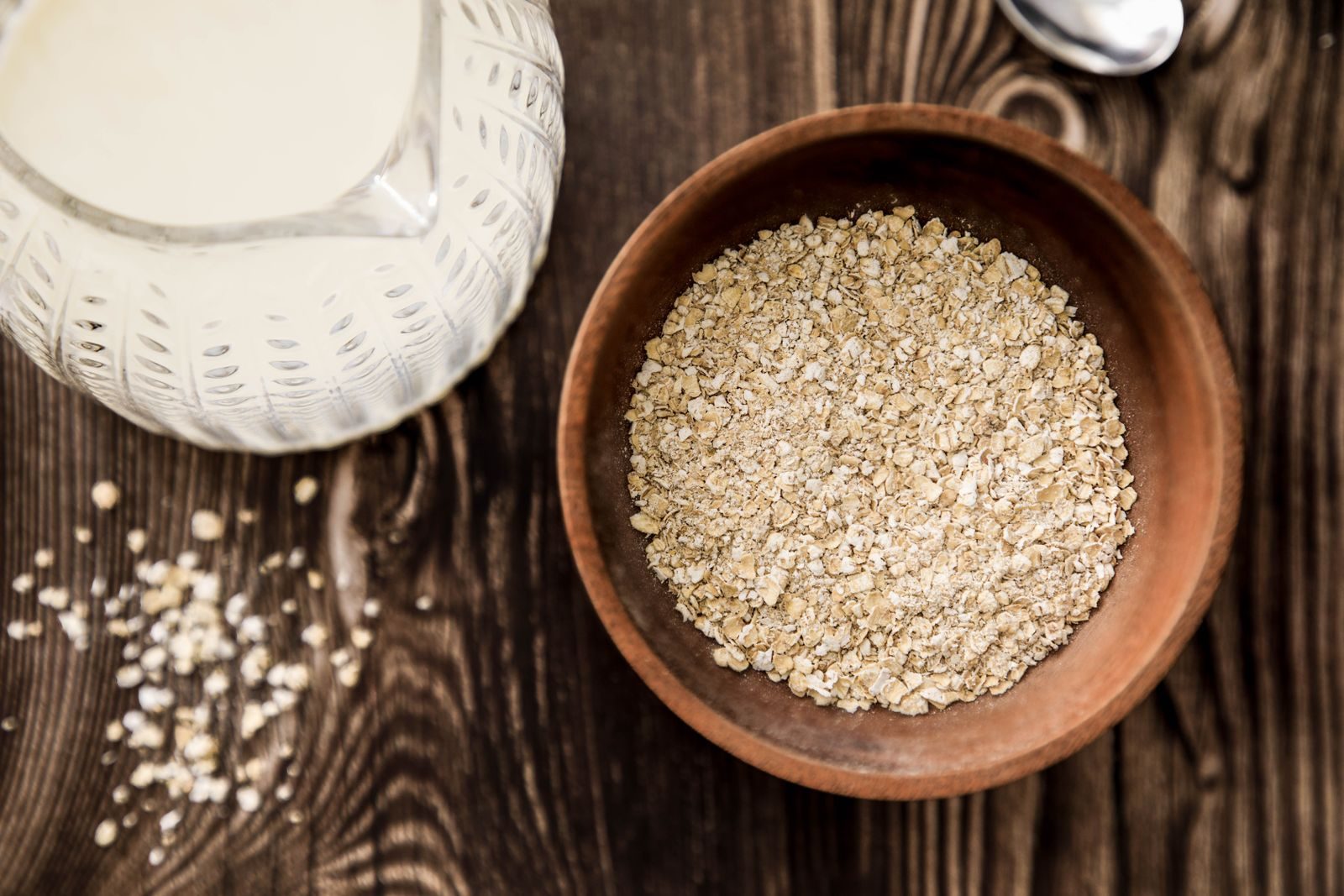
Fermented foods provide live cultures, with plain yoghurt at the front of the line. To feed the good bacteria in the colon, rely on the fibre in whole grains such as oats and barley, and on legumes: lentils, beans, chickpeas. This fibre serves as food for the flora and extends the work of the cultures.
When the stomach turns, simple, gentle foods go down more easily: the banana, brown rice, sweet potato, potato. Splitting meals into smaller portions and returning to these easy-to-digest basics helps keep up your appetite, alongside your treatment.



How tigecycline works
Tigecycline is a glycylcycline, a class derived from the tetracyclines. It comes from minocycline, in the form of a 9-t-butylglycylamido derivative. Its role is to block the production of the proteins that the bacterium needs to live and multiply. To do this, it binds reversibly to the H34 helical region of the 30S subunit of the ribosome, the machine that assembles proteins. This binding prevents aminoacyl-tRNA from entering the ribosome's A site, and synthesis stops.
Its affinity for the ribosome is about five times greater than that of the classic tetracyclines. This firmer anchoring allows it to bypass the two main mechanisms of tetracycline resistance: the efflux pumps that expel the antibiotic from the bacterium, such as tet(A), and ribosomal protection, such as tet(M). In practice, it is generally bacteriostatic: it blocks the multiplication of bacteria rather than destroying them directly.
Why it is prescribed
Tigecycline is intended for adults aged 18 and over. It is indicated for complicated skin and soft-tissue infections, complicated intra-abdominal infections and community-acquired bacterial pneumonia. It is not indicated for diabetic foot infections, nor for hospital-acquired or ventilator-associated pneumonia. Its scope of prescription is therefore precise and limited.
Its use remains tightly controlled. It carries a boxed warning, the strongest form of alert: in a meta-analysis of the trials, all-cause mortality was higher with tigecycline than with the comparator treatments, at 4.0% versus 3.0%, a risk difference of 0.6%. It must be reserved for situations where no other appropriate option exists. It is a last-resort antibiotic, prescribed and administered in hospital.
How it is administered
Tigecycline is not taken by mouth. Its oral bioavailability is insufficient; it is given only by the intravenous route, as an infusion of 30 to 60 minutes every 12 hours. It is a medicine given by the care team, not a tablet that the patient manages themselves with or without food. Treatment takes place in a hospital setting, and its discontinuation is the doctor's decision.
The usual protocol begins with a loading dose of 100 mg, followed by 50 mg every 12 hours. In severe hepatic impairment, at the Child-Pugh C stage, the maintenance dose is lowered to 25 mg every 12 hours. No adjustment is needed in renal impairment, because elimination does not occur mainly through the kidney.
How it distributes and is eliminated
Tigecycline stays in the body for a long time. Its half-life is about 27 hours after a single 100 mg dose, and lengthens to about 42 hours after repeated doses of 50 mg every 12 hours. It distributes widely into the tissues, with a large volume of distribution of 7 to 10 litres per kilogram. Pharmacokinetic comparisons with other hospital antibiotics confirm this prolonged half-life and large volume of distribution.
Its elimination occurs mainly through the bile, in unchanged form. This route explains the liver's role in handling it, and justifies dose adjustment in severe hepatic impairment. The kidney, by contrast, plays little part, which removes the need to adjust the dose in renal impairment.
The effects to know about
The most common adverse effects are digestive. In the trials, nausea occurred in 26% of patients, vomiting in 18% and diarrhoea in 12%. These disturbances are partly explained by the kinship with the tetracyclines, and they affect a significant share of those treated.
Other common effects have been reported: headache in 6% of patients, abdominal pain in 6%, and elevation of ALT, a liver transaminase also called SGPT, in 5%. Hypoproteinaemia affected 5% of treated patients versus 3% with the comparator, and an increase in blood urea 3% versus 1%.
What the treatment requires monitoring
Several parameters are monitored during treatment. A fall in fibrinogen, or hypofibrinogenaemia, has been reported: the label requires measuring coagulation parameters, including fibrinogen, before starting, then regularly during treatment. The liver is also given particular attention, with increases in total bilirubin, prothrombin time and transaminases, and isolated cases of significant liver dysfunction and hepatic failure.
Cases of acute pancreatitis, some of them fatal, have occurred with tigecycline: discontinuation is considered as soon as a suspicion arises. After marketing, symptomatic hypoglycaemia was observed, in diabetic as well as non-diabetic patients, and hypocalcaemia is among the effects reported at a frequency below 2% in the trials.
Interactions and special situations
Tigecycline interacts with warfarin, an anticoagulant: concomitant use decreases its clearance by about 40% for R-warfarin and about 23% for S-warfarin. Prothrombin time, or another suitable anticoagulation test, must then be monitored. Like other antibacterials, it can also make oral contraceptives less effective.
A tetracycline class effect concerns forming tissues. Used during tooth development, that is during the second half of pregnancy, infancy and childhood up to 8 years of age, the molecule can permanently stain the teeth, in yellow-grey-brown shades, and reversibly slow bone growth. These effects rest on its binding to the calcium of forming tissues, which rules out its use in these situations.
Sources
Related molecules
To explore in the « Anti-infectives » family and its neighbours.
See the whole « Anti-infectives » family · Back to the atlas
Supplements to consider
Beyond the plate, a single isolated nutrient can be worth discussing, to confirm with your doctor or pharmacist. Here is which one and in which form.
Probiotics
Probiotics are live micro-organisms, mainly lactobacilli and bifidobacteria. The CFU count and the number of strains are among the selection criteria; gastro-resistant capsules protect the bacteria from stomach acidity.
Preferred form gastro-resistant capsules, several strains, CFU count stated
Frequently asked questions
What is tigecycline used for?
Tigecycline is an antibiotic in the glycylcycline family, used only in hospital and given intravenously. It is indicated for certain complicated infections, in particular of the skin, soft tissue and intra-abdominal infections, when other antibiotics are not suitable. For the indication that concerns you, refer to the package leaflet and to your doctor or pharmacist.
What are the side effects of tigecycline?
According to the package leaflet, the most commonly reported side effects are digestive, such as nausea, vomiting and diarrhoea. Other effects may occur. For the full list and what to do, read the leaflet and talk to your doctor or pharmacist.
How is tigecycline administered?
Tigecycline is given only as an intravenous infusion, in a hospital setting and under medical supervision. It is not a treatment you take on your own at home. The dosing schedule is set by the care team, in line with the package leaflet.
Can you take tigecycline during pregnancy or breastfeeding?
Tigecycline belongs to the tetracycline class, which is generally not recommended during pregnancy and in young children, because of possible effects on the teeth and bones. If you are pregnant, may be pregnant or are breastfeeding, tell your doctor. Refer to the package leaflet and to medical advice.
Can it be taken with other medicines such as blood thinners?
The package leaflet notably advises caution when combining it with oral vitamin K antagonist anticoagulants, whose effect may be altered. Because tigecycline is given in hospital, your usual medication is taken into account by the care team. Report all your medicines and refer to the package leaflet and to your doctor or pharmacist.
Should you take probiotics with an antibiotic like tigecycline?
Like other broad-spectrum antibiotics, tigecycline acts on bacteria, including part of the gut flora. Research links taking probiotics with support for the balance of the microbiota during and after a course of antibiotics. The active ingredient to consider is a multi-strain probiotic, for example based on Lactobacillus and Bifidobacterium, or the yeast Saccharomyces boulardii, in capsule or sachet form. Ask your pharmacist for advice on the choice and timing of the dose.
Ces réponses portent sur le volet nutritionnel. Pour toute question sur votre médicament, la notice et votre médecin ou pharmacien font foi.