Tobramycine
antibiotic
Third-party optionBy the Layer Nutrition editorial team · How the atlas classifies the 664 molecules
What this medicine is for
Tobramycin belongs to the “antibiotic” category. Antibiotics treat infections caused by bacteria. They are taken as a course, over a set period, to the end of the prescription.
Specifically, for Tobramycin: Treats a bacterial infection. It is used rather occasionally or as a short course, to get through an episode.
Under which brands it is found
In France, about 7 reimbursable presentations containing Tobramycin are recorded. It is found under several brand names and as generics.
- Nebcine
- Tobi
- Tobi Podhaler
- Tobradex
- Tobramycine Zentiva
- Tobrex
- Todexal
Original brand-name products and generics deliver the same active substance; the choice between them is made with your doctor or pharmacist.
On the plate: magnesium and calcium
On tobramycin, serum magnesium can fall, and the treatment also requires monitoring calcium. Food is the first lever for restocking these two minerals, and it is the easiest lever to keep up meal after meal.
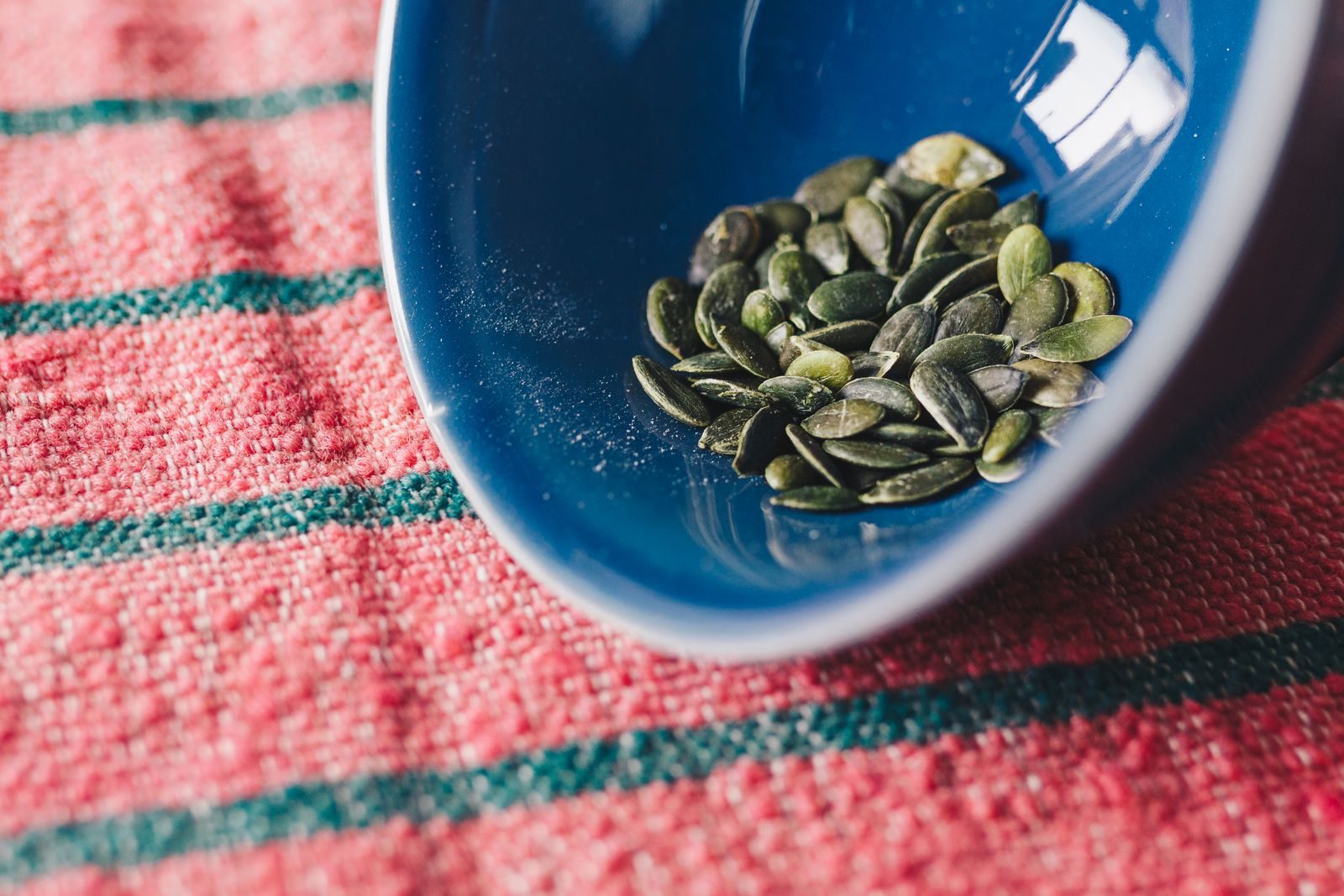
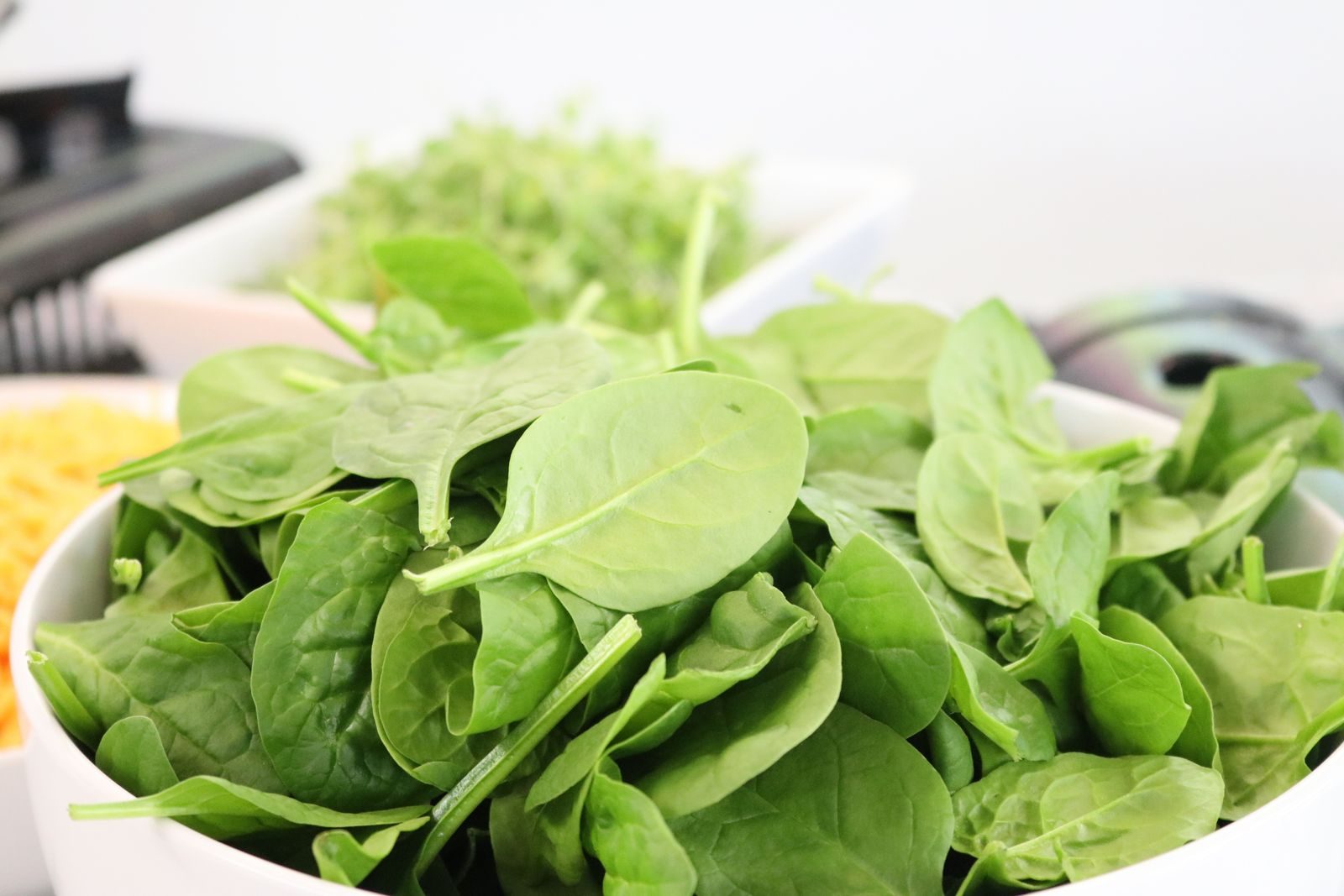
Magnesium is found in nuts such as almonds and cashews, in pumpkin seeds, black and red beans, spinach, potato with the skin, brown rice, oat flakes and dark chocolate at 70 % and above. Banana, salmon and yoghurt also provide it.
Calcium comes mainly from dairy products, milk, cheese and yoghurt, from leafy greens such as kale, broccoli and spinach, from canned sardines and salmon eaten with their bones, and from almonds. Spinach, rich in oxalates, releases only a small share of its calcium: it is better to rely on dairy, canned fish with their bones or kale. Several foods cover both needs at once, almonds, salmon and yoghurt, which simplifies meal planning.


How tobramycin works
Tobramycin belongs to the aminoglycoside family, antibiotics with a bactericidal action. Once inside the bacterium, it binds to the 16S ribosomal RNA of the 30S subunit of the ribosome, precisely at the A site, known as the aminoacyl site. The ribosome is the machine that builds proteins by reading the messenger RNA codon by codon. By attaching to this key location, tobramycin disrupts this reading.
This binding causes a misreading of the codons and blocks the initiation step of translation. The bacterium then assembles faulty proteins and can no longer produce the ones it needs to survive. These mistranslated proteins disturb the bacterial membrane, which explains the bactericidal effect of the molecule, unusual for an inhibitor of protein synthesis.
Why it is prescribed
Tobramycin targets Gram-negative bacteria, in particular Pseudomonas aeruginosa. It is used to treat serious or deep infections: sepsis, respiratory, urinary, intra-abdominal and bone infections such as osteomyelitis, and meningitis. Its bactericidal action and its spectrum make it a resort against these difficult germs.
It comes in several forms depending on the target. The inhaled form is indicated in patients with cystic fibrosis aged 6 years and over when they are colonised by Pseudomonas aeruginosa. An ophthalmic form, as eye drops, treats eye infections.
How it is administered
Tobramycin is given intravenously, intramuscularly, by inhalation or topically, but never orally. The reason is the P-glycoprotein efflux pump on the brush border of the intestine, which pushes the molecule back out and makes its oral bioavailability too low to be useful. The route of administration therefore depends on the infection being targeted and on the patient's condition.
Its half-life is about 2 hours in adults, and lengthens to 4.5 to 8.7 hours in the newborn, whose kidneys are still immature. To adjust the dose, serum concentrations are measured, at peaks and troughs. Prolonged concentrations above 12 mcg/mL are avoided, and a trough above 2 mcg/mL may signal accumulation in the tissues. Regular dosing and adherence to the prescribed schedule determine the efficacy and safety of the treatment.
The effects to know about
Two effects dominate monitoring. Nephrotoxicity, damage to the kidney, occurs in 10 to 25 % of patients treated with aminoglycosides; it is generally reversible, and its risk factors include dehydration, pregnancy, liver failure and the concurrent use of NSAIDs or diuretics. Ototoxicity, damage to the inner ear, is reported in 2 to 45 % of adults; it is dose-dependent and can affect the vestibular or cochlear apparatus. Cochlear damage, which concerns hearing, is irreversible, whereas vestibular damage can recover; tobramycin mainly causes the latter.
The FDA boxed warnings concern these two risks, ototoxicity and nephrotoxicity, as well as a third, neuromuscular blockade. The eye drop form mainly exposes the patient to local effects: watering, itching, tingling or burning, swelling of the eye, and briefly blurred vision with the ointment. Knowing these signs helps to raise them early with the doctor.
What the treatment shifts on the mineral side
Beyond its antibacterial action, tobramycin affects the balance of minerals. Aminoglycoside antibiotics are among the drugs that can cause hypomagnesemia, that is, a loss of magnesium. During treatment, serum magnesium can therefore fall, which is why it is measured regularly.
Laboratory monitoring is not limited to magnesium: serum sodium, calcium and magnesium are checked during treatment. Magnesium and calcium are thus the two minerals for which food offers the simplest lever to rebuild reserves, in support of medical monitoring.
Interactions and monitoring
Some combinations increase the risks and should be avoided. Powerful loop diuretics, such as furosemide and ethacrynic acid, increase the risk of ototoxicity. Other nephrotoxic and neurotoxic drugs must likewise be set aside: other aminoglycosides, vancomycin, colistin, polymyxin B and cisplatin. Tobramycin is also contraindicated in case of hypersensitivity to itself or to another aminoglycoside.
Particular caution is required in case of kidney failure, neuromuscular disease such as myasthenia, Parkinson's disease, and dehydration. Since the molecule is excreted mainly by the kidneys, monitoring of renal function is a pillar of follow-up, alongside regular serum measurements. Treatment is always carried out with the doctor, and is not stopped on one's own initiative.
Sources
- Tobramycin - StatPearls - NCBI Bookshelf
- Aminoglycosides - StatPearls - NCBI Bookshelf
- Tobramycin Ophthalmic: MedlinePlus Drug Information
- Hypomagnesemia - StatPearls - NCBI Bookshelf
- Magnesium | The Nutrition Source | Harvard T.H. Chan School of Public Health
- Calcium | The Nutrition Source | Harvard T.H. Chan School of Public Health
Related molecules
To explore in the « Anti-infectives » family and its neighbours.
See the whole « Anti-infectives » family · Back to the atlas
Supplements to consider
Beyond the plate, a single isolated nutrient can be worth discussing, to confirm with your doctor or pharmacist. Here is which one and in which form.
Probiotics
Probiotics are live micro-organisms, mainly lactobacilli and bifidobacteria. The CFU count and the number of strains are among the selection criteria; gastro-resistant capsules protect the bacteria from stomach acidity.
Preferred form gastro-resistant capsules, several strains, CFU count stated
Frequently asked questions
What is tobramycin used for?
Tobramycin is an antibiotic in the aminoglycoside family, prescribed for certain bacterial infections depending on the form (injectable, inhaled or eye drops). Its precise use and duration are set by your prescription. Refer to the package leaflet and discuss it with your doctor or pharmacist.
What are the side effects of tobramycin?
For the systemic forms, the leaflet notes in particular possible toxicity to the kidneys and to hearing and balance; the eye drops can cause local irritation or discomfort. The complete list is in the package leaflet. Report any unexpected effect to your doctor or pharmacist.
What does tobramycin interact with?
The leaflet flags particular caution with other medicines that can affect the kidneys or hearing, such as certain diuretics or other antibiotics in the same family. Do not combine anything without advice. Tell your doctor or pharmacist about all your treatments and consult the package leaflet.
Can you take tobramycin during pregnancy or breastfeeding?
Aminoglycosides are subject to specific precautions during pregnancy and breastfeeding, and their use calls for a case-by-case assessment. This decision rests with the doctor. Consult the package leaflet and ask your doctor or pharmacist for advice before any use.
Does an antibiotic like tobramycin affect gut flora?
Antibiotics target bacteria, and studies link their use, especially by the systemic route, to a shift in the balance of the gut microbiota. The extent varies with the drug, the route of administration and the individual. For anything concerning your own treatment, refer to the package leaflet and to your doctor or pharmacist.
Which probiotics to consider for supporting gut flora?
Research links certain probiotic strains, such as Lactobacillus rhamnosus or the yeast Saccharomyces boulardii, to microbiota comfort during and after a course of antibiotics. They are found as capsules or sachets of live strains, with a stated number of colony-forming units. Ask your pharmacist for the form suited to your situation.
Ces réponses portent sur le volet nutritionnel. Pour toute question sur votre médicament, la notice et votre médecin ou pharmacien font foi.