Vancomycine
antibiotic
Third-party optionBy the Layer Nutrition editorial team · How the atlas classifies the 664 molecules
What this medicine is for
Vancomycin belongs to the “antibiotic” category. Antibiotics treat infections caused by bacteria. They are taken as a course, over a set period, to the end of the prescription.
In the case of Vancomycin, this means: Treats a bacterial infection. Its use is generally limited in time, adjusted to the situation.
Under which brands it is found
Vancomycin is found in around 4 presentations listed in France. It is available under various brand names and as generics.
- Vancomycine Hikma
- Vancomycine Mip
- Vancomycine Sandoz
- Vancomycine Viatris
Original brand-name products and generics deliver the same active substance; the choice between them is made with your doctor or pharmacist.
On the plate: vitamin K
In addition to dietary intake, part of the vitamin K is produced by the bacteria in the lower gut. A treatment that acts on this intestinal flora therefore affects this pathway, and food remains the direct and regular source of this vitamin.
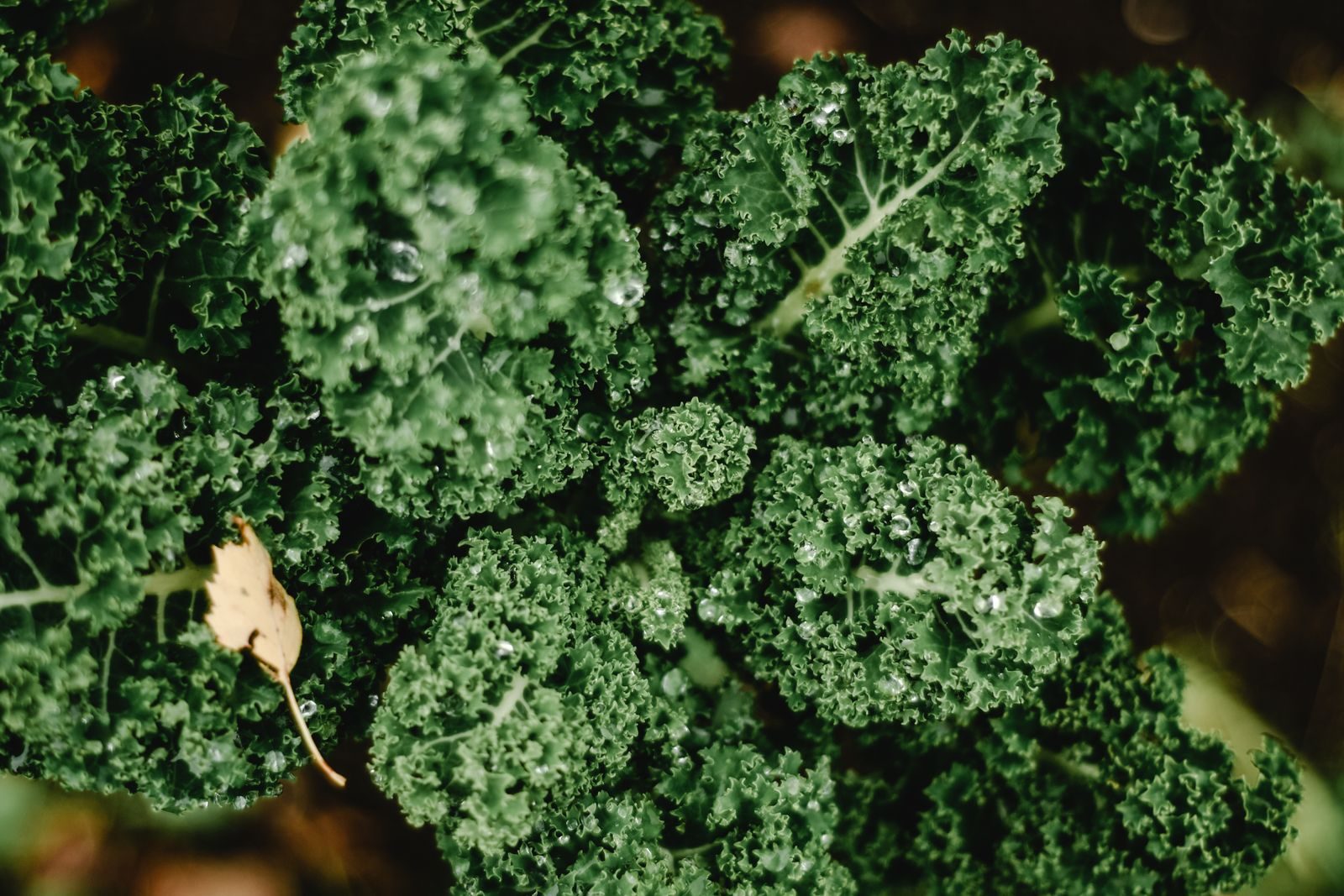
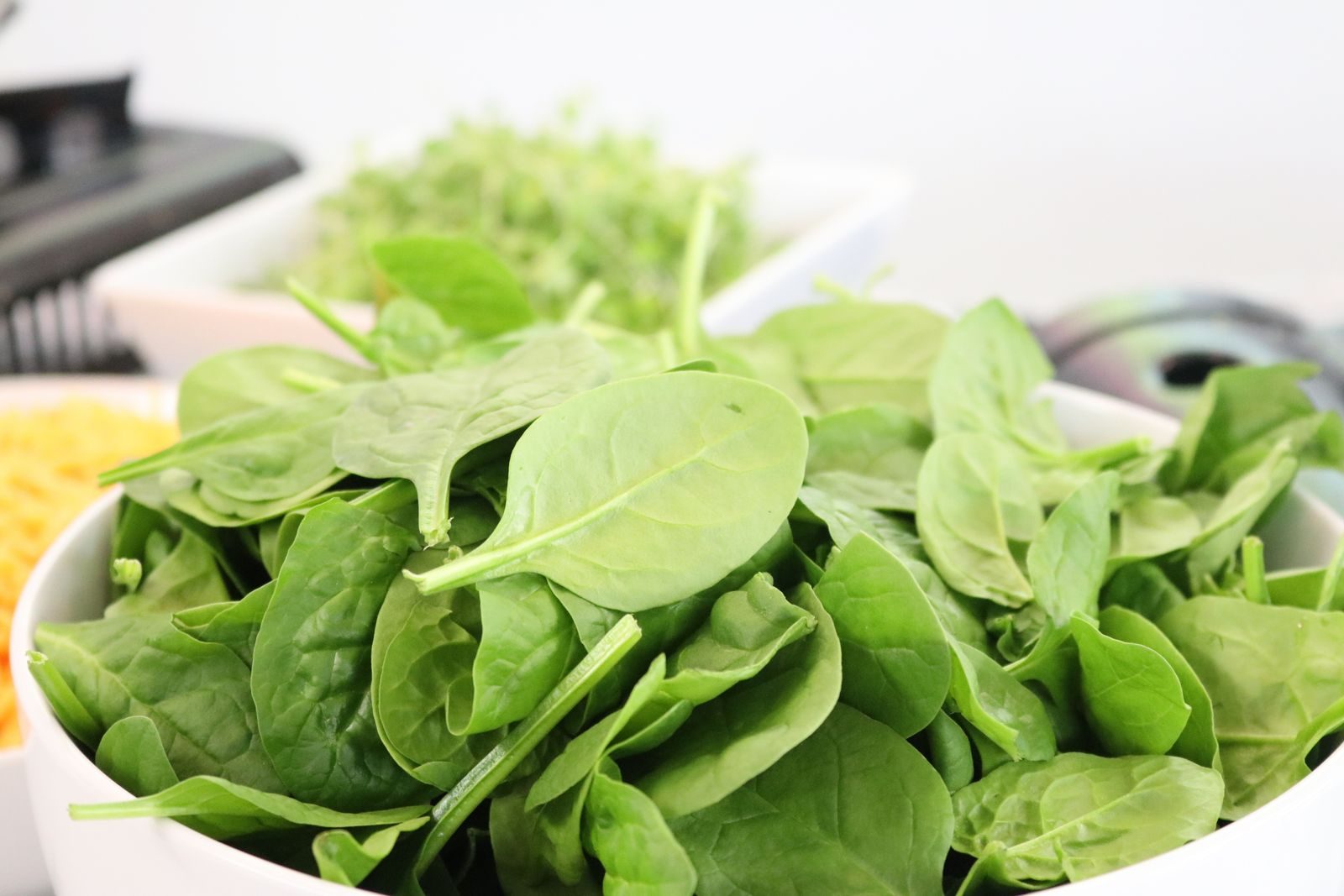
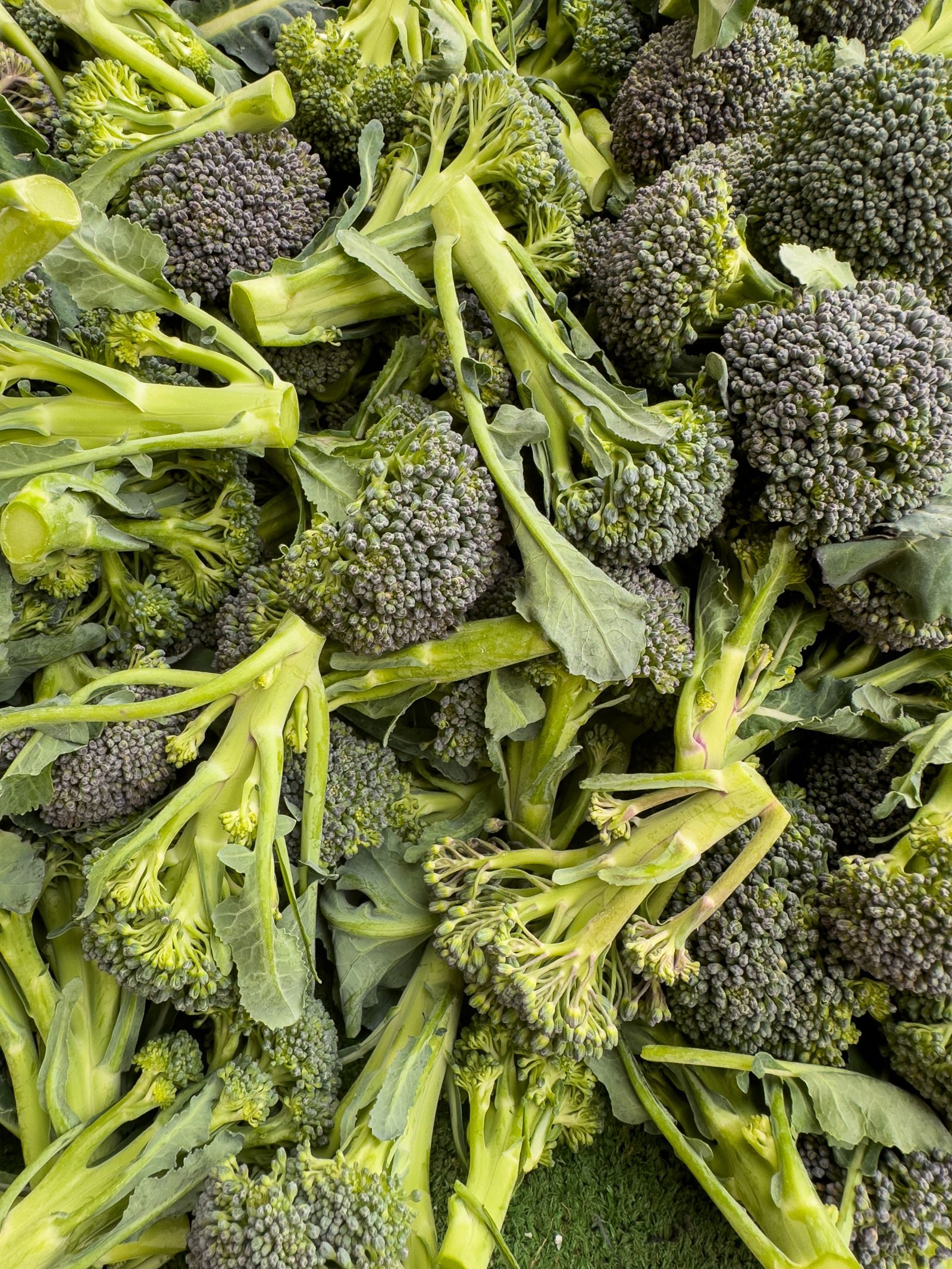
Vitamin K is found first and foremost in leafy green vegetables: kale and spinach are the richest sources. Vegetables from the cruciferous family, such as broccoli, also provide a good amount. Fish, eggs and liver supply smaller quantities, complementing the green vegetables.
Building your meals around these green vegetables covers most of your needs. A serving of spinach or kale at lunch, some broccoli at dinner, a few eggs during the week: these simple habits maintain your intake of vitamin K, alongside your treatment.

How vancomycin works
Vancomycin belongs to the glycopeptide family. To multiply, a bacterium must build its cell wall, a rigid envelope made of peptidoglycan that protects it and gives it its shape. Vancomycin binds to the D-alanyl-D-alanine end of the precursors of this peptidoglycan, just before they are assembled.
By occupying this target, it blocks glycosyltransferase, the enzyme that links the wall's building blocks together. Construction stops, the wall weakens, the cell leaks its contents and eventually dies. This mechanism targets Gram-positive bacteria, whose thick wall is precisely the point of attack.
Two routes, two uses
Vancomycin is used in two very different forms. Given intravenously, it treats serious infections caused by Gram-positive bacteria, first and foremost methicillin-resistant Staphylococcus aureus, MRSA, as well as endocarditis and sepsis. It then circulates throughout the body to reach the site of infection.
Taken by mouth, its behaviour changes completely. It is very poorly absorbed: its oral bioavailability remains below 10 %, so it stays in the intestine where it acts on the spot. This form is used to treat Clostridioides difficile diarrhoea and colitis, not general infections.
How to take oral vancomycin
For Clostridioides difficile diarrhoea, the usual dose is 125 mg four times a day for 10 days. The doses are spread out at regular intervals throughout the day, generally over 7 to 10 days, to maintain a constant concentration in the intestine. Unless the doctor advises otherwise, you keep your usual diet.
The treatment is continued to the very end, even when symptoms improve before it is over. Its half-life is 4 to 6 hours in adults whose kidneys function normally, which explains the rhythm of four doses a day. Stopping too soon exposes you to relapse and gives the bacterium a chance to return.
The effects to know about
The intravenous infusion can trigger a reaction linked to how fast it is administered, formerly called red man syndrome, with flushing and itching of the upper body. Its reported incidence varies widely, from 3.7 % to 47 %, and it depends on the speed of the infusion: slowing the flow rate limits it.
Other effects involve the ear and the blood. Ototoxicity, temporary or permanent, has been described with both the intravenous and oral routes: vertigo, hearing loss, tinnitus. A reversible neutropenia, meaning a drop in white blood cells, can occur with both forms; thrombocytopenia, a fall in platelets, remains rarer.
The kidney and risky combinations
The kidney is the organ most exposed under intravenous vancomycin. The risk of toxicity, including acute kidney injury, rises when the trough level exceeds 15 mg/L and the area under the curve exceeds 650 mg·h/L. It also increases with age, after 65 years.
Certain combinations amplify this renal risk. Aminoglycosides, piperacillin-tazobactam, amphotericin B, ciclosporin, loop diuretics, non-steroidal anti-inflammatory drugs and iodinated contrast agents are all nephrotoxic. Their combination with vancomycin calls for particular vigilance and guides the doctor's choice.
Biological monitoring
Given intravenously, vancomycin requires biological monitoring. Its serum concentrations are measured, with a target trough level of 10 to 20 µg/mL, drawn within the 30 minutes before the dose, and kidney function is watched. For severe infections, monitoring the area under the curve, the AUC, is preferred to fine-tune the dose.
The oral form behaves differently. Because it is barely absorbed into the bloodstream, it does not require serum level monitoring. Surveillance then focuses on how the digestive symptoms evolve rather than on blood levels.
Sources
Related molecules
To explore in the « Anti-infectives » family and its neighbours.
See the whole « Anti-infectives » family · Back to the atlas
Supplements to consider
Beyond the plate, a single isolated nutrient can be worth discussing, to confirm with your doctor or pharmacist. Here is which one and in which form.
Probiotics
Probiotics are live micro-organisms, mainly lactobacilli and bifidobacteria. The CFU count and the number of strains are among the selection criteria; gastro-resistant capsules protect the bacteria from stomach acidity.
Preferred form gastro-resistant capsules, several strains, CFU count stated
Frequently asked questions
What is vancomycin used for?
Vancomycin is an antibiotic of the glycopeptide family, active against certain Gram-positive bacteria. It is used in particular for severe infections and, taken orally, for certain intestinal infections. For the exact indication that applies to you, refer to the package leaflet and to your doctor or pharmacist.
What are the side effects of vancomycin?
The package leaflet mentions possible effects on the kidneys and hearing, as well as reactions during the infusion when it is given too quickly. This list is not exhaustive. Read the full leaflet and report any effect to your doctor or pharmacist.
Why is vancomycin sometimes taken orally?
Taken orally, vancomycin is very poorly absorbed and stays mainly in the digestive tract, which explains its use in certain intestinal infections. The injectable form, for its part, targets systemic infections. The choice of route is up to the doctor depending on the indication, to be checked in the package leaflet.
Does vancomycin interact with other medications?
The package leaflet flags particular caution when it is combined with other treatments that can affect the kidneys or hearing, such as certain antibiotics. Give your doctor or pharmacist the complete list of your medications so that they can assess the combinations.
Vancomycin, pregnancy and breastfeeding: what does the leaflet say?
Use during pregnancy or breastfeeding calls for a case-by-case assessment by a healthcare professional. If you are pregnant, plan to become pregnant or are breastfeeding, talk to your doctor or pharmacist and refer to the package leaflet before taking it.
Antibiotics and gut flora: what to consider nutritionally?
Studies link taking antibiotics with changes in the gut flora. On the nutrition side, the active ingredient often considered for the flora is a probiotic, in the form of cultures such as Lactobacillus strains or the yeast Saccharomyces boulardii, chosen from documented strains. The timing of intake and its relevance should be discussed with your doctor or pharmacist.
Ces réponses portent sur le volet nutritionnel. Pour toute question sur votre médicament, la notice et votre médecin ou pharmacien font foi.